Your lawn mower works hard to keep your yard looking great. But have you ever wondered why it sometimes sputters or struggles to start?
The answer might lie in your fuel filter. Knowing when to change your lawn mower’s fuel filter can save you time, money, and frustration. You’ll discover the signs that tell you it’s time for a change and simple steps to keep your mower running smoothly all season long.
Keep reading—your mower will thank you!

Credit: www.youtube.com
Signs Of A Clogged Fuel Filter
Recognizing the signs of a clogged fuel filter is crucial to keeping your lawn mower running smoothly. A dirty filter restricts fuel flow, causing various problems that can frustrate any homeowner trying to maintain their yard. Knowing these signs early can save you time, money, and unnecessary repairs.
Engine Performance Issues
If your lawn mower’s engine starts to sputter or stall unexpectedly, the fuel filter might be the culprit. A clogged filter limits the fuel supply, causing the engine to run unevenly or lose power during operation. You might notice the mower struggling on slight inclines or when you push it harder.
Think about the last time your mower hesitated while cutting thick grass. That hesitation often points to fuel delivery problems linked to a blocked filter. Checking the filter can be the quickest fix before considering more complicated engine repairs.
Difficulty Starting
When your mower refuses to start or takes multiple attempts to turn on, the fuel filter could be restricting the fuel flow right from the start. A clean filter ensures fuel reaches the engine smoothly, so any delay or failure to start is a red flag.
Have you ever pulled the starter cord repeatedly with no success? This could mean the fuel filter is clogged and needs immediate replacement. Addressing this early can prevent frustrating mornings and keep your mowing schedule intact.
Reduced Fuel Efficiency
Notice your mower using more fuel than usual? A clogged fuel filter forces the engine to work harder, burning more fuel to maintain performance. This inefficiency not only wastes fuel but also increases emissions.
Monitoring your fuel consumption is a smart way to spot filter issues before they become severe. If your mower’s gas tank empties faster without a change in workload, inspect the fuel filter as one of the first steps.
Credit: www.searspartsdirect.com
Recommended Replacement Intervals
Knowing when to change your lawn mower’s fuel filter can save you from unexpected breakdowns and keep your mower running smoothly. The recommended replacement intervals vary depending on several factors, including manufacturer advice, seasonal changes, and how often you use your mower. Understanding these can help you maintain your equipment efficiently and avoid costly repairs.
Manufacturer Guidelines
Most lawn mower makers provide specific recommendations on when to replace the fuel filter. These are usually found in the owner’s manual and often suggest changing the filter every 25 to 50 hours of operation or at least once per season.
Following these guidelines ensures that your mower operates with clean fuel, reducing engine wear. Ignoring the manufacturer’s advice can lead to clogged filters, poor engine performance, and increased fuel consumption. Have you checked your manual lately to see what your mower’s maker recommends?
Seasonal Considerations
Seasonal changes impact how often you should replace the fuel filter. During spring and summer, when you mow more frequently, the filter may need replacement more often due to higher fuel use and exposure to dirt.
In contrast, during fall and winter, when mower use drops, the filter might last longer but can still get clogged if old fuel sits in the tank. If you store your mower over winter, changing the filter before storage and after winter can prevent fuel system issues.
Usage Frequency Impact
How often you use your lawn mower directly affects the fuel filter’s lifespan. Frequent mowing means more fuel passes through the filter, which can wear it out faster.
If you only mow occasionally, the filter might not need replacement as often, but fuel degradation and moisture buildup could still harm the filter. Pay attention to your mower’s performance—if it starts sputtering or losing power, it might be time to swap the fuel filter regardless of hours used.
Step-by-step Replacement Process
Replacing your lawn mower’s fuel filter is a straightforward task that can save you from engine troubles and keep your mower running smoothly. Understanding the replacement process helps you avoid costly repairs and ensures your equipment performs at its best. Let’s walk through the key steps you’ll take to swap out that old filter for a fresh one.
Tools Needed
- Screwdriver:Usually a flathead or Phillips, depending on your mower’s design.
- Pliers:Helpful for loosening clamps on fuel lines.
- New Fuel Filter:Make sure it matches your mower’s specifications.
- Container or rag:To catch any fuel drips and keep your workspace clean.
- Gloves:Optional, but recommended to protect your hands from fuel.
Having these tools ready before you start will save you frustration and time.
Removing The Old Filter
First, make sure your mower is off and cool to avoid any accidents. Locate the fuel filter along the fuel line, usually near the carburetor or fuel tank.
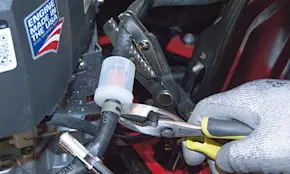
Use pliers to gently loosen the clamps holding the fuel lines onto the filter. Be prepared for some fuel to leak out—this is where your rag or container comes in handy.
Once the clamps are loose, carefully pull the fuel lines off the old filter. If they feel stuck, wiggle them gently instead of forcing. Have you ever tried rushing this step? It often leads to cracked lines or spilled fuel.
Installing The New Filter
Check the new filter for an arrow indicating fuel flow direction. This is crucial; installing it backwards can cause engine problems.
Slide the fuel lines onto the new filter, ensuring a snug fit. Reattach the clamps securely to prevent leaks.
After installation, start your mower and watch for leaks around the filter. If you see any, double-check the clamps and connections. This simple check can save you from a messy, frustrating fuel leak later.
Choosing The Right Fuel Filter
Choosing the right fuel filter for your lawn mower can make a significant difference in its performance and longevity. An improperly chosen filter can lead to engine issues or poor fuel efficiency. Knowing what to look for is key, and this guide will help you make an informed decision.
Filter Types
There are several types of fuel filters available, each designed for specific needs. Some common types include inline, cartridge, and universal filters. Inline filters are easy to install and replace, while cartridge filters are often found in larger mowers and provide higher filtration capacity. Universal filters can fit various models but might not offer the best fit for all mowers.
Have you ever noticed your mower sputtering or struggling to start? It could be due to a clogged filter. Understanding which type suits your mower can prevent these issues and keep your lawn looking pristine.
Compatibility With Mower Models
Not all fuel filters are compatible with every mower model. It’s crucial to check the manufacturer’s recommendations before purchasing a new filter. Matching your mower’s specific make and model to the filter ensures optimal performance.
Imagine buying a filter only to find out it doesn’t fit your mower. Always double-check compatibility to avoid unnecessary returns and delays. You’ll thank yourself when your mower runs smoothly without a hitch.
Quality And Brand Options
Quality matters when it comes to fuel filters. Opt for reputable brands that offer durable and reliable products. Brands like Briggs & Stratton, Honda, and Kawasaki are known for their high-quality filters.
Investing in a good brand might cost a bit more upfront, but it can save you money in the long run. A well-made filter reduces the risk of engine damage and improves fuel efficiency. Are you willing to risk your mower’s health for a cheaper option?
Take the time to research and choose wisely. Your lawn mower is an investment, and caring for it with the right fuel filter is part of that stewardship.
Fuel System Maintenance Tips
Proper fuel system maintenance keeps your lawn mower running smoothly. It prevents clogs and engine troubles. Regular care extends the mower’s life and improves performance.
Cleaning Fuel Lines
Fuel lines carry gasoline to the engine. Dirt and debris can block these lines. Check lines for cracks or leaks often. Use compressed air or a soft brush to clean them carefully. Replace damaged lines to avoid fuel leaks.
Using Fresh Fuel
Old fuel loses power and can damage the engine. Always fill the tank with fresh gasoline. Avoid storing fuel for more than 30 days. Use fuel stabilizer if storing fuel longer. Fresh fuel helps the mower start easily and run well.
Storing Mower Properly
Store the mower in a dry, cool place. Drain the fuel tank before long storage. Run the engine until it stops to clear fuel lines. Cover the mower to protect from dust and moisture. Proper storage prevents fuel system problems.
Common Mistakes To Avoid
Knowing when to change your lawn mower’s fuel filter is key. Avoiding common mistakes helps keep your mower running smoothly. Many users overlook simple steps that can cause bigger problems later.
Understanding these errors can save time and money. It also improves mower performance and fuel efficiency. Let’s look at common mistakes and how to avoid them.
Ignoring Filter Replacement
Some think the fuel filter lasts forever. Dirt and debris build up over time. A clogged filter stops fuel flow and makes the engine stall.
Changing the filter regularly prevents damage. Follow the mower’s manual for replacement schedules. Don’t wait for signs of trouble.
Using Incorrect Parts
Using the wrong fuel filter harms your mower. Filters come in specific sizes and types. A poor fit can cause leaks or block fuel.
Always buy parts made for your mower model. Check the part number and specs before purchase. Proper parts ensure a perfect fit and performance.
Skipping Regular Checks
Regular inspections catch problems early. Look at the filter each season or after heavy use. Dirt or damage means it’s time to replace.
Skipping checks leads to poor engine performance. It can also shorten mower life. Make filter checks part of your routine mower care.

Credit: www.mowmore.com
Frequently Asked Questions
When Should I Replace My Lawn Mower Fuel Filter?
Replace the fuel filter every 25-50 hours of use or at least once per season. A clogged filter reduces engine performance and can cause damage.
How Do I Know If The Fuel Filter Is Clogged?
Signs include difficulty starting, engine sputtering, or loss of power. These indicate restricted fuel flow and signal it’s time to change the filter.
Can I Clean And Reuse A Lawn Mower Fuel Filter?
No, fuel filters are designed for one-time use. Cleaning can damage them and reduce effectiveness. Always replace with a new filter for best results.
What Happens If I Delay Changing The Fuel Filter?
Delaying can cause poor engine performance, stalling, and possible engine damage. Clean fuel is critical for efficient mower operation and longevity.
Conclusion
Regularly changing your lawn mower’s fuel filter keeps the engine healthy. Clean filters stop dirt from entering the fuel system. This helps your mower run smoothly and last longer. Check the filter every season or after 25 hours of use.
A fresh filter saves you from costly repairs later. Remember, small care steps make a big difference. Keep your mower ready for every mowing day. Easy maintenance leads to better lawn care results. Don’t wait for problems—change the fuel filter on time.
Simple actions keep your mower working its best.