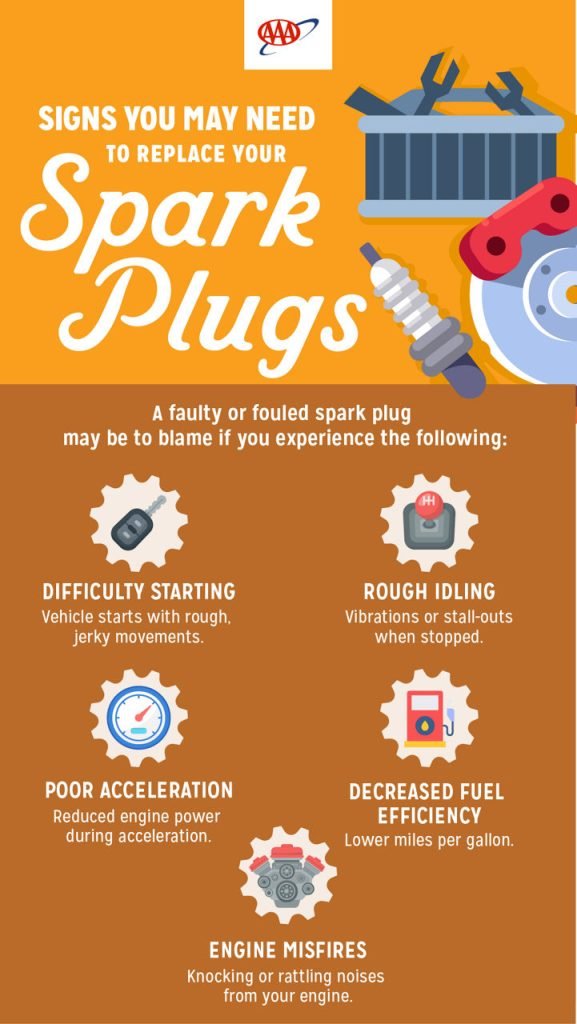
Are you wondering when it’s time to change your spark plugs? If your car’s engine isn’t running as smoothly as it used to, or if you’re noticing a drop in fuel efficiency, your spark plugs might be the culprit.
These small but mighty components play a crucial role in keeping your engine healthy and your vehicle performing at its best. Ignoring them could lead to bigger issues down the road, costing you time and money. In this blog post, we’ll uncover the telltale signs that it’s time to give your spark plugs some attention.
Stay tuned to ensure your car remains in top shape and avoid unexpected breakdowns.
Signs Of Worn Spark Plugs
Worn spark plugs can cause many engine problems. They affect how smoothly your engine runs. Recognizing the signs helps avoid bigger issues and costly repairs. Here are key signs that indicate your spark plugs need changing.
Engine Misfires And Rough Idling
Worn spark plugs often cause engine misfires. The engine may run unevenly or shake when idling. Misfires happen because the spark plugs fail to ignite fuel properly. This leads to a rough and unstable engine performance.
Poor Fuel Economy
Old spark plugs reduce fuel efficiency. The engine burns more fuel to compensate for weak sparks. You will notice more visits to the gas station. Changing spark plugs can restore better fuel economy.
Difficulty Starting The Engine
Hard starts can signal worn spark plugs. The engine struggles to ignite the fuel mixture. This causes delays or multiple attempts to start the car. Fresh spark plugs make starting easier and faster.
Recommended Replacement Intervals
Knowing the right time to change spark plugs helps keep your engine running smoothly. Recommended replacement intervals vary depending on several factors. Following these guidelines can prevent engine misfires and improve fuel efficiency. Understanding these intervals helps you plan maintenance better and avoid costly repairs.
Manufacturer Guidelines
Car makers provide specific intervals for spark plug replacement. These are usually found in the owner’s manual. Most recommend changing spark plugs every 30,000 to 100,000 miles. Sticking to these guidelines ensures optimal engine performance. Ignoring them may cause poor fuel economy and rough idling.
Impact Of Driving Conditions
Driving style and conditions affect spark plug life. Frequent short trips or stop-and-go traffic can wear plugs faster. Dusty or dirty environments also cause quicker wear. Heavy towing or high-speed driving demands more from spark plugs. Adjust replacement intervals based on your driving habits for best results.
Differences By Spark Plug Type
Spark plugs come in various types, each with different lifespans. Copper plugs last around 20,000 to 30,000 miles. Platinum plugs can go up to 60,000 miles. Iridium plugs offer the longest life, often 100,000 miles or more. Choosing the right type helps extend the replacement interval and improve performance.
How To Inspect Spark Plugs
Knowing how to inspect your spark plugs can save you time and money while keeping your engine running smoothly. It’s not just about swapping them out after a set number of miles; careful inspection helps you spot issues early. Let’s break down how you can check your spark plugs effectively and what signs to watch for during the process.
Visual Inspection Tips
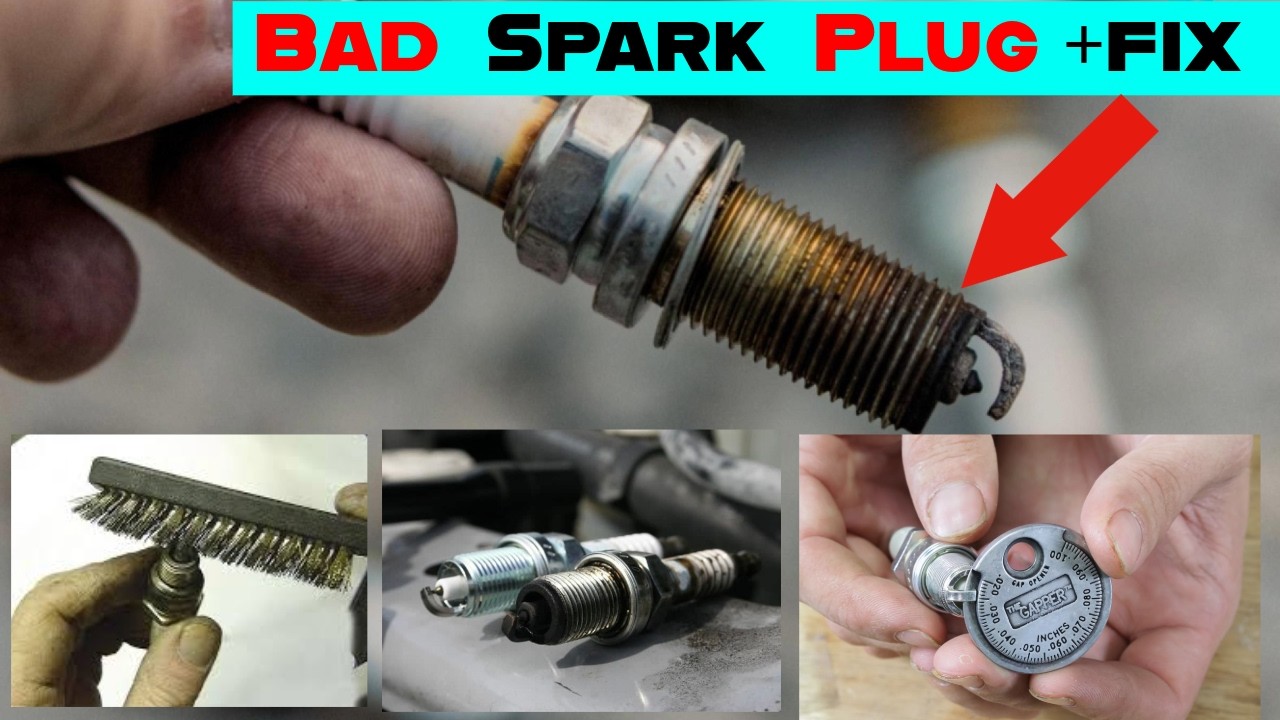
Start by removing the spark plugs carefully to avoid damage. Use a clean cloth to wipe off any dirt or grime before you examine them closely. Look for clear signs like worn electrodes or heavy deposits that could affect performance.
Check the color of the plug’s tip—ideally, it should be light tan or gray. A black, sooty plug might mean your engine is running too rich, while a white, blistered tip could indicate overheating. Don’t forget to inspect the gap between the electrodes; it should match your vehicle’s specifications.
Tools Needed For Checking
- Spark plug socket wrench:Essential for safely removing and installing spark plugs without damage.
- Gap gauge:Measures the spark plug gap to ensure proper ignition performance.
- Feeler gauge:Useful for precise measurement of the electrode gap.
- Wire brush or spark plug cleaner:Helps remove deposits if you decide to clean the plugs instead of replacing them.
- Torque wrench:Ensures you tighten the plugs to the manufacturer’s recommended torque, preventing over-tightening.
What To Look For In Wear And Damage
Pay close attention to cracks in the ceramic insulator; any damage here means the plug should be replaced immediately. Excessive electrode wear or rounded edges reduce spark effectiveness and signal that it’s time for new plugs.
Deposits like oil or carbon buildup can indicate engine problems such as oil leaks or improper fuel mixture. If you see melted or burnt electrodes, that’s a red flag for overheating or electrical issues.
Have you ever noticed your engine misfiring or struggling to start? Checking your spark plugs might reveal the root cause—don’t ignore these signs. Regular inspection can prevent these problems before they affect your drive.

Credit: beachautomotive.com
Effects Of Delayed Replacement
Delaying the replacement of spark plugs can cause several problems. These effects impact your car’s overall function and can lead to costly repairs. Understanding the consequences helps in keeping your vehicle in top shape.
Engine Performance Issues
Old spark plugs struggle to create a strong spark. This causes the engine to misfire or run roughly. You may notice less power during acceleration. Fuel economy also drops because the engine burns fuel inefficiently.
Increased Emissions
Worn spark plugs lead to incomplete fuel burning. This increases harmful gases released through the exhaust. Higher emissions can cause your car to fail emissions tests. It also contributes to air pollution.
Potential Engine Damage
Ignoring worn spark plugs stresses the engine components. Misfires can damage the catalytic converter. Over time, this can lead to expensive repairs. Replacing spark plugs on time protects your engine’s health.
Diy Vs Professional Replacement
Deciding whether to replace your spark plugs yourself or hire a professional can be tricky. Both options have their merits depending on your confidence, tools, and understanding of your vehicle. Let’s weigh the practical sides to help you make a smart choice.
When To Attempt It Yourself
If you’re comfortable with basic car maintenance, changing spark plugs might be a satisfying weekend project. You’ll need a spark plug socket, a ratchet, and possibly a gap tool. Vehicles with easy engine access are perfect for DIY, but tight or complex engine compartments can turn this into a frustrating task.
Think about your experience with similar repairs. Have you handled engine parts before? If yes, replacing spark plugs can save you time and money. If no, this might be a good chance to learn, but be prepared for some trial and error.
Benefits Of Professional Service
A professional mechanic brings speed and expertise that can prevent costly mistakes. They know exactly how tight spark plugs should be and can spot other issues while they work. This can save you from engine misfires or damage caused by incorrect installation.
Also, professionals often check related components, like ignition coils or wires, ensuring your car runs smoothly. If your engine has special requirements or if the spark plugs are hard to reach, a mechanic’s experience becomes invaluable.
Cost Considerations
| Factor | DIY | Professional |
|---|---|---|
| Parts Cost | Lower (you buy parts directly) | Included in service price |
| Labor Cost | Free (your time) | Varies ($50-$150 typical) |
| Tools Needed | Purchase or borrow | Provided by shop |
| Risk of Mistakes | Higher without experience | Minimal with pros |
Ask yourself: does saving on labor outweigh the risk of a costly error? Sometimes paying a professional upfront can prevent expensive repairs later. Your budget and confidence level will guide your best choice.

Credit: www.reddit.com
Maintaining Spark Plug Longevity
Maintaining spark plug longevity helps keep your engine running smoothly. Spark plugs ignite the fuel-air mixture inside the engine. Worn or dirty plugs cause misfires and poor fuel efficiency. Proper care extends their life and improves car performance. Simple habits and checks can prevent early wear and damage.
Regular Maintenance Tips
- Check spark plugs every 30,000 miles or as recommended.
- Clean plugs gently to remove deposits and dirt.
- Inspect for cracks, erosion, or worn electrodes.
- Keep the spark plug gap at the correct size.
- Replace plugs if they show signs of heavy wear.
Using Quality Fuel And Parts
Use high-quality fuel to reduce carbon buildup on plugs. Poor fuel causes deposits that shorten plug life. Buy spark plugs from trusted brands for better durability. Cheap parts may fail early and harm engine performance. Match the plug type and heat range to your vehicle’s needs.
Monitoring Engine Health
Watch for engine symptoms like rough idling or poor acceleration. These signs may indicate spark plug issues. Regular oil changes keep the engine clean and reduce plug fouling. Check ignition wires and coils for damage or wear. Healthy engine parts support longer spark plug life.
Credit: www.youtube.com
Frequently Asked Questions
When Is The Best Time To Change Spark Plugs?
Spark plugs should be replaced every 30,000 to 100,000 miles. Check your vehicle’s manual for specific intervals. Signs like rough idling or poor fuel economy signal the need for replacement.
What Are Common Signs Of Worn Spark Plugs?
Worn spark plugs cause engine misfires, rough idle, and reduced fuel efficiency. You may notice difficulty starting the engine or decreased acceleration performance.
Can Old Spark Plugs Damage My Engine?
Yes, old spark plugs can cause engine misfires and poor combustion. This leads to increased emissions and potential engine damage over time if not replaced.
How Do I Know If Spark Plugs Need Replacing?
Look for symptoms like engine hesitation, poor fuel mileage, or rough idling. Visual inspection showing worn or fouled plugs also indicates the need for replacement.
Conclusion
Spark plugs need changing to keep your engine running well. Worn plugs can cause poor fuel use and hard starts. Changing them on time saves money on repairs later. Watch for signs like rough idling or slow acceleration. Check your car manual for the right change interval.
Regular care helps your car stay strong and smooth. Don’t wait for big problems—small fixes go a long way. Stay on top of spark plug health for better driving every day.





