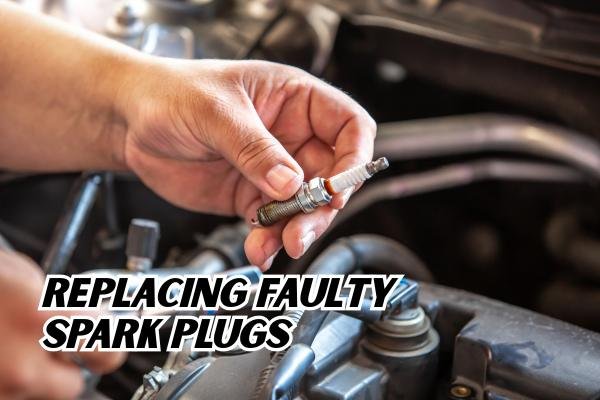
Are you wondering when the best time is to change your car’s spark plugs? You’re not alone.
Many drivers like you want to keep their vehicles running smoothly but aren’t sure about the right maintenance schedule. Spark plugs play a crucial role in your car’s performance, and knowing when to replace them can save you from unexpected breakdowns and costly repairs.
This article will guide you through the signs that your spark plugs need attention, helping you maintain a reliable vehicle while also enhancing your driving experience. Keep reading to discover how a simple change can make a big difference in your car’s life.
Signs Of Worn Spark Plugs
Worn spark plugs affect your car’s performance and fuel use. They cause several noticeable problems. Spotting these signs early helps prevent bigger engine issues. Watch for changes in how your car runs and starts. These symptoms often mean it’s time to check or replace spark plugs.
Engine Misfires
Engine misfires happen when the spark plug fails to ignite the fuel-air mix. The engine may jerk or hesitate during acceleration. Misfires cause uneven power and reduce engine smoothness. This issue can damage other parts if ignored for too long.
Poor Fuel Economy
Worn spark plugs burn more fuel than usual. Your car uses extra gas to maintain power. You will notice more frequent visits to the gas station. This problem increases driving costs and harms the environment.
Difficulty Starting
Old spark plugs make starting the engine harder. The car may crank longer before it runs. Sometimes, it won’t start at all on the first try. This delay wastes battery power and stresses the starter motor.
Rough Idling
The engine runs unevenly when idling with bad spark plugs. You might feel vibrations or shaking inside the car. The sound may be louder or irregular. Rough idling signals incomplete combustion in the cylinders.

Credit: www.reddit.com
Recommended Replacement Intervals
Knowing the right time to change spark plugs helps keep your engine running well. Following recommended replacement intervals prevents engine problems. It also improves fuel efficiency and reduces emissions. Different factors affect how often spark plugs need replacement. Understanding these timelines helps you plan maintenance better.
Manufacturer Guidelines
Every car maker sets specific spark plug replacement intervals. These guidelines match the engine design and spark plug type. Check the owner’s manual for exact recommendations. Using the manufacturer’s advice ensures the best engine performance. It also protects your vehicle warranty in many cases.
Mileage-based Timelines
Many spark plugs last between 30,000 and 100,000 miles. Standard copper plugs usually need changing around 30,000 miles. Platinum or iridium plugs last longer, often up to 100,000 miles. Keep a record of your car’s mileage to track replacements. This method helps avoid sudden spark plug failures.
Time-based Timelines
Spark plugs can wear out even if mileage is low. Over time, deposits build up and reduce spark quality. Most manufacturers recommend changing plugs every 3 to 5 years. If you drive less often, use time-based intervals to avoid problems. Regular checks keep your engine smooth and reliable.
Types Of Spark Plugs And Longevity
Spark plugs play a key role in your engine’s performance. Different types offer various benefits and last for different times. Knowing the type helps decide when to change them. Here is a quick guide on common spark plug types and their longevity.
Copper Spark Plugs
Copper spark plugs use a solid copper core. They offer good conductivity for strong sparks. Copper plugs are usually the cheapest option. Their lifespan is shorter, often around 20,000 to 30,000 miles. These plugs wear out faster because copper erodes quickly. Copper plugs suit older cars or engines with low voltage demands.
Platinum Spark Plugs
Platinum spark plugs have a platinum disc on the center electrode. This metal resists wear better than copper. Platinum plugs last longer, typically 60,000 to 100,000 miles. They provide stable performance over time. Many newer cars use platinum plugs for better fuel efficiency. They cost more than copper but save money with longer life.
Iridium Spark Plugs
Iridium spark plugs use a thin iridium tip on the electrode. Iridium is very hard and durable. These plugs last up to 100,000 miles or more. They create stronger sparks with less voltage. Iridium plugs improve ignition and fuel burn. They are the most expensive but offer the best longevity. Ideal for modern engines needing high performance.

Credit: beachautomotive.com
Factors Affecting Spark Plug Life
Understanding the factors that affect spark plug life can save you time and money. Spark plugs don’t wear out at the same rate in every vehicle or under every condition. Knowing what influences their lifespan helps you decide the right time to replace them and avoid unexpected engine troubles.
Driving Habits
How you drive plays a huge role in spark plug wear. Frequent short trips don’t allow your engine to reach optimal temperature, leading to carbon buildup on the plugs. On the other hand, aggressive acceleration and high-speed driving increase combustion temperatures, which can wear out plugs faster.
Think about your daily routine—do you mostly drive in stop-and-go traffic or take long highway trips? Both impact spark plug life differently, so adjusting your maintenance schedule based on your driving style is key.
Engine Conditions
Your engine’s health directly affects spark plug performance. Engines running too hot or cold can cause premature spark plug failure. For example, if your engine is misfiring or burning oil, it can foul the plugs quickly.
Regularly check your engine for leaks, overheating, or unusual noises. Keeping your engine in good condition extends the spark plugs’ life and improves overall performance.
Fuel Quality
The type and quality of fuel you use also impact spark plug durability. Low-quality or contaminated fuel can leave deposits that clog the plugs. Using fuel with the wrong octane rating for your engine may cause knocking, stressing the spark plugs unnecessarily.
Have you ever noticed rough idling or reduced fuel efficiency after filling up at a questionable gas station? It might be time to inspect your spark plugs. Choosing reputable fuel brands and the correct octane helps maintain spark plug health and engine efficiency.
How To Inspect Spark Plugs
Inspecting spark plugs helps keep your engine running smoothly. Regular checks catch problems early. You can tell a lot about engine health by examining spark plugs closely. This guide shows easy ways to inspect them properly.
Visual Inspection Tips
Start by removing the spark plug carefully. Use a bright light for clear viewing. Check the ceramic insulator for cracks or chips. Look for any signs of oil or fuel fouling. The metal shell should not be rusty or damaged. Clean plugs usually have a light tan color on the tip.
Checking Electrode Wear
Focus on the electrodes at the plug’s tip. Worn electrodes appear rounded or eroded. A sharp edge means good condition. Measure the gap between the center and ground electrode. Use a feeler gauge to check if the gap matches your car manual. Too wide or too narrow gaps affect engine performance.
Detecting Carbon Deposits
Carbon buildup looks like black, dry soot on the plug tip. It can cause misfires and poor fuel economy. This deposit means the engine runs too rich or the air filter is dirty. Lightly clean the deposits using a wire brush. Heavy buildup means it’s time to replace the spark plug.
Benefits Of Timely Spark Plug Replacement
Replacing spark plugs on time helps keep your car running smoothly. It prevents engine problems and saves money on repairs. You will notice better driving and less fuel use. Changing spark plugs regularly protects the environment by lowering harmful gases from your car. This small task has big benefits for your vehicle and the planet.
Improved Engine Performance
New spark plugs create a stronger spark. This spark lights the fuel-air mix in the engine quickly. The engine runs smoother with fewer misfires. You will feel your car start faster and drive better. Timely replacement keeps the engine working at its best.
Better Fuel Efficiency
Fresh spark plugs burn fuel more completely. Your car uses less gas to travel the same distance. This saves money on fuel over time. Good spark plugs help the engine avoid wasting fuel. You get more miles per gallon with timely changes.
Reduced Emissions
Old spark plugs cause incomplete burning of fuel. This creates more harmful exhaust gases. New plugs help the engine burn fuel cleaner. Your car releases fewer pollutants into the air. Changing spark plugs on time helps protect the environment.
Diy Vs Professional Replacement
Deciding between changing your spark plugs yourself or hiring a professional can save you time, money, or even a headache. If you enjoy hands-on work and have some basic tools, a DIY replacement can be rewarding and cost-effective. However, knowing your limits and when to call a mechanic is just as important to avoid causing more damage or risking safety.
Tools Needed
Before you start, make sure you have the right tools on hand. This usually includes:
- Spark plug socket and ratchet
- Torque wrench (to tighten plugs to the correct specification)
- Gap gauge (to check and adjust the spark plug gap)
- Extension bar (to reach deep spark plugs)
- Anti-seize lubricant (optional, but helps prevent plugs from sticking)
Having the correct tools makes the job smoother and reduces the risk of damaging your spark plugs or engine parts.
Step-by-step Replacement Guide
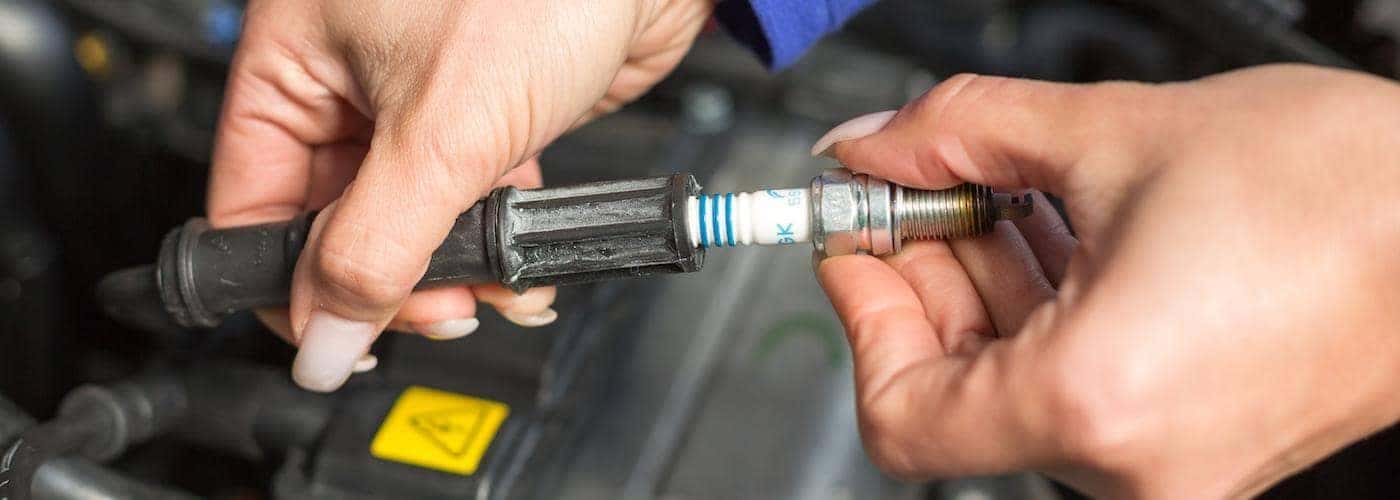
Start by locating your spark plugs, usually found on the engine block under ignition coils or wires. Remove the ignition wires or coils carefully to avoid damage.
Use your spark plug socket with a ratchet to unscrew the old plugs. Check the gap on the new plugs and adjust if necessary using the gap gauge.
Apply a small amount of anti-seize lubricant on the threads before screwing in the new plugs by hand to avoid cross-threading. Tighten with a torque wrench to the manufacturer’s recommended setting to prevent over-tightening.
Reconnect the ignition wires or coils and test your engine to ensure smooth running. This process usually takes under an hour for most cars.
When To Seek Professional Help
If your engine layout makes spark plugs hard to reach, or if you notice signs of engine trouble like misfires or poor performance after replacement, it’s wise to consult a professional. Complex engines may require special tools or knowledge, and mistakes can lead to costly repairs.
Also, if you don’t feel confident in loosening and tightening spark plugs without damaging threads or ignition components, a mechanic’s expertise is valuable.
Remember, safety and engine health come first. Sometimes spending a bit more on professional service prevents bigger expenses down the road.
Credit: www.terrylabontechevy.com
Frequently Asked Questions
When Is The Best Time To Replace Spark Plugs?
Spark plugs should be replaced every 30,000 to 50,000 miles. Check your vehicle’s manual for specific intervals. Signs include rough idling, poor fuel efficiency, or engine misfires.
What Are The Signs Of Worn Spark Plugs?
Worn spark plugs cause engine misfires, difficulty starting, and reduced fuel economy. You may also notice rough idling or loss of power while driving.
Can Old Spark Plugs Damage My Engine?
Yes, old spark plugs can cause incomplete combustion. This leads to engine knocking, increased emissions, and potential long-term engine damage if not replaced timely.
How Do I Know If My Spark Plugs Need Changing?
Look for symptoms like rough idling, slow acceleration, and poor fuel efficiency. A mechanic can also inspect the plugs for wear or deposits.
Conclusion
Spark plugs need changing to keep your car running well. Check them every 30,000 miles or as your manual says. Worn spark plugs cause poor gas mileage and engine trouble. Changing them on time saves money and avoids breakdowns. Watch for signs like rough idling or slow starts.
Regular checks help your engine stay strong and smooth. Don’t wait until problems get worse. Simple care keeps your car healthy and safe on the road.





