Are you wondering when it’s time to change your spark plugs? You’re not alone.
Many drivers overlook this small but vital component of their vehicle, which can lead to bigger problems down the road. Ignoring your spark plugs can affect your car’s performance, fuel efficiency, and even your safety. But how do you know when it’s time for a change?
We’ll uncover the signs that indicate your spark plugs need attention, helping you avoid unexpected breakdowns and costly repairs. Stay tuned to discover how a simple spark plug change can breathe new life into your engine and keep your car running smoothly.
Role Of Spark Plugs
Understanding the role of spark plugs is crucial before deciding when to replace them. These small components play a big part in how your engine runs. Knowing their function helps you spot signs of wear early and maintain your vehicle’s performance.
How Spark Plugs Work
Spark plugs create a tiny spark that ignites the air-fuel mixture inside your engine’s cylinders. This spark triggers combustion, which powers your car. Without a strong, consistent spark, your engine struggles to start and run smoothly.
Each spark plug must handle extreme heat and pressure while delivering a precise spark at the right moment. Over time, deposits build up on the plug’s tip, or the gap widens, weakening the spark. Have you noticed your engine hesitating or misfiring? That’s often a sign your spark plugs need attention.
Impact On Engine Performance
Worn spark plugs can reduce fuel efficiency and cause rough idling. Your engine might feel sluggish, and acceleration can suffer. This happens because the combustion process becomes incomplete or inconsistent.
Replacing old spark plugs can restore lost power and improve mileage. It’s not just about keeping your car running—it’s about making every drop of fuel count. When was the last time you checked your spark plugs? Waiting too long can lead to bigger engine issues and costly repairs.

Credit: simonsautorepairtaunton.com
Common Signs Of Wear
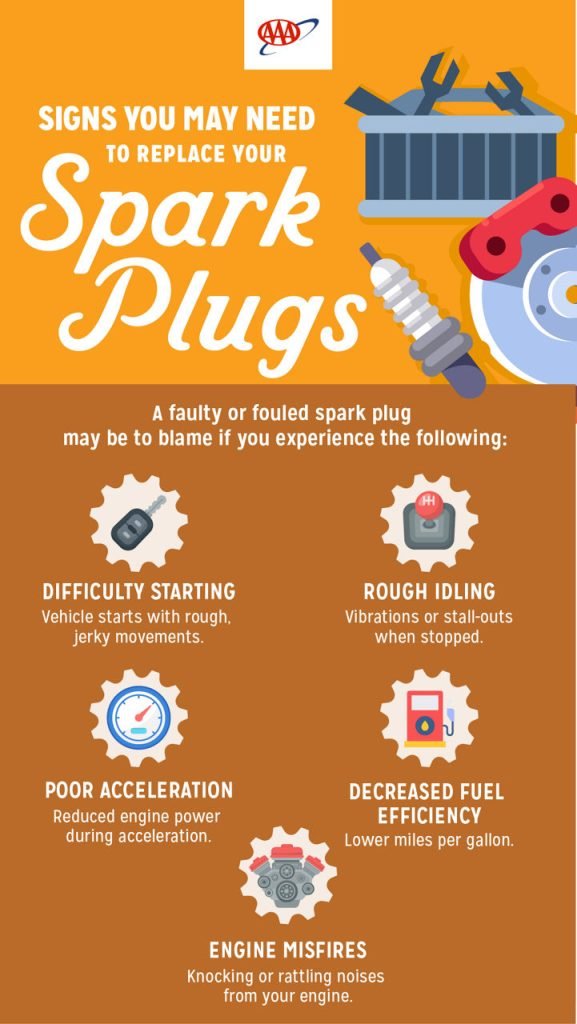
Spark plugs play a key role in your car’s engine. They ignite the fuel and air mixture to start the engine. Over time, spark plugs wear out and need replacement. Knowing the common signs of wear helps keep your vehicle running smoothly.
Watch for these signs to know when to check or change your spark plugs.
Engine Misfires
Engine misfires happen when spark plugs fail to ignite fuel properly. You may feel jerking or hesitation during acceleration. This reduces engine power and causes rough running. Misfires can damage other engine parts if ignored.
Poor Fuel Economy
Worn spark plugs cause incomplete fuel burning. This lowers fuel efficiency and raises fuel costs. Your car may need more gas to go the same distance. Replacing old spark plugs often improves mileage.
Difficulty Starting
Faulty spark plugs make your car hard to start. The engine may crank longer before it fires up. Cold mornings can worsen this problem. New spark plugs help the engine start quickly and smoothly.
Rough Idling
When spark plugs wear out, the engine may idle roughly. You might notice shaking or vibration when the car is stopped. This happens because of poor combustion in one or more cylinders. Replacing spark plugs restores smooth idling.
Visual Inspection Tips
Visual inspection of your spark plugs is a straightforward way to gauge their health without specialized tools. By simply looking at the spark plugs, you can catch early signs of wear or damage that hint at the need for replacement. Let’s break down what you should look for during your inspection to keep your engine running smoothly.
Checking Electrode Condition
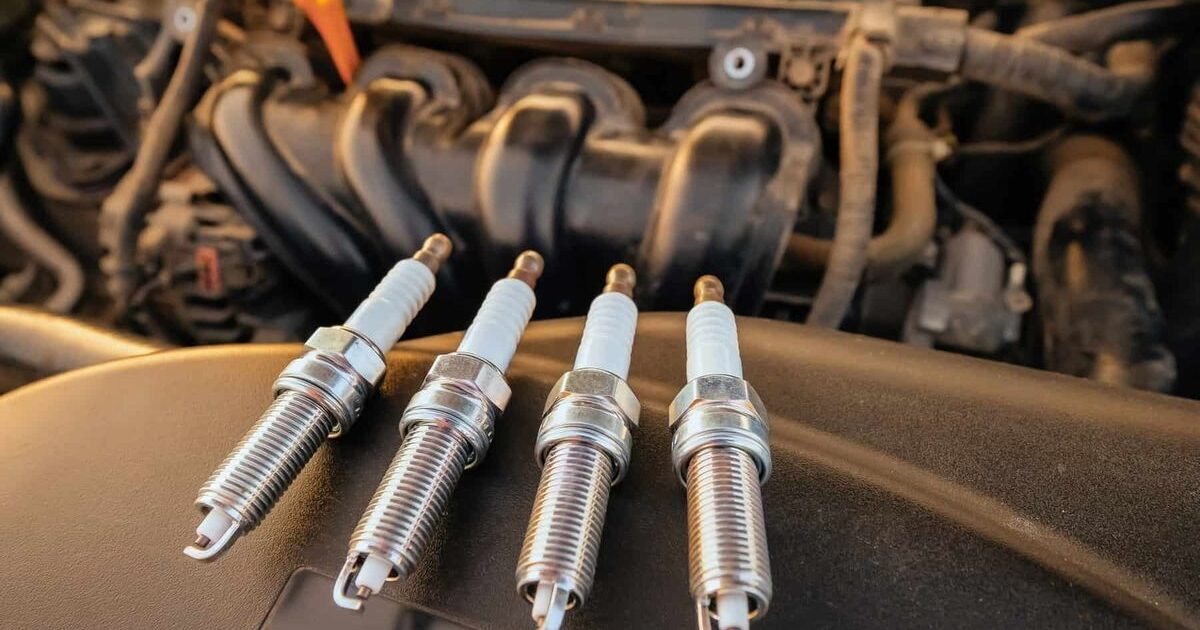
The electrode is the small metal piece where the spark jumps to ignite the fuel-air mix. When inspecting, check if the electrode is worn down or rounded off, which reduces spark efficiency.
If you notice the electrode has become thin or irregularly shaped, it’s a clear sign your spark plugs need changing. Sharp, well-defined edges mean the plug is still in good shape.
Identifying Carbon Deposits
Black, sooty carbon deposits on the spark plug tip usually point to a rich fuel mixture or weak ignition. These deposits can cause misfires and lower fuel efficiency.
Light, dry carbon buildup can sometimes be cleaned, but thick, oily layers mean the plugs should be replaced. Ask yourself: is your engine running rough or using more fuel lately?
Signs Of Overheating
Overheated spark plugs often show a white, blistered, or melted appearance on the insulator or electrode. This damage indicates excessive engine heat or incorrect spark plug heat range.
Ignoring these signs can lead to engine knocking or serious damage. If you see discoloration or cracks, it’s time to change your spark plugs and check your engine’s cooling system.
Credit: www.westsideauto.com.au
Manufacturer Recommendations
Manufacturer recommendations guide the best time to change spark plugs. They ensure your engine runs smoothly and efficiently. Following these guidelines helps avoid engine problems and saves money on repairs. Each car maker sets specific intervals based on engine design and spark plug type.
Typical Replacement Intervals
Most manufacturers suggest changing spark plugs between 30,000 and 100,000 miles. Traditional copper spark plugs usually need replacement closer to 30,000 miles. Iridium or platinum plugs last longer, often up to 100,000 miles. Regular checks help spot wear before it causes issues. Always check your owner’s manual for exact numbers.
Differences By Vehicle Type
Small cars often require spark plug changes every 30,000 to 50,000 miles. Larger vehicles or trucks may have longer intervals due to tougher engine parts. High-performance cars might need more frequent changes for optimal power. Hybrid and electric cars use spark plugs less, so intervals vary. Following your vehicle type’s guidelines keeps it running well.
Consequences Of Delayed Replacement
Delaying spark plug replacement can lead to serious problems for your vehicle. Worn spark plugs fail to ignite fuel properly. This causes various issues that affect the engine and the environment. Understanding these consequences helps in deciding the right time to change spark plugs.
Engine Damage Risks
Old spark plugs cause misfires that strain the engine. Misfires lead to uneven power delivery and rough running. Over time, this stress damages the engine components. Ignoring spark plug wear increases repair costs. Replacing spark plugs on time protects engine health and saves money.
Increased Emissions
Worn spark plugs burn fuel inefficiently. This creates more harmful gases in exhaust fumes. Increased emissions harm the environment and may fail emission tests. Clean and efficient spark plugs reduce pollution. Timely replacement keeps your vehicle eco-friendly and compliant.
Reduced Performance
Delayed replacement lowers engine power and fuel efficiency. The car may hesitate or stall during acceleration. Fuel consumption rises as the engine struggles to run smoothly. Fresh spark plugs ensure better throttle response and smoother rides. Regular changes maintain peak vehicle performance.
Choosing The Right Spark Plugs
Choosing the right spark plugs plays a big role in your vehicle’s performance and fuel efficiency. The wrong spark plugs can cause poor engine function and increase emissions. Understanding the types, materials, and compatibility will help you pick the best spark plugs for your car.
Types Of Spark Plugs
Spark plugs come in several types, each designed for different engine needs. The common types include:
- Standard Copper: Affordable and reliable but wear out faster.
- Platinum: Longer lasting and better at maintaining performance.
- Iridium: High durability and excellent spark efficiency.
- Double Platinum: Great for waste spark ignition systems.
Choosing the right type depends on your driving style and engine requirements.
Material Differences
The material of the spark plug’s electrode affects its lifespan and performance. Copper plugs have good conductivity but wear quickly. Platinum plugs last longer and resist corrosion. Iridium plugs offer the best durability and spark quality but cost more. Select a material that balances cost and durability for your needs.
Compatibility With Your Vehicle
Not all spark plugs fit every car. Check your vehicle’s manual for the recommended plug size, heat range, and gap. Using the wrong spark plug can damage your engine or reduce efficiency. Always match plugs to your car’s specifications to ensure proper engine function and safety.
Diy Vs Professional Replacement
Deciding whether to change your spark plugs yourself or hire a professional can impact your car’s performance and your budget. Doing it on your own might save money and give you a sense of accomplishment. However, some situations demand the skills and tools of an expert to avoid costly mistakes.
Tools Needed For Replacement
To replace spark plugs yourself, you’ll need a few basic tools. A spark plug socket and ratchet are essential for removing and installing plugs without damage. You might also want a gap gauge to ensure the plugs have the correct gap for your engine.
Other helpful tools include:
- Torque wrench to tighten plugs to the right specification
- Extension bar for hard-to-reach plugs
- Anti-seize lubricant to prevent plugs from sticking in the cylinder head
- Compressed air or a vacuum to clean debris around the spark plug area
Having these tools ready can make the job smoother and prevent common errors. Are you comfortable using these tools safely and effectively?
When To Seek Expert Help
If your spark plugs are hard to reach or your engine has a complex design, professional help is wise. Mechanics have experience spotting issues beyond worn plugs, like ignition system problems or engine misfires.
Also, if you notice symptoms like persistent engine knocking, poor fuel economy after a plug change, or if you lack the right tools, don’t hesitate to visit a shop. Attempting a DIY replacement without proper knowledge can lead to stripped threads or broken plugs stuck in the engine.
Think about how much your time and car’s health are worth. When was the last time you felt confident working under your hood?

Credit: beachautomotive.com
Frequently Asked Questions
How Often Should I Replace Spark Plugs?
Spark plugs typically need replacement every 30,000 to 100,000 miles. Check your vehicle’s manual for specific intervals. Regular replacement ensures optimal engine performance and fuel efficiency.
What Are Signs Of Bad Spark Plugs?
Common signs include engine misfires, poor fuel economy, rough idling, and difficulty starting. If you notice these, inspect or replace your spark plugs promptly.
Can Old Spark Plugs Damage My Engine?
Yes, worn spark plugs can cause misfires and reduce engine efficiency. Prolonged use may lead to costly engine damage. Replace them on time to avoid issues.
How Do I Know If Spark Plugs Need Changing?
Look for reduced fuel efficiency, engine hesitation, or rough idling. Visual inspection can reveal worn or fouled plugs. Regular checks help maintain engine health.
Conclusion
Changing spark plugs on time keeps your engine running smooth. Worn plugs cause poor fuel use and slow starts. Check your car’s manual to know the right change interval. Listen for rough idling or trouble starting as warning signs. Regular spark plug care saves money on bigger repairs.
Don’t wait for problems to get worse. Small steps like this keep your car healthy and reliable. Stay aware and act when needed for best performance. Simple but important for every driver.





