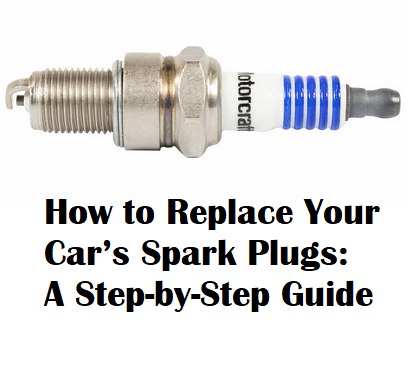
Are you wondering when it’s the right time to replace your spark plugs? You’re not alone.
Many drivers overlook this small yet crucial component of their vehicle’s engine. Spark plugs play a vital role in keeping your engine running smoothly and efficiently. Neglecting them can lead to reduced performance, lower fuel efficiency, and even costly repairs.
By understanding when to replace your spark plugs, you can save time, money, and avoid unexpected breakdowns. You’ll discover the telltale signs that it’s time for a change, ensuring your car remains in top shape. Keep reading to learn how you can keep your engine purring like a kitten.
Signs Of Worn Spark Plugs
Worn spark plugs can quietly sabotage your car’s performance without obvious warning. Spotting the signs early helps you avoid costly repairs and keeps your engine running smoothly. Recognizing these symptoms can save you time and frustration on the road.
Engine Misfires
Have you ever felt your car hesitate or jerk while driving? That’s often a clear sign of engine misfires caused by worn spark plugs. When a spark plug can’t ignite the fuel-air mixture properly, the engine stumbles, leading to rough acceleration and potential damage over time.
Poor Fuel Efficiency
Notice your fuel gauge dropping faster than usual? Worn spark plugs reduce combustion efficiency, making your engine burn more fuel than needed. This means you’re spending extra money at the pump without getting the mileage you expect.
Difficulty Starting
Does your engine struggle or take longer to start? Faulty spark plugs can make ignition tough, especially in cold weather. If you find yourself turning the key multiple times before the engine catches, it’s a strong hint your spark plugs need a check-up.
Rough Idling
When your car feels shaky or uneven while idling, worn spark plugs might be the culprit. A smooth idle requires consistent firing from each spark plug. If one or more fail to perform, you’ll notice the engine running rough and possibly hear unusual noises.

Credit: www.carsales.com.au
Manufacturer Recommendations
Manufacturers provide specific guidelines for replacing spark plugs. These recommendations help maintain engine performance and fuel efficiency. Following these guidelines prevents damage and costly repairs. Each car brand may have different advice based on engine design and spark plug type.
Mileage Intervals
Most manufacturers suggest replacing spark plugs after a certain number of miles. This range usually falls between 30,000 and 100,000 miles. The exact mileage depends on the spark plug material and vehicle model. Regular checks around these intervals keep the engine running smoothly.
Time-based Replacements
Spark plugs wear out over time, even if the car is rarely driven. Manufacturers recommend changing plugs every few years regardless of mileage. This prevents corrosion and buildup that affect ignition. Time-based replacement keeps the vehicle reliable in all conditions.
Oem Vs Aftermarket Guidelines
OEM spark plugs come with specific replacement instructions from the vehicle maker. These instructions match the engine’s needs perfectly. Aftermarket plugs may have different lifespans and requirements. Always compare guidelines and choose plugs that fit your car’s specifications.
Types Of Spark Plugs
Spark plugs are essential for your engine’s performance. Different types suit different engines and budgets. Knowing the types helps you decide the best option for your vehicle. Each type has unique features and lifespans.
Copper
Copper spark plugs are the most common and affordable. They have a solid copper core that conducts electricity well. These plugs wear out faster than others, lasting about 20,000 to 30,000 miles. They work best in older cars with simple engines.
Platinum
Platinum spark plugs last longer than copper ones. They have a platinum disc on the center electrode. This metal resists wear and heat better. They can last up to 60,000 miles. They offer better performance and fuel efficiency than copper plugs.
Iridium
Iridium spark plugs are the most durable and expensive. Iridium is a very hard metal that resists wear well. These plugs last over 100,000 miles. They provide excellent ignition and improve engine performance. Many modern cars use iridium plugs for better reliability.
Factors Affecting Spark Plug Life
Spark plugs do not wear out at the same rate in every vehicle. Several factors influence how long they last. Understanding these factors helps you know when to replace them. This knowledge protects your engine and keeps your car running smoothly.
Driving Conditions
Stop-and-go traffic causes spark plugs to wear faster. Short trips do not allow the engine to reach full temperature. This leads to carbon buildup on the plugs. Dusty or dirty roads can also affect spark plug life. Harsh driving, such as towing or high speeds, stresses the plugs more.
Engine Type
Different engines use different spark plugs. High-performance engines often require plugs that wear out quicker. Older engines may use plugs with a shorter lifespan. Some engines run hotter, which can reduce plug life. The design and size of the engine affect how fast plugs degrade.
Fuel Quality
Low-quality fuel creates deposits on spark plugs. These deposits reduce the plug’s efficiency. Fuel with impurities causes more wear and tear. Using cleaner fuel helps spark plugs last longer. Regular fuel system cleaning also improves spark plug life.
Checking Spark Plug Condition
Checking the condition of your spark plugs helps maintain engine performance. Worn or damaged spark plugs reduce fuel efficiency and cause engine misfires. Regular inspection can prevent costly repairs and keep your vehicle running smoothly. Use simple tools and clear signs to assess spark plug health.
Visual Inspection
Remove the spark plug from the engine carefully. Look for signs like:
- Black soot or carbon deposits on the electrode
- Cracks or chips on the ceramic insulator
- Corrosion or rust on the metal parts
- Worn or rounded electrodes
- Oil or fuel fouling on the plug surface
These signs indicate the spark plug needs cleaning or replacement.
Using A Spark Plug Tester
A spark plug tester checks if the plug creates a spark. Connect the plug to the tester and crank the engine. Observe the spark inside the tester. A strong, blue spark means the plug works well. A weak or no spark means the plug is faulty and should be replaced.
Gap Measurement
The spark plug gap affects engine ignition. Use a feeler gauge to measure the gap between the center and ground electrode. Compare the gap with the vehicle’s manual specifications. A gap too wide or narrow causes misfires and poor fuel economy. Adjust or replace the plug to maintain the correct gap.
Replacing Spark Plugs Step-by-step
Replacing spark plugs can seem tricky if you haven’t done it before, but breaking it down into clear steps makes it manageable. Knowing exactly what tools you need, how to safely remove the old plugs, and how to install new ones properly will save you time and avoid damage. Paying attention to torque specifications ensures your engine runs smoothly without risking stripped threads or loose connections.
Tools Needed
Before you start, gather all necessary tools to avoid interruptions. You’ll need:
- Spark plug socket:Usually 5/8” or 13/16”, depending on your vehicle.
- Ratchet wrench:To fit the spark plug socket.
- Extension bar:Helps reach deep plugs.
- Torque wrench:Ensures correct tightness.
- Gap gauge:To check the spark plug gap if needed.
- Anti-seize compound (optional):Prevents plugs from sticking.
Having these ready keeps the process smooth and efficient.
Removal Process
Start with a cool engine to prevent burns or damage. Locate the spark plugs by following the ignition wires or coil packs.
Carefully disconnect the ignition coils or wires by pulling on the boot, not the wire itself. Use your ratchet and extension with the spark plug socket to loosen each plug by turning counterclockwise.
Remove the spark plugs gently; rough handling can damage the threads or break the plug. Have you noticed your engine misfires or struggles to start? This step reveals if old plugs are the culprit.
Installation Tips
Check the new plugs’ gap with your gauge and adjust it to your vehicle’s specifications if necessary. Apply a small amount of anti-seize on the threads if recommended by the manufacturer.
Start threading each plug by hand to avoid cross-threading, which can cause costly damage. Once hand-tight, use your ratchet to snug them up—never force the socket.
Reattach the ignition coils or wires firmly to ensure a secure connection. A loose connection can cause engine misfires or poor performance.
Torque Specifications
Using a torque wrench is crucial to tighten spark plugs to the exact specification. Too tight, and you risk stripping the threads; too loose, and plugs can vibrate loose or cause poor sealing.
| Type of Spark Plug | Torque Range (ft-lbs) |
|---|---|
| Standard Copper | 15 – 20 |
| Platinum | 10 – 15 |
| Iridium | 12 – 18 |
Check your vehicle manual for exact specs. Have you ever tightened a spark plug and wondered if it was enough? This step removes all doubt.
Maintenance Tips To Extend Spark Plug Life
Proper maintenance can help your spark plugs last longer. Taking good care of them improves your engine’s performance. It also saves money on repairs and replacements. Follow these simple tips to keep spark plugs in good shape.
Regular Engine Tune-ups
Engine tune-ups keep spark plugs working well. During a tune-up, mechanics check the ignition system and engine parts. They clean or replace spark plugs if needed. Regular tune-ups prevent buildup that can damage spark plugs. This helps maintain smooth engine running and fuel efficiency.
Fuel Additives
Fuel additives clean the fuel system and spark plugs. They remove deposits that cause misfires and poor engine performance. Using fuel additives occasionally keeps spark plugs free from dirt. Choose additives designed to improve combustion and reduce carbon build-up. This simple step supports longer spark plug life.
Avoiding Engine Overheating
Overheating damages spark plugs and other engine parts. High temperatures wear out spark plug electrodes quickly. Prevent overheating by checking coolant levels and radiator function. Avoid heavy loads and stop-and-go traffic for long periods. Cooling the engine protects spark plugs and extends their lifespan.
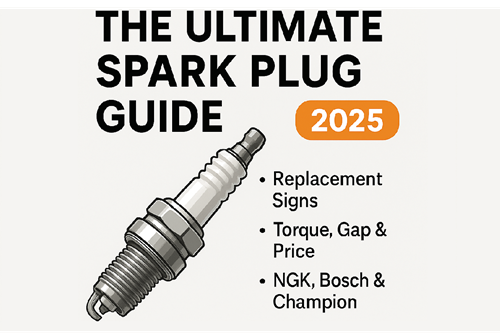
Credit: modernautoparts.co.za
When To Consult A Mechanic
Knowing when to consult a mechanic about your spark plugs can save you time, money, and prevent bigger engine problems. Some issues are easy to spot, while others require a trained eye. If you notice anything unusual, don’t ignore it—getting professional advice might be the best step.
Persistent Engine Issues
If your engine keeps misfiring, stalling, or hesitating despite replacing spark plugs, it’s time to see a mechanic. These problems might signal deeper issues beyond just worn spark plugs. You might feel frustrated trying to fix these symptoms on your own, but a mechanic can diagnose if the problem lies in the ignition system, fuel delivery, or even engine compression.
Unusual Spark Plug Wear
When inspecting your spark plugs, look for signs like excessive carbon buildup, oil fouling, or unusual electrode wear. These can point to problems like oil leaks or improper fuel mixtures. If you spot these signs, a mechanic can investigate further to prevent damage to other engine parts.
Complex Engine Systems
Modern vehicles often have complex ignition and engine management systems. If your car uses iridium or platinum spark plugs or has a coil-on-plug setup, replacing spark plugs yourself can be tricky. Consulting a mechanic ensures the right tools and techniques are used, reducing the risk of damage and ensuring optimal engine performance.

Credit: www.youtube.com
Frequently Asked Questions
When Should Spark Plugs Be Replaced?
Spark plugs should be replaced every 30,000 to 100,000 miles. Check your vehicle’s manual for specific intervals. Worn plugs cause misfires, poor fuel economy, and rough idling.
What Are Signs Of Bad Spark Plugs?
Signs include engine misfires, difficulty starting, poor acceleration, and reduced fuel efficiency. If your car hesitates or stalls, inspect the spark plugs promptly.
Can I Replace Spark Plugs Myself?
Yes, you can replace spark plugs yourself with basic tools. Ensure the engine is cool and use the correct spark plug type for your vehicle.
How Do Spark Plugs Affect Engine Performance?
Spark plugs ignite the air-fuel mixture in the engine. Worn plugs reduce power, increase emissions, and lower fuel efficiency. Timely replacement maintains smooth engine performance.
Conclusion
Spark plugs play a key role in your car’s engine. They wear out over time and need replacing. Check your car’s manual for the right interval. Signs like rough idling or poor fuel economy show it’s time. Regular replacement keeps your engine running smooth and saves money.
Don’t wait until problems start. Take care of spark plugs to avoid bigger repairs. Simple steps help maintain your car’s health. Keep an eye on spark plug condition to drive safely.





