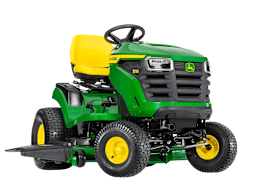
If you're tired of pushing a heavy mower across a sprawling yard, a riding lawn mower can feel like a luxury you can finally justify. But these machines are a serious investment — often costing anywhere from $1,800 for a basic lawn tractor to over $6,000 for a premium zero-turn model. That's exactly why timing your purchase matters just as much as choosing the right brand.
The good news? Riding lawn mowers follow predictable seasonal and holiday sales cycles. With a little planning, you can save 20–40% off retail price, lock in zero-interest financing, or grab a previous year's model with the same warranty at a fraction of the cost. For more on this, see our guide on best gas lawn mower for large yard.
This guide breaks down when riding lawn mowers go on sale, where to find the best deals, and how to negotiate like a pro — so you can get the machine you want without blowing your budget.
Why Timing Your Mower Purchase Matters
Lawn mower pricing isn't random. Retailers and manufacturers follow a rhythm tied to the growing season, inventory turnover, and model-year refreshes. Understanding this cycle means you're not just hoping for a discount — you're strategically planning around a market that's already working in your favor. For more on this, see our guide on best mower small lawn safe operation.
Buying at the wrong time can cost you hundreds, sometimes thousands, of dollars. Buying at the right time, however, can get you a high-end mower for what a mid-range model would normally cost. This isn't just about saving money — it's about getting more machine for your dollar, whether that means a larger deck, a stronger engine, or a smoother ride.
Seasonal Sales Calendar: When to Buy and When to Wait
Every season offers different opportunities. Here's what happens throughout the year and what it means for your wallet.
Spring Promotions (March–May)
Spring is when demand spikes. Homeowners are prepping their lawns, and retailers know they can move inventory fast. That doesn't mean you can't find deals — but it does mean discounts may be shallower than other times of year. For more on this, see our guide on best rear engine riding mower.
Still, spring offers advantages:
- New model inventory arrives, which pushes previous-year models down in price.
- Bundle deals often include free attachments like baggers or mulching kits.
- Special financing promotions (like 0% APR for 36 months) appear frequently.
- Trade-in events let you upgrade your old mower for credit toward a new one.
If you need a mower right now and want the latest features, spring is a reasonable time to buy. Just don't expect the rock-bottom prices of fall.
Summer Discounts (June–July)
Summer sales can surprise you, especially around patriotic holidays. Dealers want to compete with online sellers and keep inventory moving mid-season. Popular models can sell out quickly, though — so if you see a good price in June, don't wait too long to decide. For more on this, see our guide on honda vs john deere riding mower.
Summer is also when manufacturer rebates tend to stack with store discounts. A $300 mail-in rebate on top of a $200 store discount can add up to serious savings.
Fall Clearance Events (August–October)
This is the golden window for buyers. As the mowing season winds down in most regions, dealers are eager to clear floor space for next year's inventory. You'll find:
- Previous-year models at 20–40% off original MSRP.
- Floor models and demos discounted even further (as long as you check their condition carefully).
- End-of-season bundles with free attachments or extended warranties.
The one risk? Selection shrinks as the season progresses. The best deals go fast, so if you find something you like in late August or early September, grab it. For more on this, see our guide on best lawn mower for medium yard.
Winter Deals (November–February)
Winter is the off-season for lawn equipment, which works in your favor. Retailers who still have mowers in stock often want them gone. Prices can be the lowest of the year, and you'll have far less competition.
The flip side: you'll need storage space for a machine you won't use for several months. Also, some dealers reduce their inventory significantly going into winter, so availability can be hit-or-miss.
If you have a dry shed or garage and don't mind waiting until spring to use your purchase, winter buying can save you the most money.
Holiday Sales: Mark Your Calendar
Holiday weekends bring massive promotions across lawn equipment. These are the days when retailers pull out all the stops to attract buyers.
Black Friday (Late November)
Black Friday is traditionally one of the best times to buy a riding mower — online and in stores. You'll often see:
- 20–40% off high-end models.
- Bundle deals that include accessories like mulching kits, baggers, or covers.
- Extended warranties at no additional cost.
- Free delivery or curbside assistance.
While winter might not be mowing season, Black Friday deals are so aggressive that many buyers choose to store their new mower for a few months.
Memorial Day (Late May)
Memorial Day is a prime time for outdoor equipment sales. Retailers want to clear inventory before the summer rush, so you can often find previous-year models at strong discounts. Financing offers are also common, making this a good time to buy if you want to spread payments out over the summer.
Fourth of July
Patriotic sales often include lawn mowers, though discounts may not be as deep as Black Friday. Look for:
- Manufacturer rebates that stack with store discounts.
- Combo offers that include safety gear, maintenance kits, or cleaning supplies.
- Limited-time rebates that expire quickly — so act fast.
Labor Day (Early September)
Labor Day signals the end of summer, and many retailers offer deep discounts to make room for fall merchandise. It's also the start of the end-of-season clearance window. Watch for:
- Free delivery offers, which can save you a significant amount on a heavy, bulky item.
- Demo models at extra discount — just check hour usage before buying.
Where to Find the Best Deals
You don't have to rely on one store to find a good price. Knowing where to look increases your odds of scoring genuine savings.
Local Dealers
Independent dealers often have more flexibility with pricing than big-box stores. Benefits include:
- In-person support and the ability to test-drive before you buy.
- Negotiation opportunities — dealers can often adjust prices to match competitors.
- Service packages that include first-year maintenance or free delivery.
- Trade-in programs that put money back in your pocket.
Online Retailers
Websites offer convenience and often, the widest selection. You can compare prices instantly, read verified customer reviews, and spot flash deals as soon as they launch. Many online retailers offer free shipping or discounted local pickup.
Just remember: some online prices include delivery in the sticker price, while others add it at checkout. Always calculate the total cost before committing.
Manufacturer Websites
Buying directly from a manufacturer like Toro, John Deere, or Husqvarna can give you the clearest view of:
- Current promotions and rebates.
- Authorized dealer locations near you.
- Warranty details straight from the source.
Many manufacturers also let you sign up for email alerts, giving you early access to seasonal sales.
Big-Box Retailers (Lowes, Home Depot, Tractor Supply)
Large chains run frequent promotions, especially on holiday weekends. You'll find popular brands and models in stock, plus convenient return policies. During spring and fall clearance events, big-box stores often discount riding mowers substantially to make room for new inventory.
5 Factors That Affect Mower Prices
Understanding what drives price changes gives you an edge when shopping.
1. Model Year Rollovers
When a new model year arrives, older versions typically drop in price. A mower that was $3,000 in May might be $2,400 in October simply because it's now "last year's model."
2. Inventory Overload
Retailers pay to store equipment, so they're motivated to sell. When a store has more mowers than it's selling, you'll see price cuts. This is particularly common after a slow spring.
3. New Model Launches
Manufacturers want to showcase their newest features, which puts pressure on prices for older versions. If you don't need the latest bells and whistles, you can often snag a reliable mower with fewer features at a significant discount.
4. End-of-Season Clearance
This is the most predictable factor. As mowing season ends, clearance events become aggressive. Retailers discount to avoid storing equipment through winter.
5. Economic Conditions
Like all products, mower prices are influenced by supply chains, fuel costs, and demand. In years with higher material costs or transportation expenses, you may see fewer or shallower discounts. This is another reason to buy during known sale windows rather than waiting on a whim.
Proven Strategies to Get the Best Price
Beyond timing, there are active steps you can take to lower your final cost.
Use Price-Tracking Tools
Services like Google Shopping and browser extensions can track price history on mowers. Setting an alert for a specific model will notify you the moment the price drops — no refreshing pages needed.
Negotiate Like a Pro
Many buyers don't realize mower prices are negotiable, especially at local dealerships. Try these tactics:
- Mention competitor pricing — ask if they can match it.
- Ask about accessories — retailers often throw in free attachments to sweeten a deal.
- Inquire about display models — these are often discounted significantly, even if they look new.
- Ask "is that the best price you can offer?" — sometimes, that's all it takes.
Stack Coupons and Rebates
A manufacturer rebate of $300 combined with a store coupon of $150 can reduce your mower's cost by nearly 15%. Always check:
- The manufacturer's website for current rebate offers.
- Store circulars and email newsletters for promo codes.
- Mail-in rebate forms — and submit them promptly while deadlines are still active.
Consider Financing Wisely
Zero-interest financing can make an expensive mower manageable. But read the fine print:
- Promotional APR usually jumps after the promotional period ends.
- Some deals require a minimum credit score.
- Missing a payment can void the 0% offer entirely.
If you can pay cash, you may also negotiate a discount — retailers often save on credit card processing fees and are happy to pass some of that saving along.
Popular Brands and Their Sale Patterns
Each major brand has its own pricing rhythm. Knowing these patterns helps you shop with confidence.
John Deere
John Deere typically sees strong discounts during late summer and early fall, when dealers clear stock. Memorial Day and Black Friday also bring significant savings. If you're flexible, consider a previous-year model — John Deere's lineup changes are often minimal between years, and the savings can be substantial.
Cub Cadet
Cub Cadet runs promotions in both spring (to attract early-season buyers) and late fall (to clear inventory). Sales are common on their website, and authorized dealers often price-match large online retailers. Keep an eye out for cash-back offers that stack with store discounts.
Husqvarna
Husqvarna discounts heavily during end-of-season sales in late fall. They're also active participants in Black Friday events, with package deals that include mulching kits or baggers. Mid-summer promotions pop up occasionally but are less predictable.
Toro
Toro typically runs sales in spring and around Labor Day. Financing offers are common with their promotions, so ask about 0% APR plans if you want to spread payments without paying interest.
Frequently Asked Questions
When is the best time to buy a riding lawn mower?
The best time is late summer through early fall (August–October), when retailers clear inventory to make room for winter stock. Holiday sales like Labor Day and Black Friday also offer significant savings, with discounts often ranging from 15% to 40%.
Do riding lawn mowers go on sale during holidays?
Yes. Labor Day, Memorial Day, Fourth of July, and Black Friday are all major sale events for outdoor equipment. Holiday sales often include financing promotions and bundle deals that add value beyond the sticker price.
How many times a year do riding lawn mowers go on sale?
Most retailers and manufacturers offer genuine sales 3–4 times per year — spring promotions, summer clearance events, fall end-of-season sales, and Black Friday. Some brands add winter deals to clear remaining stock.
Are end-of-season sales worth it?
Absolutely. End-of-season sales are the most reliable way to save 20–40% off retail. The only downside is that selection can be limited, and popular models may sell out quickly. If you find a good deal, act fast.
Should I buy a previous-year model?
If you're not obsessed with having the latest features, yes. Previous-year models are often identical aside from minor style or color changes, but they can be significantly cheaper. Just confirm the warranty is still full-length, which it typically is.
Conclusion
Riding lawn mowers go on sale at predictable times throughout the year, and knowing when to buy can save you hundreds — or even thousands — of dollars. The best strategy is to shop after the peak mowing season, during fall clearance events, or during major holidays like Labor Day and Black Friday.
Before you buy, compare prices across local dealers, online retailers, and manufacturer sites. Ask about bundles, rebates, and financing. And if you can wait to use your mower until spring, a winter purchase could get you the lowest price of the year.
Patience pays off. With the right timing and a solid negotiation strategy, you can drive your new mower home knowing you got a true deal — and enjoy a perfectly manicured lawn all season long.





