Have you ever wondered if your car’s spark plugs need changing? Ignoring worn-out spark plugs can lead to poor engine performance, lower fuel efficiency, and even costly repairs.
But how do you know exactly when it’s time to replace them? You’ll discover the clear signs to watch for and simple tips to keep your engine running smoothly. Keep reading—you’ll learn exactly what your car needs to stay in top shape and avoid unexpected breakdowns.
Role Of Spark Plugs
Spark plugs play a vital role in the functioning of your car’s engine. They create the spark that ignites the fuel-air mixture inside the engine cylinders. This spark starts the engine and keeps it running smoothly. Without healthy spark plugs, the engine may run rough or fail to start. Understanding their role helps explain why regular replacement matters.
How Spark Plugs Work
Spark plugs generate a small electrical spark in the engine’s combustion chamber. This spark ignites the fuel and air mixture. The ignition causes a controlled explosion that powers the engine.
The spark plug has two main parts: the center electrode and the ground electrode. Electricity jumps between these electrodes, creating the spark. The timing and strength of the spark affect engine efficiency.
Impact On Engine Performance
Worn or dirty spark plugs can cause weak or inconsistent sparks. This leads to poor engine performance, such as:
- Hard starts
- Reduced fuel efficiency
- Engine misfires
- Loss of power
- Increased emissions
Replacing spark plugs on time ensures smooth running and better fuel economy. It keeps your engine reliable and clean.
Common Signs Of Worn Spark Plugs
Worn spark plugs can cause many car problems. They affect engine performance and fuel use. Knowing the signs helps you avoid bigger issues. Watch for these common signals that your spark plugs need changing.
Engine Misfires And Rough Idling
Worn spark plugs often cause engine misfires. The engine may run unevenly or jerk during driving. Rough idling means the car shakes or vibrates when stopped. These issues show the spark plugs are not firing properly.
Difficulty Starting The Engine
Hard starts can point to bad spark plugs. The engine takes longer to turn over or fails to start. This happens because old spark plugs struggle to create the spark needed for ignition.
Reduced Fuel Efficiency
Fuel consumption rises when spark plugs wear out. Poor sparks cause incomplete fuel burning. You may notice more trips to the gas station than usual. This is a clear sign to check your spark plugs.
Loss Of Power And Acceleration
Your car may feel sluggish or slow to accelerate. Worn spark plugs reduce engine power output. This affects your ability to speed up or climb hills smoothly.
Unusual Engine Noises
Listen for knocking or pinging sounds from the engine. Strange noises can mean spark plugs are failing. These sounds happen because the fuel-air mix ignites unevenly inside the cylinders.
Visual Inspection Clues
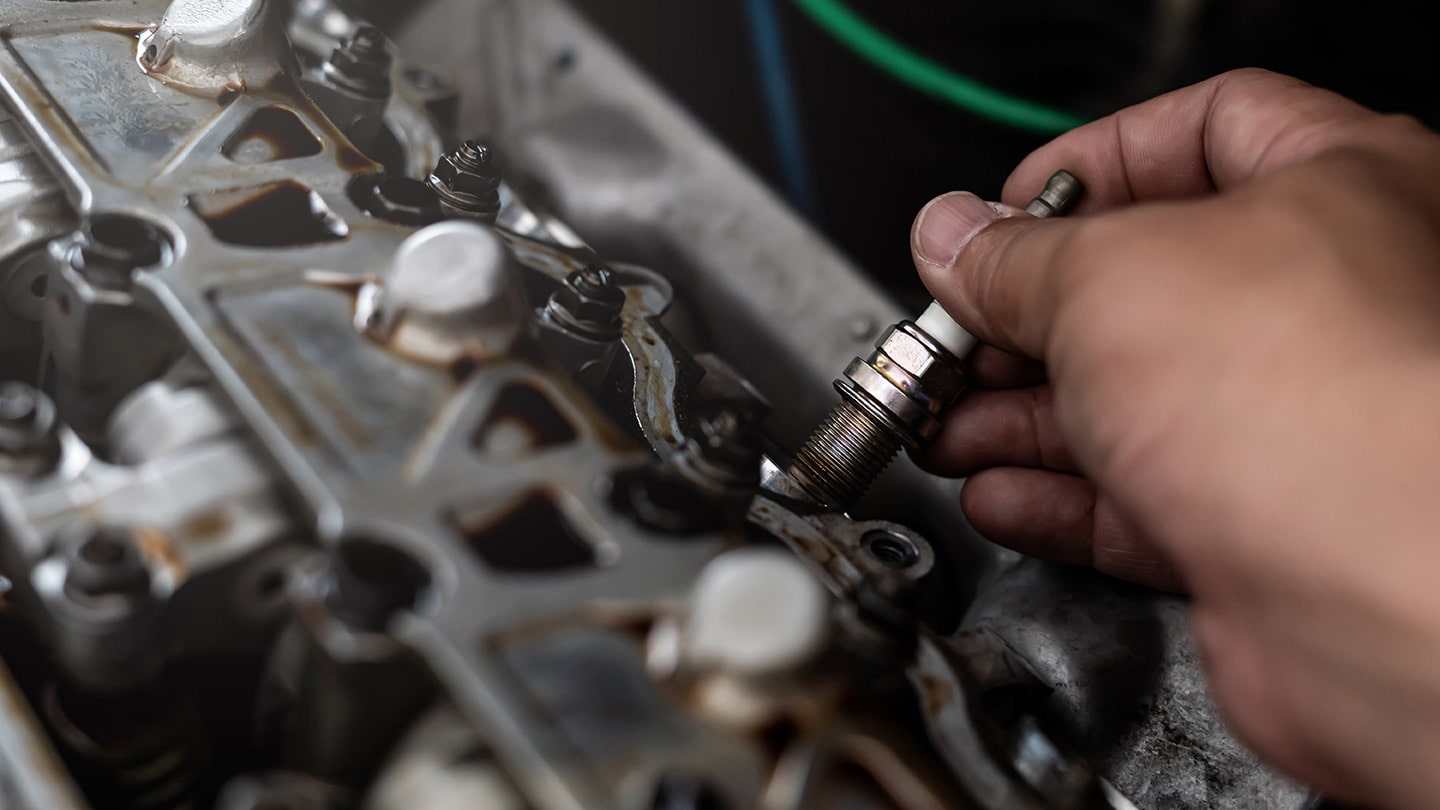
Visual inspection of spark plugs can tell you a lot about their condition and whether it’s time to replace them. By simply removing the spark plug and looking closely, you can spot clues that hint at underlying issues with your engine. Paying attention to these signs can save you from costly repairs and keep your car running smoothly.
Carbon Deposits And Fouling
Thick black soot on the spark plug’s tip often means carbon fouling. This happens when the air-fuel mixture is too rich or when the engine runs too cool. If you notice this, ask yourself: Are you using the right fuel or is your engine idling too long?
Carbon fouling can cause misfires and poor fuel economy. Cleaning won’t always fix it, so replacement is usually the best choice. Keeping your fuel system in check helps prevent this issue.
Worn Or Damaged Electrodes
The electrodes on your spark plug wear down over time. Rounded or eroded electrodes can’t create a strong spark, leading to rough engine performance. Have you ever felt your car hesitate or jerk during acceleration? This might be why.
Look closely at the metal parts of the plug. If they appear worn, cracked, or chipped, it’s a clear sign to swap them out. Don’t wait for a complete failure—early replacement keeps your engine firing efficiently.
Oil Or Fuel Contamination
If the spark plug is wet or oily, it’s a clue that oil or fuel is leaking into the combustion chamber. This contamination disrupts the spark and causes misfires. Notice a smoky exhaust or a drop in power? These symptoms often go hand in hand with contaminated plugs.
Such contamination signals deeper engine problems, like worn piston rings or valve seals. Simply replacing the spark plug won’t fix the root cause, but spotting this early can save you from bigger repairs later.
Credit: www.chase.com
Recommended Replacement Intervals
Knowing the right time to change spark plugs keeps your engine running well. Recommended replacement intervals depend on several factors. These include your car’s make, driving habits, and the type of spark plugs used. Understanding these helps avoid engine problems and saves money on repairs.
Manufacturer Guidelines
Car makers provide specific advice on spark plug replacement. This info is in the owner’s manual or service guide. Most suggest changing spark plugs every 30,000 to 100,000 miles. The exact number varies by vehicle model and engine type. Following these guidelines helps maintain engine efficiency and fuel economy.
Effects Of Driving Conditions
Driving style and environment affect spark plug life. Short trips, stop-and-go traffic, and dusty roads wear plugs faster. High speeds and heavy loads also increase stress on spark plugs. In such cases, check spark plugs more often. Replacing them earlier can prevent engine misfires and poor performance.
Using High-performance Spark Plugs
High-performance spark plugs last longer but need special care. They often use materials like iridium or platinum. These plugs can go beyond 100,000 miles before replacement. Still, regular inspection is important. Proper maintenance ensures they deliver maximum power and efficiency.
Consequences Of Delaying Replacement
Delaying the replacement of your spark plugs might seem harmless at first, but it can lead to serious issues that affect your car’s performance and your wallet. Ignoring this maintenance task can cause problems that escalate quickly, turning a simple fix into a costly repair. Understanding the risks can help you decide when it’s time to take action.
Engine Damage Risks
Worn spark plugs cause your engine to misfire, which puts extra strain on engine components. Over time, this can lead to damage in the pistons, cylinders, and even the catalytic converter. Have you noticed rough idling or difficulty starting your car? These signs might be hinting at spark plug issues that, if ignored, could cause permanent engine damage.
Increased Emissions
Old spark plugs don’t burn fuel efficiently, leading to incomplete combustion. This inefficiency raises the level of harmful emissions your car produces. If you care about reducing your environmental footprint or need to pass an emissions test, delaying spark plug replacement could work against you.
Higher Repair Costs
Neglecting spark plug maintenance can turn minor problems into major repairs. A simple spark plug swap is inexpensive, but fixing engine damage or emission system repairs can cost hundreds or even thousands of dollars. Would you rather spend a small amount now or face a hefty repair bill later?
Credit: www.terrylabontechevy.com
Diy Replacement Tips
Changing spark plugs by yourself saves money and builds car knowledge. It is a simple task with the right tools and instructions. This guide helps you replace spark plugs safely and correctly. Follow each step carefully to keep your car running smoothly.
Tools Needed
- Spark plug socket wrench
- Ratchet and extension bar
- Torque wrench
- Gap gauge
- Dielectric grease
- Compressed air or a clean cloth
- Protective gloves
- Safety glasses
Step-by-step Replacement Process
- Make sure the engine is cool to avoid burns.
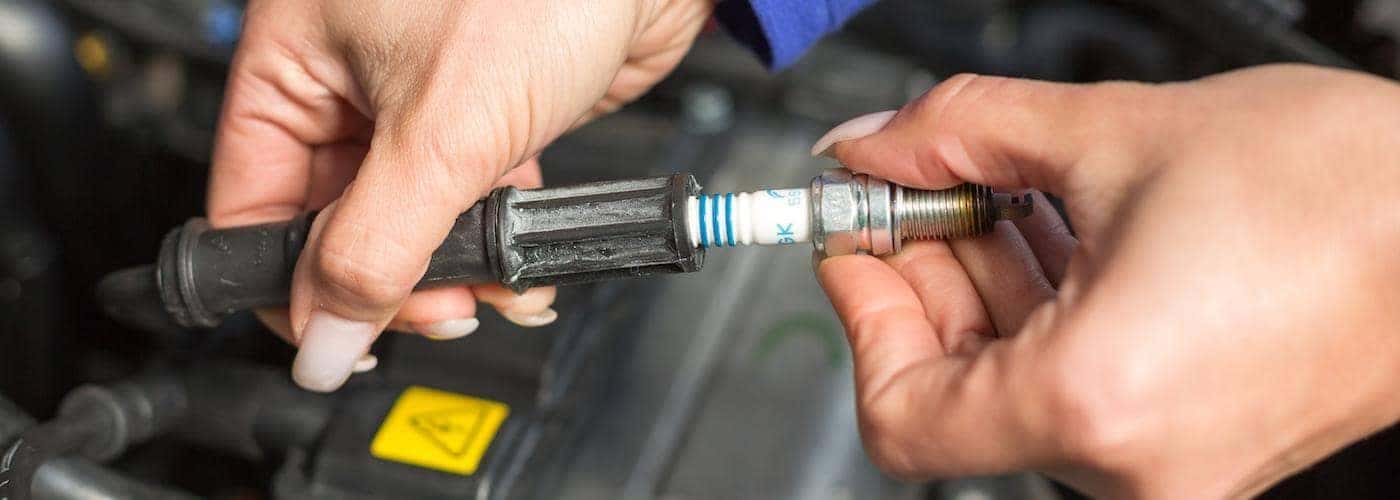
- Remove the ignition coil or spark plug wire carefully.
- Use compressed air or a cloth to clean around the spark plug.
- Insert the spark plug socket with a ratchet and turn counterclockwise to remove.
- Check and adjust the gap of the new spark plug with a gap gauge.
- Apply a small amount of dielectric grease to the spark plug boot.
- Thread the new spark plug by hand to avoid cross-threading.
- Tighten the spark plug with a torque wrench to the correct specification.
- Reinstall the ignition coil or spark plug wire securely.
Safety Precautions
- Work in a well-ventilated area to avoid inhaling fumes.
- Wear gloves and safety glasses to protect skin and eyes.
- Ensure the engine is off and cool before starting the work.
- Keep tools and parts organized to prevent accidents.
- Do not force parts; use proper tools to avoid damage.
When To Seek Professional Help
Knowing when to seek professional help with your spark plugs can save you time, money, and frustration. Some signs and situations require more than just a DIY approach. Understanding these can ensure your engine stays in top shape without risking further damage.
Complex Engine Issues
If your engine is misfiring or running roughly after changing spark plugs, it might be more than just worn plugs. Complex engine problems like ignition coil failures or fuel system issues can mimic spark plug symptoms.
Attempting to fix these without proper knowledge can lead to costly repairs. Have a mechanic check if your engine struggles beyond spark plug replacement.
Diagnostic Testing
Modern cars often need electronic diagnostic tools to pinpoint spark plug problems accurately. If your check engine light is on, a professional can run tests to find the exact cause.
These diagnostics help avoid replacing parts blindly and ensure the right fix. Do you know how to read your car’s error codes, or is it time to visit a shop?
Warranty Considerations
If your vehicle is under warranty, unauthorized spark plug changes might void coverage. Professionals know the correct procedures and parts to keep your warranty intact.
Consult your dealership or authorized service center to protect your investment. Have you checked what your warranty covers regarding maintenance?

Credit: www.reddit.com
Frequently Asked Questions
When Should Spark Plugs Be Replaced?
Spark plugs typically need replacement every 30,000 to 100,000 miles. Check your vehicle’s manual for specific intervals. Signs like rough idling or poor fuel economy also indicate it’s time to change them.
What Are The Signs Of Bad Spark Plugs?
Bad spark plugs cause engine misfires, rough idling, and difficulty starting. You may notice reduced fuel efficiency and engine hesitation during acceleration. These symptoms suggest it’s time to inspect and possibly replace spark plugs.
How Do Worn Spark Plugs Affect Performance?
Worn spark plugs reduce engine power and fuel efficiency. They cause incomplete combustion, leading to rough idling and increased emissions. Replacing spark plugs restores smooth engine operation and improves overall vehicle performance.
Can Old Spark Plugs Damage The Engine?
Yes, old spark plugs can cause engine misfires and damage catalytic converters. This leads to costly repairs and reduced engine lifespan. Timely replacement helps maintain engine health and prevents damage.
Conclusion
Regular spark plug checks keep your car running smoothly. Changing spark plugs at the right time boosts engine performance. Look for signs like rough idling or poor fuel economy. These can indicate a spark plug issue. Consult your car’s manual for specific recommendations.
Don’t ignore warning signs. Timely replacement prevents bigger problems. Maintain your car’s health for a better driving experience. Regular maintenance saves money in the long run. Keep your vehicle in top shape. Enjoy a smooth ride every time. Regular care ensures your engine’s longevity.
Pay attention to your car’s needs. It pays off.