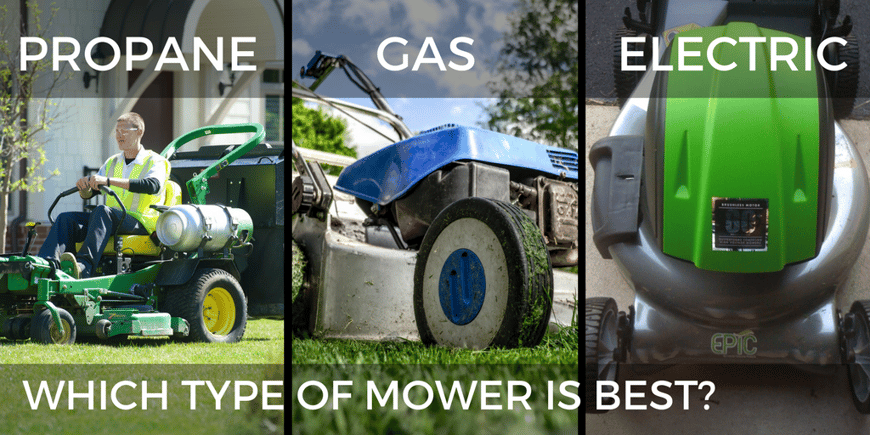
Imagine this: it’s a bright Saturday morning, the sun is shining, and you’re ready to tackle your lawn mowing chores. But wait—what’s the best gas to keep your lawn mower running smoothly?
The answer might surprise you. Choosing the right fuel is crucial not just for the performance of your mower, but also for its longevity. Are you using the right type of gas, or could you be making a costly mistake?
We’ll break down everything you need to know about selecting the best gas for your lawn mower. You’ll discover how the right choice can save you time, money, and a lot of frustration. So, if you’re ready to unleash the full potential of your lawn mower, keep reading!
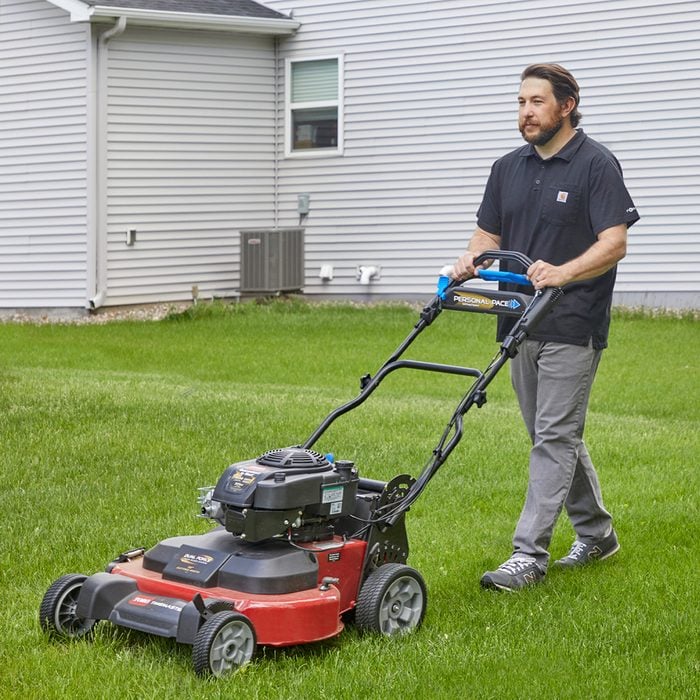
Credit: www.familyhandyman.com
Types Of Gas For Lawn Mowers
Choosing the right type of gas for your lawn mower can make a big difference in performance and engine health. Different fuels have unique properties that affect how your mower runs and how long it lasts. Understanding the main types of gas available will help you make a better choice for your equipment and lawn care routine.
Regular Unleaded Gas
Regular unleaded gas is the most common fuel for lawn mowers. It usually has an octane rating around 87, which is sufficient for most small engines. Using this type of gas is convenient and cost-effective, but make sure it’s fresh to avoid starting problems or engine damage.
If you’ve ever stored gas for months only to find your mower struggles to start, you know why freshness matters. Always use gas that’s less than 30 days old or add a stabilizer if you plan to store it longer.
Premium Gasoline
Premium gasoline has a higher octane rating, typically 91 or above. Some people think it will boost mower performance, but most small engines don’t require premium gas. Using premium gas when your mower doesn’t need it usually won’t improve power or fuel efficiency, so it might just be an unnecessary expense.
Check your mower’s manual to see if premium gas is recommended. If it’s not, save your money and stick with regular unleaded.
Ethanol-blended Fuels
Many gas stations sell ethanol-blended fuels, often labeled as E10 (10% ethanol). While ethanol helps reduce emissions, it can attract moisture and cause corrosion inside small engines. This can lead to clogged carburetors and poor performance over time.
If you use ethanol-blended fuel, consider adding a fuel stabilizer and running the mower dry before storing it for a season. Some small engines are designed to handle ethanol blends better, so check your mower’s specifications carefully.
Gasoline With Additives
Gasoline with additives can offer benefits like improved engine cleanliness and reduced carbon buildup. Additives may also help prevent fuel degradation during storage. Many fuel brands include detergents and stabilizers that keep your mower running smoothly longer.
You can also purchase fuel additives separately to mix with your gas. This can be especially helpful if you use ethanol blends or store your mower for extended periods. Have you tried additives before? They might be worth testing to see if your mower runs better or lasts longer.

Credit: www.youtube.com
Gas Recommendations By Engine Type
Choosing the right gas for your lawn mower depends heavily on the type of engine it uses. Each engine type has specific fuel needs that affect performance and longevity. Understanding these requirements helps you avoid damage and keeps your mower running smoothly.
2-stroke Engines
2-stroke engines require a mix of gasoline and oil to operate correctly. Using straight gasoline can cause serious engine damage because these engines rely on oil mixed in the fuel for lubrication.
A common recommendation is a 50:1 gasoline-to-oil ratio, but always check your mower’s manual for the exact mix. Using fresh, unleaded gasoline with an octane rating of 87 or higher is best to prevent knocking and maintain engine health.
Have you ever noticed a smoky exhaust from your 2-stroke mower? That often signals the oil mix isn’t right or the fuel is old. Keeping fuel fresh and properly mixed is key to avoiding this issue.
4-stroke Engines
4-stroke engines run on straight gasoline and have a separate compartment for oil. This means you don’t need to mix oil with the gas, which simplifies fueling.
Use fresh, unleaded gasoline with an octane rating of 87 or above for optimal performance. Avoid using gasoline with more than 10% ethanol, as higher ethanol levels can cause engine problems like corrosion and poor starting.
Many people overlook ethanol content, but it can seriously impact your mower’s reliability. If your mower sits unused for long periods, consider using a fuel stabilizer to keep the gas fresh.
Electric And Hybrid Options
Electric and hybrid mowers don’t use gasoline, but understanding their fuel alternatives is important. Electric mowers run on rechargeable batteries, making them quieter and easier to maintain.
Hybrid mowers combine gas and electric power, giving you flexibility and extended runtime. If you own a hybrid, always use the recommended gasoline type for the internal combustion engine part—usually the same as a 4-stroke engine.
Switching to electric or hybrid might save you the hassle of dealing with gas altogether. Have you considered how much time and effort you could save by going electric?
Impact Of Gas Quality On Performance
Gas quality plays a crucial role in how well your lawn mower performs. Using the right fuel can save you time, money, and frustration. Low-quality or old gas can cause issues that affect everything from fuel efficiency to engine power and starting reliability.
Fuel Efficiency
Good quality gas helps your mower run smoothly and burn fuel efficiently. When the gas is fresh and clean, your engine doesn’t have to work as hard, which means you use less fuel to get the job done.
Have you ever noticed your mower guzzling more gas than usual? It might be because of stale or contaminated fuel. Always use fresh gas with the recommended octane level to keep your fuel consumption in check.
Engine Power
The power your mower delivers depends heavily on the quality of the gas you use. Poor-quality gas can lead to incomplete combustion, causing your engine to lose power or sputter.
I once used cheap, low-grade gas on my mower and immediately felt a drop in cutting strength. The engine struggled on thicker grass, proving that investing in better fuel pays off with stronger performance.
Starting Reliability
Starting your mower should be quick and hassle-free. Bad gas can cause hard starts or even prevent your mower from starting at all.
If you’ve ever had to pull the cord multiple times or let your mower sit before it starts, fuel quality could be the culprit. Using high-quality gas with proper storage practices helps ensure your mower fires up every time.
Common Gas-related Issues
Gasoline powers your lawn mower, but it can also cause some headaches if not handled properly. Understanding common gas-related issues helps you avoid costly repairs and keeps your mower running smoothly. Let’s look at some problems you might face with fuel and how to tackle them.
Engine Knocking
Engine knocking happens when the fuel-air mixture in the engine doesn’t burn evenly. This can cause a loud, metallic noise and reduce your mower’s performance.
Using the wrong type of gas or low-quality fuel often triggers knocking. Make sure you use gas with the right octane rating recommended by your mower’s manufacturer. Have you noticed your engine sound rough during mowing? That could be a sign of knocking.
Fuel System Clogs
Old or contaminated gas can leave sticky residues that clog the fuel system. This blocks fuel flow and makes your mower hard to start or causes it to stall.
Adding fuel stabilizer can prevent buildup if you store gas for a long time. Also, regularly check and clean the fuel filter and carburetor to avoid clogs. Do you find your mower hesitating or sputtering? It might be time to inspect the fuel system.
Storage And Stability Problems
Gasoline doesn’t stay fresh forever. Over time, it breaks down and loses its ability to power your mower effectively.
Storing fuel improperly leads to evaporation and contamination. Always keep gas in a sealed, approved container and use it within 30 days. If you leave gas in your mower over winter, the engine may struggle to start in spring.
Have you ever faced tough starts after storage? That’s often due to stale gas causing storage and stability issues.
Tips For Choosing The Right Gas
Choosing the right gas for your lawn mower isn’t just about picking any fuel from the pump. It affects how well your mower runs and how long it lasts. You want to make smart choices that protect your engine and save you money over time.
Reading Manufacturer Guidelines
Your lawn mower’s manual holds the key to the perfect fuel choice. It specifies the octane rating and any additives you should use. Ignoring these recommendations can cause poor performance or even damage the engine.
For example, some mowers require unleaded gasoline with at least 87 octane, while others might need higher. Double-checking the manual before filling up helps you avoid costly mistakes.
Considering Local Fuel Options
Not all gasoline is the same everywhere you go. Some regions add ethanol to their fuel, which can harm small engines if used in large amounts. Check if your local pumps offer ethanol-free or low-ethanol gas to keep your mower running smoothly.
If ethanol is unavoidable, consider how often you use your mower. Frequent use may tolerate small ethanol amounts, but long storage periods increase the risk of fuel issues. Have you noticed your mower stalling or running rough? Ethanol could be the culprit.
Using Fuel Stabilizers
Fuel stabilizers are a simple fix for preventing gas breakdown and engine problems, especially if your mower sits unused for weeks or months. Adding a stabilizer keeps the fuel fresh and stops gum or varnish from clogging the carburetor.
Next time you store your mower for the off-season, pour in a stabilizer before filling the tank. It’s a small step that extends engine life and saves you from frustrating repairs. Why risk damage when a little stabilizer can make such a difference?
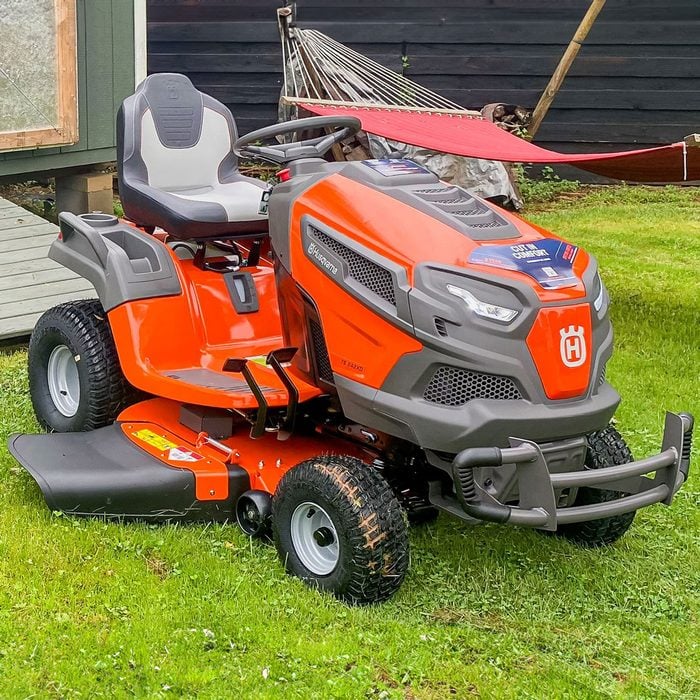
Credit: www.familyhandyman.com
Maintaining Your Lawn Mower’s Fuel System
Keeping your lawn mower’s fuel system in top shape is key to smooth operation and longer engine life. Neglecting this area can lead to hard starts, poor performance, or even costly repairs. Let’s break down simple yet effective ways you can maintain your mower’s fuel system so it runs reliably season after season.
Proper Fuel Storage
Storing fuel correctly is more important than many realize. Gasoline can degrade quickly when exposed to air, heat, or moisture, causing varnish and gum buildup inside your mower’s fuel system.
Use clean, airtight containers designed for fuel storage. Keep them in a cool, dry place away from direct sunlight. Adding a fuel stabilizer helps prevent the gas from breaking down, especially if you won’t use your mower for a few weeks.
Cleaning Fuel Lines
Fuel lines often develop blockages or cracks that can restrict fuel flow or cause leaks. Regularly inspecting these lines helps catch problems before they affect performance.
If you notice any brittleness or damage, replace the fuel lines immediately. Flushing the lines with fresh fuel or a carburetor cleaner removes buildup and keeps the system flowing smoothly.
Regular Tune-ups
Routine tune-ups are your best defense against fuel system issues. Changing the fuel filter, checking the carburetor, and inspecting spark plugs ensure everything works in harmony.
Even a small adjustment can improve fuel efficiency and power. Have you ever skipped a tune-up only to struggle with a mower that barely starts? That’s a clear sign your mower needs some fuel system attention.
Frequently Asked Questions
What Type Of Gas Is Best For Lawn Mowers?
Use fresh unleaded gasoline with 87 octane or higher. Avoid ethanol blends over 10%, as they can damage small engines. Always check the mower’s manual for specific fuel recommendations to ensure optimal performance and longevity.
Can I Use Ethanol-free Gas In My Lawn Mower?
Yes, ethanol-free gas is ideal for lawn mowers. It prevents engine damage caused by ethanol’s corrosive effects. This type of fuel helps maintain engine efficiency and reduces maintenance needs over time.
How Often Should I Use Fresh Gasoline In Lawn Mowers?
Use fresh gasoline within 30 days to avoid stale fuel problems. Old gas can clog carburetors and reduce engine performance. Always store fuel in a sealed container away from heat and sunlight.
Is Regular Unleaded Gas Good For All Lawn Mowers?
Regular unleaded gas with 87 octane is suitable for most lawn mowers. However, some models may require higher octane fuel. Always verify the manufacturer’s fuel requirements in the user manual to avoid engine issues.
Conclusion
Choosing the right gas keeps your lawn mower running well. Use fresh, clean fuel with the correct octane level. Avoid old or mixed gasoline to prevent engine problems. Proper fuel helps your mower last longer and work better. Regular maintenance and good fuel go hand in hand.
Your lawn will look neat with less effort. Simple steps make mowing easier and more efficient. Keep your mower happy, and it will keep your yard tidy.





