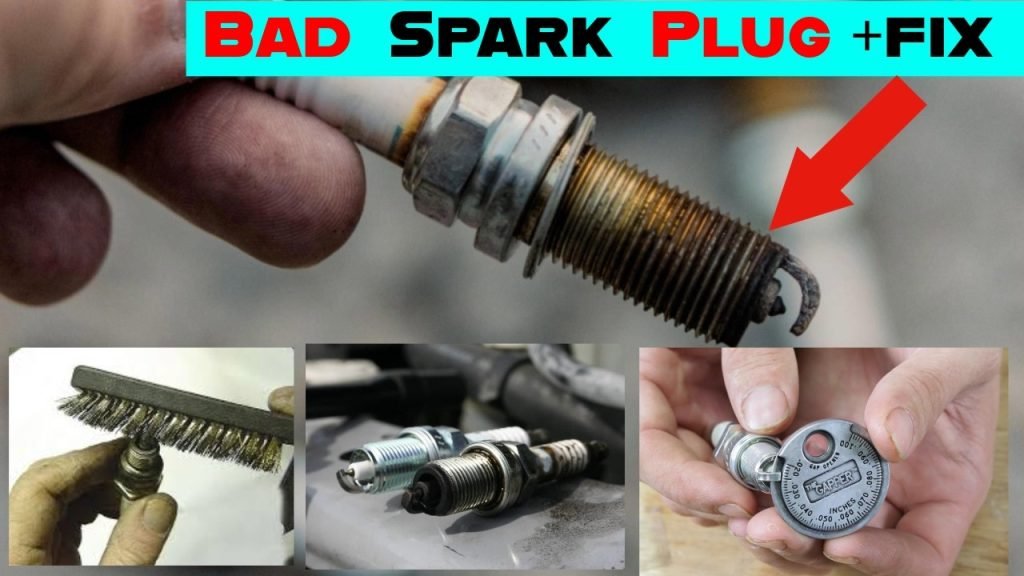
Imagine driving your car and suddenly feeling it struggle to accelerate, or maybe the engine misfires, causing an unsettling jerk. These issues can be frustrating and even a little bit scary.
You might wonder what’s going wrong under the hood. One of the common culprits could be bad spark plugs. These tiny components might not seem like a big deal, but they play a crucial role in keeping your engine running smoothly.
We’ll dive into what bad spark plugs can cause and how they can affect your vehicle’s performance. Stay with us to discover how this small issue can lead to bigger problems and learn what you can do to prevent it. Your car—and your peace of mind—depend on it.
Credit: finntrail.com
Signs Of Faulty Spark Plugs
Faulty spark plugs cause several problems in your vehicle’s engine. They disrupt the ignition process, leading to poor engine performance. Recognizing these signs early helps avoid costly repairs. Here are common symptoms that indicate bad spark plugs.
Engine Misfires And Rough Idling
Bad spark plugs cause the engine to misfire. Misfires happen when the spark plug fails to ignite the fuel-air mix. This leads to uneven engine power and jerky movements. Rough idling is another sign, where the engine shakes or vibrates while running at low speed.
Reduced Fuel Efficiency
Worn spark plugs burn more fuel than needed. They cause incomplete combustion, wasting gasoline. This lowers your car’s miles per gallon. You will notice more frequent visits to the gas station. Fuel efficiency drops steadily as the spark plugs worsen.
Difficulty Starting The Engine
Bad spark plugs make starting the engine harder. The spark needed to ignite fuel weakens or disappears. This causes longer cranking times or failure to start. Cold mornings or damp weather worsen this problem. Replacing spark plugs often fixes this issue quickly.

Credit: craigscarcare.com
Impact On Engine Performance
Bad spark plugs directly affect how your engine runs. They can reduce efficiency and cause several problems. The engine may not perform as smoothly or powerfully as it should. These issues also impact fuel use and emissions.
Loss Of Power And Acceleration
Worn or dirty spark plugs create weak sparks. This weak spark leads to incomplete fuel burning. The engine struggles to deliver full power. Acceleration slows down, making the car feel sluggish. Driving uphill or carrying loads becomes harder.
Increased Emissions
Bad spark plugs cause poor fuel combustion. Unburned fuel leaves more harmful gases in the exhaust. This increases pollution and can fail emission tests. Your car may release more carbon monoxide and hydrocarbons. This harms the environment and can hurt air quality.
Engine Knocking And Ping
Faulty spark plugs cause uneven firing in the engine. This creates knocking or pinging sounds. These noises show the engine is under stress. Persistent knocking can damage engine parts over time. It signals the need for spark plug replacement soon.
Causes Of Spark Plug Failure
Spark plugs play a crucial role in your vehicle’s engine performance. Understanding what causes them to fail can save you from unexpected breakdowns and costly repairs. Let’s look at the main reasons spark plugs stop working properly and how these issues affect your car.
Wear And Tear Over Time
Spark plugs naturally wear out as you drive. The metal electrode slowly erodes, increasing the gap and reducing the spark’s strength. Have you ever noticed your car hesitating during acceleration? That’s often a sign of worn spark plugs needing replacement.
Regular mileage and heat cycles cause this wear. Ignoring it can lead to poor fuel economy and engine misfires. Checking your spark plugs during routine maintenance is a simple way to avoid these problems.
Carbon And Oil Deposits
Deposits build up on spark plugs if your engine burns oil or runs too rich. Carbon and oil fouling block the spark, making it weak or inconsistent. This buildup causes rough idling and hard starts, which can frustrate any driver.
Have you checked your spark plugs for black, sooty deposits? Cleaning or replacing fouled plugs restores engine smoothness. Addressing the underlying cause, like oil leaks or fuel mixture issues, prevents recurrence.
Incorrect Spark Plug Type
Using the wrong spark plug can cause immediate and long-term damage. Spark plugs come in different heat ranges and sizes to match your engine’s design. Installing a plug that’s too hot or too cold can cause overheating or fouling.
Have you ever grabbed the wrong spark plug by mistake? It’s a common error that impacts ignition timing and engine efficiency. Always refer to your vehicle’s manual or a trusted mechanic to pick the right spark plug type.
Diagnosing Bad Spark Plugs
Diagnosing bad spark plugs is a crucial step in maintaining your vehicle’s performance and fuel efficiency. If your car hesitates, stalls, or struggles to start, the spark plugs might be the culprits. You can often catch these issues early by carefully examining the spark plugs yourself or using simple diagnostic tools before problems escalate.
Visual Inspection Techniques
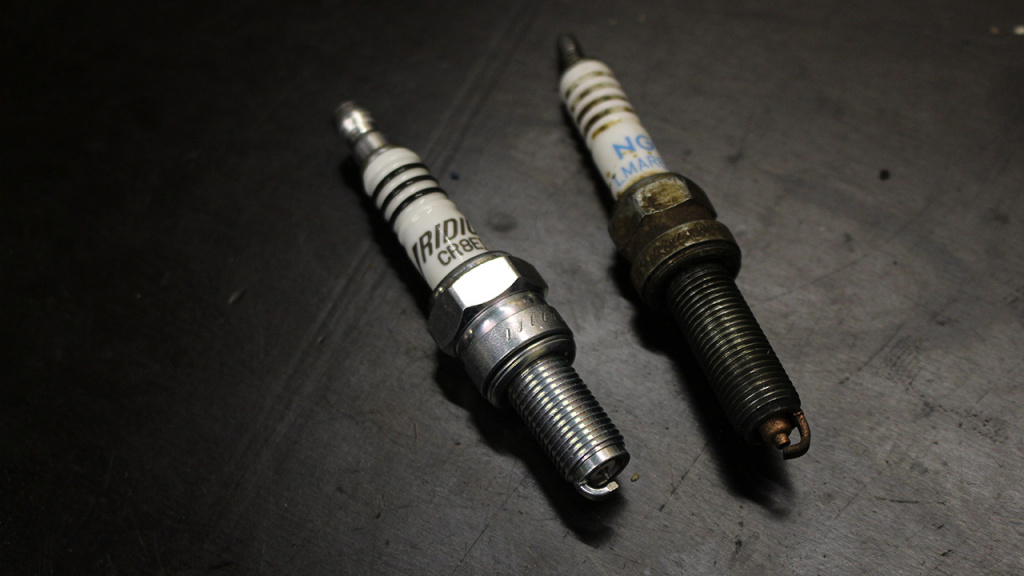
Start by removing the spark plugs and looking closely at their condition. Healthy plugs have a light tan or grayish color on the tip. If you notice black soot, oily residue, or melted electrodes, it’s a clear sign they need replacement.
Check for physical damage like cracks or worn-out gaps as well. These signs tell you your spark plugs aren’t firing properly, which can cause misfires or rough idling. Have you ever found something unexpected just by looking closely? Visual inspection might reveal more than you expect.
Using Diagnostic Tools
A code scanner is a handy tool that can pinpoint spark plug issues by reading your car’s error codes. Codes like P0300 to P0308 often indicate misfires linked to faulty spark plugs. You can also use a multimeter to test the resistance of each plug—higher resistance means it’s time for a change.
Some advanced scanners even show live data, helping you see how each cylinder performs. This allows you to catch spark plug problems before they cause bigger engine damage. Are you equipped to use these tools, or do you rely on professional diagnostics?
When To Consult A Mechanic
Sometimes, spark plug problems come with symptoms that are tricky to diagnose alone. If your engine keeps misfiring after you’ve checked the plugs, or if you’re unsure about interpreting diagnostic results, it’s wise to consult a mechanic.
Professionals can also assess related components like ignition coils or wiring, which might be the real issue. Don’t wait too long—prolonged spark plug problems can lead to costly repairs down the road. How long would you wait before seeking expert help?
Preventing Spark Plug Issues
Preventing spark plug issues helps keep your engine running smoothly. Spark plugs need care to avoid common problems like misfires, poor fuel economy, and rough idling. Simple steps can extend their life and improve vehicle performance.
Regular Maintenance Schedule
Check spark plugs often. Follow your vehicle’s maintenance guide for replacement intervals. Cleaning or replacing plugs at the right time avoids buildup and wear. Regular checks catch early signs of damage before they cause bigger issues.
Choosing The Right Spark Plugs
Select spark plugs that match your vehicle’s engine type and specifications. Use plugs made from quality materials like iridium or platinum for better durability. Avoid cheap plugs that wear out quickly or cause poor engine performance.
Proper Installation Tips
- Use the correct gap size for your spark plugs.
- Hand-tighten plugs first to avoid cross-threading.
- Use a torque wrench to tighten to the manufacturer’s specs.
- Replace spark plug wires or coils if damaged.
- Keep the area clean to prevent dirt from entering the engine.
Cost Of Ignoring Bad Spark Plugs
Ignoring bad spark plugs might seem like a minor issue at first, but the costs can quickly add up. What starts as a small inconvenience can turn into a major expense, both financially and in terms of your vehicle’s safety. Understanding these costs can help you make better decisions about timely maintenance.
Potential Engine Damage
Bad spark plugs cause incomplete combustion, which puts extra strain on your engine. Over time, this can lead to damage in the pistons, valves, and cylinder walls. Small problems like misfires can escalate into costly engine repairs that might have been avoided with simple spark plug replacement.
I once ignored a warning light for a few months. The engine eventually suffered damage that cost me nearly double the price of new spark plugs. Don’t let a small fix turn into a big headache.
Higher Repair Bills
When spark plugs fail, your car’s fuel efficiency drops. This means you’ll spend more on gas every week. Additionally, the strain on your ignition system can cause other parts to wear out faster, leading to a chain reaction of repairs.
Think about this: a $50 spark plug replacement today might save you hundreds in fuel and mechanic bills tomorrow. Are you willing to risk higher costs just to delay a quick fix?
Safety Risks On The Road
Bad spark plugs don’t just affect your wallet—they can put you in danger. Misfires can cause sudden power loss or engine stalling while driving, increasing the chance of accidents. This is especially risky in heavy traffic or on highways.
Have you ever experienced your car stalling unexpectedly? It’s not just frustrating; it’s a serious safety hazard. Keeping your spark plugs in good shape helps ensure your car runs smoothly and safely.

Credit: www.reddit.com
Frequently Asked Questions
What Are The Signs Of Bad Spark Plugs?
Bad spark plugs cause engine misfires, rough idling, and poor acceleration. They may also increase fuel consumption and emissions. A noticeable drop in engine performance often indicates spark plug issues.
How Do Bad Spark Plugs Affect Fuel Efficiency?
Worn spark plugs cause incomplete combustion, reducing fuel efficiency. This leads to higher fuel consumption and increased emissions. Replacing bad spark plugs can restore optimal fuel economy.
Can Bad Spark Plugs Damage The Engine?
Yes, bad spark plugs can cause misfires that strain the engine. Prolonged use may damage the catalytic converter and reduce engine lifespan. Timely replacement prevents costly repairs.
How Often Should Spark Plugs Be Replaced?
Spark plugs typically last 30,000 to 100,000 miles, depending on type. Regular inspection helps maintain engine performance. Always follow the vehicle manufacturer’s recommended replacement schedule.
Conclusion
Bad spark plugs cause many car problems. They make the engine run rough and lose power. Fuel efficiency drops, costing you more money. Starting the car becomes harder and slower. Ignoring spark plugs can lead to bigger repairs. Regular checks keep your car healthy and smooth.
Fixing spark plugs is simple and saves time. Don’t wait until problems get worse. Stay safe and keep your car running well. Spark plugs matter more than you think.





