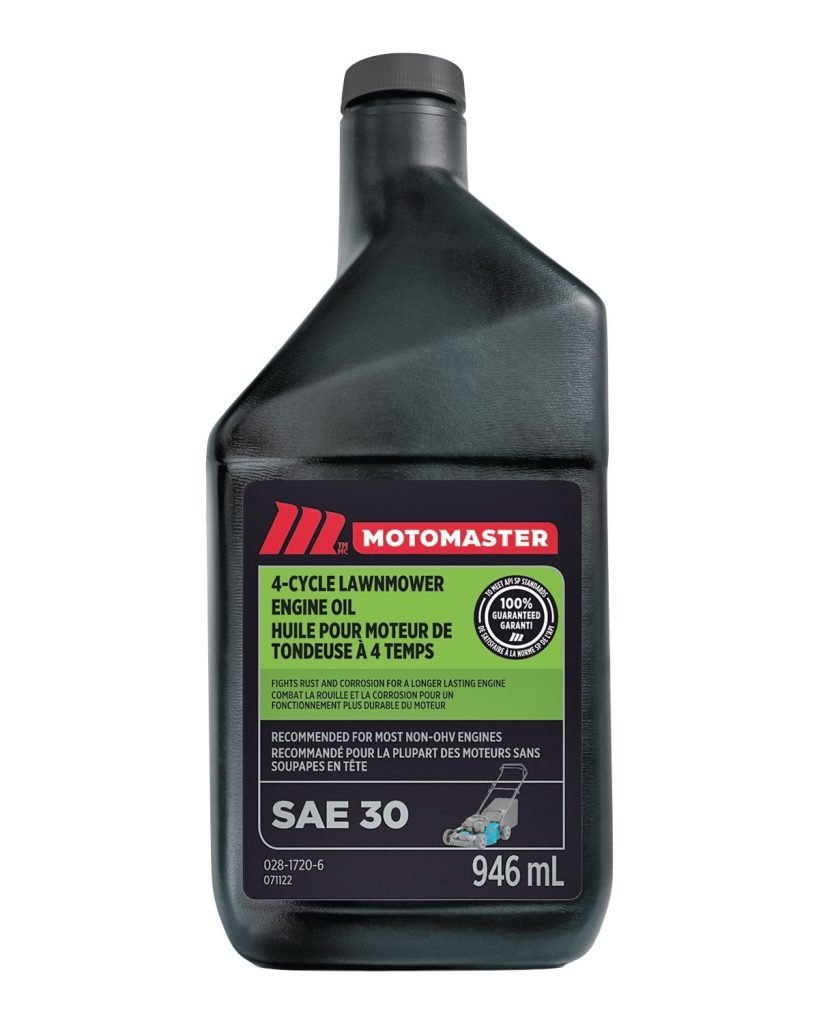
When it comes to maintaining your lawn mower, choosing the right oil is crucial. You might wonder, “What weight oil should I use for my lawn mower?”
This question is more important than you might think. Using the correct oil ensures your mower runs smoothly and lasts longer. Imagine your mower starting effortlessly each time you pull the cord and cutting your grass with precision. Doesn’t that sound satisfying?
We’ll break down everything you need to know about selecting the perfect oil weight for your lawn mower. By the end, you’ll feel confident about making the best choice to keep your machine in top condition. Let’s dive in and discover what your lawn mower truly needs!
Choosing The Right Oil Weight
Choosing the right oil weight for your lawn mower is crucial for its performance and longevity. The oil acts as a lubricant, reducing friction and wear on engine parts. Picking the wrong weight can lead to engine damage or inefficient operation, so understanding oil weight will help you make the best choice for your mower’s needs.
Why Oil Weight Matters
The weight of oil, also called viscosity, determines how thick or thin it is. Thicker oil provides better protection at high temperatures, while thinner oil flows more easily when the engine is cold. Using the wrong weight means your engine might not get enough lubrication or could be overburdened by thick oil, causing poor performance.
I once used a heavier oil than recommended in my mower, thinking it would last longer. Instead, the engine struggled to start on chilly mornings and ran rough. This taught me that matching oil weight to your mower and climate is essential.
Common Oil Weights For Lawn Mowers
Most lawn mowers use standard oil weights such as 10W-30, 5W-30, or SAE 30. Here’s a quick look at what they mean:
| Oil Weight | Best For | Key Feature |
|---|---|---|
| 10W-30 | General use, wide temperature range | Flows well when cold, protects when hot |
| 5W-30 | Colder climates or early season use | Thinner at startup for easier cold starts |
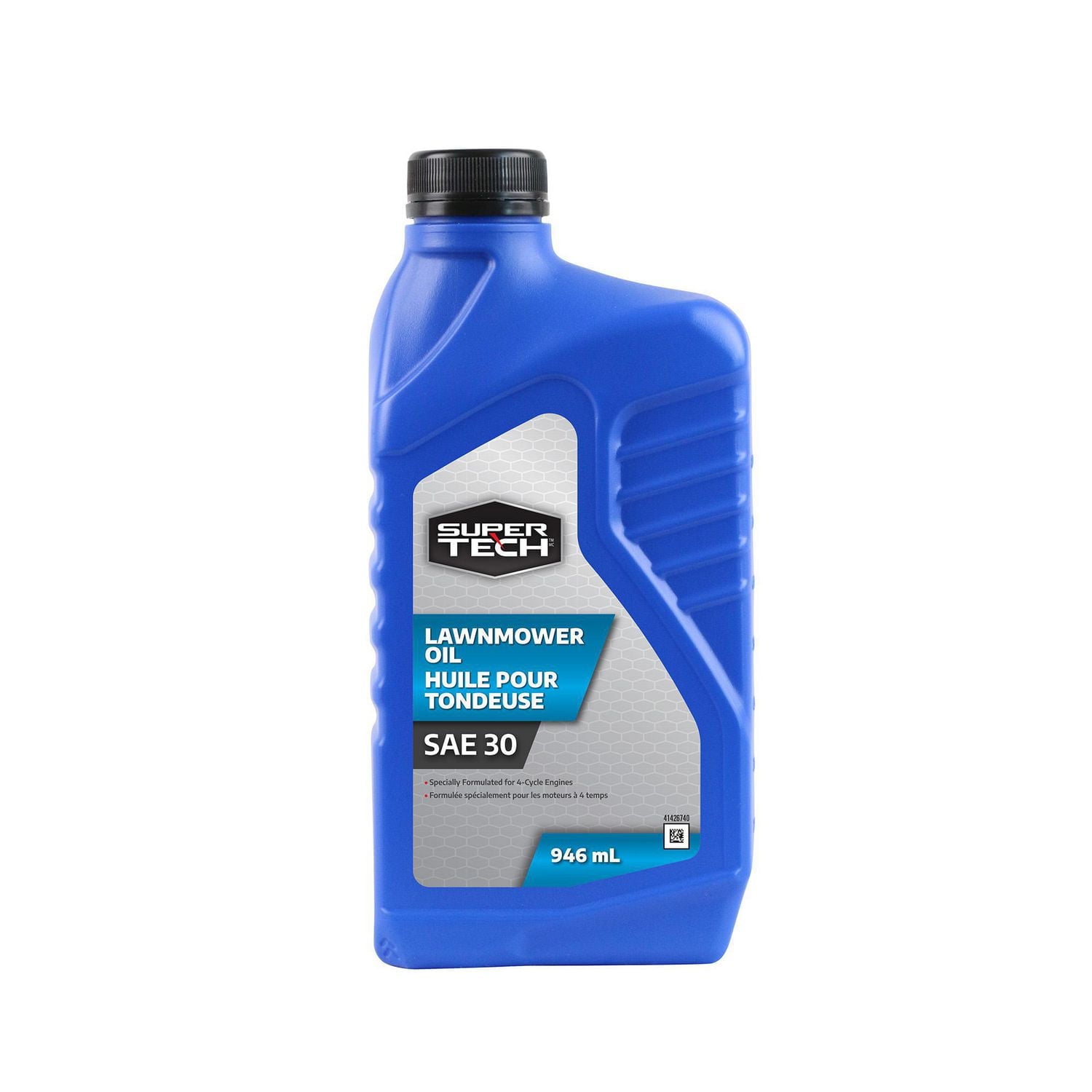
| SAE 30 | Warm weather, summer use | Thicker oil for high heat protection |
Check your mower’s manual for the recommended oil weight. If you live somewhere with cold winters, switching to a lower “W” number can make a big difference.
How Temperature Affects Oil Viscosity
Temperature plays a major role in how oil performs. Cold weather thickens oil, making it harder for the engine to turn over. Warm weather thins oil, reducing its ability to protect engine parts.
Think about how your mower starts on a chilly morning versus a hot afternoon. If the oil is too thick in cold temperatures, the engine has to work harder. If it’s too thin in heat, parts can wear faster.
Choosing an oil with the right viscosity rating for your climate helps your mower start easily and run smoothly all season long. What’s the temperature range where you usually mow? This can guide your oil choice more than you might expect.
Types Of Lawn Mower Oils
Choosing the right oil for your lawn mower is more than just picking a random bottle off the shelf. Different types of oils serve different engines and conditions, impacting your mower’s performance and lifespan. Understanding these oil types helps you make smarter choices that protect your equipment and keep your lawn looking sharp.
Synthetic Vs Conventional Oils
Synthetic oils are engineered for better performance in extreme temperatures and prolonged use. They flow smoothly in cold weather, making startups easier, and resist breakdown during hot mowing sessions. Conventional oils, on the other hand, are made from refined crude oil and are often less expensive but may not last as long under tough conditions.
Think about how often you mow and the climate you live in. If you have frequent, heavy use or live somewhere with temperature swings, synthetic oil can save you money and hassle in the long run. Have you noticed your mower struggling on cold mornings? Synthetic might be the answer.
High-mileage Oils For Older Engines
Older lawn mowers often have engine wear that standard oils can’t fully protect against. High-mileage oils contain additives that help reduce leaks and oil consumption by conditioning seals and reducing engine wear. This type of oil is a smart investment if your mower is over a few years old and shows signs of aging.
These oils work by filling in tiny gaps caused by wear, which helps maintain compression and power. If you’re holding onto a classic mower, consider switching to high-mileage oil to extend its working life and keep it running smoothly.
Specialty Oils For 4-stroke Engines
Many modern lawn mowers use 4-stroke engines, which require oils that meet specific standards. These oils are designed to lubricate the engine without mixing with fuel or causing deposits. Using the right specialty oil ensures your mower runs cleanly and efficiently.
Look for oils labeled with API service categories like SJ, SL, or higher for 4-stroke engines. Using the wrong oil can lead to poor performance or engine damage, so always check your mower’s manual before choosing. Have you checked what oil your mower’s engine actually needs?
Manufacturer Recommendations
Choosing the right oil weight for your lawn mower is crucial to keep the engine running smoothly and extend its life. Manufacturers spend a lot of time testing and recommending specific oil types based on the engine’s design and operating conditions. Ignoring these recommendations can lead to poor performance or even damage.
Where To Find Oil Specs
The best place to find the correct oil specifications is your lawn mower’s owner’s manual. This guide provides detailed information about the recommended oil viscosity, type, and capacity.
If you don’t have the manual handy, check the manufacturer’s website or look for a sticker on the mower itself near the engine. These sources usually list the oil weight and sometimes even brand suggestions.
Following The Owner’s Manual
Always follow the oil weight specified in the owner’s manual. Using oil that’s too thick or too thin can cause engine wear or poor lubrication.
For example, if your manual says SAE 30, don’t switch to 10W-30 without a good reason. Sticking to the manual’s recommendation ensures that your mower runs efficiently and avoids costly repairs.
Adjusting Oil Weight For Climate
Climate affects oil performance. In colder areas, a thinner oil like 10W-30 helps the engine start easier and protects it better during chilly mornings.
In warmer climates, a thicker oil such as SAE 30 or SAE 40 may provide better protection against heat and reduce wear. Do you know what climate your mower operates in most? Adjusting oil weight to suit your local weather can make a noticeable difference in engine health and performance.

Credit: www.homehardware.ca
Changing Oil For Peak Performance
Changing the oil in your lawn mower is essential for keeping it running smoothly. Clean oil reduces engine wear and prevents overheating. Regular oil changes extend the mower’s life and improve cutting performance. Understanding the right time and method for oil change helps maintain peak performance year-round.
When To Change Lawn Mower Oil
Check the owner’s manual for specific oil change intervals. A general rule is to change oil after the first 5 hours of use for new mowers. After that, change oil every 25 to 50 hours of operation or at least once a season. Change oil sooner if the mower runs in dusty or harsh conditions. Dark, thick oil signals it is time for a change.
Step-by-step Oil Change Process
- Run the mower for a few minutes to warm the oil.
- Turn off the mower and disconnect the spark plug wire.
- Place a drain pan under the oil drain plug.
- Remove the drain plug and let oil drain completely.
- Replace the drain plug securely after draining.
- Remove the oil fill cap and pour in new oil.
- Use the oil type and weight recommended by the manufacturer.
- Check oil level with the dipstick and add more if needed.
- Replace the oil cap and reconnect the spark plug wire.
Disposing Of Used Oil Properly
Used oil is hazardous and must never be dumped on the ground. Store drained oil in a sealed container. Take used oil to a local recycling center or auto shop. Many communities have special collection events for used oil. Proper disposal protects the environment and local water supplies.
Signs Of Oil-related Engine Problems
Oil plays a vital role in keeping a lawn mower’s engine running smoothly. Signs of oil-related engine problems often appear before severe damage occurs. Recognizing these signs early can save costly repairs and extend the mower’s life. Watch for changes in engine behavior and unusual symptoms.
Overheating And Engine Wear
Low or dirty oil causes the engine to overheat. Oil lubricates moving parts and helps cool the engine. Without proper lubrication, parts rub together, causing wear and tear. Overheating can lead to permanent engine damage. Check oil levels regularly and use the right oil weight to prevent this.
Unusual Smoke Or Odors
Smoke coming from the mower’s engine often signals oil problems. Blue or gray smoke means oil is burning inside the engine. A strong oil smell may also indicate leaks or oil overheating. These signs show that oil is not working properly and may harm the engine.
Poor Engine Performance
The engine may run rough or stall due to oil issues. Insufficient lubrication causes friction, reducing engine power. The mower might struggle to start or lose speed during use. Using the correct oil weight keeps the engine running smoothly and efficiently.
Credit: www.walmart.ca
Tips For Maintaining Lawn Mower Health
Maintaining your lawn mower in good condition helps it last longer and work better. Simple care routines prevent costly repairs and keep your grass neat. Proper oil use and regular checks protect the engine from damage. Follow these tips for a healthy mower that runs smoothly every time.
Regular Oil Checks
Check oil levels before each use. Low oil can harm the engine quickly. Use the dipstick to see if oil is between the marks. Change the oil after every 25 hours of mowing. Use the correct oil weight for your mower model. Clean oil keeps the engine cool and lubricated.
Using Quality Oil Filters
Replace oil filters regularly to trap dirt and debris. A clean filter stops harmful particles from reaching the engine. Choose filters made for lawn mowers. Installing a good filter improves oil flow and engine life. Never skip this step during oil changes.
Storing Your Mower During Off-season
Drain old oil before storing your mower. Old oil can cause engine damage over time. Store the mower in a dry, sheltered place. Cover it to avoid dust and moisture buildup. Remove or stabilize fuel to prevent clogging the carburetor. Proper storage means your mower starts easily next season.
Credit: www.lucasoil.com
Frequently Asked Questions
What Weight Oil Is Best For Lawn Mowers?
The best oil weight for lawn mowers is typically SAE 30. It works well in warm weather. For colder climates, 10W-30 multi-viscosity oil is recommended to ensure smooth engine start and performance.
Can I Use 5w-30 Oil In My Lawn Mower?
Yes, 5W-30 oil is suitable for lawn mowers in cooler temperatures. It offers good engine protection during cold starts. Always check your mower’s manual to confirm the recommended oil grade.
Why Is Using The Correct Oil Weight Important?
Using the correct oil weight ensures proper lubrication and engine protection. It prevents wear and overheating. Incorrect oil can cause poor performance and reduce engine life.
How Often Should I Change Lawn Mower Oil?
Change your lawn mower oil after every 25-50 hours of use or at least once per season. Regular oil changes keep the engine running smoothly and extend its lifespan.
Conclusion
Choosing the right oil weight keeps your lawn mower running smooth. Use the oil type recommended in your mower’s manual. This helps the engine stay cool and work well. Thicker oil suits hot weather; thinner oil fits cold days. Regular oil changes protect your mower from damage.
Clean oil means better cuts and longer mower life. Remember, simple care saves money and time. Keep your lawn mower healthy by using the correct oil weight. Your grass will thank you with a perfect cut every time.





