Are you tired of spending hours trying to decide which lawn mower is the right fit for your yard? Choosing the perfect lawn mower can seem overwhelming with so many options available.
But don’t worry, you’re not alone. Your lawn is a reflection of your home, and having the right mower can make all the difference in keeping it looking pristine. Imagine the satisfaction of effortlessly gliding through your grass, knowing you’ve chosen the best tool for the job.
In this guide, you’ll discover the different types of lawn mowers available, each designed to meet specific needs. By the end, you’ll feel confident and ready to make a choice that suits your lawn and lifestyle perfectly. So, let’s dive in and find the perfect match for your mowing needs!
Credit: www.homedepot.com
Lawn Mower Categories
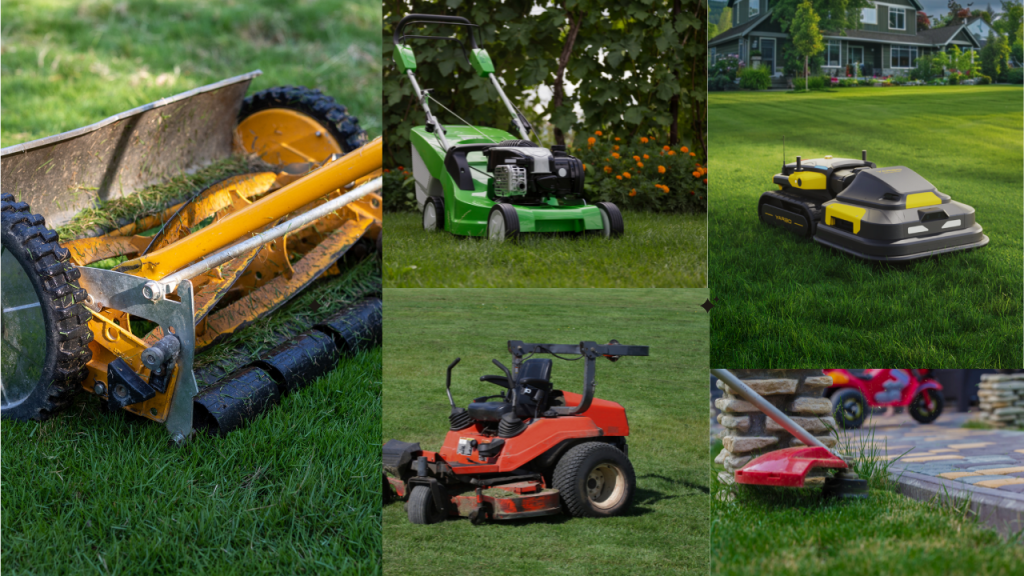
Choosing the right lawn mower can change how you care for your yard. Different mowers fit different needs and yard sizes. Knowing the main categories helps you pick the best fit for your lawn care routine.
Push Mowers
Push mowers are simple and affordable. You manually push them across your lawn, making them great for small, flat areas.
If you enjoy a bit of exercise while mowing, these might suit you well. They require more effort but offer precise control over your cut.
Self-propelled Mowers
Self-propelled mowers have a motor that moves the mower forward for you. You still guide it, but it takes the heavy lifting out of mowing.
They work well on medium to large lawns and can handle uneven terrain better than push mowers. Have you ever felt tired halfway through mowing? This type can ease that burden.
Riding Mowers
Riding mowers let you sit while you mow, making them ideal for large yards or properties. They can cover a lot of ground quickly and often come with attachments for extra tasks.
If your lawn feels like a small field, a riding mower could save you hours. Do you want to make mowing more comfortable and efficient? This option might be the answer.
Robotic Mowers
Robotic mowers are the newest option and operate on their own. You set boundaries, and they mow automatically, freeing up your time.
Perfect for busy people or those who dislike mowing, these mowers keep your lawn tidy without much effort. How much time would you reclaim if your mower worked independently?
Power Sources Explained
Choosing the right power source for your lawn mower can change your mowing experience completely. Each type of power source comes with its own set of benefits and challenges. Understanding these differences helps you pick a mower that fits your lawn size, noise preferences, and maintenance comfort.
Gas-powered Mowers
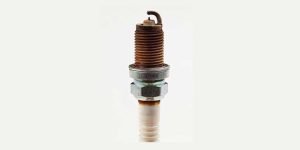
Gas-powered mowers are known for their strong cutting power and ability to handle thick, tall grass. They usually have larger engines, so they can mow big yards faster without overheating. However, they require regular maintenance like oil changes and spark plug replacements, which might feel like a hassle if you’re not used to engine care.
I once chose a gas mower for my half-acre lawn, and it cut through dense patches without slowing down. But the noise and fumes made me rethink if this was the best option for frequent use. Are you ready to deal with the upkeep and noise for the power you get?
Electric Corded Mowers
Electric corded mowers offer a quieter and cleaner mowing experience since they run on electricity without emissions. They are lighter and easier to maneuver, making them ideal for small to medium lawns. The downside? You’re limited by the length of the power cord, which can be tricky to manage around obstacles.
If you have a small yard close to an outdoor outlet, a corded mower could be a perfect fit. But if your lawn is large or has many flower beds, the cord might slow you down or cause frustration. Have you thought about how much freedom you need while mowing?
Battery-powered Mowers
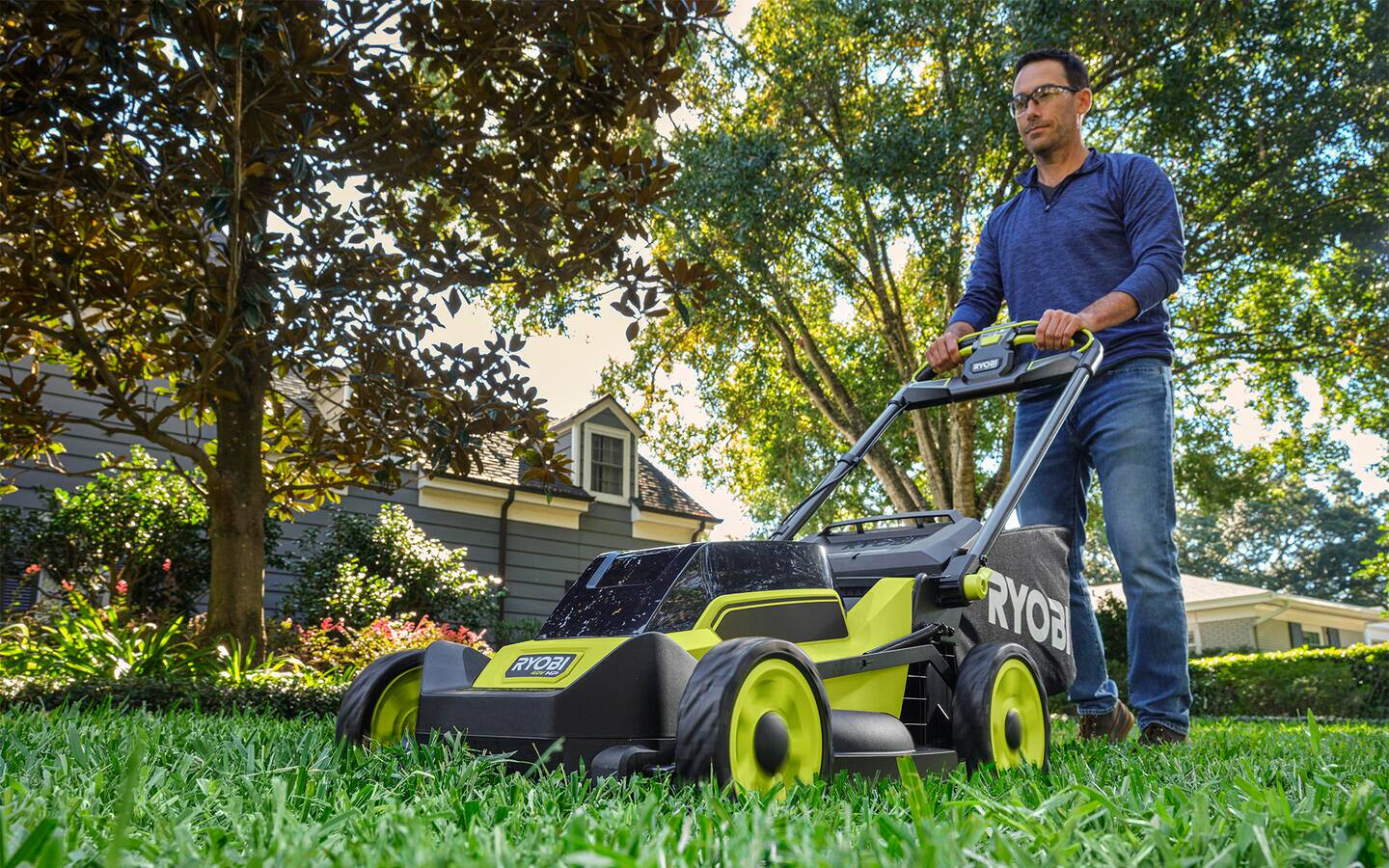
Battery-powered mowers combine the convenience of cordless operation with quieter, cleaner power. Advances in battery technology mean you can mow medium-sized lawns without worrying about running out of juice. They require less maintenance than gas mowers and don’t tether you like corded models.
One time, I took a battery mower to a neighbor’s yard and was surprised by how long the battery lasted and how easy it was to push. Still, batteries need charging and eventually replacement, which adds to the cost. How important is cordless freedom for your mowing routine?
Blade Types And Cutting Styles
Understanding the different blade types and cutting styles is key to choosing the right lawn mower for your yard. Each blade type offers unique benefits and works best under specific lawn conditions. Knowing how they cut can save you time and improve your lawn’s health.
Rotary Blades
Rotary blades are the most common type you’ll find on lawn mowers. They spin horizontally at high speed and slice through grass with a sharp, fast-moving blade.
These blades handle thick, tall, or uneven grass well. If your lawn has a lot of weeds or tough patches, rotary blades can manage the job efficiently.
However, they tend to tear grass rather than cut it cleanly, which can sometimes lead to a rougher look. Have you noticed your lawn looking a bit ragged after mowing? Rotary blades might be the reason.
Reel Blades
Reel blades work like scissors, cutting grass by trapping it between a spinning reel and a fixed bed knife. This creates a clean, precise cut that is gentler on your lawn.
These blades are ideal for well-maintained, flat lawns with shorter grass. If you prefer a neatly trimmed, golf-course style finish, reel mowers are worth considering.
Keep in mind, they require sharper blades and more maintenance. If you let the blades dull, the cutting quality drops, and your grass could get damaged.
Hover Mowers
Hover mowers use a fan to create an air cushion, allowing the mower to float slightly above the ground. This design makes them extremely maneuverable, perfect for uneven terrain and slopes.
The cutting style typically involves rotary blades, but the key difference is how the mower moves with ease over the grass. If you have a hilly or awkwardly shaped yard, a hover mower might be your best bet.
They are lightweight and easy to push, but may not be as effective on thick or tall grass. Does your lawn have tricky spots that are hard to reach? Hover mowers could help you get there without hassle.

Credit: www.ctvnews.ca
Lawn Size And Terrain Considerations
Choosing the right lawn mower depends heavily on your lawn size and the terrain type. Different mowers suit different spaces and ground conditions. Picking the proper mower saves time and effort while keeping your lawn neat. Consider these factors before making your choice.
Small Lawns
For small lawns, lightweight and compact mowers work best. Push reel mowers or small electric models are ideal. They are easy to handle and store. These mowers suit lawns under 1/4 acre. They provide good control in tight spaces and around flower beds.
Medium Lawns
Medium lawns need mowers with more power and a wider cutting deck. Gas-powered push mowers or battery-powered models fit well. They cover more ground quickly without being too bulky. Lawns between 1/4 and 1/2 acre benefit from these mowers. Look for adjustable cutting heights to suit different grass types.
Large Lawns
Large lawns require mowers that cover vast areas fast. Riding mowers or zero-turn mowers are perfect choices. They reduce mowing time and reduce physical effort. These machines handle lawns over 1/2 acre with ease. They often include comfortable seats and easy steering.
Uneven Or Sloped Terrain
Uneven or sloped lawns need special mower features for safety and performance. Look for mowers with good traction and stability. Self-propelled mowers help on hills by reducing push effort. For steep slopes, lightweight mowers or handheld trimmers may be safer. Always prioritize balance and control to avoid accidents.
Features To Look For
Choosing the right lawn mower means paying attention to key features. These features affect how easy and effective mowing your lawn will be. Focus on what makes mowing simpler and more comfortable.
Cutting Height Adjustment
Adjustable cutting height lets you control grass length. Different mowers offer various height settings. Look for models with easy-to-use levers or knobs. This feature helps keep your lawn neat and healthy. It also suits different grass types and seasons.
Grass Collection Options
Grass clippings can be collected or left on the lawn. Some mowers have bags to catch clippings. Others mulch the grass, cutting it into tiny pieces. Mulching returns nutrients to the soil. Choose a mower with a collection system that fits your lawn care style.
Maneuverability And Weight
Lightweight mowers are easier to push and turn. Compact designs help reach tight spaces and corners. Self-propelled mowers reduce effort on large lawns. Consider your lawn size and shape when choosing. Good maneuverability saves time and energy.
Noise Levels
Lawn mowers can be noisy. Electric and battery-powered models tend to be quieter. Gas mowers usually produce more noise. Lower noise levels mean less disturbance for neighbors. Check decibel ratings if noise is a concern.

Credit: www.popularmechanics.com
Maintenance Tips
Keeping your lawn mower in top shape makes your yard work easier and extends the life of your machine. Regular maintenance prevents unexpected breakdowns and keeps the mower running smoothly. Let’s break down some key upkeep tips that you can handle yourself without needing a mechanic.
Blade Sharpening
Dull blades tear grass rather than cut it cleanly, leaving your lawn vulnerable to disease. Sharpen your blades at least twice a season or more if you mow frequently. You can use a bench grinder or a sharpening stone—just be sure to balance the blade afterward to avoid vibrations.
Have you noticed uneven cuts or ragged grass edges? That’s a clear sign your blades need attention. Sharpening blades not only improves appearance but also reduces strain on your mower’s engine.
Engine Care
Engines need clean fuel and regular oil changes to perform well. Check the oil level before each use and replace it according to your mower’s manual, typically after 25 hours of use. Old or dirty oil can cause the engine to overheat and wear out faster.
Don’t forget the air filter—clean or replace it every season to keep debris out of the engine. If your mower uses gasoline, avoid leaving fuel in the tank during winter to prevent gumming and starting issues.
Battery Maintenance
Electric or battery-powered mowers demand special care to keep their batteries healthy. Charge the battery fully before storing your mower for long periods, and avoid letting it drain completely. Storing batteries in a cool, dry place can prevent capacity loss.
If you notice your mower runs shorter than usual, your battery might be aging. Testing the battery’s voltage and replacing it when necessary will save you from mid-mow power failures.
Frequently Asked Questions
What Are The Main Types Of Lawn Mowers?
The main types include push mowers, self-propelled mowers, riding mowers, and robotic mowers. Each suits different lawn sizes and terrains. Push mowers are ideal for small yards, while riding mowers handle larger areas efficiently. Robotic mowers provide hands-free mowing.
Which Lawn Mower Is Best For Small Lawns?
Push lawn mowers are best for small lawns. They are lightweight, easy to maneuver, and cost-effective. Manual reel mowers are eco-friendly for very small areas. For slightly bigger yards, battery-powered push mowers offer convenience without noise or emissions.
How Do Self-propelled Mowers Work?
Self-propelled mowers have a drive system that moves the mower forward automatically. Users only guide the mower, reducing physical effort. They work well on medium to large lawns and uneven terrain, providing smoother and faster mowing.
Are Robotic Lawn Mowers Effective?
Robotic lawn mowers are effective for regular maintenance of medium to large lawns. They operate autonomously, saving time and effort. They use sensors to avoid obstacles and can be scheduled for mowing. However, initial costs are higher than traditional mowers.
Conclusion
Choosing the right lawn mower depends on your yard size and needs. Push mowers work well for small lawns. Riding mowers suit large areas and save time. Electric mowers are quiet and eco-friendly. Gas mowers offer more power for tough grass.
Consider your budget and storage space too. Knowing these types helps you pick the best tool. Keep your lawn neat and healthy all year. Happy mowing!