Ever found yourself standing in the lawn care aisle, staring at rows of oil bottles, wondering which one your riding lawn mower needs? You’re not alone.
Choosing the right oil for your mower is crucial, not only for its performance but also for its longevity. The wrong choice could lead to frequent repairs or even a shorter lifespan for your mower. By understanding what type of oil your riding lawn mower uses, you can ensure it runs smoothly and efficiently.
Stick around, and we’ll clear up the confusion, helping you to make informed decisions that keep your lawn looking its best all season long.
Types Of Oil For Lawn Mowers
Choosing the right oil for your riding lawn mower is crucial for keeping the engine running smoothly and extending its life. Oils come in different types, each with unique properties that affect performance and protection. Understanding these options helps you make the best choice for your mower’s specific needs.
Conventional Oil
Conventional oil is the most common and affordable type of oil for lawn mowers. It works well in moderate temperatures and is suitable for standard mowing tasks.
If your mower is older or you use it only occasionally, conventional oil can be a reliable choice. However, it breaks down faster than other oils, which means you’ll need to change it more often to avoid engine wear.
Synthetic Oil
Synthetic oil offers superior protection and performance, especially under extreme conditions. It resists high temperatures and oxidation better than conventional oil, keeping your engine cleaner.
Using synthetic oil can improve your mower’s efficiency and reduce maintenance needs. Think about it: if your mower works hard on tough terrain or you want to extend its lifespan, synthetic oil might be worth the investment.
Synthetic Blend Oil
Synthetic blend oil combines the benefits of both conventional and synthetic oils. It provides better protection than conventional oil but comes at a lower cost than full synthetic.
This type of oil is a great middle ground if you want improved performance without the full price of synthetic oil. It suits users who need reliable engine protection but don’t want to change oil as frequently.
Choosing The Right Oil Viscosity
Choosing the right oil viscosity for your riding lawn mower is crucial for keeping the engine running smoothly and extending its lifespan. The viscosity affects how well the oil flows at different temperatures, impacting engine protection and performance. Selecting the correct oil ensures your mower starts easily and operates efficiently, no matter the weather.
Understanding Sae Ratings
SAE ratings indicate the oil’s viscosity, or thickness, and how it behaves under various temperatures. You’ll see numbers like 10W-30 or 5W-20 on oil containers. The first number with a “W” stands for winter, showing how the oil flows in cold weather, while the second number shows its thickness at normal operating temperatures.
Using oil with the right SAE rating helps your engine start quickly without excessive wear. For example, 10W-30 is a popular choice for many riding mowers because it balances cold start flow and heat protection well. Check your mower’s manual to find the recommended SAE rating to avoid engine damage.
Seasonal Oil Recommendations
Seasonal changes affect oil viscosity needs. In colder months, thinner oils (lower “W” number) flow better, preventing hard starts. During summer, thicker oils protect the engine from high heat and friction.
Consider switching oil based on your local climate. If you live in a region with harsh winters, using 5W-30 or 5W-20 helps your mower start easier. In warmer areas or summer, 10W-30 or 10W-40 offers better protection. Have you checked your oil viscosity for the current season yet?
Oil Specifications To Look For
Choosing the right oil for your riding lawn mower is essential for smooth operation and long engine life. Not all oils are the same, and certain specifications ensure the oil performs well under different conditions. Understanding these oil specifications helps protect your mower’s engine and boosts performance.
Api Service Classifications
The API (American Petroleum Institute) sets standards for engine oil quality. These classifications tell you if the oil meets specific performance and protection levels. For most riding mowers, look for oils with the “SJ,” “SL,” or newer “SN” service classifications. These labels mean the oil protects against wear, deposits, and corrosion.
Using oil with the right API classification helps maintain engine cleanliness and efficiency. Avoid oils that are too old or lack these certifications, as they may not protect your mower properly.
Manufacturer’s Guidelines
Each riding lawn mower manufacturer provides specific oil recommendations. These guidelines are based on the engine design and operating conditions. Check your mower’s owner manual for the exact oil type and viscosity grade.
Following the manufacturer’s advice ensures the oil matches the engine’s needs. Using the recommended oil keeps the engine running cool and reduces the risk of damage. Never substitute with a lower-quality oil, even if it looks similar.
Credit: www.craftsman.com
How To Check And Change Oil
Checking and changing the oil in a riding lawn mower keeps the engine healthy. Clean oil reduces wear and helps the mower run smoothly. Regular oil changes improve performance and extend mower life. This section explains the tools needed, the process, and how to dispose of old oil safely.
Tools Needed
- Clean oil recommended by the manufacturer
- Oil drain pan or container
- Wrench or socket set
- Funnel for pouring oil
- Rags or paper towels
- Gloves to protect your hands
- Owner’s manual for specific instructions
Step-by-step Oil Change Process
- Run the mower for a few minutes to warm the oil.
- Turn off the engine and disconnect the spark plug wire.
- Place the oil drain pan under the oil drain plug.
- Use a wrench to remove the drain plug and let oil drain.
- Remove the oil fill cap or dipstick to allow air in.
- Wait until all old oil drains completely.
- Reinstall the drain plug tightly.
- Use a funnel to pour the new oil into the fill hole.
- Check the oil level with the dipstick; add oil if needed.
- Replace the oil fill cap and reconnect the spark plug wire.
Disposing Of Used Oil Properly
Never pour used oil on the ground or in drains. Used oil harms the environment and water supplies. Collect the oil in a sealed container after draining. Take the container to a recycling center or an auto shop that accepts used oil. Follow local rules for safe disposal. Proper disposal helps protect nature and keeps your community clean.
Signs Of Oil Problems
Oil keeps your riding lawn mower’s engine running smoothly. It reduces friction and prevents damage. Problems with oil can cause serious engine trouble. Watch for signs that show oil issues early. Acting fast saves money and extends mower life.
Engine Noise And Performance Issues
Strange engine noises often signal oil problems. A knocking or ticking sound means low or dirty oil. The engine may run rough or lose power. Overheating can happen if oil fails to lubricate properly. Poor performance can also mean oil needs changing.
Oil Leaks And Contamination
Visible oil leaks under the mower are a clear warning. Dark or dirty oil shows contamination. Water or dirt in oil reduces its effectiveness. Check the oil color and level regularly. Leaks and dirty oil cause engine parts to wear faster.
Credit: www.canadiantire.ca
Maintenance Tips For Prolonged Engine Life
Proper maintenance helps your riding lawn mower’s engine last longer. Oil keeps the engine parts moving smoothly and prevents damage. Checking and changing the oil regularly is key to strong engine health.
Regular Oil Checks
Check the oil level before each use. A low oil level can cause engine parts to wear out fast. Use the dipstick to see the oil level. Wipe it clean, reinsert it, then check the level again. The oil should be between the minimum and maximum marks.
Look at the oil color too. Dark or dirty oil means it needs changing. Clear, amber oil means it is still good. Always check for metal bits or debris in the oil. These signs show engine problems that need attention.
Recommended Oil Change Intervals
Changing oil at the right time keeps the engine clean. Most riding mowers need an oil change every 50 hours of use or once a season. Read your mower’s manual for exact intervals.
Use the correct oil type for your mower’s engine. Many use SAE 10W-30 oil, but check your manual to be sure. Change the oil more often if you mow in dusty or hot conditions.
- Drain old oil while the engine is warm
- Replace the oil filter if your model has one
- Fill with fresh oil up to the recommended level
:max_bytes(150000):strip_icc()/GettyImages-1267584660-26f71400e7384966be4d68433e3418b7.jpg)
Credit: www.marthastewart.com
Frequently Asked Questions
What Type Of Oil Is Best For Riding Lawn Mowers?
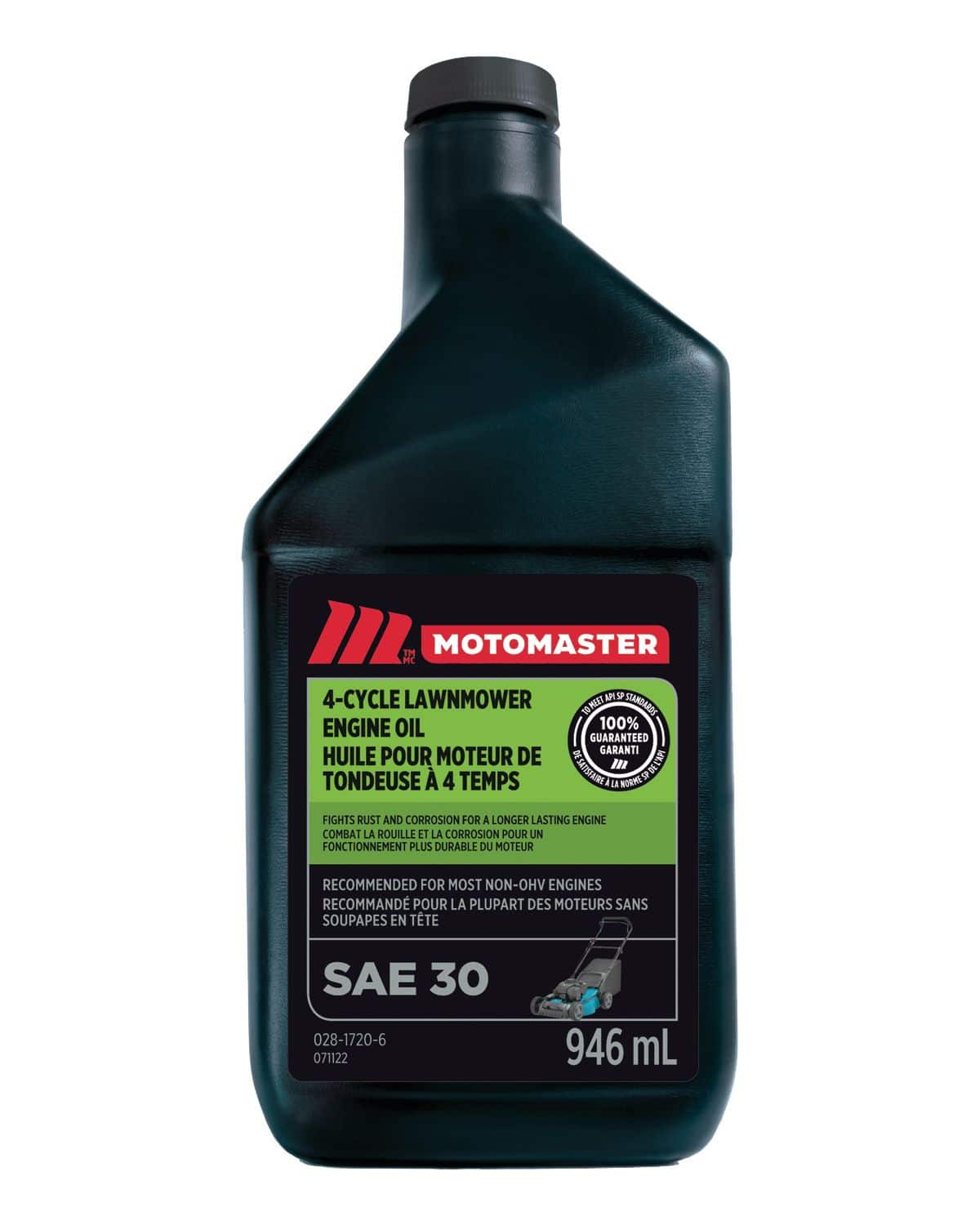
The best oil for riding lawn mowers is usually SAE 30 or 10W-30. Always check your mower’s manual. Use high-quality, detergent oils designed for small engines to ensure optimal performance and engine protection.
How Often Should I Change Riding Mower Oil?
Change the oil after the first 5 hours of use for new mowers. Then, replace it every 50 hours or once per mowing season. Regular oil changes keep the engine running smoothly and extend mower lifespan.
Can Synthetic Oil Be Used In Riding Mowers?
Yes, synthetic oils are suitable for riding mowers. They offer better engine protection and perform well in extreme temperatures. Always confirm compatibility with your mower’s manual before switching to synthetic oil.
What Happens If I Use The Wrong Oil Type?
Using the wrong oil can reduce engine efficiency and cause damage. It may lead to poor lubrication, increased wear, and overheating. Always use the recommended oil type to maintain mower performance and avoid costly repairs.
Conclusion
Choosing the right oil keeps your riding lawn mower working well. Use the oil type recommended in the mower’s manual. Good oil protects the engine from wear and tear. Change the oil regularly to avoid engine problems. Clean oil helps the mower run smoothly and last longer.
Pay attention to oil levels before each use. Proper oil care saves money and time on repairs. A well-oiled mower gives better cutting performance every time. Simple steps make your mower ready for any lawn job.