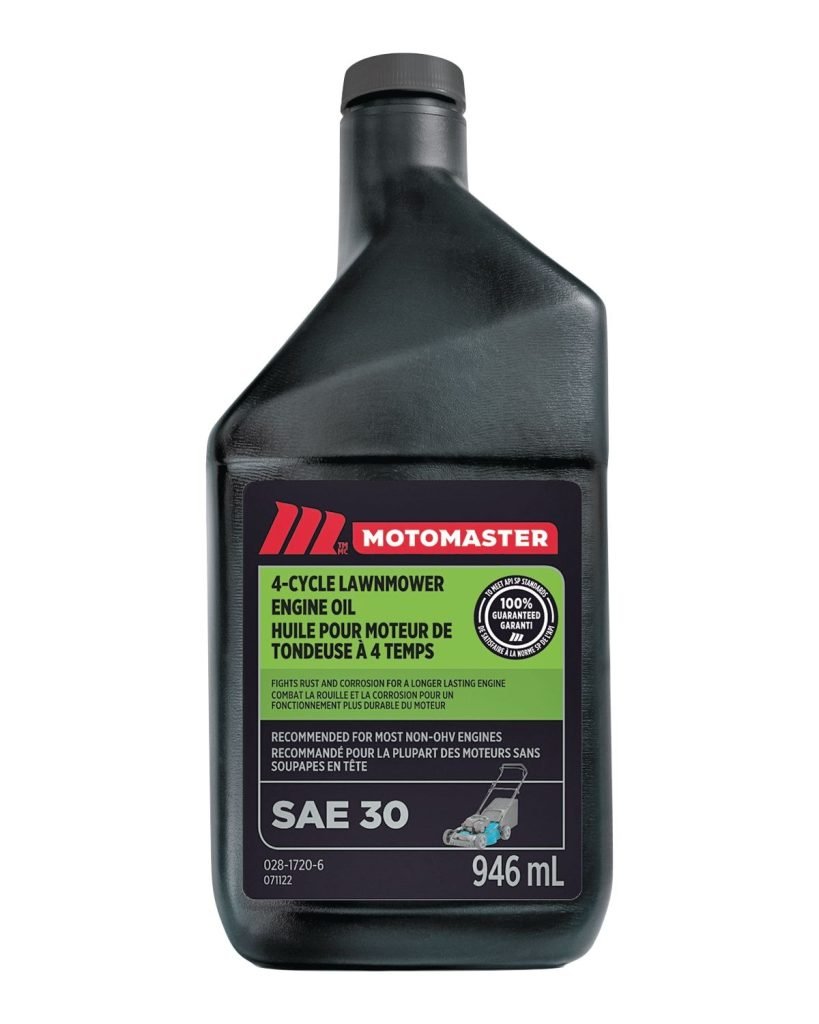
You’re ready to tackle your lawn and keep it looking pristine. But wait—before you rev up your mower, have you considered what type of oil it needs?
Using the right oil in your lawn mower isn’t just about keeping it running smoothly. It’s about extending its life and ensuring peak performance. Imagine confidently mowing your lawn, knowing your machine is purring perfectly because you made the right choice.
Curious about what oil your mower craves? Stick around, and discover how a simple decision can make a world of difference for your trusty garden companion.
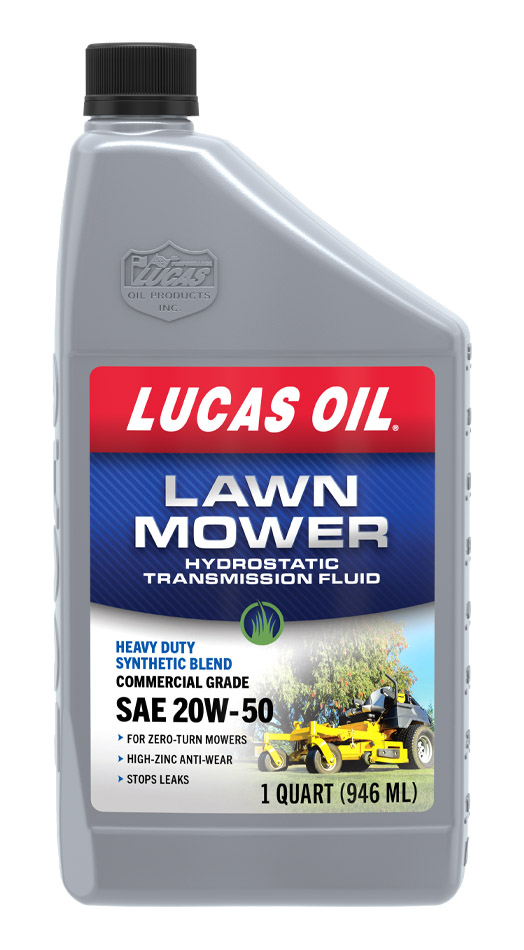
Credit: www.lucasoil.com
Types Of Lawn Mower Engines
Understanding the type of engine your lawn mower has is crucial when choosing the right oil. Different engines require different oils to run smoothly and last longer. Knowing whether your mower uses a two-stroke or four-stroke engine helps you avoid costly mistakes and keeps your mower performing at its best.
Two-stroke Engines
Two-stroke engines are common in smaller, handheld lawn mowers and trimmers. These engines mix oil with gasoline, so you don’t add oil separately to the crankcase. The oil-gas mixture lubricates the engine as it runs, which means you need a special two-stroke oil designed for this purpose.
If you try to use regular motor oil in a two-stroke engine, it won’t mix properly with gasoline, leading to poor lubrication and engine damage. Always check your mower’s manual for the exact oil-to-gas ratio, as it varies between models. Have you ever experienced your mower sputtering or smoking? That could be a sign of incorrect oil mixture.
Four-stroke Engines
Four-stroke engines are found in most push and riding lawn mowers. These engines have a separate oil reservoir, so you add oil directly to the crankcase. Unlike two-stroke engines, the oil doesn’t mix with the fuel but circulates separately to lubricate the engine parts.
Using the right type of oil, usually SAE 30 or 10W-30, keeps the engine running clean and cool. Some four-stroke engines require synthetic or semi-synthetic oils for better performance in extreme temperatures. If you’ve ever checked your oil level and wondered why it’s important, this is the reason—it prevents engine wear and overheating.
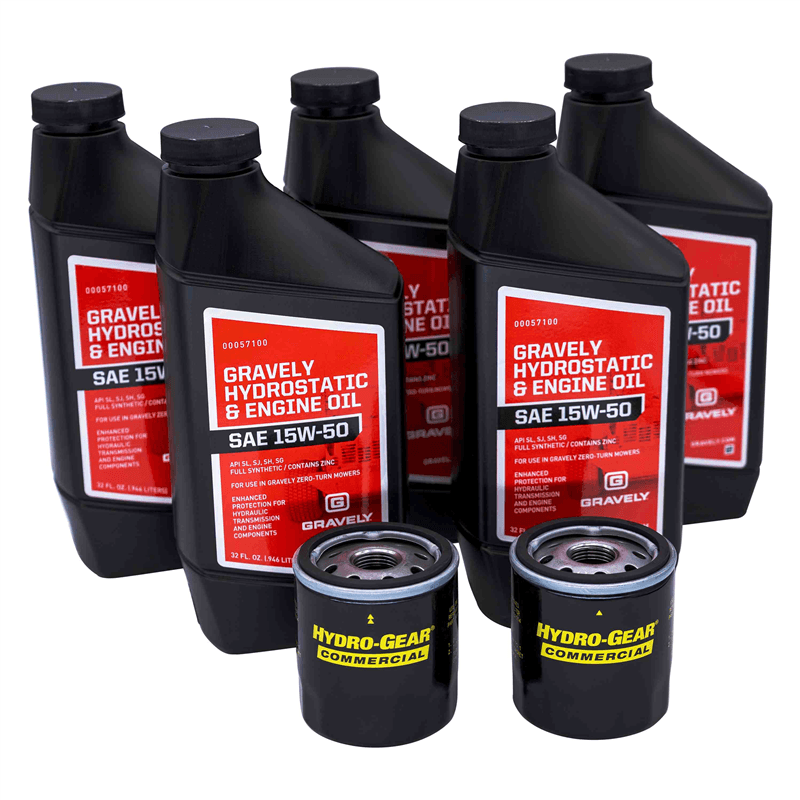
Credit: www.ariens.com
Common Types Of Oils For Lawn Mowers
Choosing the right oil for your lawn mower is essential for its performance. Oils protect the engine parts from wear and tear. They also help the engine run smoothly in different temperatures. Here are the most common types of oils used in lawn mowers.
Sae 30 Oil
SAE 30 oil is a popular choice for lawn mowers. It works best in warm weather. This oil is thick and provides good protection at higher temperatures. Many small engines recommend SAE 30 for summer use. It helps keep the engine clean and running well.
10w-30 Oil
10W-30 oil is versatile and works in various temperatures. It is thinner when cold and thicker when hot. This makes it easier to start the engine in cooler weather. Many modern lawn mowers use 10W-30 oil for year-round performance. It balances protection and engine efficiency.
Synthetic Oils
Synthetic oils offer better protection than regular oils. They resist breakdown in extreme heat and cold. Synthetic oils keep engines cleaner for longer. They can improve fuel efficiency and reduce engine wear. Some lawn mower users prefer synthetic oils for longer engine life.
Choosing The Right Oil For Your Mower
Choosing the right oil for your lawn mower is crucial to keep the engine running smoothly and extend its life. Using the wrong type of oil can cause poor performance, increase wear, and even damage the mower. Understanding how to select the appropriate oil will save you time, money, and frustration during your mowing seasons.
Checking The Owner’s Manual
Your mower’s owner’s manual is the most reliable source for oil recommendations. It provides specific information about oil type, grade, and capacity tailored to your engine model. Ignoring this guide can lead you to use incorrect oil, which might void warranties or reduce engine efficiency.
Keep your manual handy or look up your mower’s model online if you’ve misplaced it. Some manufacturers also include tips for oil changes and maintenance intervals that you won’t want to miss.
Considering Climate And Temperature
The climate where you live affects the oil you should use. Colder temperatures require oils that flow easily during startup, while hotter climates benefit from oils that maintain thickness to protect the engine.
Ask yourself: Does your area experience harsh winters or intense summers? For example, if you live in a cold region, a multi-grade oil like 10W-30 works better because it adapts to temperature changes and keeps the engine lubricated from the moment you start it.
Oil Viscosity Explained
Viscosity refers to how thick or thin the oil is at certain temperatures. Lower viscosity oils flow easily but may not protect well under heavy loads, while higher viscosity oils offer better protection but can be sluggish in cold weather.
| Viscosity Grade | Best Use | Temperature Range |
|---|---|---|
| 5W-30 | Cold starts, cooler climates | Below 32°F to 86°F |
| 10W-30 | General use, moderate climates | Below 32°F to 100°F |
| 30W | Warm weather, older engines | Above 40°F |
Choosing the right viscosity means matching the oil’s flow properties with your mower’s operating conditions. This choice helps your engine start easily and stay protected during mowing.
How To Change Lawn Mower Oil
Changing the oil in your lawn mower keeps the engine running smoothly. It extends the life of your mower and improves performance. Regular oil changes prevent dirt and debris from damaging the engine parts. This guide explains how to change lawn mower oil safely and easily.
Tools You’ll Need
- Fresh lawn mower oil (check your manual for the type)
- Oil drain pan or container
- Wrench or socket set
- Funnel
- Clean rags or paper towels
- Gloves (optional for cleanliness)
Step-by-step Oil Change Process
Start by warming the engine for a few minutes. Warm oil drains faster and more completely. Turn off the mower and disconnect the spark plug wire for safety.
Place the oil drain pan under the oil drain plug. Use the wrench to loosen and remove the drain plug. Let the old oil drain into the pan completely.
Once drained, replace the drain plug and tighten it securely. Locate the oil fill cap and remove it. Use the funnel to pour in the fresh oil slowly.
Check the oil level with the dipstick or fill line on the mower. Add oil until it reaches the recommended level. Replace the oil fill cap and reconnect the spark plug wire.
Disposing Of Used Oil Properly
Never pour used oil down drains or on the ground. Used oil pollutes soil and water. Store the old oil in a sealed container.
Take the container to a recycling center or auto shop that accepts used oil. Proper disposal helps protect the environment and follows local laws.
Signs Your Lawn Mower Needs An Oil Change
Knowing when your lawn mower needs an oil change can save you from costly repairs and keep your equipment running smoothly. Ignoring the signs of old or dirty oil can lead to poor engine performance and even permanent damage. Here’s how to spot the warning signals before they become a problem.
Engine Performance Issues
If your mower’s engine starts sputtering, losing power, or running unevenly, it might be time to check the oil. Old oil loses its ability to lubricate and cool the engine effectively, causing these performance problems. Have you noticed your mower struggling more than usual? That’s a clear sign to inspect the oil condition.
Oil Color And Consistency
Fresh oil is usually golden or amber in color and flows smoothly. If you see the oil turning dark, thick, or gritty, it’s a strong indication that the oil is contaminated and no longer protecting your engine. Try wiping some oil on a white cloth—if it looks dirty or has particles, you should change it immediately.
Scheduled Maintenance Tips
Even if your mower seems fine, follow the manufacturer’s recommended oil change schedule. Typically, changing the oil after every 25 to 50 hours of use keeps your engine in top shape. Writing down the last oil change date or hours used helps you stay on track and avoid surprise issues.
Benefits Of Using Quality Oil
Using quality oil in lawn mowers offers many benefits. It protects the engine and keeps it running smoothly. Good oil helps the mower perform better and last longer. Choosing the right oil makes a big difference in maintenance and efficiency.
Improved Engine Longevity
Quality oil creates a strong barrier between engine parts. This reduces friction and wear over time. It keeps the engine cleaner by preventing sludge build-up. Clean engines face fewer breakdowns and need less repair. Using good oil helps the mower last many seasons.
Better Fuel Efficiency
Good oil helps the engine run with less effort. This lowers fuel consumption and saves money. The engine works smoothly without extra strain. Efficient engines use fuel wisely and reduce running costs. Using quality oil means less frequent trips to refuel.
Reduced Emissions
High-quality oil burns cleaner and reduces harmful smoke. It helps the engine operate at the right temperature. Cleaner engines release fewer pollutants into the air. This supports a healthier environment around your home. Using good oil lowers the mower’s impact on air quality.
Common Mistakes To Avoid With Lawn Mower Oil
Using the right oil for your lawn mower is important. Many owners make simple mistakes that hurt their mower’s engine. Avoiding these errors helps keep your mower running smooth and lasts longer.
Check your mower’s manual to know the correct oil type. Use the correct amount of oil to avoid damage. Regular oil changes keep the engine clean and working well.
Using The Wrong Oil Type
Choosing the wrong oil can cause engine problems. Some oils are too thick or thin for mower engines. Use oil recommended by the mower’s manufacturer. Using motor oil for cars can harm small engines. Stick with oils labeled for lawn mowers or small engines.
Overfilling Or Underfilling Oil
Too much oil can flood the engine. This may cause smoke and poor performance. Too little oil leads to poor lubrication. The engine parts wear quickly and can seize. Always fill oil to the level mark on the dipstick. Check oil level on flat ground for accuracy.
Neglecting Regular Oil Changes
Old oil loses its ability to protect the engine. Dirt and debris build up inside. This causes engine wear and overheating. Change oil after every 25 hours of use or yearly. More frequent changes are needed in dusty conditions. Fresh oil keeps the engine cool and clean.

Credit: www.amazon.com
Frequently Asked Questions
What Type Of Oil Is Best For Lawn Mowers?
The best oil for lawn mowers is SAE 30 for warm weather. Use 10W-30 for colder climates. Always check the manufacturer’s manual for specific recommendations to ensure optimal engine performance and longevity.
Can I Use Synthetic Oil In My Lawn Mower?
Yes, synthetic oil can be used in lawn mowers. It offers better engine protection and lasts longer than conventional oil. However, always verify compatibility with your mower’s manual before switching to synthetic oil.
How Often Should I Change Lawn Mower Oil?
Change your lawn mower oil after every 25 hours of use or at least once per season. Regular oil changes keep the engine running smoothly and prevent damage from dirty or degraded oil.
What Happens If I Use Wrong Oil In A Lawn Mower?
Using the wrong oil can cause poor lubrication, overheating, and engine wear. It may reduce performance and shorten your mower’s lifespan. Always use oil specified in the owner’s manual to avoid these issues.
Conclusion
Choosing the right oil keeps your lawn mower running smooth. Use the oil type recommended in your mower’s manual. Check oil levels often and change it regularly. Clean oil helps the engine last longer and work better. Don’t mix oil types or use dirty oil.
Taking care of your mower with the right oil saves time and money. A well-oiled mower makes lawn care easier and more efficient. Simple steps lead to a healthier mower and a greener lawn.





