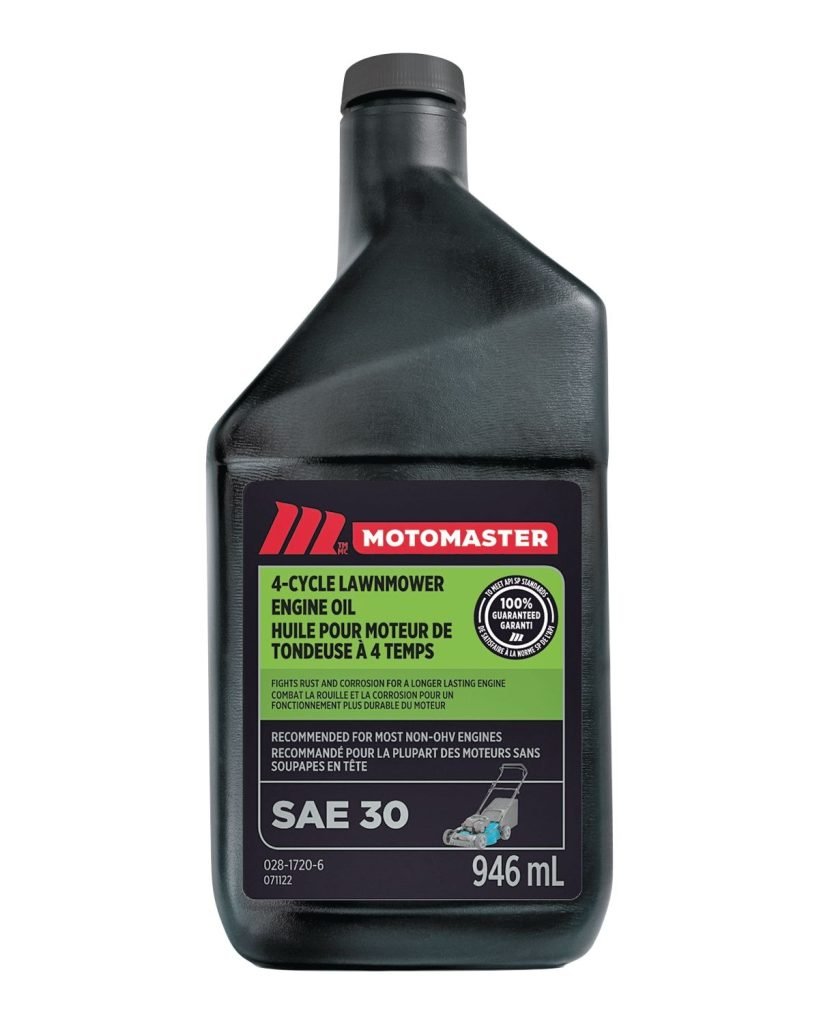
Imagine you’re ready to tackle your lawn, but your trusty mower isn’t quite cooperating. You check the tank and realize it needs oil.
But what type of oil do you put in lawn mowers? This might seem like a small detail, but choosing the right oil can make a big difference in your mower’s performance and lifespan. In this guide, we’ll dive into the specifics of lawn mower oil, helping you understand why it matters and how to choose the right type.
Whether you’re a seasoned gardener or just starting out, this information will empower you to keep your lawn looking its best with minimal hassle. Ready to give your mower the care it deserves? Let’s get started!
Choosing The Right Oil
Choosing the right oil for a lawn mower is essential for its smooth operation. Using the correct oil protects the engine from wear and tear. It also helps the mower run efficiently and last longer. Understanding different oil types and their properties makes the choice easier.
Oil Types For Lawn Mowers
There are mainly two types of oil for lawn mowers: two-stroke and four-stroke oils. Two-stroke oil mixes with gasoline and is used in smaller engines. Four-stroke oil is used in larger engines and does not mix with fuel. Always check the mower’s manual to know which type is needed.
Synthetic Vs Conventional Oil
Synthetic oil is made from chemically engineered components. It offers better protection at extreme temperatures. Conventional oil comes from crude oil and is less expensive. Synthetic oil lasts longer and keeps the engine cleaner. Choose synthetic oil for better performance and longer engine life.
Viscosity And Its Importance
Viscosity measures how thick or thin the oil is. It affects how well the oil flows inside the engine. Lawn mowers usually need oil with a viscosity of 30 or 10W-30. Thicker oil protects better in hot weather. Thinner oil flows easier in cold weather. Always use the viscosity recommended by the mower’s manufacturer.

Credit: lawnsmartkc.com
Checking Your Mower’s Manual
Before you pour any oil into your lawn mower, your best guide is the mower’s manual. This booklet holds key information tailored to your specific model. Skipping this step can lead to using the wrong oil type, which might harm the engine or reduce its efficiency.
Manufacturer Recommendations
Every mower manufacturer tests their engines with particular oil types and grades. These recommendations are based on engine design and the operating conditions expected. You’ll often find advice like using SAE 30 for warm climates or 5W-30 for cooler weather.
Ignoring these guidelines can cause more frequent maintenance or even engine damage. Have you ever tried guessing the right oil only to end up with smoke or poor performance? The manual helps you avoid that guesswork entirely.
Oil Capacity And Specifications
Your mower’s manual also tells you how much oil to add. Overfilling or underfilling can both cause serious engine problems. The manual will specify the exact volume, often measured in quarts or ounces.
Along with quantity, it lists oil specifications like API service categories or synthetic versus conventional oil. These details matter because they ensure the oil protects the engine parts during operation. Do you know exactly how much oil your mower needs? Checking this can save you a costly trip to the repair shop.
How To Change Lawn Mower Oil
Changing your lawn mower’s oil is one of the best ways to keep it running smoothly and extend its life. It might seem tricky if you’ve never done it before, but with the right tools and clear steps, you’ll find it’s quite manageable. Let’s break down everything you need to know to change your lawn mower oil confidently.
Tools And Materials Needed
- New lawn mower oil (check your owner’s manual for the correct type and amount)
- Oil drain pan or container to catch used oil
- Socket wrench or screwdriver (depending on your mower’s drain plug)
- Funnel for pouring new oil
- Rags or paper towels for cleanup
- Gloves to protect your hands
- Oil filter (if your mower has one and it needs replacement)
Having all these ready before you start saves you from scrambling mid-task. Think about safety too—wear gloves and work in a well-ventilated area.
Step-by-step Oil Change Process
Begin by warming up the engine for a few minutes. Warm oil flows out easier, making the drain faster and cleaner.
Place your oil drain pan under the drain plug. Remove the plug carefully with your wrench or screwdriver. Let the oil drain completely—this might take a few minutes.
While the oil drains, check your air filter or clean any debris around the engine. Once drained, replace the drain plug securely to avoid leaks.
Use a funnel to pour in the new oil. Pour slowly and check the oil level with the dipstick to avoid overfilling. Replace the oil cap tightly.
Start the mower briefly to circulate the new oil, then turn it off and check the level again. Add more oil if needed.
Disposing Of Used Oil Safely
Used oil is hazardous to the environment and shouldn’t be thrown in the trash or poured on the ground. Collect the old oil in a sealed container to avoid spills.
Many auto shops, recycling centers, and local waste facilities accept used oil. Find one near you and drop off the oil responsibly.
Remember, your small effort in proper disposal helps protect the environment and keeps your community clean. Have you checked where your closest oil recycling point is?
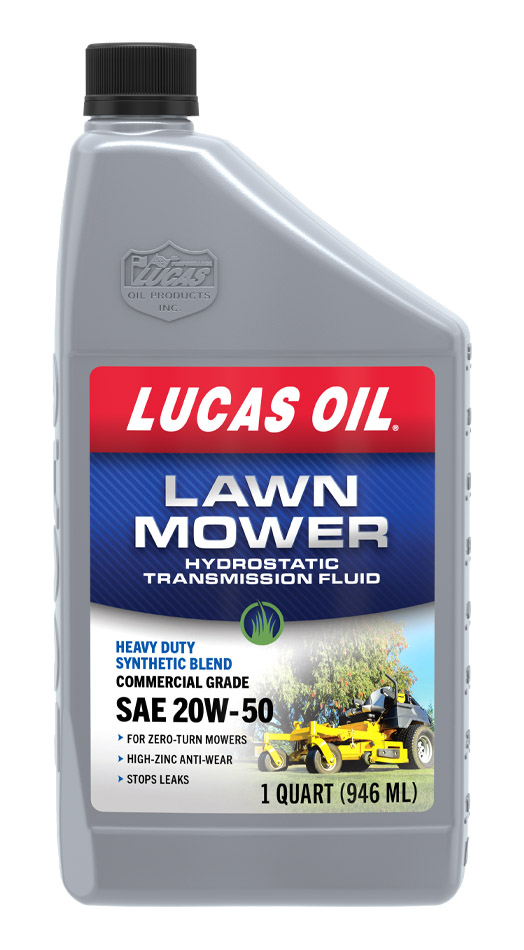
Credit: www.lucasoil.com
Signs Of Oil Problems
Oil plays a vital role in lawn mower engines. It keeps parts moving smoothly and prevents damage. Knowing the signs of oil problems helps keep your mower running well. Ignoring these signs can lead to costly repairs. Check oil regularly and watch for changes.
Engine Performance Issues
Slow or rough engine starts often signal oil trouble. The engine may stall or hesitate. You might hear unusual knocking or grinding sounds. Poor engine performance reduces mowing efficiency. It also increases wear on engine parts.
Oil Color And Consistency
Healthy oil is usually clear or light amber. Dark, thick, or gritty oil means contamination. Milky or foamy oil shows water or coolant mixing. These changes reduce oil’s ability to lubricate. Regular oil checks prevent serious engine damage.
Leak Detection
Oil leaks leave visible stains under the mower. Look for fresh oil spots on the ground. Check around the oil cap and drain plug. Leaks lower oil levels and harm engine health. Seal or replace faulty parts to stop leaks fast.
Seasonal Oil Maintenance
Seasonal oil maintenance is crucial for keeping your lawn mower running smoothly throughout the year. Changing and checking the oil at the right times protects the engine from wear and tear. It also ensures your mower starts easily when you need it most.
Preparing For Storage
Before you store your mower for the winter, draining the old oil is essential. Old oil can become acidic and damage engine parts over time. After draining, add fresh oil to keep the engine lubricated and prevent rust.
Don’t forget to run the engine for a few minutes after adding new oil. This helps the oil circulate and coat all engine components. If you skip this step, your mower might face startup problems when spring arrives.
Oil Change Frequency
How often should you change your lawn mower’s oil? It depends on how much you use it. A good rule is to change the oil after every 25 hours of operation or at least once a season.
If you mow frequently or in dusty conditions, consider changing oil more often. Fresh oil improves engine efficiency and extends the mower’s life. Have you checked your mower’s oil level recently? It might be time for a quick refill or full change.

Credit: www.youtube.com
Frequently Asked Questions
What Type Of Oil Is Best For Lawn Mowers?
Use SAE 30 oil for most lawn mowers in warm weather. For colder climates, 10W-30 multi-viscosity oil works well. Always check your mower’s manual for specific recommendations to ensure optimal performance and engine life.
How Often Should I Change Lawn Mower Oil?
Change your lawn mower oil after every 25 hours of use or once per mowing season. Regular oil changes keep the engine running smoothly and prevent damage caused by dirty or degraded oil.
Can I Use Car Oil In My Lawn Mower?
Car oil can be used if it meets the mower’s specifications. Use 10W-30 multi-viscosity oil for most small engines. Avoid synthetic oils unless the manual specifically recommends them, as they may not suit all mower engines.
What Happens If I Use The Wrong Oil In A Mower?
Using the wrong oil can cause poor lubrication and engine damage. It may lead to overheating, increased wear, and reduced engine life. Always use the oil type recommended by the manufacturer to avoid costly repairs.
Conclusion
Choosing the right oil keeps your lawn mower running smooth. Use the oil type your mower’s manual suggests. Regular oil changes protect the engine from damage. Clean oil helps the mower cut grass better and last longer. Remember, good care saves you money on repairs.
Check the oil level before each use. A well-oiled mower means a healthy lawn all season. Simple steps make a big difference in mower performance. Take time to do it right. Your mower will thank you.





