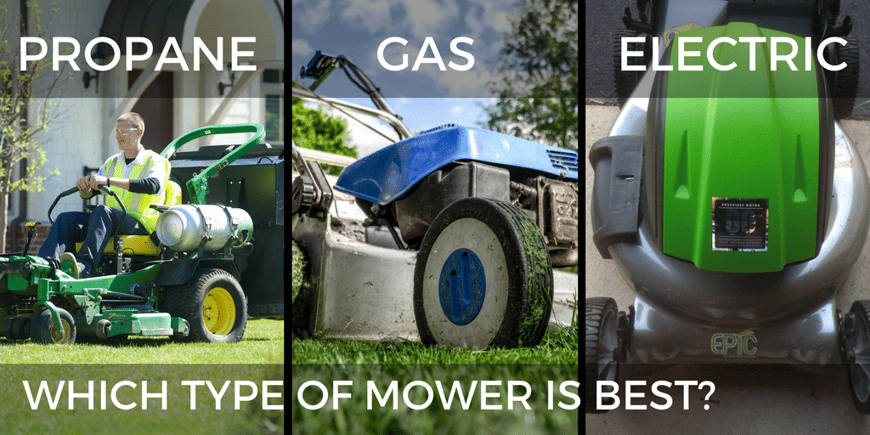
Do you ever find yourself standing in the gas station, staring at the pumps, and wondering which type of gas your lawn mower needs? You’re not alone.
Many people find the world of lawn mower fuel confusing, but choosing the right gas is crucial for your mower’s performance and longevity. Using the wrong type can lead to inefficiency or even damage. We’ll clear up the mystery and provide you with simple, straightforward advice on what type of gas will keep your lawn mower running smoothly.
Stick around, because what you learn could save you time and money, and help you avoid a lot of frustration.
Common Gas Types For Lawn Mowers
Choosing the right type of gas for your lawn mower is crucial for its performance and longevity. Different lawn mowers require specific fuels depending on their engine type. Understanding these common gas types helps you avoid damage and keeps your mower running smoothly.
Regular Unleaded Gas
Most four-stroke lawn mowers use regular unleaded gasoline with an octane rating of 87 or higher. This fuel is widely available and works well for engines designed to run on standard gas. Using premium gas usually doesn’t improve performance, so sticking to regular unleaded saves you money without risking damage.
Have you ever noticed your mower sputtering or running roughly? It might be time to check if you’re using the correct gas type. Regular unleaded gas is typically the safest choice unless your mower’s manual says otherwise.
Ethanol Blends
Ethanol blends, such as E10 (10% ethanol, 90% gasoline), are common at gas stations and compatible with many lawn mowers. However, ethanol can attract moisture and cause corrosion in small engines if left unused for a long time. If you don’t use your mower frequently, consider ethanol-free fuel or additives that stabilize ethanol blends.
Do you store your mower over winter? Ethanol blends can cause engine issues if fuel is left sitting too long. Adding a fuel stabilizer before storage prevents these problems and keeps your mower ready for the next mowing season.
Two-stroke Oil Mix
Two-stroke engines require a mix of gasoline and two-stroke oil to lubricate the engine parts during operation. This mix is usually specified by the manufacturer, such as a 50:1 gas-to-oil ratio. Using straight gas in a two-stroke engine can cause severe damage, so always prepare the correct mix before fueling.
If you’ve used a two-stroke mower, you know mixing fuel can be a hassle but it’s necessary. Investing in pre-mixed fuel or a measuring container can make this task easier and prevent costly mistakes.
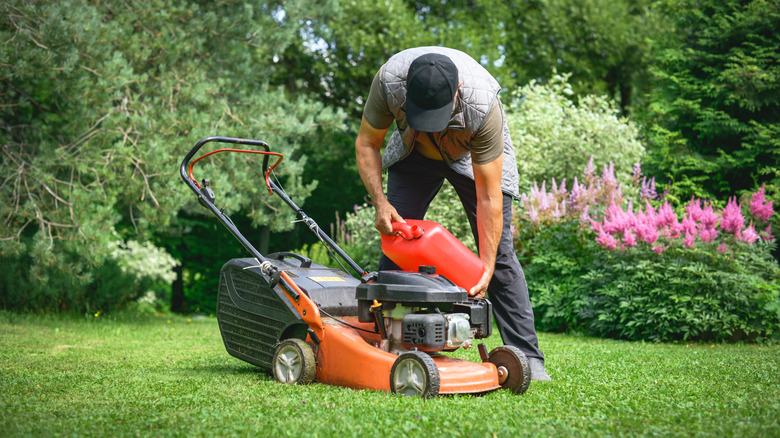
Credit: www.hunker.com
How Gas Type Affects Performance
The type of gas used in a lawn mower plays a key role in its performance. Different fuels can change how the mower runs and lasts. Choosing the right gas helps the mower work at its best. It affects power, engine life, and how much fuel the mower uses. Understanding these effects helps in making a smart choice for your mower’s fuel.
Power Output
The gas type affects the mower’s power. Higher-octane fuels burn cleaner and more efficiently. This can lead to smoother engine operation and better cutting performance. Using the wrong gas might cause the mower to run weak or stall. Proper fuel ensures the mower delivers steady power for tough grass.
Engine Longevity
Fuel quality impacts engine life. Clean-burning gas reduces deposits inside the engine. This lowers wear and tear on parts. Using old or improper fuel can cause buildup and damage. Fresh, correct gas helps the engine stay healthy longer and reduces maintenance needs.
Fuel Efficiency
Different gas types affect how much fuel the mower uses. Efficient fuel burns completely, giving more run time per tank. Poor-quality or wrong fuel wastes energy and costs more. Choosing the right gas means fewer refills and better fuel economy for your mower.
Choosing The Right Gas For Your Mower
Choosing the right gas for your lawn mower isn’t just about filling up the tank. The type of fuel you use directly affects how well your mower runs and how long it lasts. Taking a moment to understand what works best for your machine can save you headaches and money down the road.
Checking Manufacturer Recommendations
Your mower’s manual is your best friend when selecting fuel. Manufacturers test their engines with specific gas types, so following their advice ensures peak performance. Using the wrong fuel might lead to engine knocking or reduced efficiency.
If you misplaced the manual, many manufacturers post guidelines online. Checking these details helps you avoid costly repairs. Have you ever guessed the fuel type and ended up with engine trouble? That’s a clear sign to consult the official recommendations first.
Considering Engine Type
Different engines require different fuels. Four-stroke engines, common in most push mowers, typically use regular unleaded gasoline. However, two-stroke engines need a mix of gas and oil to operate smoothly.
Using straight gas in a two-stroke engine can cause serious damage. On the other hand, a four-stroke engine running on a gas-oil blend will smoke and lose power. Knowing your engine type is essential to pick the right fuel and keep your mower in top shape.
Local Fuel Availability
The best fuel for your mower won’t do much good if it’s hard to find where you live. Some areas have ethanol-blended gasoline, which can harm small engines over time. If your mower isn’t designed for ethanol, look for ethanol-free options or additives that protect the engine.
Think about your local gas stations and the fuel types they offer. Is ethanol-free gas available, or will you need to buy additives? This practical consideration can extend your mower’s life and keep it running smoothly every season.
Common Mistakes With Lawn Mower Fuel
Fueling your lawn mower might seem straightforward, but small errors can cause big problems. Using the wrong type of gas, poor storage habits, or skipping fuel additives can damage your mower’s engine. These mistakes not only reduce performance but can also lead to costly repairs. Let’s look at some common fuel-related errors and how you can avoid them.
Using Wrong Gas Types
Not all lawn mowers run on the same fuel. Most push mowers use regular unleaded gasoline, while some older or specialized models require a gas-oil mix. Using diesel, E85, or premium gas when it’s not recommended can clog your engine or cause it to stall.
Have you ever grabbed the wrong gas at the pump? Even a small amount can cause rough running or prevent your mower from starting. Always check your owner’s manual before filling the tank to avoid these issues.
Storing Gas Improperly
Gasoline can degrade quickly when left in the tank or containers for months. Storing fuel in unapproved or clear containers exposes it to air, light, and moisture, which speeds up breakdown.
Imagine trying to start your mower after winter with old gas—it often won’t run well or at all. Use a proper, sealed gas container and keep it in a cool, shaded place to maintain fuel quality longer.
Neglecting Fuel Stabilizers
If you don’t use your mower frequently, fuel stabilizers can be a lifesaver. They prevent gasoline from breaking down and forming varnish that clogs fuel lines and carburetors.
Many people skip this step, thinking fresh gas is enough, but stale fuel can cause major headaches. Adding stabilizer before storing your mower for a few months helps keep the engine clean and ready to start next season.
Tips For Maintaining Fuel Efficiency
Maintaining fuel efficiency in lawn mowers helps save money and reduces engine wear. Simple care routines keep your mower running smoothly and use less gas. Small changes in how you handle fuel and maintenance make a big difference over time.
Regular Cleaning And Maintenance
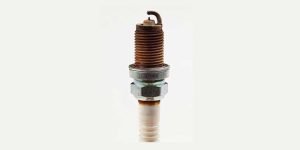
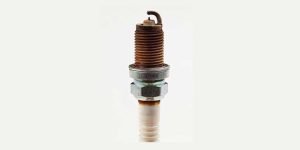
Keep the mower clean to avoid fuel waste. Remove grass clippings and dirt from the air filter and carburetor. Check spark plugs and replace if dirty or worn. Clean blades improve cutting performance and reduce engine strain. Inspect and tighten fuel lines to prevent leaks. Regular oil changes keep the engine running efficiently.
Proper Gasoline Storage
Store gasoline in a cool, dry place away from sunlight. Use approved containers designed for fuel storage. Avoid buying more gas than needed to prevent fuel from going stale. Add fuel stabilizer if the gasoline will sit unused for over 30 days. Old fuel causes poor engine performance and higher fuel use. Always seal containers tightly to keep air out.
Seasonal Fuel Preparation
Drain old fuel before storing your mower for the season. Use fresh gasoline with the right octane level when restarting the mower. Add fuel stabilizer to prevent breakdown during storage. Run the engine briefly to circulate the stabilizer in the fuel system. Check fuel filters and replace if clogged. These steps help the mower start easily and run efficiently after storage.
Credit: www.slashgear.com

Credit: powersmartusa.com
Frequently Asked Questions
What Type Of Gas Do Most Lawn Mowers Use?
Most lawn mowers use unleaded gasoline with an octane rating of 87 or higher. This fuel type ensures optimal engine performance and reduces the risk of damage or clogging.
Can I Use Regular Gasoline In My Lawn Mower?
Yes, regular unleaded gasoline with 87 octane is suitable for most lawn mowers. Avoid using gasoline with more than 10% ethanol as it can harm the engine.
Is Mixed Fuel Required For 2-stroke Lawn Mowers?
Yes, 2-stroke lawn mowers need a gas and oil mixture. The typical ratio is 50:1 gas to oil, ensuring proper engine lubrication and smooth operation.
Why Should I Avoid Ethanol Fuel In Lawn Mowers?
Ethanol absorbs moisture and can cause corrosion inside the mower’s engine. It also leads to poor performance and starting problems over time.
Conclusion
Choosing the right gas keeps your lawn mower running well. Most mowers use regular unleaded gasoline with up to 10% ethanol. Avoid old or stale fuel to prevent engine problems. Mixing oil is needed only for two-stroke engines. Check your mower’s manual for exact fuel needs.
Using the proper gas saves time and money. It also helps the mower last longer. Simple steps like this make lawn care easier and more efficient. Keep your mower fueled right, and your lawn will look great.