If you want your mower to start smoothly every time and avoid costly repairs, using the right fuel stabilizer is key. But with so many options out there, how do you know which type is best for your mower?
Choosing the wrong fuel stabilizer can cause engine problems and wasted money. You’ll discover exactly what type of fuel stabilizer works best for your mower, helping you protect your investment and keep your lawn looking perfect. Keep reading to find out how a simple product can save you time, money, and frustration.
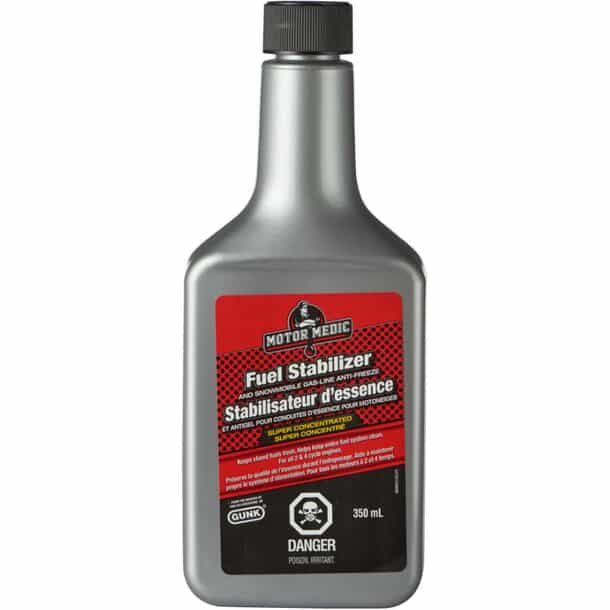
Credit: www.homehardware.ca
Why Fuel Stabilizers Matter
Fuel stabilizers play an important role in keeping lawn mowers running smoothly. Gasoline can break down over time, causing problems for your mower’s engine. Using the right fuel stabilizer helps protect the fuel and keeps the mower ready to use, even after long storage periods. Understanding why fuel stabilizers matter can save you money and avoid frustration.
Effects Of Fuel Degradation
Fuel degrades when exposed to air, heat, or moisture. It becomes thick and sticky, clogging fuel lines and filters. This buildup can cause the engine to run poorly or not start at all. Old fuel may also lose its ability to ignite properly, leading to rough running or stalling. Over time, deposits form inside the engine, causing damage and reducing mower life.
Benefits For Lawn Mowers
- Keeps fuel fresh during storage
- Prevents clogging of fuel systems
- Ensures easier starting after long breaks
- Reduces engine wear and tear
- Improves overall mower performance
Using a fuel stabilizer helps maintain mower efficiency. It protects the engine and extends the mower’s lifespan. This simple step saves time and repair costs.
Types Of Fuel Stabilizers
Choosing the right fuel stabilizer for your mower can make a big difference in keeping the engine running smoothly during periods of inactivity. Different types of stabilizers work best depending on the fuel type and storage conditions. Understanding these options helps you pick a product that protects your mower and saves you from costly repairs later.
Oil-based Stabilizers
Oil-based stabilizers mix fuel with lubricating oils to prevent fuel breakdown and keep engine parts protected. They are excellent for long-term storage because they form a protective layer inside the fuel system. If your mower sits idle for months, these stabilizers help prevent corrosion and varnish buildup.
Many users find oil-based stabilizers easy to use since they often require just a small amount added directly to the fuel tank. Have you noticed how some mowers start effortlessly after winter? Oil-based stabilizers could be the reason behind that reliable start.
Alcohol-based Stabilizers
Alcohol-based stabilizers contain ethanol or methanol, which help keep fuel fresh by reducing water contamination and preventing phase separation. These stabilizers are especially useful if you use ethanol-blended fuels, which are common in many regions.
However, alcohol can sometimes dry out rubber seals or fuel lines, so it’s important to use these stabilizers carefully and according to the mower’s manufacturer recommendations. Have you ever experienced fuel system leaks after using certain additives? This type might be why.
Non-alcohol Stabilizers
Non-alcohol stabilizers avoid ethanol or methanol, making them ideal for sensitive engines or older mowers prone to fuel system damage. They focus on preventing oxidation and gum formation without the risks associated with alcohol-based products.
If your mower is older or you want to avoid potential rubber degradation, these stabilizers offer a safer option. They often work well with both gasoline and diesel fuels, providing versatile protection. What’s your experience with fuel additives—have you tried non-alcohol formulas and noticed better engine performance?
Choosing The Right Stabilizer
Choosing the right fuel stabilizer is key to keeping your mower’s engine healthy. It protects fuel from breaking down during storage. Picking a stabilizer depends on several factors. Understanding these can save you time and money. It also ensures your mower runs smoothly after storage.
Compatibility With Fuel Types
Fuel stabilizers differ based on fuel type. Some work best with gasoline, others with ethanol blends or diesel. Using the wrong stabilizer can cause engine problems. Check the stabilizer label for fuel compatibility. Some brands list specific fuel types they support. Using the right one keeps fuel fresh and engine safe.
Duration Of Fuel Storage
Fuel storage time affects stabilizer choice. Some stabilizers protect fuel for a few months only. Others offer protection for up to a year or more. Consider how long you plan to store the mower. Short-term storage needs less strong stabilizers. Long-term storage requires more powerful formulas.
Environmental Considerations
Choose stabilizers that are eco-friendly and non-toxic. Some contain harsh chemicals that harm the environment. Look for products labeled biodegradable or low in harmful substances. Proper disposal of leftover stabilizer is important. Protecting nature matters, even in lawn care.

Credit: www.homedepot.ca
How To Use Fuel Stabilizers
Choose a fuel stabilizer made for small engines or lawn mowers to keep gas fresh. Pour the right amount into the mower’s fuel tank before storage. This helps prevent fuel breakdown and keeps the mower running smoothly.
Using a fuel stabilizer for your mower is essential to keep the engine running smoothly, especially if you store it for extended periods. Fuel stabilizers prevent the fuel from breaking down and forming gum or varnish, which can clog the engine. But how exactly should you use fuel stabilizers to ensure your mower stays in tip-top shape?Correct Mixing Ratios
Getting the right mixing ratio is crucial. Most fuel stabilizers come with clear instructions on the label about how much to add per gallon of fuel. Typically, a small amount goes a long way—often just an ounce per gallon. Using too much can be wasteful and unnecessary, while too little won’t effectively stabilize the fuel. Always check the manufacturer’s guidelines to avoid any guesswork. A little attention to detail here can save you a lot of hassle later.Application Timing
Timing is everything when it comes to adding a fuel stabilizer. For optimal results, add the stabilizer to your fuel tank before filling it with fresh gas. This allows the stabilizer to mix thoroughly with the fuel as you fill the tank. Consider making this a habit every time you purchase fuel, especially during the off-season when your mower will be stored. This proactive approach ensures the engine remains clean and operational, even after months of inactivity.Storage Tips
Proper storage of your mower and its fuel can extend the life of both. Always store your mower in a cool, dry place to prevent moisture from affecting the fuel. Keep the fuel tank full during storage to minimize air space, which reduces the chance of condensation. If you have extra fuel stored in containers, ensure they’re tightly sealed and labeled with the date you added the stabilizer. This helps you track the fuel’s age and ensures you use the oldest fuel first, maintaining a fresh supply. Have you ever considered how a simple habit like using a fuel stabilizer can save you from costly repairs? Implementing these easy steps can make a significant difference in your mower’s performance and longevity.Common Mistakes To Avoid
Using a fuel stabilizer for your mower can save you time and money, but only if you use it correctly. Many people make avoidable errors that reduce the effectiveness of the product or even harm their mower’s engine. Understanding these common mistakes helps you get the best results and keeps your mower running smoothly.
Overusing Stabilizer
More isn’t always better with fuel stabilizers. Adding too much stabilizer won’t protect your fuel any better—it can actually cause buildup inside the engine. I once added double the recommended amount, thinking it would extend my mower’s off-season storage, but it led to clogged fuel lines that needed professional cleaning.
Stick to the instructions on the bottle. Measure carefully and only add what’s necessary. Your mower’s engine will thank you with reliable starts and fewer maintenance headaches.
Ignoring Expiry Dates
Fuel stabilizers don’t last forever. Using an expired product can be ineffective or even harmful, as the chemicals may break down over time. I kept a bottle in my garage for two years and found it didn’t prevent fuel degradation as promised.
Check the expiration date before use and replace old stabilizers promptly. Treat it like any other chemical product—freshness matters for peak performance.
Using Incompatible Products
Not all fuel stabilizers are made equal, and some don’t mix well with certain fuel types or mower engines. Using a stabilizer that’s incompatible with your mower’s fuel can cause separation or deposits, leading to poor engine performance.
Read the label carefully to ensure compatibility with your mower’s fuel type—whether it’s gasoline, ethanol-blended fuel, or diesel. If you’re unsure, ask a professional or check your mower’s manual before adding anything to the tank.
Top Fuel Stabilizer Brands For Mowers
Choosing the right fuel stabilizer for your mower can save you from costly repairs and keep your engine running smoothly all season. Not all fuel stabilizers are created equal, and picking a trusted brand makes a big difference. Here, you’ll find top fuel stabilizer brands that are popular with everyday users and those favored by professionals.
Popular Consumer Choices
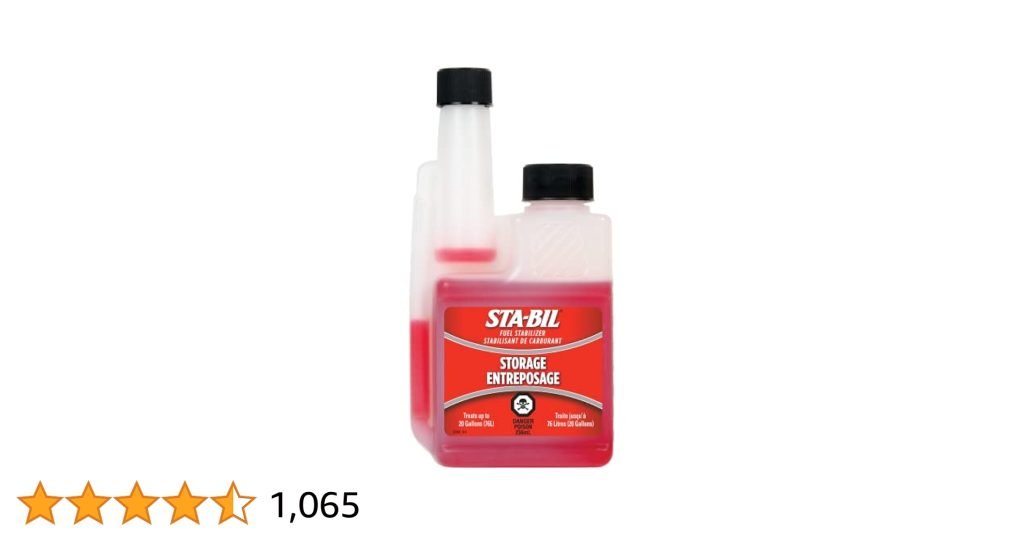
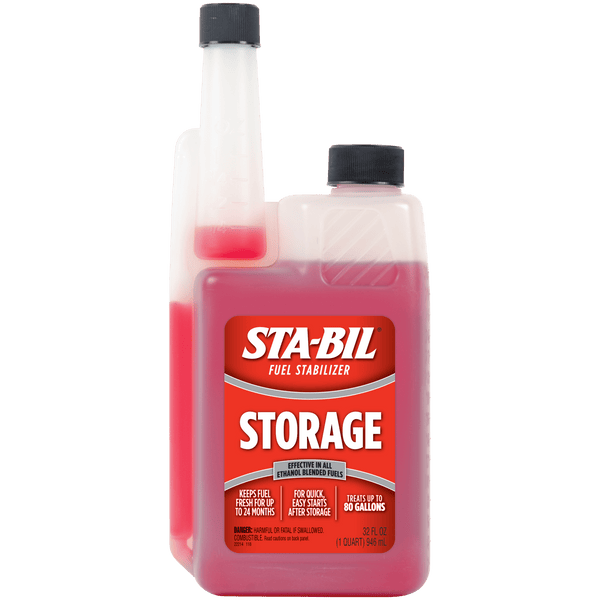
Many homeowners and casual users prefer fuel stabilizers that are easy to find and simple to use. Brands like <strongsta-biland <strongsea foamare popular because they effectively prevent fuel breakdown and keep your mower ready after long storage periods.</strongsta-bil
- Sta-Bil Fuel Stabilizer– Widely available and trusted, it protects against gum and varnish buildup. Many users report their mowers start effortlessly even after winter.
- Sea Foam Motor Treatment– Known for cleaning fuel systems and stabilizing fuel, it’s a favorite among those who want a multi-purpose solution.
- PRI Fuel Stabilizer– Affordable and reliable, it’s praised for extending fuel life and preventing corrosion in small engines.
These brands offer easy application and proven results. Have you noticed your mower struggling to start after storage? Using one of these can change that experience.
Professional Grade Options
If you’re looking for something more heavy-duty, especially for commercial or frequent use, professional-grade fuel stabilizers offer enhanced protection. These products often include advanced additives that clean, protect, and stabilize fuel under more demanding conditions.
- Briggs & Stratton Fuel Treatment– Designed specifically for small engines, it prevents corrosion and keeps fuel fresh up to 24 months.
- Lucas Oil Fuel Stabilizer– A high-quality option that protects against ethanol damage and improves engine performance.
- Red Line Fuel Stabilizer– Known for superior oxidation resistance, it’s ideal for those who want top-tier protection during extended storage.
These brands are often chosen by landscapers and professionals who depend on their equipment daily. Would you invest in a stabilizer that extends your mower’s life and reduces downtime? The right product can make that decision easier.
Signs Your Fuel Needs Stabilizing
Knowing when your mower’s fuel needs stabilizing helps avoid engine trouble. Fuel left too long breaks down and loses quality. This causes problems that affect your mower’s performance and lifespan.
Recognizing early signs of bad fuel saves time and money. Watch for changes in how your mower runs and how the fuel looks or smells. These signals show fuel instability and the need for a stabilizer.
Engine Performance Issues
A mower that runs rough or stalls often signals bad fuel. Difficulty starting or uneven idling means fuel may have degraded. Reduced power and sputtering during use also point to unstable fuel. These issues happen because old fuel clogs the engine parts. Fuel stabilizer prevents this by keeping fuel fresh longer.
Fuel Odor And Appearance Changes
Fresh fuel smells sweet and clean. A sour or varnish-like odor means the fuel is old or contaminated. Dark or cloudy fuel shows it has started to break down. Sticky or gummy deposits inside the tank or fuel lines are signs of fuel decay. Using a stabilizer stops these changes and keeps fuel clear and fresh.
Credit: www.mowmore.com
Frequently Asked Questions
What Type Of Fuel Stabilizer Is Best For Mowers?
The best fuel stabilizer for mowers is one formulated for small engines. Choose a product that prevents fuel degradation and protects engine parts during storage.
How Does Fuel Stabilizer Help Mower Engines?
Fuel stabilizer prevents gasoline from breaking down and forming deposits. It keeps the fuel fresh, avoiding clogging and improving mower engine performance.
Can I Use Any Fuel Stabilizer For My Mower?
Not all fuel stabilizers suit mowers. Use a stabilizer designed for small engines to ensure proper protection and avoid engine damage.
When Should I Add Fuel Stabilizer To My Mower?
Add fuel stabilizer before storing your mower for more than 30 days. It preserves fuel quality and helps start the mower easily after storage.
Conclusion
Choosing the right fuel stabilizer helps keep your mower running well. It stops fuel from going bad during storage. This saves you time and money on repairs. Use a stabilizer made for small engines and gasoline. Follow the instructions on the product label carefully.
Regular use keeps the mower’s engine clean and healthy. Protect your mower, so it starts easily every season. Small effort, big difference. Your mower will thank you.