Are you getting ready to change your spark plugs, but unsure about the right torque setting? You’re not alone.
Many car enthusiasts and DIY mechanics face this exact question. The torque for spark plugs is crucial, not just for the engine’s performance, but also to avoid damage to your vehicle. Applying the correct torque can make the difference between a smooth ride and a costly repair.
Imagine the relief of knowing you’ve done it right. We’ll dive into what torque your spark plugs need, ensuring your car runs efficiently and safely. Let’s get your engine purring perfectly. Read on, and drive with confidence.
Spark Plug Torque Basics
Understanding spark plug torque is key to keeping your engine running smoothly. Applying the right amount of torque ensures the spark plug seats properly, preventing leaks and damage. Let’s look at the basic ideas behind spark plug torque and why it should never be overlooked.
Why Torque Matters
The correct torque tightens the spark plug just enough to seal the combustion chamber. Too loose, and gases can escape, reducing engine efficiency. Too tight, and you risk stripping the threads or breaking the spark plug.
Think about tightening a jar lid—you want it snug but not so tight that you can’t open it later. Your engine works the same way. Proper torque helps maintain engine power, fuel efficiency, and reduces emissions.
Effects Of Incorrect Torque
Applying too little torque can cause misfires because the spark plug isn’t seated properly. This leads to rough idling and poor acceleration, which you’ll definitely notice.
Over-torquing is even more dangerous. It can crack the spark plug’s ceramic insulator or damage the cylinder head threads. Repairing this damage often costs more than the spark plugs themselves.
Have you ever wondered why some mechanics stress using a torque wrench? It’s because guessing torque can cause these exact problems. Using the right tool and knowing the correct torque value protects your engine and your wallet.
Credit: modernautoparts.co.za
Torque Specifications By Engine Type
Torque specifications for spark plugs vary by engine type. Proper torque ensures the spark plug seals correctly and functions well. Each engine type requires specific torque to avoid damage or poor performance. Understanding these differences helps maintain engine health and efficiency.
Standard Gasoline Engines
For most standard gasoline engines, spark plugs need moderate torque. Typically, the range is between 15 and 25 foot-pounds (20 to 34 Newton-meters). This range secures the plug without risking thread damage. Over-tightening can strip threads or crack the plug.
Use a torque wrench to reach the exact value. Hand-tightening first, then applying torque ensures accuracy. Proper torque keeps the engine running smoothly and avoids leaks.
Diesel Engines
Diesel engines generally require higher torque values for spark plugs or glow plugs. The range often falls between 30 and 45 foot-pounds (40 to 61 Newton-meters). Diesel engine parts are built stronger and demand tighter seals.
Incorrect torque may cause compression leaks or damage the cylinder head. Always follow manufacturer guidelines for exact numbers. Proper torque improves engine start and reduces wear.
High-performance Engines
High-performance engines need precise torque control to handle stress and heat. Torque values usually range from 20 to 30 foot-pounds (27 to 41 Newton-meters). These engines have special spark plugs made for power and speed.
Applying the right torque prevents plug damage and maintains engine efficiency. Use a calibrated torque wrench for best results. Tightening beyond specs can lead to engine problems or plug failure.
Tools For Measuring Torque
Getting the right torque on your spark plugs is key to engine performance and longevity. Using the right tools to measure torque ensures you don’t overtighten or undertighten, which can cause damage or poor engine function. Let’s look at some essential tools that help you get it just right.
Torque Wrenches
Torque wrenches are the most precise tool for tightening spark plugs. They let you set an exact torque value, so you apply just the right amount of force.
There are different types, like click-type, beam, and digital torque wrenches. Click-type wrenches are popular because they give an audible click when you reach the set torque.
Using a torque wrench can feel tricky at first. I once tightened a spark plug too loosely, causing misfires. After switching to a click-type torque wrench, the problem disappeared immediately.
Torque Sticks
Torque sticks are simpler tools that fit over your impact wrench. They flex at a certain torque level to prevent over-tightening.
These are handy if you want faster work and don’t want to constantly check a torque wrench. However, they are less precise and best used as a backup, not your only tool.
Think of torque sticks as a safety net. If you’re new to spark plug installation, they help avoid major mistakes but don’t rely on them for perfect accuracy.
Calibration Tips
Regularly calibrate your torque tools to keep them accurate. Even a small drift can cause you to miss the correct torque by several foot-pounds.
- Send your torque wrench to a professional calibration service every 6-12 months.
- Check calibration more often if you use the tool frequently.
- Store your torque wrench at its lowest setting to protect the spring mechanism.
Have you checked your torque wrench’s calibration recently? Using an uncalibrated tool is like guessing the torque, defeating the purpose entirely.

Credit: www.reddit.com
Step-by-step Torque Process
Tightening spark plugs to the correct torque is vital for engine health. The process ensures a proper seal and avoids damage. Follow these simple steps to torque your spark plugs accurately and safely.
Preparation And Cleaning
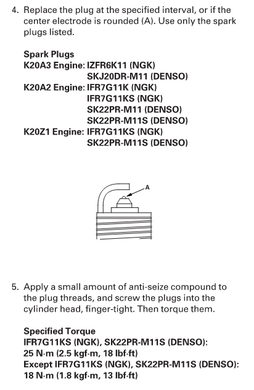
Start by inspecting the spark plug threads. Remove any dirt or debris with a clean brush. Check the spark plug gap using a gap tool. Apply a small amount of anti-seize compound to the threads. This prevents them from sticking or seizing over time. Make sure the engine cylinder head is clean and free of old sealant or debris.
Hand Tightening
Insert the spark plug into the hole carefully. Turn the spark plug by hand to avoid cross-threading. Hand-tighten it until it feels snug. This step ensures the plug is properly aligned and reduces the risk of damage. Never use tools for this step to prevent stripping the threads.
Applying Final Torque
Use a torque wrench set to the spark plug manufacturer’s recommended value. Slowly tighten the spark plug until the wrench clicks or indicates the set torque is reached. Avoid over-tightening, which can damage the threads or spark plug. If a torque wrench is unavailable, turn the plug an additional quarter turn after hand tightening for new plugs or about an eighth turn for used plugs.
Common Mistakes To Avoid
Proper torque on spark plugs is key to engine health. Mistakes during installation can cause serious problems. Avoiding these errors saves time and money. Understanding common pitfalls helps ensure the spark plugs work well and last longer.
Over-tightening Risks
Over-tightening spark plugs can damage the threads in the cylinder head. It may also crack the ceramic insulator of the plug. These issues lead to costly repairs and engine performance problems. Tightening should follow the manufacturer’s torque specifications closely.
Under-tightening Consequences
Under-tightening causes poor sealing between the plug and cylinder head. This allows combustion gases to escape. The spark plug might loosen during engine operation. This results in misfires, reduced fuel efficiency, and potential engine damage.
Cross-threading Issues
Cross-threading happens when spark plugs are inserted at the wrong angle. It damages the threads on both the plug and the cylinder head. This makes future removal difficult and may require expensive repairs. Always start threading by hand to avoid this problem.
Tips For Long-lasting Spark Plugs
Keeping your spark plugs in top shape isn’t just about picking the right ones—it’s also about how you treat them. Proper care can extend their life and improve your engine’s performance. You might be surprised how small actions during installation and maintenance can prevent costly repairs down the line.
Proper Installation Practices
Applying the correct torque is crucial for spark plug longevity. Too tight, and you risk damaging the threads or the plug itself. Too loose, and you could face poor engine performance or even combustion leaks.
Always use a torque wrench to tighten spark plugs to the manufacturer’s recommended specification. If you don’t have one, it’s worth investing in—your engine will thank you. Remember to gently thread the plug by hand first to avoid cross-threading.
Another tip: apply a small amount of anti-seize compound on the threads only if the manufacturer advises it. Overuse can cause you to over-tighten the plug unknowingly, leading to damage. Also, check the spark plug gap before installation; an incorrect gap affects ignition efficiency.
Regular Maintenance Checks
Even the best installation won’t guarantee long-lasting spark plugs without periodic checks. Inspect your spark plugs every 20,000 to 30,000 miles or as recommended for your vehicle. Look for signs of wear like erosion, carbon buildup, or oil deposits.
Changing spark plugs at the right intervals keeps your engine running smoothly and can improve fuel efficiency. Don’t wait for misfires or rough idling to prompt a check—catching issues early saves time and money.
Keep a record of your spark plug maintenance. This habit helps you track their condition and plan timely replacements. How often do you check your spark plugs? Making it part of your routine maintenance can make a big difference.

Credit: www.youtube.com
Frequently Asked Questions
What Is The Ideal Torque For Spark Plugs?
The ideal torque for spark plugs ranges between 10 to 15 Nm (7 to 11 ft-lbs). Always check your vehicle’s manual for specific torque values to avoid damage or poor performance.
Why Is Spark Plug Torque Important?
Proper torque ensures the spark plug seals correctly, preventing gas leaks. It also avoids over-tightening, which can damage threads or the plug itself.
How To Torque Spark Plugs Correctly?
Use a torque wrench to tighten spark plugs to the manufacturer’s specification. Hand-tighten first, then apply the recommended torque value for best results.
What Happens If Spark Plugs Are Over-tightened?
Over-tightening can strip threads, crack the spark plug, or damage the cylinder head. This leads to costly repairs and poor engine performance.
Conclusion
Correct torque for spark plugs ensures engine runs smoothly and safely. Tighten spark plugs to the manufacturer’s recommended level. Too tight can damage threads; too loose can cause poor performance. Use a torque wrench for best accuracy. Regular checks help avoid engine problems and save money.
Remember, proper spark plug torque keeps your vehicle reliable and efficient. Simple steps make a big difference in engine health. Keep this in mind for every spark plug change.





