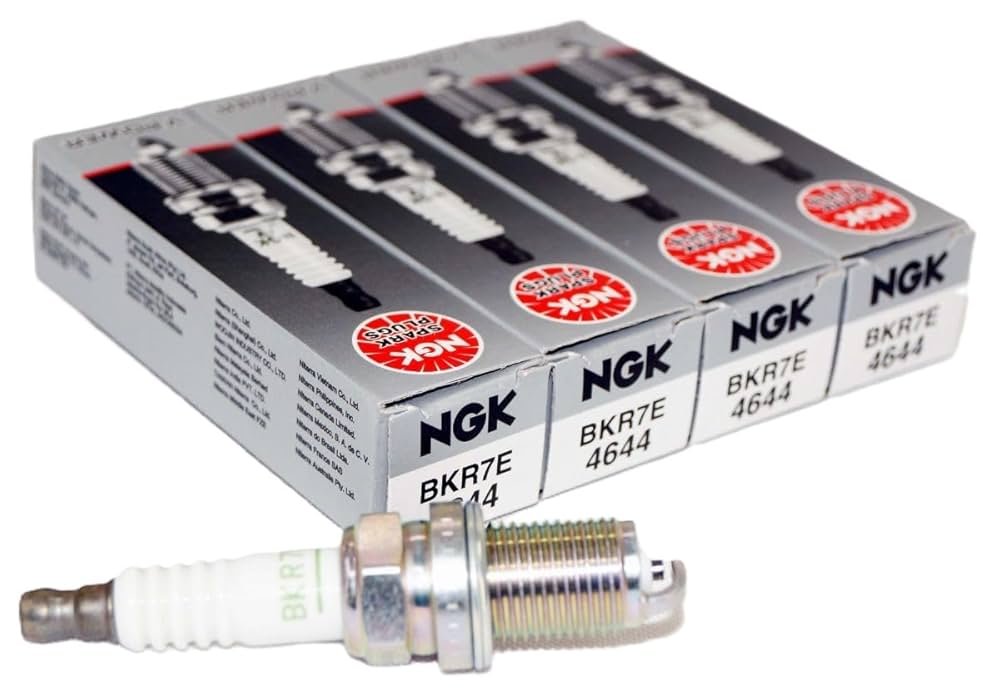
When it comes to keeping your car running smoothly, every little component plays a crucial role. One such part, often overlooked but vitally important, is the spark plug.
You might be wondering, “What is a spark plug, and why should I care? ” Well, picture this: the spark plug is the tiny yet mighty component that ignites the air-fuel mixture in your car’s engine. Without it, your car simply wouldn’t start.
Imagine the frustration of being stuck, late for work or an important event, all because of a faulty spark plug. Understanding what a spark plug does and how it affects your vehicle’s performance can save you time, money, and a whole lot of stress. You’ll discover the essential role spark plugs play, how they impact your driving experience, and why choosing the right one is crucial. Stick around, because what you learn today could make all the difference for your car tomorrow.
Types Of Spark Plugs
Spark plugs come in various types, each designed for different engine needs. Choosing the right type helps your engine run smoother and last longer. Understanding these types helps in making the best choice for your vehicle.
Copper Spark Plugs
Copper spark plugs have a solid copper core. They conduct heat well, keeping the plug cool. These plugs are affordable and work well in older engines. Copper plugs wear out faster than others. They need replacing more often.
Platinum Spark Plugs
Platinum spark plugs have a platinum disc on the tip. This material resists wear better than copper. They last longer and provide stable performance. Platinum plugs suit newer engines with electronic ignition systems. They cost more but require less frequent replacement.
Iridium Spark Plugs
Iridium spark plugs use iridium at the electrode tip. Iridium is harder and melts at higher temperatures. These plugs offer excellent durability and strong sparks. Iridium plugs improve fuel efficiency and reduce emissions. They are ideal for high-performance and modern engines.
Double Platinum Spark Plugs
Double platinum plugs have platinum on both the center and ground electrodes. This design increases lifespan and spark quality. They perform well in waste spark ignition systems. Double platinum plugs reduce misfires and engine knocking. They balance cost and durability effectively.

Credit: www.amazon.ca
How Spark Plugs Affect Engine Performance
Spark plugs play a key role in how well an engine runs. They create the spark needed to ignite the fuel-air mix in the cylinder. This small part affects many aspects of engine performance, from power to emissions.
Ignition Efficiency
Spark plugs must fire at the right time for good ignition. A strong, consistent spark helps the fuel burn fully. Poor sparks cause misfires and rough running. Clean, properly gapped plugs improve engine start and smoothness.
Fuel Economy
Efficient spark plugs help the engine burn fuel completely. This reduces wasted fuel and improves mileage. Worn or dirty plugs can cause incomplete combustion. This wastes fuel and lowers your car’s economy.
Power Output
Power depends on how well fuel burns inside cylinders. Good spark plugs create a strong spark, boosting combustion energy. This leads to better engine power and faster acceleration. Bad plugs reduce engine strength and response.
Emissions Control
Proper combustion cuts harmful emissions. Spark plugs that burn fuel fully lower pollutants like carbon monoxide. Faulty plugs cause more unburned fuel, increasing pollution. Keeping plugs in good shape helps engines meet emission standards.
Choosing The Right Spark Plug
Choosing the right spark plug can improve engine performance and fuel efficiency. It helps the engine start smoothly and run without trouble. Picking a spark plug that fits your engine is very important. This section breaks down key points to consider when selecting a spark plug.
Compatibility With Engine Type
Engines vary in size, design, and fuel type. Spark plugs must match these differences. Using the wrong type can cause misfires or damage. Check your engine’s manual to find the right spark plug model. Some engines need specific materials like iridium or platinum for best results.
Heat Range Considerations
Heat range shows how fast a spark plug heats up. A proper heat range prevents fouling and overheating. Cold plugs dissipate heat quickly, good for high-speed engines. Hot plugs hold heat longer, ideal for low-speed or stop-and-go driving. Choose a heat range that fits your engine’s conditions.
Gap Size Importance
The gap is the space between the center and ground electrode. Correct gap size ensures strong sparks and good combustion. Too large a gap can cause misfires. Too small a gap may reduce power. Use a gap tool to measure and adjust the spark plug gap precisely.
Manufacturer Recommendations
Vehicle makers test spark plugs for their engines. Following their advice helps avoid issues. Manuals usually list spark plug types, heat ranges, and gap sizes. Using approved brands and models keeps your warranty valid. Always trust the manufacturer’s guidance for best results.
Signs Of Worn Or Faulty Spark Plugs
Recognizing the signs of worn or faulty spark plugs can save you from unexpected car troubles and costly repairs. Spark plugs play a crucial role in igniting the fuel-air mixture in your engine, so any issue with them affects your vehicle’s performance. Pay attention to subtle changes in how your car runs; these are often early warnings that your spark plugs need attention.
Engine Misfires
Have you ever felt your car jerk or hesitate while driving? That’s a classic sign of engine misfires caused by spark plugs failing to ignite properly. Misfires can lead to a rough driving experience and even damage your engine over time if ignored.
Notice if your check engine light flickers on and off—this often signals misfires linked to spark plug issues. Addressing this early can prevent more serious problems down the road.
Poor Fuel Efficiency
Are you filling up your tank more often than usual? Worn spark plugs can cause incomplete combustion, wasting fuel and reducing your car’s mileage. This means you’re paying more for gas without realizing the root cause.
Improving fuel efficiency isn’t just about changing your driving habits; sometimes, it means swapping out old spark plugs for new ones. It’s a small fix that can make a noticeable difference in your wallet.
Hard Starting
Struggling to start your car on cold mornings or after it’s been sitting? Faulty spark plugs might be the culprit. They fail to generate the necessary spark, making your engine crank longer before it finally turns over.
Next time your car hesitates to start, think about when you last checked your spark plugs. Timely replacement can restore quick and smooth ignition, saving you frustration.
Rough Idling
Does your engine shake or sound uneven when idling? Rough idling often points to spark plugs that aren’t firing consistently. This can lead to vibrations that are not just annoying but harmful to engine components.
Pay attention to unusual noises or shaking when stopped at a light. Fixing spark plug issues can return your engine to a calm, steady idle, improving overall driving comfort.
Installation And Maintenance Tips
Installing and maintaining spark plugs properly can make a huge difference in your engine’s performance and longevity. Neglecting these simple tasks often leads to misfires, poor fuel economy, and even engine damage. Paying attention to the details during installation and regular checks ensures your vehicle runs smoothly and efficiently.
Proper Installation Techniques
Start by cleaning the spark plug hole to prevent dirt from entering the engine. Hand-thread the spark plug carefully to avoid cross-threading, which can cause costly damage. Use a torque wrench to tighten the plug to the manufacturer’s recommended specification—over-tightening can crack the plug, while under-tightening can cause poor sealing.
Applying a small amount of anti-seize compound on the threads can make future removal easier, but avoid overdoing it as it may affect torque readings. Always reconnect the spark plug wire firmly to ensure a solid electrical connection.
Checking And Adjusting Gap
The gap between the spark plug electrodes affects how well the spark ignites the fuel-air mixture. Use a feeler gauge to measure this gap accurately. If the gap is too wide or too narrow, it can cause misfires or inefficient combustion.
Adjust the gap gently by bending the ground electrode, but don’t force it. Check your vehicle’s manual for the exact gap specification. Regularly verifying this gap can save you from performance issues down the road.
Routine Inspection Schedule
Set up a regular schedule to inspect your spark plugs—every 30,000 to 50,000 miles is a good rule of thumb for most vehicles. Look for signs of wear like carbon buildup, corrosion, or damaged electrodes. These issues can signal underlying engine problems or poor combustion.
Keeping a log of spark plug conditions can help you notice patterns and plan maintenance more effectively. Have you noticed changes in your engine’s sound or fuel efficiency? That could be your cue to inspect the plugs sooner.
When To Replace Spark Plugs
Replace your spark plugs if you see cracks, heavy deposits, or if they’ve reached the mileage limit specified by your manufacturer. Worn-out plugs cause rough idling, difficulty starting, and reduced power. Ignoring replacement can lead to increased emissions and engine strain.
If you experience frequent misfires or poor acceleration, it’s time to swap out the old plugs. Investing in quality replacements can improve your vehicle’s performance and save money on future repairs.

Credit: www.amazon.ca
Performance Upgrades With Spark Plugs
Performance upgrades with spark plugs can boost engine power and efficiency. Choosing the right spark plug improves combustion and throttle response. Small changes in spark plug type or gap can affect overall vehicle performance. Understanding these upgrades helps you make better choices for your engine.
High-performance Spark Plugs
High-performance spark plugs use advanced materials for better durability. They produce stronger sparks to ignite fuel more efficiently. These plugs often have a fine wire center electrode that reduces voltage needs. This leads to quicker starts and smoother engine running. They suit engines that need extra power or run at high speeds.
Custom Gap Settings
The spark plug gap is the distance between electrodes. Adjusting this gap changes how the spark ignites the fuel-air mix. A wider gap creates a bigger spark but needs more voltage. A smaller gap uses less voltage but may produce a weaker spark. Custom gap settings help match spark plugs to specific engine needs. Proper gap adjustment can improve fuel economy and power.
Compatibility With Ignition Systems
Spark plugs must match your ignition system type for best results. Different ignition systems produce varying voltages and spark durations. Some systems require plugs with specific heat ranges or electrode designs. Using incompatible plugs can cause misfires or poor engine performance. Check your vehicle’s manual or consult experts before upgrading spark plugs.

Credit: www.amazon.ca
Frequently Asked Questions
What Is A Spark Plug And How Does It Work?
A spark plug ignites the air-fuel mixture in an engine’s combustion chamber. It creates a spark from electrical energy, starting the engine’s power cycle efficiently.
How Often Should Spark Plugs Be Replaced?
Spark plugs typically need replacement every 30,000 to 100,000 miles. Check your vehicle’s manual for specific intervals to maintain optimal engine performance.
What Are Common Spark Plug Types Available?
Common types include copper, platinum, and iridium spark plugs. Each offers different durability and performance suited for various engine needs.
How Do Faulty Spark Plugs Affect Engine Performance?
Faulty spark plugs cause misfires, reduced fuel efficiency, and rough idling. Replacing them restores smooth running and improves overall engine power.
Conclusion
Spark plugs help your engine start and run smoothly. They create the spark that lights the fuel inside. Choosing the right spark plug keeps your car healthy. Old or dirty plugs can cause trouble and waste fuel. Regular checks and changes improve engine life and save money.
Knowing what spark plug does helps you care for your vehicle better. Simple steps can make a big difference in performance. Keep your engine happy with the right spark plug.





