If you own a John Deere mower, you know how important the right transmission belt is for smooth and reliable performance. But with so many sizes and types out there, figuring out the exact belt you need can feel confusing.
You want to avoid delays, extra costs, and the frustration of a belt that doesn’t fit or work properly. This guide will help you quickly find the perfect transmission belt size for your John Deere mower, so you can get back to mowing without hassle.
Keep reading to discover the simple steps that make choosing the right belt easy and stress-free.
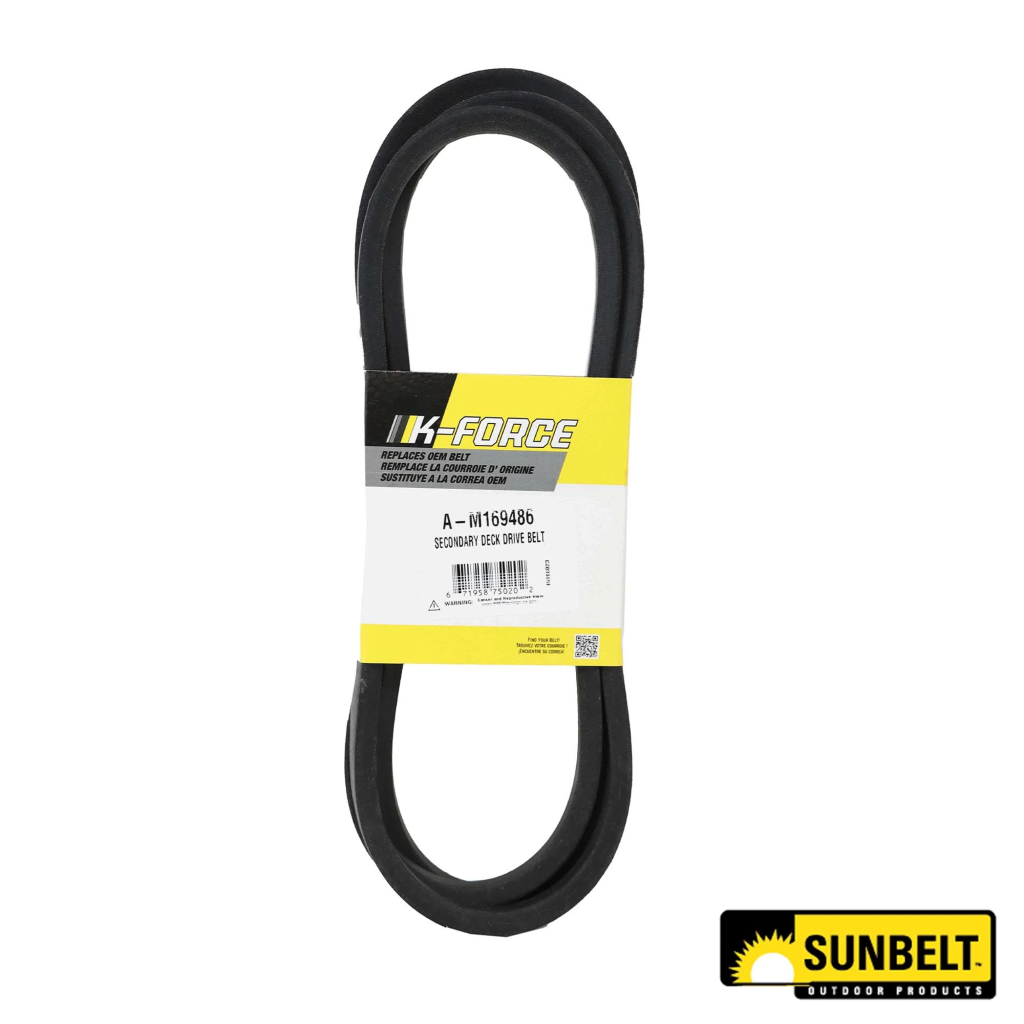
Credit: shop.deere.com
John Deere Mower Belt Types
Choosing the right belt for your John Deere mower is crucial to keep it running smoothly and efficiently. There are several types of belts designed specifically for these machines, each made from different materials and styles. Understanding these options helps you pick the belt that matches your mower’s needs and extends its lifespan.
Common Belt Materials
John Deere mower belts are usually made from materials designed to handle wear and tear, heat, and tension. The most common materials include:
- Rubber:Flexible and durable, rubber belts offer good grip and are resistant to slipping.
- Polyurethane:Known for higher resistance to abrasion and chemicals, these belts last longer in tough conditions.
- Kevlar-reinforced:These belts include Kevlar fibers for extra strength and reduced stretching over time.
Choosing the right material depends on how often you mow and the conditions you face. Have you noticed your belt wearing out quickly? Switching to a Kevlar-reinforced belt might save you time and money in the long run.
Belt Styles For Mowers
The style of the belt also affects your mower’s performance. John Deere mowers typically use these belt styles:
- V-Belts:Shaped like a “V,” these belts fit into pulley grooves tightly, providing good power transmission.
- Flat Belts:These have a flat surface, offering smooth and quiet operation but require proper tension to avoid slipping.
- Multi-Rib Belts:Featuring several small ribs, these belts offer flexibility and grip, making them ideal for compact mower designs.
Each style suits different mower models and tasks. If your mower struggles with slippage during heavy grass cutting, a multi-rib belt might be the solution. What style does your mower use, and have you considered upgrading for better performance?

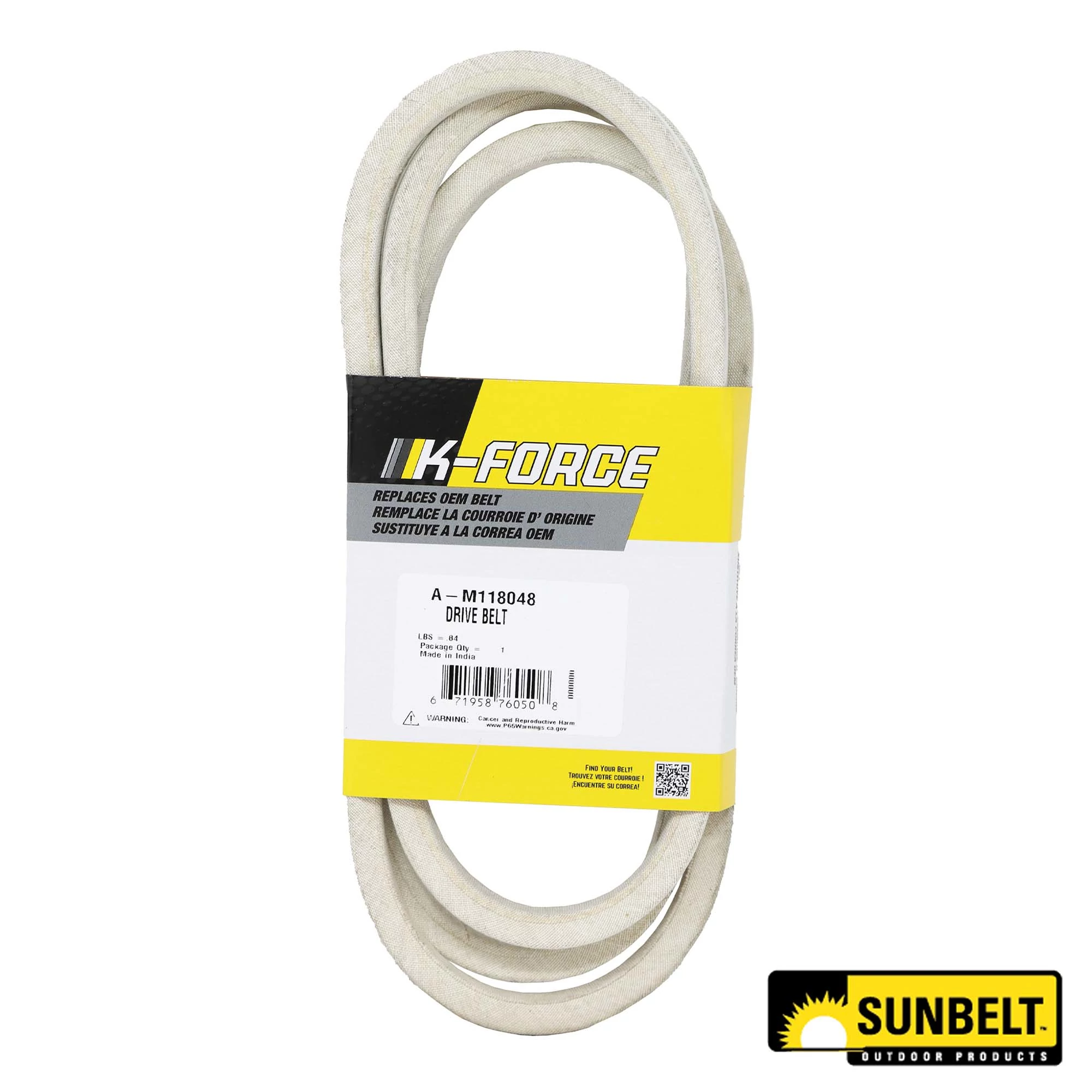
Credit: www.amazon.ca
Measuring Your Current Belt
Knowing the exact size of your John Deere mower’s transmission belt is crucial before buying a replacement. Measuring the current belt accurately ensures you avoid the hassle of returns or poor mower performance. Let’s look at how you can measure your belt easily and correctly.
Tools Needed For Measurement
- Measuring Tape:A flexible tape measure works best for belt length and width.
- Caliper:Useful for getting precise width measurements, especially if the belt is narrow.
- Pen and Paper:To jot down your measurements immediately and avoid mistakes.
- Flat Surface:For laying the belt flat, helping you measure accurately without twists.
Having these tools ready makes the process smooth and prevents guesswork. Missing even one can lead to inaccurate measurements, which might cost you time and money.
Steps To Measure Belt Length And Width
Start by removing the belt from the mower carefully. Place it flat on your work surface, making sure there are no folds or twists.
- Measuring Length:Use the measuring tape to measure the entire length of the belt along its inside edge. If the belt is broken or too tight to lay flat, you can measure the outer circumference by wrapping a string around and then measuring the string.
- Measuring Width:Use the caliper or measuring tape to find the belt’s width across its flat surface. Take measurements at multiple points to check for wear or variations.
Double-check your numbers before moving forward. Have you noticed if your belt looks stretched or worn down unevenly? These signs might require a slightly different size or type.
By carefully measuring your current belt, you ensure the replacement will fit perfectly and your mower will run smoothly without slipping or excessive noise.
Belt Sizes By John Deere Models
Choosing the right transmission belt size for your John Deere mower is crucial. The correct belt size ensures smooth operation and extends the mower’s life. Belt sizes vary by model due to different engine powers and deck sizes. Knowing the exact belt size helps maintain performance and avoid breakdowns.
This guide covers common John Deere mower models and their recommended belt sizes. It helps you find the right belt quickly and easily.
Popular John Deere Mower Models
- John Deere X300
- John Deere X350
- John Deere D140
- John Deere E100
- John Deere L120
- John Deere S240
Recommended Belt Sizes For Each Model
| Model | Transmission Belt Size | Deck Belt Size |
|---|---|---|
| John Deere X300 | PM10106 (66 inches) | PM784 (44 inches) |
| John Deere X350 | PM10106 (66 inches) | PM784 (44 inches) |
| John Deere D140 | PM1147 (64 inches) | PM784 (44 inches) |
| John Deere E100 | PM1147 (64 inches) | PM783 (42 inches) |
| John Deere L120 | PM1147 (64 inches) | PM783 (42 inches) |
| John Deere S240 | PM10454 (70 inches) | PM10558 (48 inches) |
Signs Of A Worn Belt
A worn transmission belt may show cracks, fraying, or glazing on its surface. Uneven wear and slipping sounds also signal the need for replacement. Identifying these signs helps choose the correct size for a John Deere mower belt.
Understanding the signs of a worn transmission belt is crucial. It helps maintain your John Deere mower’s performance. A worn belt can lead to various issues. Recognizing these signs early can save time and money.Visual Indicators
Inspect the belt for cracks. Cracks indicate aging and stress. Look for fraying along the edges. Frayed edges suggest wear and imminent failure. Check for glazing on the belt’s surface. A shiny surface means the belt is slipping.Performance Issues
Notice any strange noises during operation? Unusual sounds can signal belt problems. Difficulty in starting the mower? A worn belt can affect the engine. Reduced cutting efficiency is another sign. The mower might not cut grass evenly. If the belt slips, it can impact mower speed. A decrease in speed often means belt trouble.Choosing The Right Replacement Belt
Choosing the right replacement belt for your John Deere mower is crucial to keep it running smoothly. Picking the wrong size or type can cause poor performance or even damage. Understanding what fits and works best saves you time and frustration.
Matching Size And Type
Start by checking your mower’s manual for the exact belt size and type. Belts vary by length, width, and groove style, so matching these details is key. Using a belt that’s too tight or too loose can lead to slipping or premature wear.
Look closely at the old belt for numbers or markings that indicate its size. If those aren’t visible, measuring the belt’s length and width with a tape measure helps. Also, confirm if your mower requires a V-belt, flat belt, or another type.
Have you ever tried fitting a belt just by guesswork? It usually ends with wasted effort and a trip back to the store. Getting the exact match on the first try avoids that hassle.
Where To Buy Genuine Belts
Buying genuine John Deere belts guarantees quality and proper fit. Authorized dealers and the official John Deere website are reliable sources. These options may cost a bit more but offer peace of mind with warranty and durability.
If you want to explore local options, check specialized mower repair shops. They often stock authentic parts or can order them quickly. Online marketplaces can be convenient, but watch out for counterfeit or incompatible belts.
- Verify seller reputation and reviews.
- Compare part numbers carefully.
- Ask questions if unsure about the belt’s authenticity.
Would you prefer a quick fix or a long-lasting solution? Choosing genuine belts prevents repeated repairs and downtime on your mower.

Credit: www.amazon.ca
Installation Tips
Installing the right transmission belt on your John Deere mower can make a big difference in its performance. However, a smooth installation requires more than just slipping a new belt in place. Paying attention to preparation and following a clear process ensures your mower runs efficiently and avoids unnecessary wear.
Preparing The Mower
Start by parking your mower on a flat surface and turning off the engine. Remove the key to prevent accidental startups—safety first.
Next, clear the mower deck of any grass clippings or debris. This makes it easier to spot components and prevents dirt from interfering with the installation.
Check the owner’s manual for the correct belt size to avoid any confusion during installation. Having the right belt ready saves you time and frustration.
Step-by-step Belt Replacement
Begin by loosening the belt tensioner pulley to relieve tension on the old belt. This step is crucial; forcing the belt off without releasing tension can damage the mower’s components.
Carefully remove the old belt, noting its path around pulleys and gears. Taking a photo or sketching the belt routing can be a lifesaver when installing the new one.
Slide the new belt onto the pulleys, following the exact path of the old belt. Make sure it sits properly in all grooves—an off-track belt can slip or wear unevenly.
Finally, reapply tension by adjusting the tensioner pulley until the belt is snug but not overly tight. Too much tension can cause premature wear, while too little leads to slipping.
Have you checked your belt routing before? It’s a simple step that many overlook, yet it can save hours of troubleshooting later.
Maintaining Your Transmission Belt
Maintaining your John Deere mower’s transmission belt ensures smooth operation and extends its lifespan. Regular care prevents unexpected breakdowns. It saves time and money on repairs. Simple steps keep the belt in good condition and improve mower performance.
Regular Inspection
Check the transmission belt often for cracks or wear. Look for fraying edges or glazing on the belt surface. Listen for unusual noises during operation. Tighten the belt if it feels loose. Replace the belt if it shows signs of damage. Regular checks catch problems early and avoid mower failure.
Cleaning And Storage Tips
Keep the belt clean from dirt and oil. Wipe it gently with a dry cloth after use. Avoid harsh chemicals that can damage the belt material. Store the mower in a dry place to prevent moisture damage. Remove the belt if storing the mower for a long time. Proper cleaning and storage protect the belt from wear and tear.
Frequently Asked Questions
What Size Transmission Belt Fits John Deere Mower Models?
The transmission belt size varies by model. Check your mower’s manual or look for a label on the current belt. Common sizes include 1/2 inch width with lengths from 60 to 75 inches. Accurate measurement ensures optimal mower performance and belt longevity.
How To Measure The Transmission Belt For John Deere Mower?
Use a flexible tape to measure the belt’s outer circumference. Alternatively, remove the old belt and note its length and width. Accurate measurement helps find the correct replacement and prevents slippage or damage.
Can I Use A Universal Transmission Belt For John Deere Mower?
Universal belts may fit but often lack precise sizing. Using the exact OEM or recommended belt size ensures better fit, durability, and mower efficiency. Always verify the belt’s compatibility with your mower model before purchase.
Where To Find The Correct Transmission Belt Size For John Deere Mower?
Refer to your mower’s user manual or John Deere’s official website for specifications. Authorized dealers and parts stores also provide model-specific belt sizes. Accurate sourcing avoids fitment issues and ensures smooth mower operation.
Conclusion
Choosing the right transmission belt size keeps your John Deere mower running well. A correct belt fits tightly and moves smoothly. Too loose or too tight can cause problems. Check your mower’s manual for exact belt size. Using the right belt saves time and money.
It also helps your mower work longer. Keep belts clean and check them often. Replace worn belts without delay. This simple step improves mower performance. Small details make a big difference. Stay on top of maintenance for best results.