Imagine this: It’s a sunny weekend morning, and you’re all set to mow the lawn. But suddenly, your lawn mower sputters and stalls.
You decide to check the spark plug, only to realize you have no idea what size spark plug socket you need. Frustrating, right? You’re not alone. Many people face this challenge, often leading to wasted time and unnecessary stress. We’ll uncover the mystery behind finding the right size spark plug socket for your lawn mower.
You’ll learn how choosing the correct size can make your maintenance efforts smoother, saving you both time and effort. So, let’s dive in and ensure your lawn care routine goes off without a hitch. Don’t miss out on these useful tips that can make your mowing experience a breeze.
Spark Plug Socket Basics
Spark plug sockets are essential tools for lawn mower maintenance. They help remove and install spark plugs safely and efficiently. Using the right socket size prevents damage to the spark plug or engine. Understanding spark plug socket basics saves time and effort.
Types Of Spark Plug Sockets
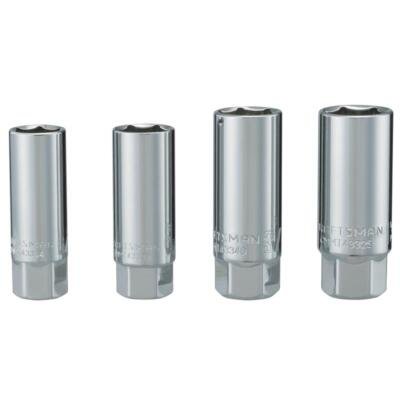
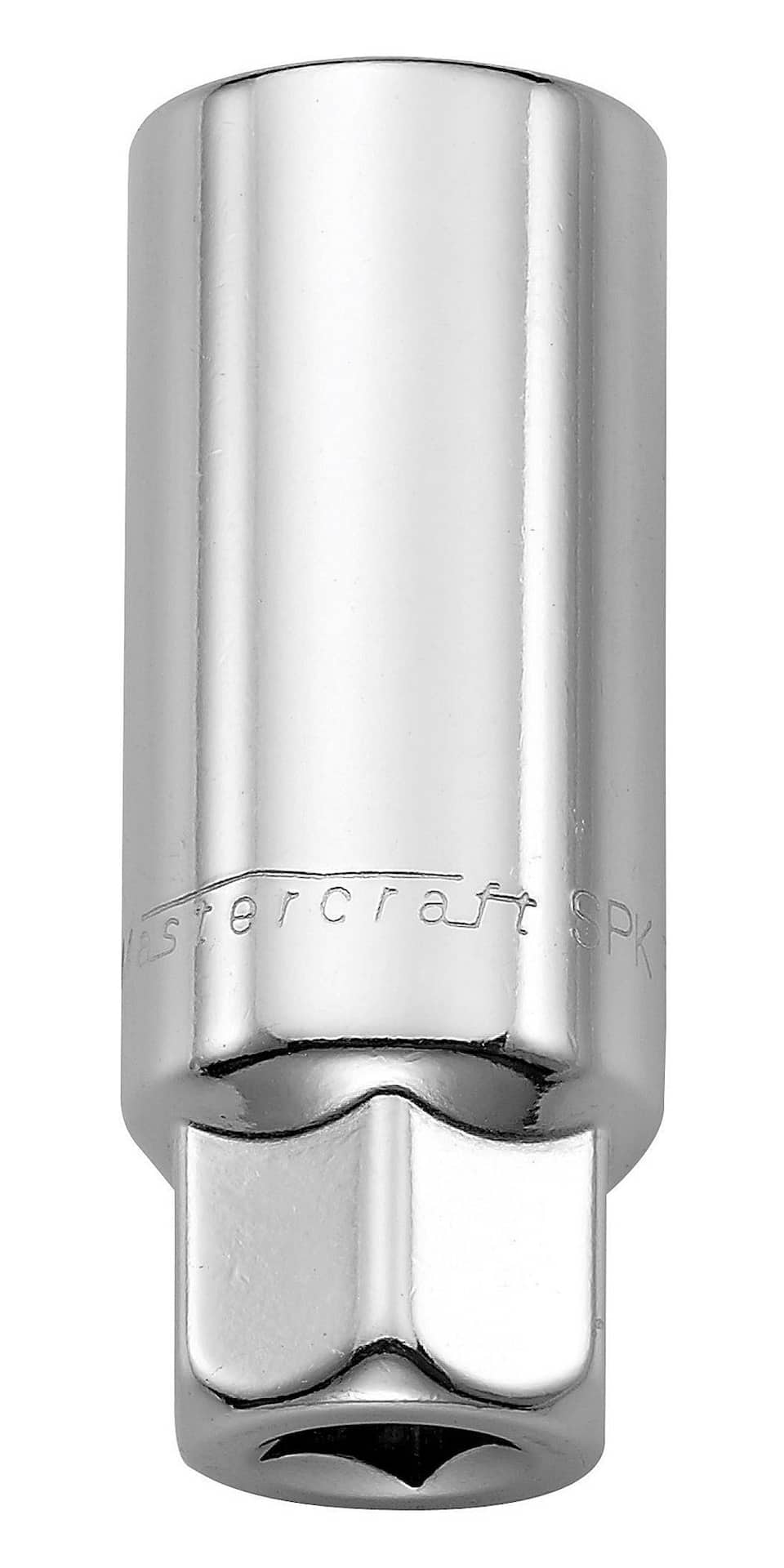
Spark plug sockets come in various types. The most common are standard sockets and swivel sockets. Standard sockets provide a straight grip on the plug. Swivel sockets have a flexible joint for tight spaces. Some sockets include a rubber insert to hold the spark plug securely. Choosing the right type depends on your mower’s design and access to the spark plug.
Materials And Build Quality
Spark plug sockets are made from different materials. Chrome vanadium steel is popular for its strength and durability. Some sockets have a chrome finish to resist rust and corrosion. High-quality sockets last longer and provide better grip. Avoid cheap sockets that can strip or break easily. A good socket feels solid and fits snugly on the spark plug.

Credit: www.amazon.ca
Common Spark Plug Sizes For Lawn Mowers
Knowing the common spark plug sizes for lawn mowers helps you pick the right socket and avoid unnecessary trips to the store. Spark plugs come in various sizes, and using the wrong socket can damage your mower or the plug itself. Let’s look at the sizes you’re most likely to encounter and how to measure your spark plug accurately.
Standard Sizes Explained
Lawn mower spark plugs typically use socket sizes of 5/8 inch (16mm) and 13/16 inch (21mm). The 5/8 inch socket is by far the most common and fits the majority of small engines. Larger engines or specific models might require the 13/16 inch size.
Some spark plugs have a hex size of 9/16 inch (14mm), but these are rare in lawn mowers. Checking your mower’s manual can save time and guesswork, but knowing these standards helps when a manual isn’t handy. Keep a 5/8 inch socket in your toolbox—it will cover most spark plug replacements.
How To Measure Your Spark Plug
To measure your spark plug size, use a caliper or a ruler to check the hexagonal part of the plug. This is the part the socket grips onto. Measure across the flats of the hex head, not the threads or the ceramic insulator.
If you don’t have a caliper, a standard ruler works fine. Just make sure to read the measurement carefully, as a small difference can lead to using the wrong socket size. Have you ever tried forcing a socket that was too big or too small? It often ends with stripped edges or broken parts.
Knowing the exact size lets you pick the correct socket, making spark plug changes smoother and protecting your mower’s engine. It’s a small step that saves you a lot of hassle.
Choosing The Right Socket Size
Choosing the right socket size is key to maintaining your lawn mower’s spark plug. The correct size ensures a secure fit, preventing damage to the spark plug or socket. It also makes the task faster and safer. A socket that is too small or too big can strip the spark plug or cause it to get stuck.
Knowing the exact size needed saves time and avoids frustration during maintenance. Most lawn mower spark plugs use standard sizes, but verifying your spark plug type is important. This helps you pick the correct socket and tools for the job.
Matching Socket To Spark Plug
Check the spark plug’s size before selecting a socket. Lawn mower spark plugs commonly use 5/8 inch or 13/16 inch sockets. The right socket fits snugly over the plug’s hex shape without slipping.
Look at the spark plug’s specifications or measure the hex part with a ruler. Avoid guessing. Using the wrong socket size risks rounding off the spark plug edges. This makes removal difficult and may require costly repairs.
Most hardware or auto stores label spark plug sockets clearly. Choose a socket made from strong material like chrome vanadium steel for durability. A magnetic socket can help hold the spark plug during removal.
Tools Needed Alongside The Socket
- Ratchet wrench: Provides leverage for turning the socket easily.
- Extension bar: Helps reach spark plugs in tight or deep spots.
- Spark plug gap tool: Checks and adjusts the spark plug gap after installation.
- Torque wrench: Ensures the spark plug is tightened to the correct specification.
- Gloves: Protect your hands from dirt and sharp edges.
Having these tools ready speeds up the process and improves safety. Each tool plays a role in making spark plug maintenance smooth and effective.
Using A Spark Plug Socket Correctly
Using a spark plug socket correctly is crucial to maintaining your lawn mower’s engine performance. The right technique not only protects the spark plug but also prevents damage to the engine’s cylinder head. If you’ve ever struggled with a stuck spark plug or stripped threads, you’ll know how important the proper socket and careful handling are.
Step-by-step Removal Process
Begin by locating the spark plug on your lawn mower engine. It’s usually easy to spot with a thick wire connected to it. Before you start, make sure the engine is cool to avoid burns.
- Remove the spark plug wire by gently pulling it from the plug. Avoid pulling on the wire itself to prevent damage.
- Attach the correct size spark plug socket to your ratchet or wrench. Most lawn mower spark plugs require a 5/8-inch or 13/16-inch socket, but double-check your mower’s manual.
- Fit the socket over the spark plug snugly. The socket should hold the plug firmly without slipping.
- Turn the ratchet counterclockwise to loosen and remove the spark plug. If it feels stuck, try applying a small amount of penetrating oil and wait a few minutes.
- Once loose, carefully unscrew and remove the spark plug by hand to avoid dropping it in the engine compartment.
Have you noticed how many people skip using a socket and try to pull the plug out by hand? That’s a quick way to damage both the plug and the engine threads.
Installing A New Spark Plug
Before installing the new spark plug, check the gap using a spark plug gap tool. The gap should match your mower’s specifications. An incorrect gap can cause poor engine performance or starting problems.
- Thread the new spark plug in by hand first. This helps prevent cross-threading, which can damage the cylinder head.
- Once hand-tight, use the spark plug socket with the ratchet to snug it down. Avoid over-tightening; a firm but gentle turn past hand-tight is usually enough.
- Reattach the spark plug wire, ensuring it clicks securely onto the plug.
Do you pay attention to how tight your spark plug is? Too loose, and it could cause compression leaks. Too tight, and you risk stripping the threads or breaking the plug.
Troubleshooting Socket Fit Issues
Having the right spark plug socket size is crucial for maintaining your lawn mower efficiently. But even the correct socket can sometimes feel like it doesn’t fit right. Troubleshooting these fit issues can save you time and prevent damage to your spark plug or engine.
Common Problems And Solutions
You might notice the socket feels too loose or too tight on the spark plug. A loose socket can slip off, making it hard to turn the plug. A tight socket might not fit at all or could damage the plug’s ceramic insulator.
- Socket too loose:Check if the socket size matches your spark plug. Most lawn mower spark plugs use either a 5/8-inch or 13/16-inch socket. If your socket is worn out or rounded, it won’t grip properly.
- Socket too tight:Sometimes dirt or rust builds up inside the socket or on the spark plug threads. Clean both thoroughly before trying again. Also, confirm you’re using the right socket size.
- Socket won’t engage:Some spark plugs have a rubber insert inside the socket for grip. If this insert is missing or damaged, the socket won’t hold the plug securely. Replace the socket or the insert if possible.
Have you ever struggled with a socket that just wouldn’t budge? Cleaning and checking for wear saved me from stripping a spark plug once. Simple fixes like these often get overlooked but make all the difference.
When To Replace Your Socket
Using a worn or damaged socket can cause more harm than good. If you notice rounded edges inside the socket or cracks on its surface, it’s time to get a new one. A socket that doesn’t hold the spark plug firmly risks stripping the plug or slipping during removal.
Also, if the rubber insert inside the socket is missing or hardened, the grip weakens significantly. Don’t ignore these signs; replacing the socket can save you from costly repairs later.
Do you keep track of how often you replace your tools? Regular replacement ensures your maintenance work stays smooth and damage-free. Investing in a quality spark plug socket tailored for lawn mowers pays off every time you start your mower.
Credit: www.canadiantire.ca
Maintenance Tips For Spark Plug Tools
Proper maintenance of spark plug tools keeps them reliable and efficient. Regular care prevents damage and saves money. Simple habits can make spark plug sockets last longer and work better.
Cleaning And Storage
Clean spark plug sockets after each use. Dirt and grease can cause rust and wear. Use a dry cloth to wipe tools thoroughly. Avoid water or harsh chemicals that can damage metal.
Store sockets in a dry, cool place. Use a toolbox or container to keep them organized. Avoid leaving tools in damp areas to prevent corrosion. Proper storage keeps tools ready for the next job.
Extending Socket Lifespan
Use the correct size socket to avoid damage. Too much force can strip or crack the tool. Handle sockets gently to prevent dents or bending. Check tools regularly for signs of wear or damage.
Apply light oil on metal parts to reduce rust. Replace worn sockets promptly to ensure safety. Proper care extends the life of spark plug tools and improves lawn mower maintenance.

Credit: www.amazon.ca
Frequently Asked Questions
What Is The Common Spark Plug Socket Size For Lawn Mowers?
Most lawn mowers use a 5/8 inch (16 mm) spark plug socket. This size fits the majority of small engine spark plugs. It ensures a secure grip for easy removal and installation. Always check your mower’s manual to confirm the socket size.
Can I Use A Universal Spark Plug Socket For Lawn Mowers?
Yes, a universal spark plug socket works well for most lawn mowers. It typically has a rubber insert to hold the plug securely. This socket adapts to different sizes, making it versatile and convenient for various mower models.
How To Choose The Right Spark Plug Socket For My Mower?
Check your lawn mower’s spark plug size in the owner’s manual first. Match the socket size to the spark plug dimensions. Use sockets designed for spark plugs to avoid damage. A 5/8 inch socket is usually a safe bet.
Why Is The Correct Spark Plug Socket Size Important?
Using the right socket size prevents damage to the spark plug’s ceramic insulator. It also ensures you can tighten or loosen the plug properly. This helps maintain engine performance and avoids costly repairs or replacements.
Conclusion
Choosing the right spark plug socket helps your lawn mower run smoothly. Most lawn mowers need a 5/8 inch or 13/16 inch socket. Using the correct size makes removing and installing spark plugs easier. Keep your tools ready for quick maintenance.
This small step saves time and prevents damage. Now, you can take care of your mower with confidence. Simple tools, better results.





