Are you standing in front of your toolbox, scratching your head, and wondering, “What size spark plug socket do I need?” If so, you’re not alone.
Picking the right spark plug socket can feel like solving a puzzle with missing pieces. You want to get it right, the first time, without the hassle of multiple trips to the store or wasting time with the wrong tools.
But don’t worry! We’ve got you covered. We’ll unravel the mystery behind spark plug sockets, ensuring that you choose the perfect one for your needs. By the end of this post, you’ll feel confident and ready to tackle your next project with ease. So, are you ready to discover the secrets to choosing the right spark plug socket? Let’s dive in!

Credit: www.amazon.ca
Spark Plug Socket Sizes
Choosing the right spark plug socket size is crucial for any vehicle maintenance task. Using the wrong size can strip the plug or damage the socket, turning a simple job into a frustrating one. Understanding the variety of spark plug socket sizes helps you work efficiently and avoid costly mistakes.
Common Sizes Explained
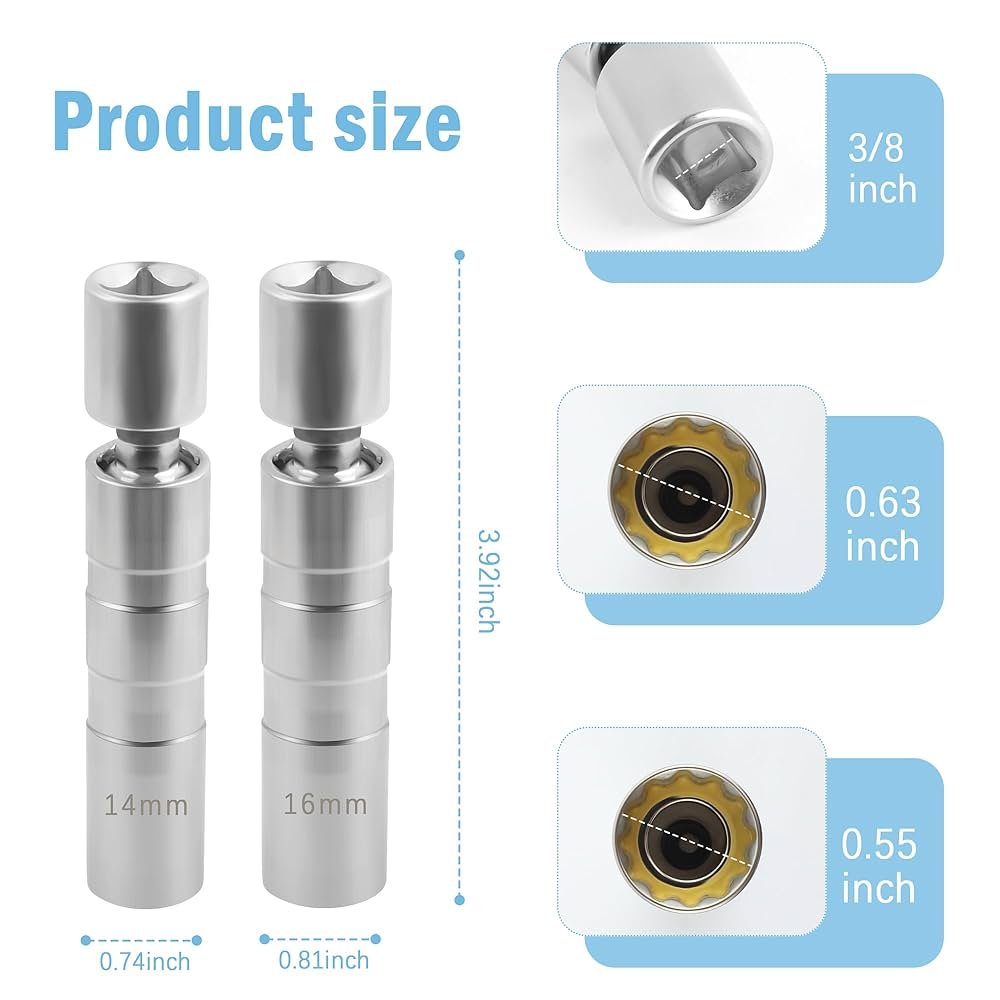
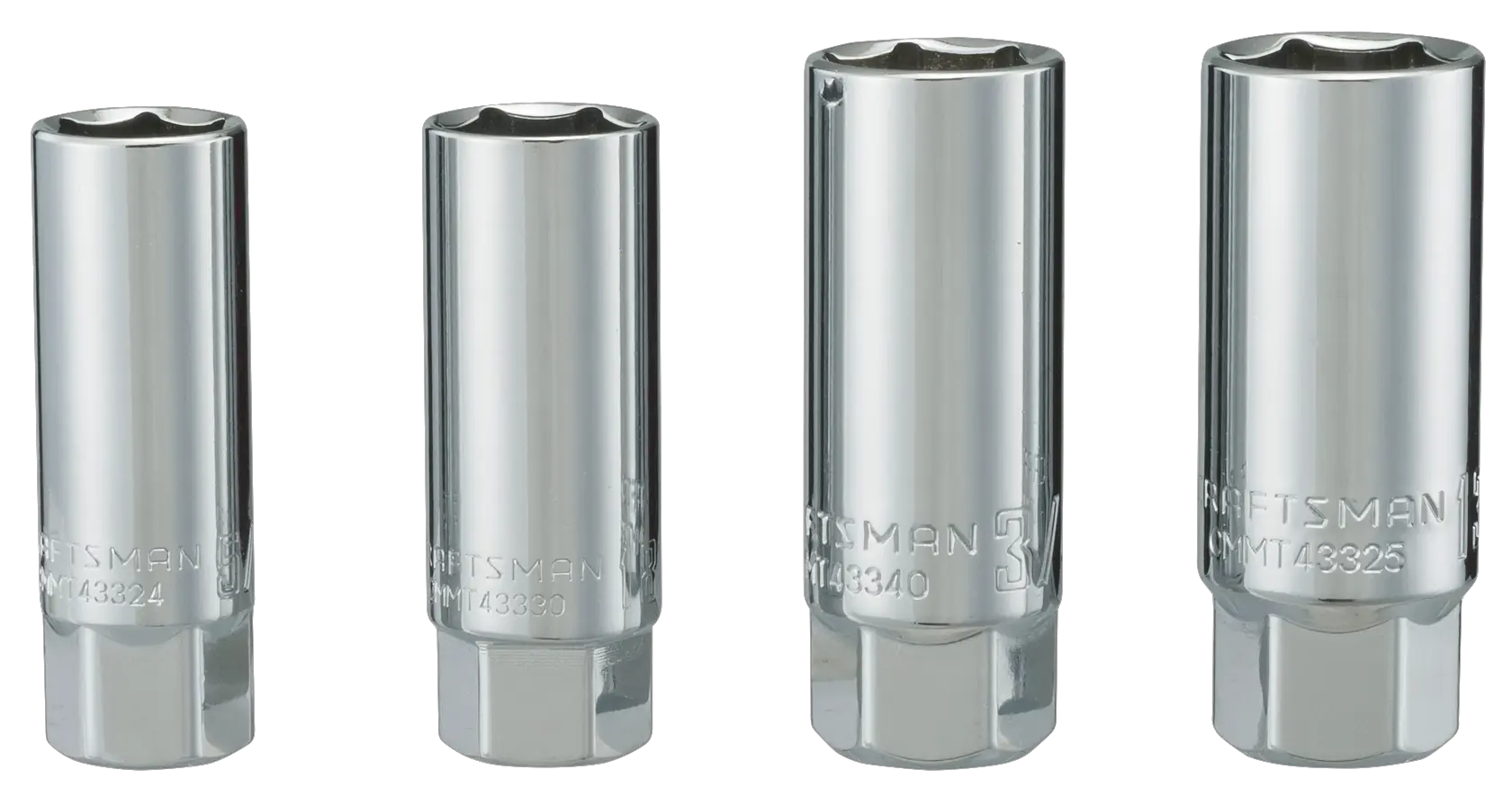
Spark plug sockets usually come in a few standard sizes. The most common ones are 5/8 inch (16mm) and 13/16 inch (21mm). These sizes cover most car and motorcycle spark plugs, but some vehicles may require less common sizes like 9/16 inch (14mm) or 3/4 inch (19mm).
Many mechanics keep a set of these sockets handy to handle different spark plugs without hassle. Have you ever struggled with a socket that just wouldn’t fit? That’s often because the size wasn’t right.
Metric Vs Standard Measurements
Spark plug sockets come in both metric and standard (imperial) measurements. Metric sizes are measured in millimeters, while standard sizes are measured in inches. It’s important to know which system your vehicle uses before you start.
Many Asian and European cars use metric sockets, while older American vehicles often require standard sizes. Mixing these up can lead to stripped threads or a socket that won’t grip properly. Keep a ruler or socket size chart nearby to double-check if you’re unsure.
Choosing The Right Size For Your Vehicle
Check your vehicle’s manual or look up the spark plug specifications online to find the exact socket size you need. Some spark plugs even have size markings on the metal shell, which can guide you. Using the correct size socket ensures a snug fit, making it easier to remove and install plugs without damage.
Also, consider whether your socket has a rubber insert or a magnet inside. This feature helps hold the plug securely when you’re working in tight spaces. Have you ever lost a spark plug down into the engine bay? Choosing a socket with this feature can save you that headache.

Credit: www.amazon.ca
Tools For Removing Spark Plugs
Removing spark plugs requires the right tools for a smooth process. Using proper tools prevents damage to the plugs or engine. It also saves time and effort. Knowing what tools to use helps you avoid common mistakes.
Socket Wrenches And Extensions
Socket wrenches fit over the spark plug to turn it. Choose one that matches the spark plug size. Extensions help reach plugs in tight engine spaces. They give better control and access. A ratchet wrench works best for quick removal.
Impact Vs Manual Sockets
Manual sockets are designed for hand use only. They provide better control and less risk of damage. Impact sockets are stronger and made for power tools. They handle high torque but may harm delicate spark plugs. For spark plugs, manual sockets are safer and preferred.
Magnetic Vs Rubber Inserts
Magnetic sockets hold the spark plug firmly. They reduce the chance of dropping the plug. Rubber inserts protect the plug’s ceramic insulator. They keep the spark plug snug and safe. Choose based on your comfort and the plug type.
Measuring Your Spark Plug Socket
Measuring your spark plug socket is key to selecting the right tool for the job. An accurate measurement ensures a snug fit and prevents damage to the spark plug or engine. Understanding how to measure properly saves time and effort.
Using Calipers For Accuracy
Calipers provide precise measurements for spark plug sockets. Place the jaws around the socket’s opening. Read the diameter in millimeters or inches. This tool gives an exact size, avoiding guesswork. It works well for both new and used sockets.
Identifying Socket Markings
Most spark plug sockets have size markings stamped on them. Look for numbers like 16mm, 5/8 inch, or similar. These markings indicate the internal diameter. They help confirm the socket size at a glance. Check both sides of the socket for clear markings.
Verifying Fit Before Purchase
Testing the socket on the spark plug is crucial before buying. The socket should slide over the plug easily but fit tightly. Avoid sockets that are too loose or too tight. This step prevents stripping or breaking the spark plug threads. Always double-check the fit for peace of mind.
Tips For Diy Spark Plug Replacement
Replacing spark plugs by yourself saves money and helps you understand your vehicle better. Preparing well ensures the job goes smoothly and safely. Follow simple tips to avoid common problems and get the right spark plug socket size.
Prepping Your Workspace
Choose a clean, flat area with good light. Keep tools and new spark plugs nearby. Use a mat or cloth to catch dropped parts. Disconnect the car battery for safety. Have a spark plug socket that fits your vehicle’s plugs ready.
Avoiding Common Mistakes
- Don’t force the spark plug socket if it doesn’t fit.
- Remove dirt around the plug to avoid debris falling inside.
- Replace plugs one at a time to avoid mixing up wires.
- Check for damaged spark plug wires and replace if needed.
Torque Specifications And Tightening
Use a torque wrench to tighten spark plugs to the right level. Over-tightening can damage threads or break the plug. Under-tightening may cause poor engine performance. Refer to your vehicle manual for exact torque values. Turn the plug until it seats, then tighten to the specified torque.
Maintaining Your Spark Plug Socket
Maintaining your spark plug socket is key to ensuring smooth and efficient engine work. A well-kept socket lasts longer and saves you from unexpected hassles during repairs. Simple care routines can keep your tools ready and reliable every time you need them.
Cleaning And Storage
After each use, wipe your spark plug socket with a clean cloth to remove dirt, grease, and metal shavings. These particles can cause wear or rust if left unattended.
Use a small brush to clean the inside of the socket, especially where it grips the spark plug. Dirt buildup here can affect the socket’s grip and make removal difficult.
Store your socket in a dry place to prevent rust. Consider using a toolbox organizer or a socket rail to keep it from rolling around and getting damaged.
When To Replace Your Socket
Check your socket regularly for cracks, rounding, or wear on the edges. If the socket doesn’t grip the spark plug securely or slips often, it’s time to get a new one.
Using a damaged socket can strip your spark plugs or even break during removal, leading to costly repairs. Don’t wait for problems to appear; inspect your tools before starting your work.
Ask yourself: Does your socket feel loose or unstable on the plug? If yes, replacing it will save you frustration and protect your engine parts.
Credit: www.craftsman.com
Frequently Asked Questions
What Size Spark Plug Socket Do I Need?
Most spark plug sockets come in 5/8 inch or 13/16 inch sizes. Check your vehicle’s manual to find the exact socket size required for your spark plugs.
How To Measure Spark Plug Socket Size Correctly?
Measure the diameter of the spark plug’s hexagonal part. Use a caliper or ruler to find the precise socket size you need.
Can I Use A Universal Spark Plug Socket?
Universal sockets fit various sizes but may not provide a perfect grip. For best results, use the exact socket size recommended for your spark plug.
Why Is Choosing The Correct Spark Plug Socket Important?
Using the right size socket prevents damage to the spark plug and engine. It ensures a secure fit and proper torque during installation or removal.
Conclusion
Choosing the right spark plug socket size saves time and avoids damage. Most cars use either 5/8 inch or 13/16 inch sockets. Check your car manual or spark plug size before buying. Using the correct socket helps you remove and install plugs easily.
Keep the socket clean and in good shape for best results. A simple step that makes car maintenance smoother and safer. Now, you can pick the right tool with confidence.





