Choosing the right spark plug size might seem simple, but it can make a big difference in how your engine runs. If you pick the wrong size, your vehicle could suffer from poor performance, lower fuel efficiency, or even damage over time.
You want your engine to fire smoothly every time, right? You’ll learn exactly what spark plug size fits your engine and why it matters. Keep reading to avoid costly mistakes and keep your ride running like new.
Credit: www.vanguardpower.com
Spark Plug Basics
Understanding the basics of spark plugs is crucial if you want your engine to run smoothly and efficiently. The right spark plug size can significantly impact your vehicle’s performance, fuel economy, and even engine longevity. Let’s break down what spark plugs do and the different types available to help you make an informed choice for your engine.
Role In Engine Performance
Your spark plug is the small but mighty component that ignites the air-fuel mixture in the engine’s combustion chamber. Without a proper spark, your engine won’t start or will run poorly, leading to misfires, low power, and wasted fuel.
Choosing the right size and type of spark plug ensures the ignition happens at the perfect moment. Have you ever noticed your car hesitating or losing power? Sometimes, that’s a sign your spark plugs aren’t doing their job correctly.
Types Of Spark Plugs
Spark plugs come in various types, each designed for specific engines and conditions. The most common types include:
- Copper Spark Plugs:Known for excellent conductivity but shorter lifespan.
- Platinum Spark Plugs:Longer-lasting with better heat resistance.
- Iridium Spark Plugs:Premium option with superior durability and performance.
Your choice depends on your engine’s needs and your driving habits. Using a spark plug that’s too large or too small can cause damage or reduce efficiency. Have you checked your vehicle manual lately to see what size spark plug it recommends?
Choosing The Right Size
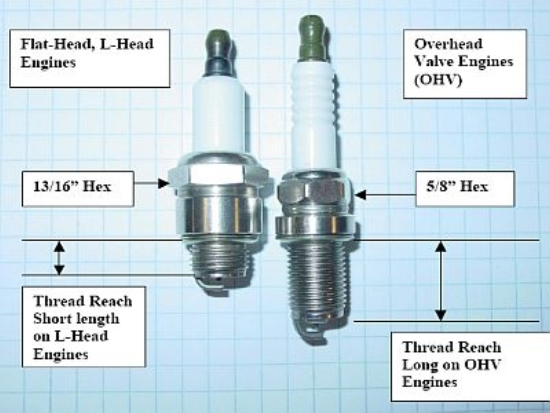
Choosing the right size spark plug is key to engine performance. The correct spark plug ensures smooth starts, better fuel efficiency, and longer engine life. Size involves more than just fitting the engine. Understanding thread diameter, length, and heat range helps pick the perfect spark plug. These factors affect how well the spark plug works and how it fits in your engine.
Thread Diameter And Length
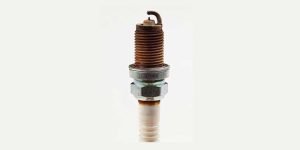
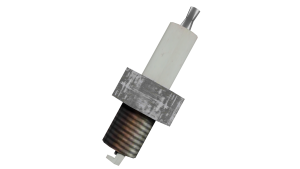
Thread diameter is the width of the spark plug’s threaded part. It must match the engine’s cylinder head hole. Too large or small can cause leaks or damage. Common diameters include 10mm, 12mm, 14mm, and 18mm. Length refers to how far the threads go into the engine. If the spark plug is too long, it can hit engine parts. Too short means poor sealing and weak spark. Correct length ensures proper reach and sealing.
Heat Range Importance
The heat range shows how hot the spark plug gets during use. It controls the plug’s ability to burn off carbon deposits. A plug too hot can cause engine knocking or damage. One too cold leads to fouling and misfires. The right heat range keeps the engine clean and running smoothly. Check your engine manual for the recommended heat range number. It keeps the spark plug working efficiently under different conditions.
Effects Of Incorrect Size
Choosing the correct size spark plug is important for your engine’s health. Using the wrong size can cause several problems. These problems affect how your engine runs and can cause long-term damage. Understanding these effects helps you avoid costly repairs and maintain smooth engine performance.
Performance Issues
Wrong spark plug size can cause poor engine performance. The engine may misfire or run roughly. Fuel efficiency often drops. You might notice less power during acceleration. Starting the engine can become difficult. These issues happen because the spark plug does not ignite fuel properly. Incorrect size affects the spark gap and heat range, leading to uneven combustion.
Engine Damage Risks
Using a spark plug that is too long or too short can harm the engine. A too-long plug may touch the piston, causing physical damage. A too-short plug can lead to overheating and pre-ignition. Both cases increase wear on engine parts. Over time, this can lead to costly repairs. Avoiding the wrong spark plug size protects your engine from serious damage.
Credit: beachautomotive.com
Measurement Tools And Techniques
Choosing the correct spark plug size is vital for engine performance. Measuring tools help you find the right fit. Accurate measurements prevent engine damage and ensure smooth running. Use simple tools and clear techniques to check spark plug size.
Using Calipers
Calipers measure the diameter of the spark plug’s threads and insulator. Use digital or dial calipers for precise results. Place the caliper jaws around the spark plug’s threaded section gently. Read the measurement in millimeters or inches. Compare this size with the manufacturer’s specifications. This step confirms the external diameter and helps select the correct spark plug size.
Checking Thread Pitch
Thread pitch is the distance between threads on the spark plug. It must match the engine’s cylinder head thread. Use a thread pitch gauge to measure this. Align the gauge teeth with the spark plug threads. The gauge that fits perfectly shows the pitch size. Note this number as it is critical for proper thread engagement and sealing. Using the wrong thread pitch can cause engine damage or poor spark plug fit.
Manufacturer Recommendations
Manufacturer recommendations are your best guide when selecting the right size spark plug for your vehicle. These guidelines come from engineers who designed your engine and tested various spark plug options to find the perfect fit. Ignoring their advice can lead to poor engine performance or even damage.
Reading Vehicle Manuals
Your vehicle’s manual holds valuable information about the exact spark plug size and specifications. It lists details like thread diameter, reach length, and heat range, which you might not find elsewhere. Have you ever flipped through your manual only to find a surprising detail about your car’s maintenance needs?
Most manuals include a section on recommended spark plugs, often with part numbers for easy reference. If you don’t have a physical copy, many manufacturers offer digital versions online. Checking your manual first saves time and prevents costly trial and error.
Consulting Spark Plug Guides
Spark plug manufacturers provide detailed guides that cross-reference your vehicle model with the correct spark plug options. These guides include brands, sizes, and performance ratings to help you make an informed choice. Have you noticed how using a plug matched to your engine’s specs improves fuel efficiency and smoothness?
These guides often break down information by vehicle make, engine type, and model year. They also explain why certain sizes or heat ranges are better for specific driving conditions. Taking a moment to consult these resources can prevent common mistakes, like choosing a plug that’s too long or too short for your engine.

Credit: www.reddit.com
Installation Tips
Installing the right size spark plug is vital for engine performance and longevity. Proper installation prevents damage and ensures the engine runs smoothly. Follow these tips to install spark plugs correctly and avoid common mistakes.
Proper Torque Settings
Applying the correct torque keeps the spark plug secure without damage. Too tight can strip threads or crack the plug. Too loose may cause poor contact and misfires. Use a torque wrench to tighten the spark plug according to the manufacturer’s specification.
Check the vehicle manual for exact torque values. Hand-tighten the plug first, then use the wrench for the final turn. This approach ensures proper seating and a good seal.
Avoiding Cross-threading
Cross-threading damages the cylinder head and makes future removal difficult. Start the spark plug by hand to ensure it threads smoothly. Never force the plug if it feels stuck or tight early on.
Turn the plug slowly and carefully until it seats fully. If resistance increases before the plug is fully in, back it out and try again. Proper threading protects your engine and saves repair costs.
Maintenance And Replacement
Regular maintenance and timely replacement of spark plugs keep your engine running smoothly. Using the correct size spark plug ensures optimal performance and fuel efficiency. Neglecting spark plug care can lead to poor engine start, misfires, and reduced power.
Signs Of Wear
- Difficulty starting the engine
- Engine misfires or rough idling
- Poor fuel efficiency or increased fuel consumption
- Visible damage like cracks or corrosion on the spark plug
- Dark, sooty deposits on the electrode
Spotting these signs early helps prevent engine damage. Worn spark plugs reduce engine power and increase emissions.
Replacement Intervals
Replace spark plugs based on your vehicle’s manual recommendations. Most spark plugs last between 30,000 and 100,000 miles.
Use the correct size spark plug for your engine model. Incorrect size can cause poor combustion and engine damage.
Check spark plugs during routine maintenance. Early replacement saves money and keeps the engine healthy.
Upgrading Spark Plugs
Upgrading spark plugs can be a game-changer for your vehicle’s engine. Choosing the right size and type can improve how your engine runs, making it smoother and more efficient. But before you pick a new set, it’s important to understand the benefits and what fits your car.
Performance Benefits
Upgraded spark plugs often deliver better ignition, which means your engine burns fuel more completely. This can lead to noticeable improvements in acceleration and fuel economy. Some drivers report their cars start faster and idle more smoothly after switching to high-quality spark plugs.
Improved spark plugs can also reduce misfires and engine knocking. If you’ve ever felt hesitation when pressing the gas pedal, a better spark plug might fix that. Think about how much smoother your daily drive could be with just a simple upgrade.
Compatibility Considerations
Not all spark plugs fit every engine. You need to match the plug size and heat range to your vehicle’s specifications. Using the wrong size can cause damage or reduce performance, so double-check your owner’s manual or consult a mechanic.
Consider the thread diameter, reach (length), and seat type before buying new plugs. Some engines require plugs with a specific gap size too, so don’t overlook that detail. Have you checked whether your vehicle needs copper, platinum, or iridium plugs? Each type offers different durability and performance levels.
Frequently Asked Questions
What Size Spark Plug Fits My Car Engine?
Check your vehicle’s owner manual for the recommended spark plug size. Using the correct size ensures optimal engine performance and fuel efficiency.
How To Measure Spark Plug Size Accurately?
Measure the thread diameter and length with a caliper. Match these dimensions with the manufacturer’s specifications for a perfect fit.
Can Wrong Spark Plug Size Damage The Engine?
Yes, using an incorrect spark plug size can cause misfires, poor fuel economy, and engine damage over time. Always use the right size.
What Are Common Spark Plug Sizes Available?
Popular spark plug sizes include 10mm, 12mm, 14mm, and 18mm threads. Lengths and heat ranges vary by vehicle type and engine design.
Conclusion
Choosing the right spark plug size is crucial for your engine’s health. It ensures smooth operation and optimal performance. Always refer to your vehicle’s manual for guidance. This helps avoid potential engine issues. Remember, incorrect sizes can lead to poor fuel efficiency.
And even damage. Regular checks and replacements are key. They keep your engine running efficiently. Consult with a mechanic if you’re unsure. They can offer expert advice. Proper maintenance extends your vehicle’s lifespan. And saves you money in the long run.
Stay informed and keep your engine in top shape.