You’re ready to tackle that spark plug replacement, but you’re stuck on one crucial detail: what size socket do you need? Don’t worry, you’re not alone.
Many DIY enthusiasts and even seasoned mechanics find themselves scratching their heads over this question. Getting the right socket size is crucial for a smooth and hassle-free spark plug removal. But how do you ensure you’re not wasting time and energy with the wrong tool?
This guide is here to help you make the right choice effortlessly. Keep reading to discover the secret to choosing the perfect socket size for your spark plug, and say goodbye to frustrating guesswork!
Credit: www.amazon.ca
Spark Plug Socket Sizes
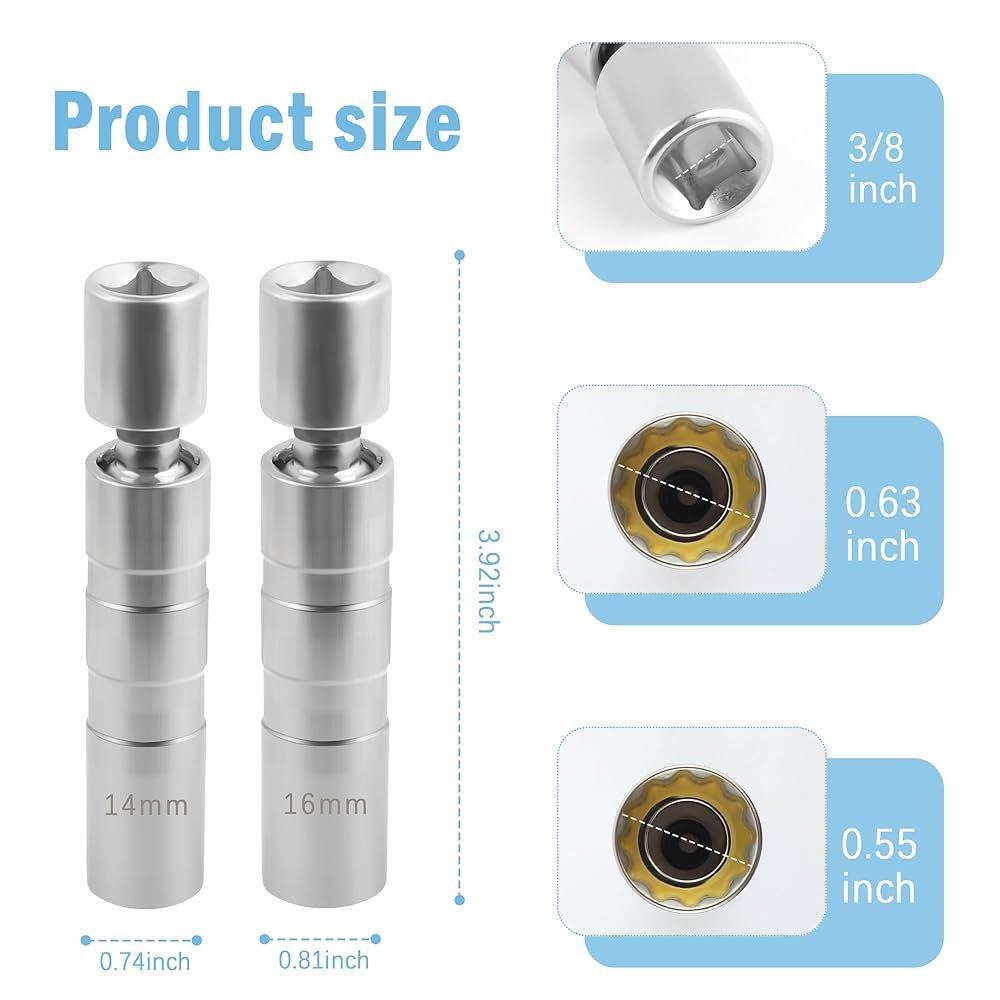
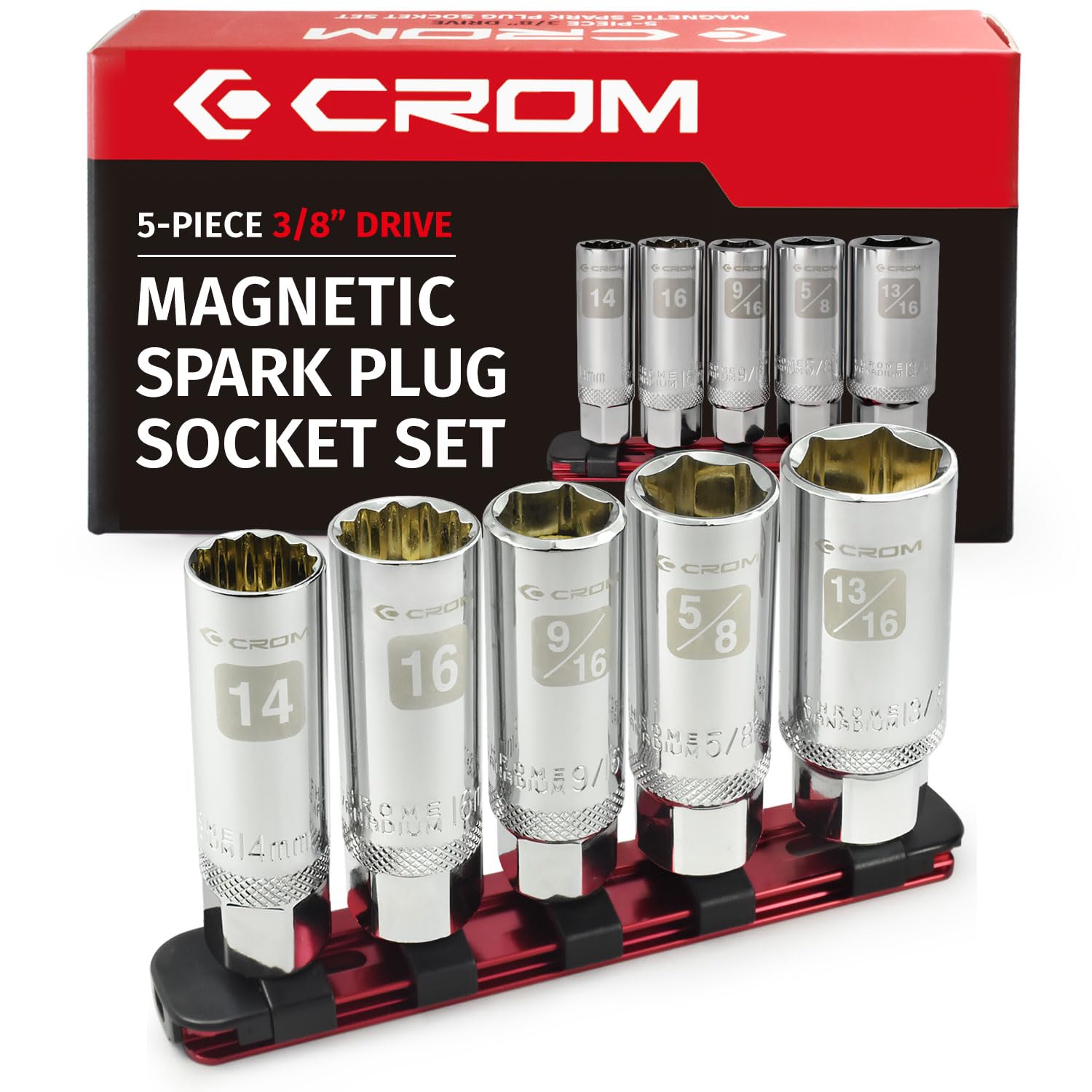
Spark plug sockets come in different sizes to fit various engines. Choosing the right size ensures a secure fit and prevents damage. The correct socket size helps remove spark plugs easily and safely. Using the wrong size can strip the plug or damage the engine parts.
Common Socket Sizes
Spark plug sockets usually come in two main sizes. The most popular sizes include 5/8 inch and 13/16 inch. These fit most cars and light trucks. Some smaller engines use 3/8 inch sockets. Larger engines may need 7/8 inch sockets.
- 5/8 inch (16 mm)
- 13/16 inch (21 mm)
- 3/8 inch (10 mm)
- 7/8 inch (22 mm)
Most spark plug sockets have a rubber insert. This holds the plug and prevents damage during removal.
Metric Vs Standard Sizes
Socket sizes come in metric and standard (imperial) units. Metric sockets use millimeters (mm). Standard sockets use inches.
Cars made outside the U.S. often use metric sizes. Many American cars use standard sizes.
| Metric Size (mm) | Standard Size (inch) | Common Use |
|---|---|---|
| 16 mm | 5/8″ | Most domestic cars |
| 21 mm | 13/16″ | Many trucks and older cars |
| 10 mm | 3/8″ | Small engines and motorcycles |
Using the correct system avoids confusion and tool damage. Check your vehicle manual to find the right size.
Credit: www.canadiantire.ca
Choosing The Right Socket
Choosing the right socket to remove a spark plug is essential for a smooth and safe process. Using the wrong size can damage the spark plug or the socket, making the job harder. It also helps protect the engine parts from scratches or breaks.
Knowing the exact size saves time and effort. It ensures a tight fit and prevents slipping while loosening or tightening the spark plug. Below are key steps to help find the correct socket size.
Measuring Spark Plug Dimensions
Start by measuring the spark plug’s hexagonal part. This is the section the socket grabs. Use a ruler or caliper for accuracy. Measure across the flats, not the corners. This measurement shows the socket size you need.
Most spark plugs fit standard socket sizes. Common sizes include 5/8 inch and 13/16 inch. Knowing your plug’s size helps pick the right socket quickly. Avoid guessing to prevent damage.
Checking Manufacturer Specifications
Always check the vehicle or spark plug manual for size details. Manufacturers list the recommended socket size clearly. This information is the best guide for choosing tools.
Specifications also include spark plug type and thread size. These details matter for proper installation and removal. Using the exact socket size matches the manufacturer’s advice.
Tools Needed For Spark Plug Removal
Removing a spark plug requires the right set of tools to avoid damaging the plug or your engine. Having the proper equipment not only makes the job easier but also ensures you can work efficiently and safely. Before you start, gather tools that fit well and provide enough leverage to handle stubborn spark plugs.
Socket Wrenches
A socket wrench is essential for spark plug removal. You need a socket that fits the spark plug snugly to prevent slipping or rounding off the plug’s edges.
Most spark plugs require a 5/8-inch or 13/16-inch socket. These sizes work for many cars, but it’s always best to check your vehicle’s manual.
Using a deep socket is often better because spark plugs sit recessed in the cylinder head. Deep sockets allow you to reach the plug without damaging the surrounding parts.
Extensions And Adapters
Extensions help you reach spark plugs that are located deep within the engine bay or in tight spots. Without an extension, you might struggle to access the plug properly.
Adapters come in handy if your socket wrench handle doesn’t match the socket size. For example, if you have a 1/4-inch drive wrench but need a 3/8-inch socket, an adapter solves the problem.
Choosing the right extension length is crucial. Too short, and you won’t reach; too long, and you risk losing control or damaging nearby components.
Steps To Remove A Spark Plug
Removing a spark plug might seem straightforward, but doing it the right way saves you time and prevents damage. The process involves careful preparation and using the correct socket properly. Let’s break down the key steps to help you remove a spark plug safely and efficiently.
Preparing The Engine
Start by making sure your engine is cool. Working on a hot engine can cause burns and make the spark plugs harder to remove.
Next, clean the area around the spark plug. Dirt and debris can fall into the cylinder once the plug is out, causing engine problems.
Remove any components blocking access to the spark plugs, like engine covers or wires. This gives you clear space to work without forcing tools in tight spots.
Using The Socket Correctly
Choose the right size socket, usually 5/8 inch or 13/16 inch, depending on your spark plug. Using the wrong size can strip the plug or damage the socket.
Attach the socket to a ratchet with an extension if needed. This helps you reach deep or tight spots easily.
Turn the ratchet slowly counterclockwise to loosen the spark plug. Quick or forceful turns risk breaking the plug or threads in the cylinder head.
Once loose, remove the spark plug carefully by hand. If you’ve ever had a plug snap inside the engine, you know why gentle handling matters.
Tips For Avoiding Damage
Removing spark plugs might seem straightforward, but using the wrong approach can easily cause damage. Protecting the threads and handling stubborn plugs carefully ensures your engine stays in top shape. Avoiding costly repairs starts with simple, effective habits when working with your spark plugs.
Preventing Thread Stripping
Thread stripping happens when the spark plug is forced in or out at the wrong angle or with excessive force. Always start threading the spark plug by hand before using a socket. This helps you feel if the plug is aligned correctly and prevents cross-threading.
Using the correct socket size is crucial here—typically a 5/8 inch (16 mm) socket fits most spark plugs snugly. Too loose or too tight a fit increases the risk of damaging the threads. Have you noticed how skipping this step can turn a quick job into a costly repair?
Applying a small amount of anti-seize compound on the plug threads can also help. But be cautious; too much can alter torque readings and cause over-tightening.
Handling Tight Or Stuck Plugs
Stuck spark plugs often frustrate even experienced mechanics. Instead of forcing the socket, try applying a penetrating oil around the plug base and let it soak for 10-15 minutes. This softens rust and carbon deposits holding the plug tight.
If the plug still won’t budge, use a breaker bar for controlled torque instead of a standard ratchet. Sudden jerks can break the plug or damage the cylinder head threads.
Heated engines can expand metal and seize plugs tighter. Always remove plugs when the engine is cool to avoid this problem. Have you ever struggled with a seized plug and wished you knew these tricks earlier?
When To Replace Your Socket
Knowing when to replace your socket is key for safe and effective spark plug removal. Worn or damaged sockets can slip or break, leading to frustration and possible injury. Regularly checking your tools keeps your work smooth and your engine safe. Using the right socket size is only part of the task; the socket’s condition matters too.
Signs Of Wear
- Rounded edges on the socket opening
- Cracks or chips in the metal
- Socket slipping on spark plugs
- Rust or corrosion affecting grip
- Difficulty fitting the socket onto the plug
Any of these signs suggest it’s time for a new socket. Using a worn socket can damage spark plugs or tools.
Upgrading Your Toolset
Consider upgrading if your sockets are old or low quality. New sockets offer better fit, strength, and durability. Choosing sockets made specifically for spark plugs improves grip and reduces damage risk. Investing in a set with rubber inserts helps protect delicate spark plugs during removal.
Better tools save time and prevent costly repairs. Regular upgrades keep your toolkit ready for any job.

Credit: www.amazon.ca
Frequently Asked Questions
What Socket Size Fits Most Spark Plugs?
Most spark plugs require a 5/8 inch or 13/16 inch socket. These sizes fit standard spark plugs for cars and trucks. Always check your vehicle’s manual for the exact size to avoid damage.
Can I Use A Regular Socket For Spark Plugs?
Using a regular socket is not recommended. Spark plug sockets have rubber inserts or magnets to hold the plug safely. This prevents damage and helps in easy removal or installation.
How To Measure Spark Plug Socket Size?
Measure the hexagonal part of the spark plug with a caliper or ruler. Match this size to a spark plug socket. Usually, sizes are 5/8 inch or 13/16 inch for most vehicles.
Why Is The Right Socket Size Important?
The right socket size prevents damage to the spark plug or engine. It ensures a secure grip and smooth removal or installation. Using the wrong size can strip or break the spark plug.
Conclusion
Choosing the right socket size helps remove spark plugs safely. Most spark plugs need a 5/8 inch or 13/16 inch socket. Using the correct tool prevents damage to the plug and engine. Always check your vehicle’s manual before starting. A good fit makes the job easier and faster.
Keep your tools clean and in good shape. Now you know what socket size to use. Spark plug removal can be simple with the right socket. Ready to get your hands dirty?





