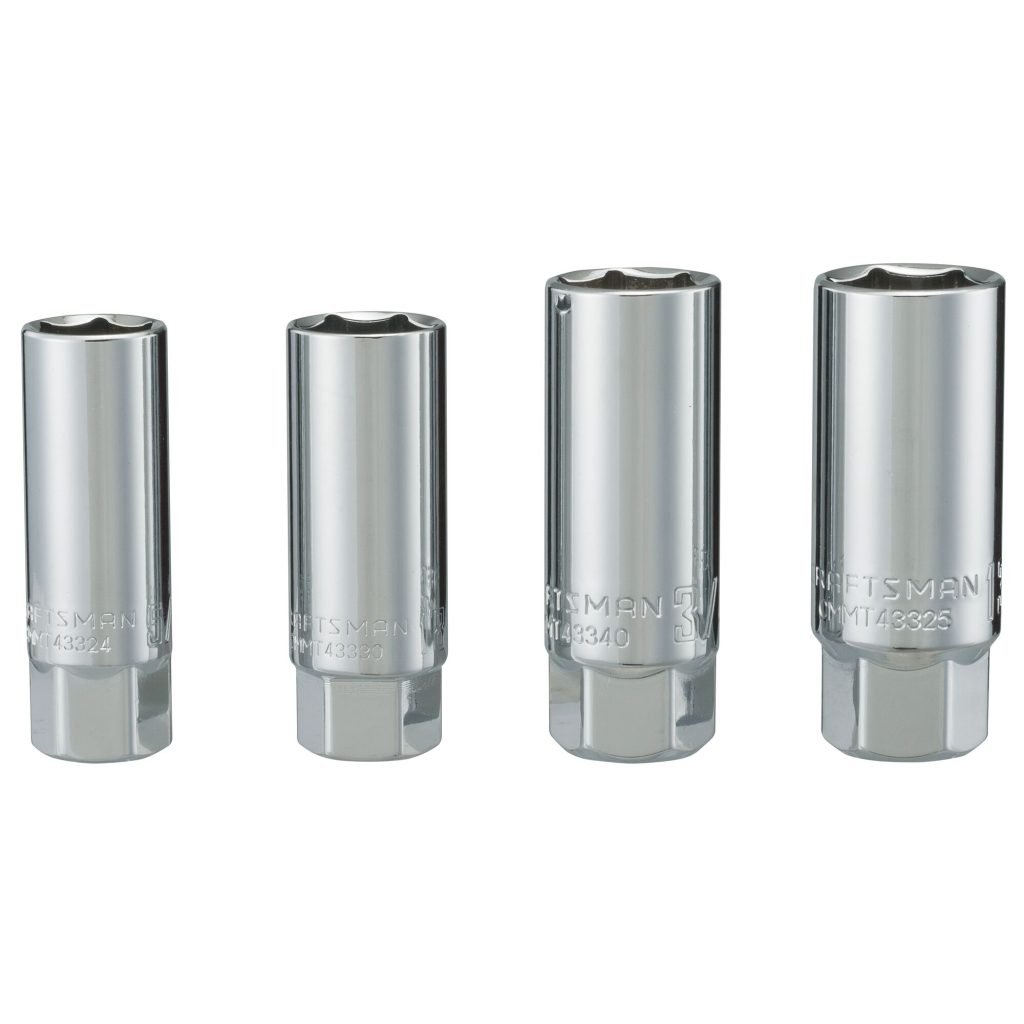
Are you about to tackle the task of changing your spark plugs, only to find yourself puzzled by which socket size to use? You’re not alone.
Many car owners face this exact question, and getting it right is crucial for a smooth and hassle-free experience. Imagine saving time, avoiding frustration, and feeling accomplished as you complete the job with ease. In this guide, you’ll discover exactly what size socket you need for spark plugs, allowing you to approach the task with confidence.
Let’s clear up the confusion and get you on the road to success!

Credit: www.amazon.com
Spark Plug Socket Sizes
Choosing the right spark plug socket size is crucial for a smooth and safe engine tune-up. Using the wrong size can strip the spark plug or damage your tool. Knowing the correct socket size not only protects your equipment but also saves time and frustration during maintenance.
Common Socket Sizes
Spark plug sockets typically come in a few standard sizes. The most common sizes you’ll encounter are:
- 5/8 inch (16 mm)– This is the most widely used size for automotive spark plugs.
- 13/16 inch (21 mm)– Often found on larger plugs, especially in trucks and some motorcycles.
- 3/4 inch (19 mm)– Less common but still used in certain engines.
When I first started working on my car, I grabbed a 5/8 inch socket without checking. It fit, but was loose enough to slip, making removal tricky and risking damage. That experience taught me to always confirm the plug size before starting.
Metric Vs Standard Sizes
Spark plug sockets come in both metric and standard (imperial) sizes. Knowing which measurement system your vehicle uses is key.
| Measurement Type | Common Sizes | Where Used |
|---|---|---|
| Metric | 16 mm, 18 mm, 21 mm | Mostly European and Asian vehicles |
| Standard (Imperial) | 5/8″, 3/4″, 13/16″ | Common in American vehicles |
Ever struggled with mismatched tools because of metric versus standard sizes? It’s a common pitfall. Double-check your vehicle manual or the spark plug itself for the exact size before you start.
Choosing The Right Socket
Choosing the right socket for a spark plug is crucial for effective maintenance. Using the correct size prevents damage to the spark plug and engine parts. A socket that fits well ensures easy removal and installation. This section explains how to select the proper socket size and the tools needed for the task.
Matching Socket To Spark Plug
Spark plugs come in different sizes based on their design. Common sizes include 5/8 inch and 13/16 inch. Check the spark plug’s specifications before buying a socket. The socket must fit snugly around the spark plug’s hexagonal shape. A loose socket can strip the plug’s edges or cause slipping. Use a socket that matches the plug’s exact size for best results.
Tools Needed For Selection
Several tools help identify the correct socket size. A spark plug socket set often includes multiple sizes. A caliper or ruler measures the spark plug’s hex size accurately. A socket wrench or ratchet is necessary to use the socket properly. Having these tools ready makes the job easier and faster. Always select tools that fit comfortably in your hand for better control.
Socket Types For Spark Plugs
Choosing the right socket type for spark plugs is essential for easy installation and removal. The socket must fit well and protect the spark plug from damage. Different sockets serve different purposes. Understanding these types helps you work efficiently and safely on your engine.
Deep Vs Shallow Sockets
Deep sockets have extra length to reach spark plugs seated deep in the engine. They provide more room to handle longer spark plugs without slipping. Shallow sockets are shorter and work best for spark plugs that are easier to access. They are lighter and easier to carry but may not fit all spark plug positions.
Magnetic And Rubber Insert Sockets
Magnetic sockets hold the spark plug firmly, preventing it from dropping during installation. This feature saves time and reduces the chance of damage. Rubber insert sockets have a soft lining inside. The rubber grips the spark plug gently, protecting its ceramic parts from cracking. Both types help keep the spark plug secure but use different methods.
Tips For Using Spark Plug Sockets
Using the right spark plug socket can save time and protect your engine parts. Good habits help avoid damage and make the job easier. Here are some useful tips for using spark plug sockets correctly.
Proper Socket Handling
- Choose the correct socket size that fits snugly on the spark plug.
- Use a socket with a rubber insert or magnetic feature to hold the plug securely.
- Turn the socket gently to avoid stripping the spark plug threads.
- Use a torque wrench to tighten spark plugs to the manufacturer’s recommended setting.
- Keep the socket and tools clean to prevent dirt from entering the engine.
Avoiding Damage To Spark Plugs
- Do not apply excessive force when removing or installing spark plugs.
- Inspect the spark plug for cracks or wear before reusing it.
- Use a spark plug gap tool to check and adjust the gap if needed.
- Handle spark plugs carefully; dropping can cause hidden damage.
- Replace worn or damaged spark plugs promptly to maintain engine performance.
Troubleshooting Socket Fit Issues
Socket fit issues can slow down your spark plug replacement. A socket that is too loose or too tight causes frustration and risks damage. Knowing common problems and fixes helps you work faster and safer. Here is how to troubleshoot socket fit problems effectively.
Common Fit Problems
- The socket slips off the spark plug easily.
- The socket is too tight and won’t slide onto the plug.
- The socket gets stuck and won’t come off the plug.
- The socket does not fit the plug’s size or shape properly.
- The rubber insert inside the socket is worn out or damaged.
- The spark plug is too deep for the socket to reach.
Solutions And Alternatives
- Check the socket size marked on the tool matches your spark plug size.
- Use a socket with a rubber insert for better grip on the plug.
- Try a deep socket if the plug is recessed in the engine.
- Replace worn or damaged sockets to avoid slipping or jamming.
- Use a spark plug socket with a swivel joint for better access.
- Clean the spark plug threads before fitting the socket.
- Apply light penetrating oil if the plug is stuck in place.
- Use a breaker bar for extra leverage on tight plugs.

Credit: www.amazon.com
Maintaining Spark Plug Sockets
Maintaining spark plug sockets keeps them in good working order. Proper care helps sockets last longer and perform better. It also ensures you avoid damage to spark plugs and engines during use.
Cleaning And Storage
Clean sockets after each use to remove dirt and grease. Use a soft brush or cloth to wipe off debris. Avoid harsh chemicals that can damage the socket surface. Store sockets in a dry place to prevent rust.
Keep sockets in a toolbox or organizer to avoid losing them. Arrange by size to find the right socket quickly. Proper storage protects sockets from moisture and dust.
When To Replace Sockets
Check sockets regularly for signs of wear or damage. Cracks, rounded edges, or rust can affect performance. Replace sockets that no longer grip spark plugs firmly.
Worn sockets can slip and damage spark plugs or tools. Investing in new sockets improves safety and work quality. Do not use damaged sockets to avoid costly repairs later.

Credit: r44performance.com
Frequently Asked Questions
What Size Socket Fits Most Spark Plugs?
Most spark plugs require a 5/8 inch or 13/16 inch socket. Check your vehicle’s manual for exact size.
Can I Use A Universal Spark Plug Socket?
Yes, universal sockets fit various sizes but may not grip as tightly. They’re handy for multiple vehicles.
How Do I Measure The Spark Plug Socket Size?
Measure the spark plug hex nut across flats with a caliper. This gives the correct socket size.
Why Is The Right Spark Plug Socket Size Important?
Using the correct size prevents damage to the spark plug and socket. It ensures a secure fit for removal or installation.
Conclusion
Choosing the right socket size makes spark plug changes easier. Most spark plugs need a 5/8-inch or 13/16-inch socket. Using the correct tool protects the plug and engine parts. Double-check your vehicle’s manual for the exact size. A good fit prevents damage and saves time.
Keep the right socket ready before starting work. This small step helps your engine run smoothly and lasts longer. Simple tools, better results.





