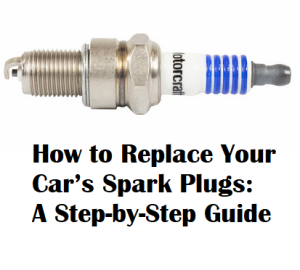
When it comes to maintaining your lawn mower, knowing the right tools to use can save you time and frustration. One common question many face is, “What size socket do I need for my lawn mower spark plug?”
Using the wrong size can damage the plug or make the job harder than it should be. You’ll discover the exact socket size that fits most lawn mower spark plugs and get simple tips to make spark plug replacement quick and hassle-free.
Keep reading—you’re just a few steps away from mastering this easy but important maintenance task.
Choosing The Right Socket Size
Choosing the right socket size for your lawn mower spark plug is essential for a smooth and damage-free removal or installation. Using the wrong size can strip the plug or make the task frustrating. Knowing the correct size saves time and keeps your mower running efficiently.
Common Spark Plug Sizes
Lawn mower spark plugs usually come in a few standard sizes. The most common socket sizes you’ll encounter are:
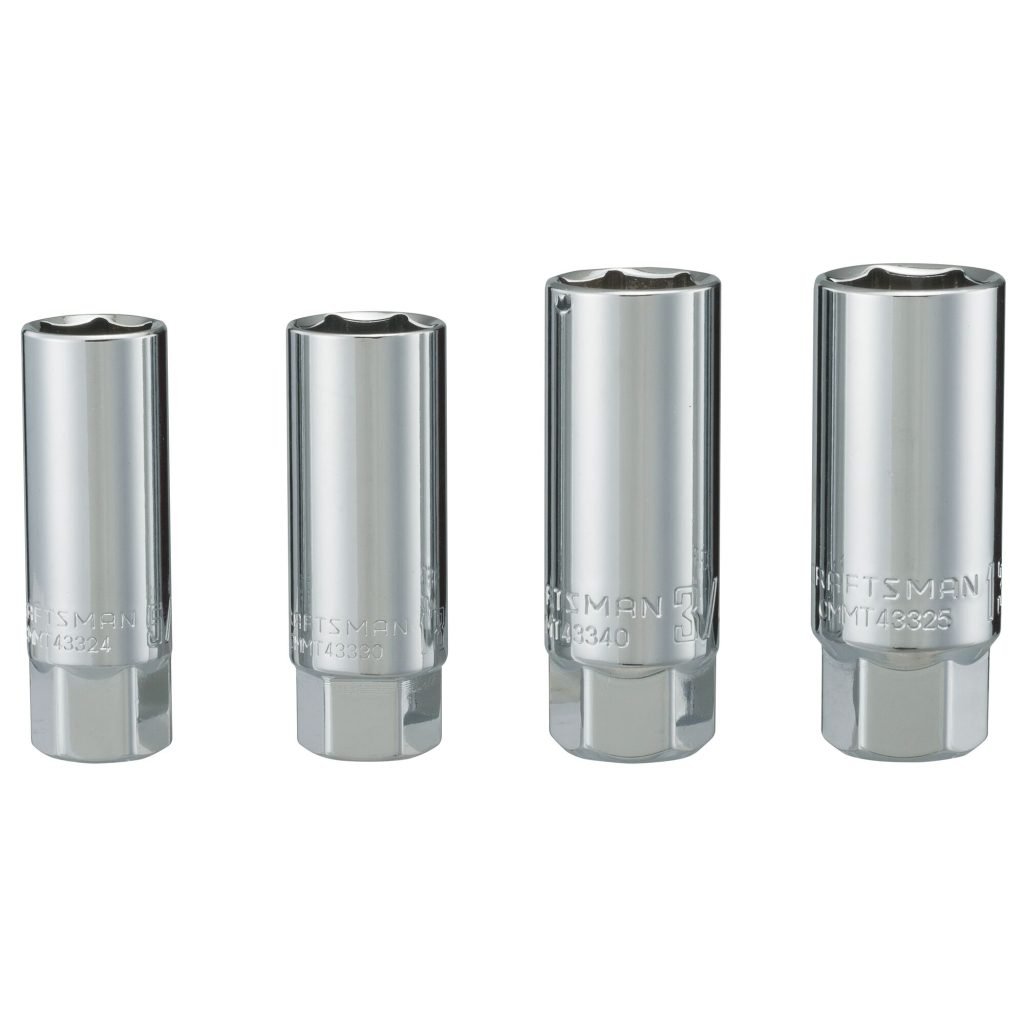
- 5/8 inch (16 mm)– This is the most widely used size for many small engines, including lawn mowers.
- 13/16 inch (21 mm)– Often found in larger engines or certain brands.
- 3/4 inch (19 mm)– Less common but still used in specific models.
Having a socket set with these sizes can cover most of your needs. Have you checked your mower’s manual or the spark plug itself to know which fits?
Measuring Your Spark Plug
If you don’t have the manual handy, measuring the spark plug is a reliable way to find the right socket size. Use a caliper or a ruler to measure the hexagonal part of the plug.
Measure across the flats of the hex, not the corners. This measurement tells you the exact socket size needed.
For example, if your measurement is around 16 mm, a 5/8 inch socket will fit perfectly. This simple step prevents damage and ensures the spark plug comes out smoothly.
Tools Needed For Spark Plug Replacement
Replacing a lawn mower spark plug needs the right tools. Having proper tools makes the job easier and safer. It also helps avoid damage to the spark plug or engine parts.
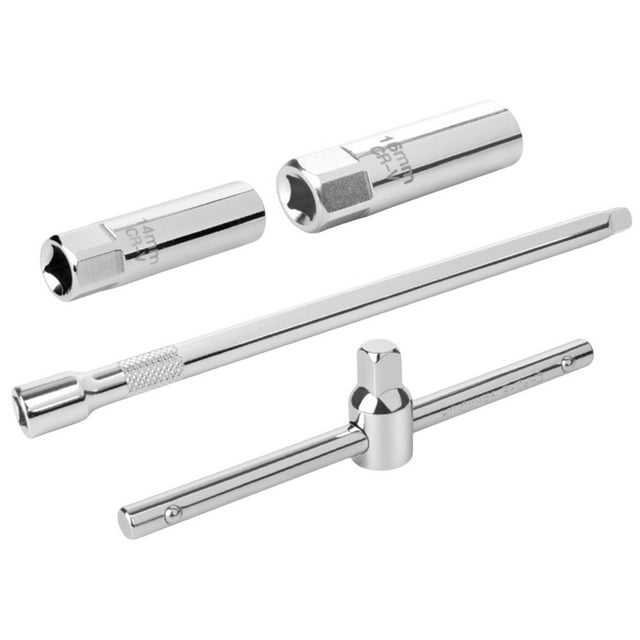
You will need a socket wrench, the correct size socket, and sometimes extensions. These tools help reach and remove the spark plug without trouble. Choosing the right spark plug socket is important for a good fit.
Socket Wrenches And Extensions
A socket wrench provides the grip and leverage to turn the spark plug. Choose a ratchet wrench for better control in tight spaces. Extensions help reach spark plugs in deep or hard-to-reach areas.
- Ratchet socket wrench is best for spark plug removal.
- Extensions come in various lengths, usually 3 to 6 inches.
- Use extensions to avoid damaging wires or other parts.
Spark Plug Socket Types
Spark plug sockets have a rubber insert or a magnetic core. The rubber insert holds the spark plug firmly during removal and installation. Magnetic sockets use magnets to secure the plug in place.
- 6-point sockets fit snugly on the spark plug hex.
- Rubber insert sockets reduce the risk of dropping the plug.
- Magnetic sockets provide a strong hold but may wear out.
Step-by-step Spark Plug Removal
Removing a spark plug from your lawn mower is a simple task that helps keep the engine running smoothly. Using the right tools and following safe steps makes the process quick and easy. This guide covers how to prepare your mower, select the correct socket, and remove the spark plug safely.
Preparing Your Lawn Mower
Start by turning off the lawn mower and disconnecting the spark plug wire. This prevents accidental starting. Let the engine cool down if it was running. Clean the area around the spark plug to stop dirt from falling into the cylinder during removal.
Using The Correct Socket
Most lawn mowers use a 5/8-inch or 13/16-inch spark plug socket. Check your mower’s manual to confirm. A spark plug socket has a rubber insert that grips the plug for easy removal. Use a ratchet wrench with the socket to loosen and remove the spark plug.
Removing The Spark Plug Safely
Attach the correct socket to your ratchet wrench. Turn counterclockwise to loosen the spark plug carefully. Pull the plug straight out once it is loose. Avoid using too much force to prevent damage. Place the old spark plug on a clean surface for inspection or replacement.
Credit: surfatec.org
Installing A New Spark Plug
Installing a new spark plug in your lawn mower is a straightforward task that can improve its performance and fuel efficiency. The right size socket makes this job easier and helps prevent damage to the spark plug or engine. Paying attention to details like the spark plug gap and tightening method ensures your mower runs smoothly.
Checking The Gap
Before installing the new spark plug, check the gap between the electrodes. This gap affects how the spark ignites the fuel-air mixture inside the engine.
Use a spark plug gap tool or feeler gauge to measure the gap. Compare it to the manufacturer’s recommended specification, often found in your mower’s manual.
If the gap is too wide or too narrow, gently adjust it by bending the side electrode until it matches the recommended distance. This step is crucial; a wrong gap can cause starting problems or poor engine performance.
Proper Tightening Techniques
Over-tightening the spark plug can strip the threads or break the plug, while under-tightening can cause poor engine compression or allow dirt inside.
Hand-tighten the spark plug first to avoid cross-threading. Once snug, use a torque wrench or the socket to tighten it according to the torque value specified in your mower’s manual.
If you don’t have a torque wrench, a good rule of thumb is to tighten the spark plug about a quarter to a half turn after it seats firmly by hand. This balance prevents damage and ensures a secure fit.
Troubleshooting Spark Plug Issues
Dealing with spark plug problems can be frustrating, especially when your lawn mower refuses to start or runs poorly. Knowing how to troubleshoot these issues saves you time and money. Let’s take a closer look at how to identify worn spark plugs and avoid common installation mistakes that can worsen the problem.
Signs Of A Worn Spark Plug
Is your mower struggling to start or sputtering during use? These are classic signs that your spark plug might be worn out. Other symptoms include:
- Reduced engine power or rough idling
- Increased fuel consumption
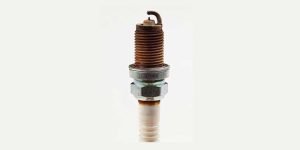
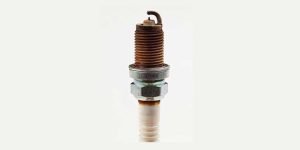
- Visible carbon deposits or corrosion on the plug
- Plug electrode worn down or gap widened beyond specs
If you notice any of these, it’s time to inspect your spark plug closely. A worn spark plug can cause inefficient combustion, which directly affects performance.
Common Installation Mistakes
Have you ever replaced a spark plug only to find the mower still misfires? Installation errors might be the culprit. Here are mistakes to watch out for:
- Using the wrong socket size, which can damage the spark plug or make removal difficult
- Over-tightening or under-tightening the spark plug, leading to thread damage or poor sealing
- Not checking or setting the correct electrode gap before installation
- Failing to clean the spark plug hole before installing the new plug, causing debris to interfere with seating
Have you ever forced a spark plug in without proper alignment? That simple error can strip threads and cause leaks. Taking a moment to use the correct socket size and torque can prevent headaches down the line.
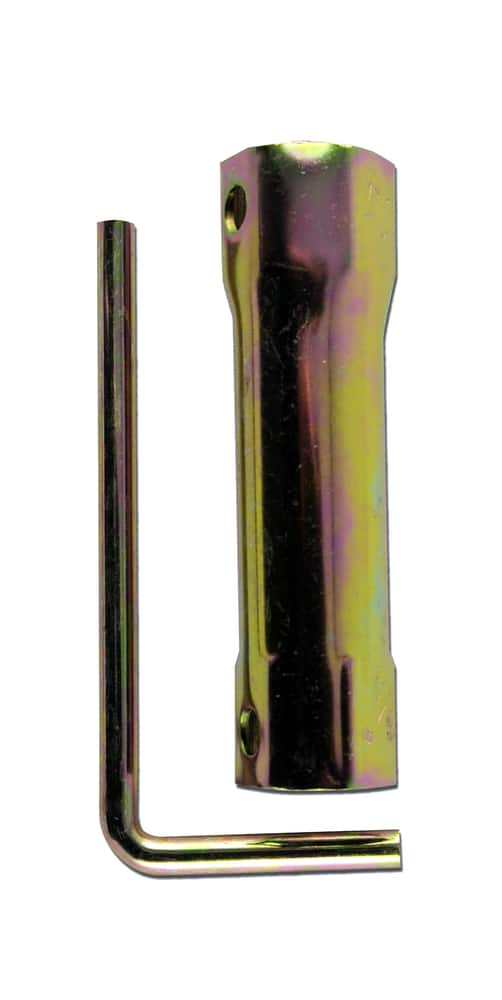
Credit: www.canadiantire.ca

Credit: www.amazon.ca
Frequently Asked Questions
What Size Socket Fits Most Lawn Mower Spark Plugs?
A 5/8-inch socket is the most common size for lawn mower spark plugs. It fits most standard plugs used in small engines. Always check your mower’s manual for specific socket size recommendations.
Can I Use A Regular Socket For Spark Plug Removal?
Yes, but a spark plug socket is better. It has a rubber insert to grip the plug safely. Regular sockets might damage the spark plug or fail to remove it properly.
How To Choose The Right Socket For Spark Plugs?
Check your lawn mower’s manual or the spark plug size printed on the plug. Most require a 5/8-inch or 13/16-inch socket. Use a spark plug socket for a secure fit and easy removal.
Why Is A Spark Plug Socket Important For Lawn Mowers?
Spark plug sockets protect the plug’s porcelain and help remove it without damage. They also have a rubber insert to hold the plug securely during installation and removal.
Conclusion
Choosing the right socket size is crucial. It ensures a snug fit. This prevents damage to your lawn mower spark plug. Always check your mower’s manual for guidance. Most lawn mowers need a 13/16 inch socket. Some may use a 3/4 inch one.
Keep this handy tool in your kit. It saves time and effort. Regular maintenance extends your mower’s life. Spark plug care is part of this. Remember these tips for smoother lawn mowing. Enjoy a well-kept lawn with a reliable mower.
Happy mowing!