Ever found yourself standing in front of a toolbox, staring at a variety of sockets, and wondering, “What size socket do I need for spark plugs?” You’re not alone.
Whether you’re a seasoned mechanic or a weekend DIY enthusiast, knowing the right socket size can save you time, prevent damage to your vehicle, and make your maintenance tasks smoother. This isn’t just about finding the right tool; it’s about feeling confident and capable every time you pop the hood.
Dive into this guide, and let’s eliminate the guesswork, ensuring you’re always prepared for any spark plug challenge. Trust us; you’ll want to keep reading to ensure your next automotive task is a breeze.

Credit: www.amazon.ca
Spark Plug Socket Sizes
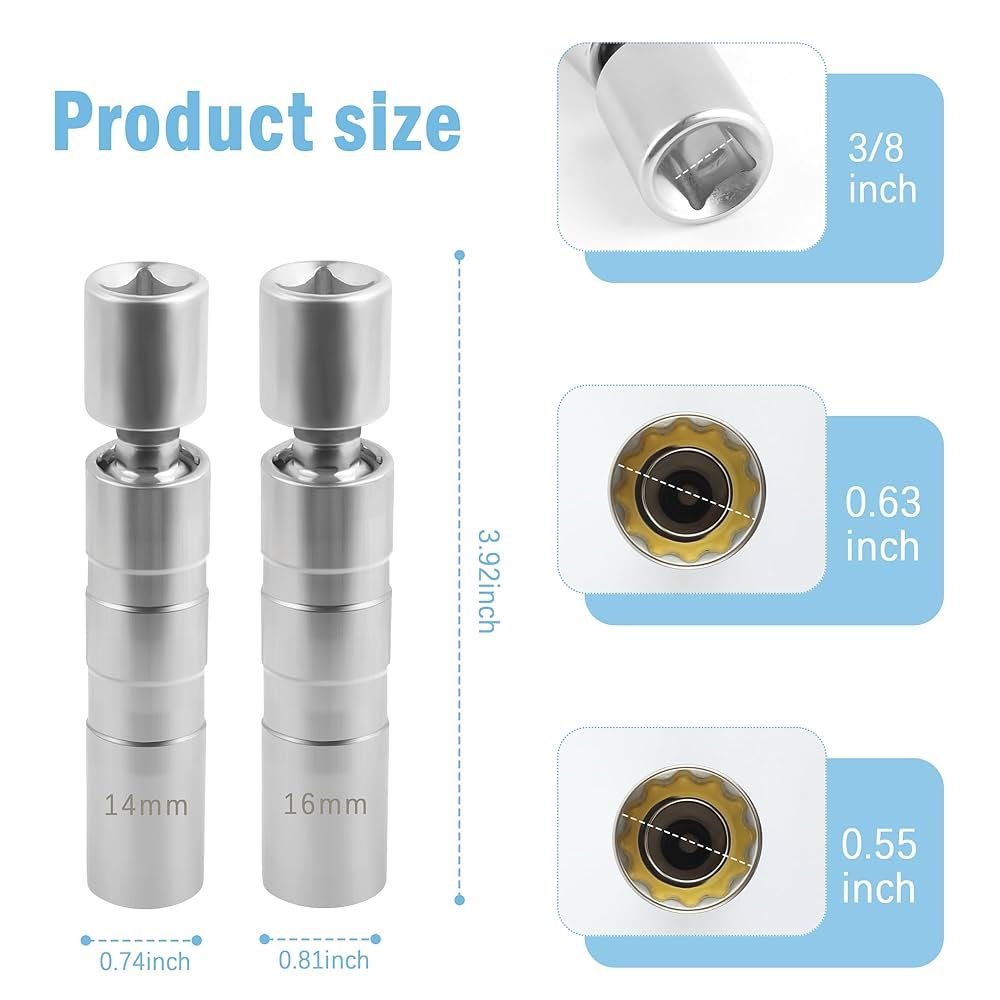
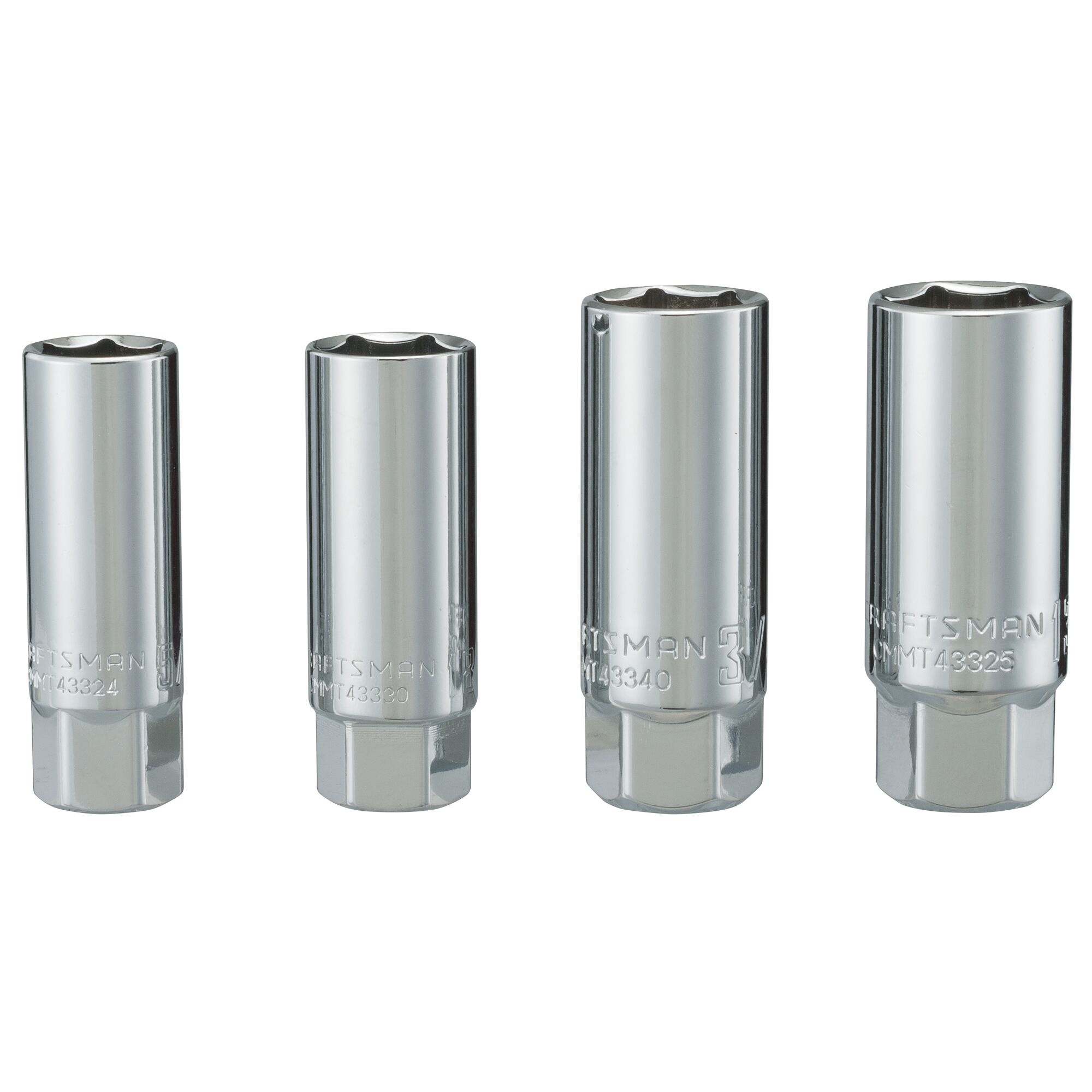
Spark plug sockets come in various sizes to fit different spark plugs. Using the correct socket size ensures a secure fit. It helps prevent damage to the spark plug or engine parts during removal or installation.
Choosing the right socket size makes the job easier and safer. Knowing common sizes can save time and effort at the garage or home workshop.
Common Socket Sizes
Spark plug sockets usually come in three main sizes:
- 5/8 inch (16 mm)
- 13/16 inch (21 mm)
- 3/4 inch (19 mm)
Most cars use either 5/8 inch or 13/16 inch sockets. Trucks and larger engines often need 3/4 inch sockets. Many sockets include a rubber insert or magnet to hold the spark plug firmly.
Choosing The Right Size
Check the spark plug’s hex size before buying a socket. The hex size is the flat part where the socket grips. Use a ruler or caliper to measure it if unsure.
Match the socket size exactly to the spark plug’s hex size. A socket too large can slip and damage the plug. A socket too small won’t fit over the plug.
Using the correct size socket protects the spark plug’s ceramic insulator. It also helps apply the right torque for tightening or loosening.
Factors Affecting Socket Selection
Choosing the right socket size for spark plugs isn’t always straightforward. Several factors influence which socket will fit perfectly and work efficiently without damaging the plug or your engine. Understanding these factors can save you time, effort, and money during maintenance.
Spark Plug Type
Spark plugs come in different shapes and sizes, and their design affects the socket size you need. Most standard spark plugs use a 5/8-inch or 13/16-inch socket, but some high-performance or specialty plugs might require other sizes.
Check the spark plug’s specifications before starting your work. Using the wrong socket size can strip the plug’s hex or make it difficult to remove.
Engine Design
Your engine’s layout plays a big role in socket selection. Tight spaces or deep spark plug wells might require a thinner-walled or longer socket to reach the plug comfortably.
Have you ever struggled to fit a regular socket into a cramped engine bay? Choosing a socket designed for such conditions can make your job much easier and prevent damage to surrounding components.
Socket Material And Quality
The socket’s material affects durability and grip. High-quality sockets made from chrome vanadium or chrome molybdenum steel offer better strength and resistance to wear.
Cheap sockets might seem like a bargain but often slip or break, risking damage to your spark plugs and engine. Investing in good quality tools means smoother, safer maintenance.
Tools Needed For Spark Plug Replacement
Replacing spark plugs requires the right tools to work safely and efficiently. Using proper tools helps avoid damage to the spark plugs and engine parts. It also makes the task faster and easier.
Before starting, gather all necessary tools. These include the correct socket, a wrench, and possibly extensions or adapters. Choosing the right tools ensures a smooth replacement process.
Socket Wrench Types
Socket wrenches come in several types. The most common is the ratchet wrench, which allows quick turning without removing the tool. A breaker bar offers more force for stuck spark plugs but moves slower. A torque wrench is key to tighten spark plugs to the exact pressure. This prevents over-tightening or loosening later.
Extensions And Adapters
Extensions help reach spark plugs deep inside the engine. They provide better access in tight spaces. Adapters connect sockets to wrenches of different sizes. These tools increase flexibility and ease in the replacement task. Having the right length and size extensions avoids damage and saves time.
Credit: www.craftsman.com
Measuring Spark Plug Dimensions
Measuring spark plug dimensions helps find the correct socket size. Getting the right socket prevents damage to the spark plug and engine. Accurate measurement saves time and ensures a perfect fit for installation or removal.
Using Calipers
Calipers provide precise measurements of spark plug dimensions. Use them to measure the hex size across the flats. Place the caliper jaws on opposite sides of the hex nut. Read the measurement in millimeters or inches.
Also measure the spark plug thread diameter for reference. Note down both measurements to choose the right socket size. Calipers offer accuracy better than a regular ruler or tape.
Checking Manufacturer Specs
Manufacturer specs list exact spark plug sizes for each model. Check your vehicle or spark plug box for these details. Specs include hex size, thread diameter, and thread pitch.
Use this information to buy the correct socket size. Specs ensure you do not guess or measure incorrectly. Always trust manufacturer data for the best results.
Tips For Safe Spark Plug Removal
Removing spark plugs safely is crucial to avoid costly repairs and ensure your engine runs smoothly. Taking your time and using the right techniques can save you from stripped threads or broken plugs. Here are some essential tips to help you remove spark plugs without any hassle.
Avoiding Damage To Threads
Damaged threads can cause your spark plugs to get stuck or lead to costly repairs. Before removal, make sure the engine is cool to prevent metal expansion, which tightens the plug’s grip. Use a high-quality spark plug socket with a rubber insert to grip the plug securely and reduce slipping.
Turn the socket slowly and steadily. If you feel resistance, stop and check for cross-threading. Applying a small amount of anti-seize compound on the spark plug threads before installation can make removal easier next time.
Proper Torque Application
Applying the right torque when reinstalling spark plugs is just as important as removing them carefully. Over-tightening can strip the threads or crack the plug, while under-tightening may cause poor engine performance.
Always use a torque wrench to tighten spark plugs to the manufacturer’s specified torque. If you don’t have one, tighten the plug firmly by hand, then give it an extra quarter turn with the wrench. Have you ever wondered how much difference proper torque makes to your engine’s efficiency?
Troubleshooting Socket Fit Issues
Socket fit issues can cause frustration and damage during spark plug removal or installation. Proper socket fit ensures a smooth job and prevents stripping the spark plug. Troubleshooting common fit problems helps maintain tool efficiency and protects your vehicle’s engine parts.
Loose Or Tight Sockets
A loose socket slips off the spark plug, risking damage. It often means the socket size is slightly too big or worn out. Test different socket sizes to find a snug fit without forcing it.
Tight sockets may be the wrong size or the spark plug may be stuck. Avoid using excessive force to prevent breaking the plug or tool. Use a socket with a slight clearance and apply steady pressure.
Dealing With Rust Or Corrosion
Rust or corrosion can cause sockets to bind or not fit properly. Clean the spark plug area with a wire brush or rust remover. Apply penetrating oil and let it sit before attempting removal.
Use a socket with good grip and check for any debris inside the socket. Remove dirt and corrosion to improve socket engagement and reduce the chance of slippage.
Popular Spark Plug Socket Brands
Choosing the right spark plug socket brand matters for ease and safety. Quality tools make the job faster and protect spark plugs from damage. Many brands offer sockets with different sizes, grips, and durability. Knowing popular brands helps pick the best fit for your needs.
Top Recommendations
- Tekton:Known for durable construction and perfect fit sizes.
- DEWALT:Offers strong sockets with rubber inserts to hold plugs safely.
- Craftsman:Provides reliable sockets that work well for most cars.
- GearWrench:Features sockets with good grip and easy-to-use designs.
- Husky:Affordable and sturdy, suitable for home mechanics.
Budget Vs Premium Options
Budget sockets usually cost less and work fine for occasional use. They might lack some features like rubber inserts or extra durability. Premium sockets tend to last longer and protect spark plugs better.
Premium brands often include lifetime warranties and stronger materials. They suit professionals or frequent users who need reliable tools. Choosing between budget and premium depends on how often the socket will be used and the desired quality.

Credit: www.amazon.ca
Frequently Asked Questions
What Size Socket Fits Most Spark Plugs?
The most common spark plug socket size is 5/8 inch (16mm). Some vehicles may require 13/16 inch (21mm) sockets. Always check your vehicle’s manual for the exact size before starting.
How Do I Measure The Spark Plug Socket Size?
Measure the hexagonal part of the spark plug with a caliper or ruler. The size corresponds to the socket needed. This ensures a perfect fit and prevents damage during installation or removal.
Can I Use A Universal Spark Plug Socket?
Universal sockets work but may not fit tightly. Dedicated spark plug sockets have rubber inserts for grip and protection. Using the correct socket size reduces the risk of stripping or breaking the plug.
Why Is Spark Plug Socket Size Important?
Using the right size socket prevents damage to the plug and engine. It ensures proper torque application for safe installation. Incorrect sizes can lead to stripped threads or broken plugs.
Conclusion
Choosing the right socket size makes spark plug changes easier and safer. Most spark plugs need 5/8 inch or 13/16 inch sockets. Using the correct size prevents damage to the plug or engine. Keep your tools ready for smooth repairs.
Remember, a good fit means less effort and better results. Check your vehicle’s manual for exact sizes. Save time and avoid frustration with the right socket. Simple steps lead to a well-maintained engine.





