Are you wondering what size shed you need for your riding mower? Choosing the right shed size is more important than you might think.
Too small, and you’ll struggle to fit your mower inside. Too big, and you could waste space and money. You’ll discover exactly how to pick the perfect shed size that fits your mower and keeps it safe. Keep reading to avoid common mistakes and make the best choice for your outdoor storage needs.
Choosing The Right Shed Size
Choosing the right shed size is important for storing your riding mower safely and conveniently. A well-sized shed protects the mower from weather and makes it easy to access. The shed should fit the mower comfortably and leave room for moving around and storing extra items.
Measuring Your Riding Mower
Start by measuring the length, width, and height of your riding mower. Note the largest dimensions, including any attachments like grass catchers. Write these numbers down. This helps find a shed that fits the mower without being too tight.
Allowing Space For Movement
Leave extra space around the mower inside the shed. This space allows easy entry and exit. It also provides room for maintenance and cleaning. A good rule is to add at least 2 feet of clearance on each side of the mower.
Considering Additional Storage Needs
Think about what else you want to store in the shed. Tools, fuel cans, and mower accessories take up space. Plan for shelves or hooks to keep things organized. A larger shed can keep everything in one place, saving time and effort.
Credit: www.durastorstructures.com
Common Shed Sizes For Riding Mowers
Choosing the right shed size for a riding mower is key to protecting your equipment. Sheds come in various sizes to fit different mower types and storage needs. Knowing common sizes helps you pick one that fits your mower comfortably and offers space for maintenance.
Small Sheds For Compact Mowers
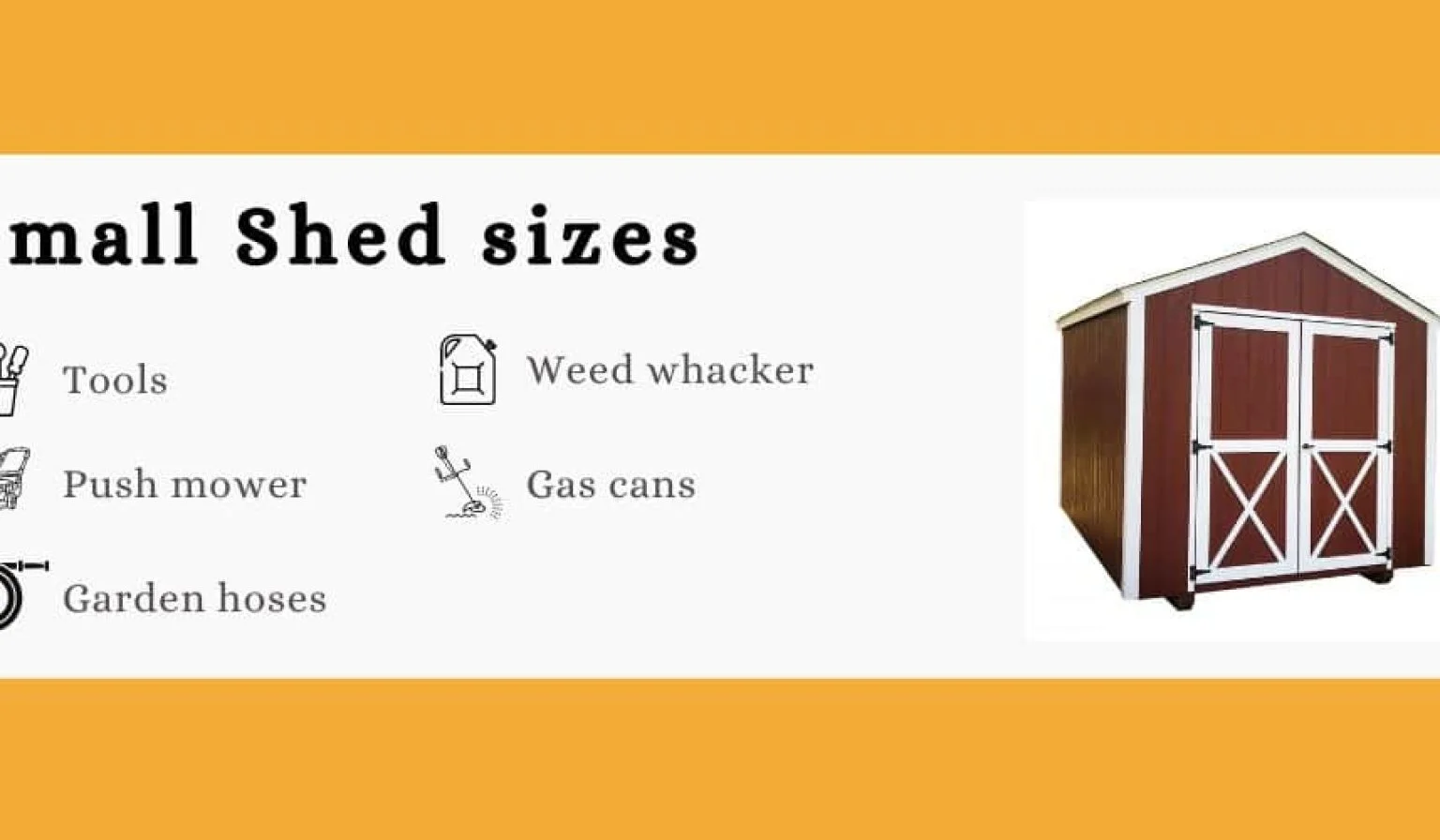
Small sheds suit compact riding mowers. These sheds usually measure about 6×8 feet or 8×8 feet. They provide just enough space for the mower and some tools. Small sheds save yard space and cost less. Ideal for simple storage without extra equipment.
Medium Sheds For Standard Mowers
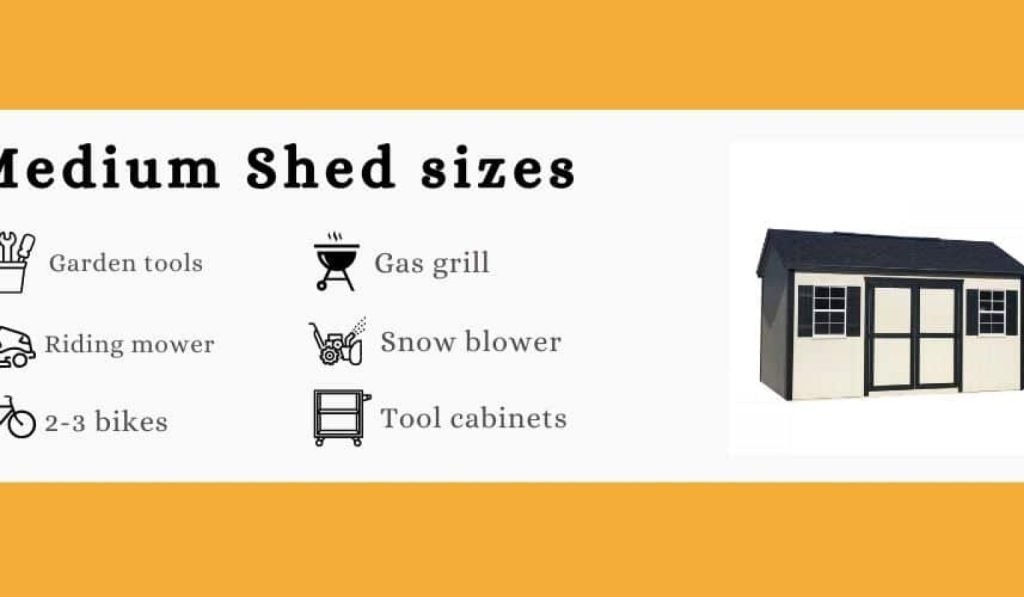
Medium sheds fit most standard riding mowers. Typical sizes range from 10×10 feet to 12×12 feet. These sheds allow room to walk around the mower. They often include space for fuel cans and maintenance tools. Medium sheds balance storage and workspace well.
Large Sheds For Multiple Equipment
Large sheds store multiple machines or extra gear. Sizes start at 12×16 feet and go larger. These sheds fit several mowers, lawn tools, and parts. They offer a workspace for repairs and cleaning. Large sheds suit bigger properties and serious lawn care needs.
Materials And Construction
Choosing the right materials and construction for your riding mower shed is key to protecting your equipment and ensuring longevity. The shed must withstand weather, provide good ventilation, and offer enough light for maintenance tasks. Let’s examine how different materials perform and what construction features matter most.
Wood Vs Metal Vs Plastic
Wood sheds offer a classic look and can be easily customized with shelves or hooks. They provide good insulation but require regular maintenance like painting or sealing to prevent rot and insect damage.
Metal sheds are strong and often more affordable. They resist pests and fire well but can get hot inside during summer, which might affect your mower’s battery or fuel.
Plastic sheds are lightweight and resist rust and decay. They usually come pre-fabricated and are easy to assemble, but they may not be as sturdy against strong winds or heavy snow.
Durability And Weather Resistance
Think about your local weather conditions. If you live in a rainy or snowy area, a shed with a sloped roof and water-resistant materials will keep your mower dry. Metal sheds with rust-proof coatings or wood treated against moisture are good choices.
Strong winds require sheds with solid anchors and reinforced walls. If you’ve experienced damage from storms before, investing in a shed with extra bracing can save you money and hassle later.
Ventilation And Lighting Options
Proper airflow prevents moisture buildup and keeps your mower in good shape. Look for sheds with vents near the roof or windows that open. You might add a small fan if your shed is sealed tightly.
Good lighting helps when you check oil or perform minor repairs. Natural light through windows or skylights reduces the need for electricity, but adding LED lights is a smart idea if you often work after dark.
Have you considered how often you’ll be in your shed and what tasks you’ll perform there? Your answers will guide which features to prioritize in your shed’s design.
Shed Placement And Accessibility
Finding the right spot for your shed is crucial, especially when housing a riding mower. You want it to be convenient, accessible, and perfectly positioned for the best use. Let’s explore how to optimize your shed’s placement and ensure effortless access.
Ideal Location In Your Yard
Selecting the perfect location for your shed can make all the difference. Consider positioning it close to your driveway or garage, which can minimize the distance traveled when moving your mower. Avoid areas prone to water accumulation, as this can lead to long-term issues.
Think about how the shed complements your landscape. A spot that blends seamlessly with your yard’s aesthetic can enhance your outdoor space’s overall look.
Ease Of Entry And Exit
Accessibility is key when storing a riding mower. Ensure the shed doors are wide enough for easy entry and exit. A ramp can be a great addition if there’s a step or uneven ground leading into the shed.
Observe the path leading to the shed. Is it free of obstacles that might hinder your mower’s movement? Make sure there is a clear and straight path for smooth navigation.
Ground Preparation Tips
A solid foundation is essential for your shed’s longevity. Before installation, level the ground and remove any debris that could interfere with stability. Consider adding gravel or paving stones to provide a sturdy base.
Would you like to go a step further? Think about drainage solutions to prevent water from pooling around the shed. A well-prepared ground will protect your investment and ensure it stands the test of time.
Customizing Your Shed
Customizing your shed ensures it fits your riding mower perfectly. It creates a space that is both functional and organized. Thoughtful adjustments make daily use easier and protect your equipment. Tailoring your shed to your needs saves time and effort.
Shelving And Storage Solutions
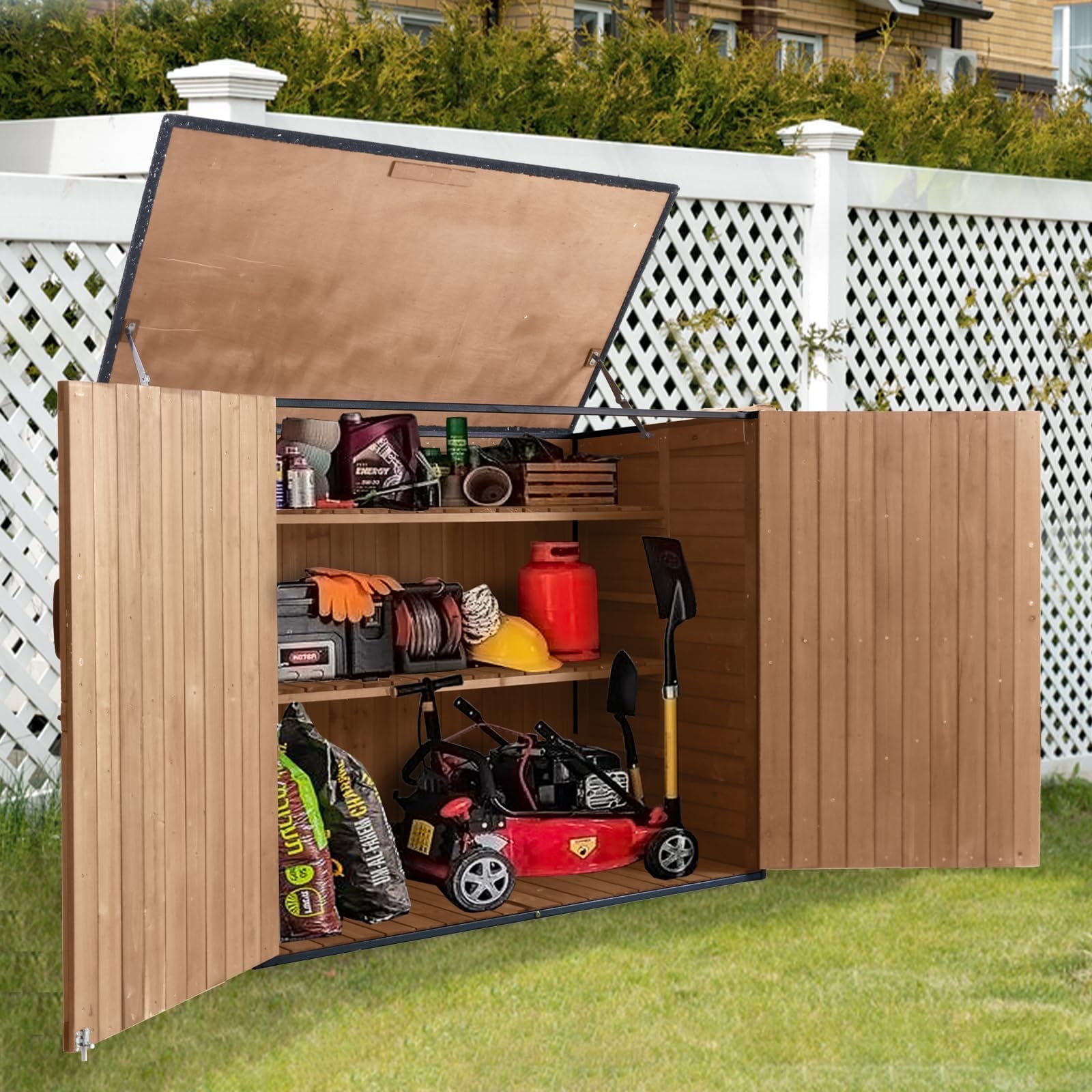
Install shelves to hold smaller tools and supplies. Use hooks for hanging hoses and cords. Cabinets keep chemicals and oils safe and neat. Consider pegboards to organize frequently used items. Use stackable bins to maximize floor space. These solutions keep everything easy to find.
Security Features
Add strong locks to prevent theft or unauthorized access. Use sturdy doors and hinges for durability. Install motion-sensor lights around the shed. Secure windows with bars or reinforced glass. Consider an alarm system for extra protection. These features protect your mower and tools.
Maintenance And Upkeep
Choose weather-resistant materials for the shed. Paint or seal wood to prevent rot and decay. Clean gutters and roofs to avoid water damage. Check doors and locks regularly for wear. Remove debris from inside and around the shed. Proper upkeep extends the life of your shed and mower.

Credit: aecojoy.store
Credit: www.walmart.com
Frequently Asked Questions
What Is The Ideal Shed Size For A Riding Mower?
A shed of at least 10×12 feet is ideal for most riding mowers. This size provides enough space for storage and easy access.
How Much Space Does A Riding Mower Need Inside A Shed?
Riding mowers typically need about 6×10 feet of floor space. Additional space is useful for maintenance and storing accessories.
Can A Small Shed Fit A Riding Mower Comfortably?
Small sheds under 8×8 feet usually cannot fit riding mowers comfortably. Larger sheds ensure better maneuverability and protection.
Should I Consider Extra Space For Mower Accessories?
Yes, extra space for fuel, tools, and attachments is recommended. This helps keep everything organized and easily accessible.
Conclusion
Choosing the right shed size keeps your riding mower safe and ready. A shed too small causes tight spaces and damage risks. Too big wastes space and costs more. Measure your mower first, then add room for tools and easy access.
Think about future needs too. A good shed helps your mower last longer and makes yard work easier. Simple planning saves time and money. Pick a shed size that fits your mower and storage needs well.