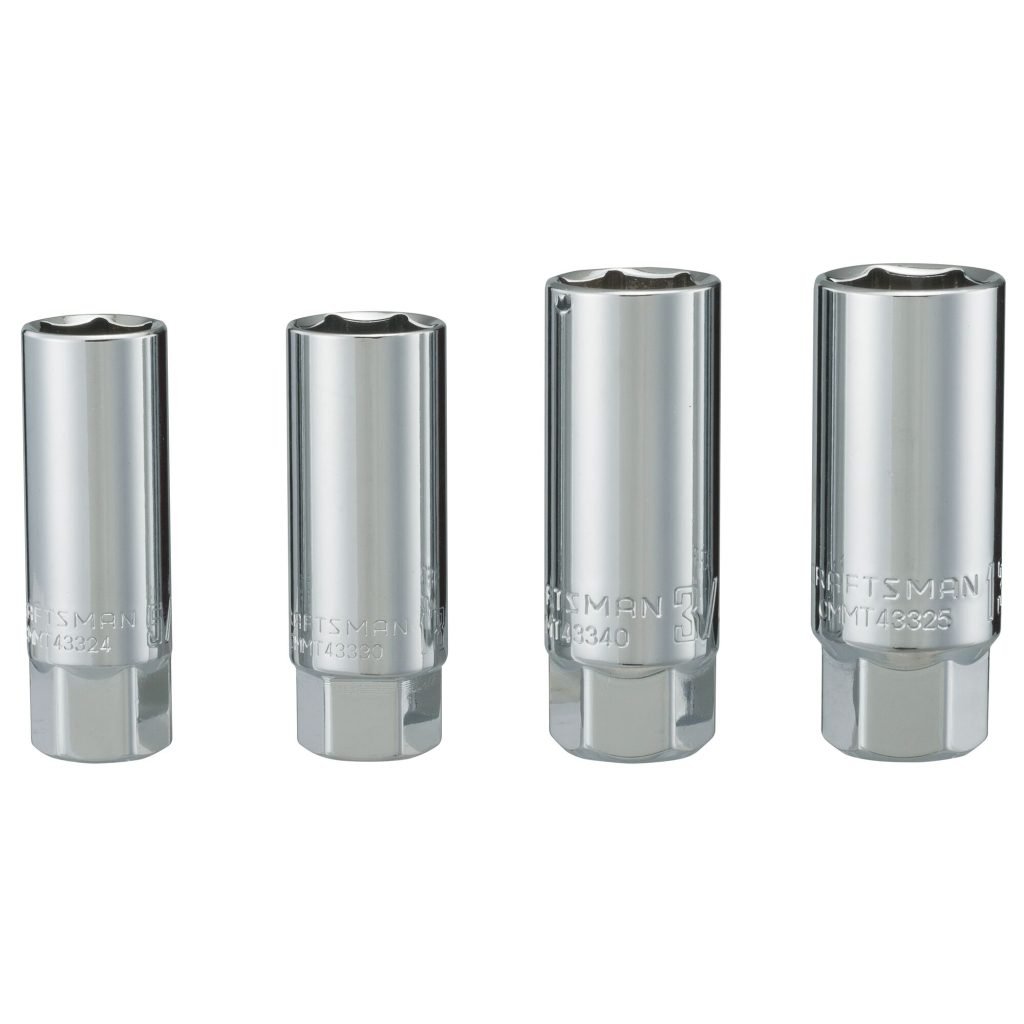
Are you struggling to find the right size spark plug socket for your engine? You’re not alone.
Many DIY enthusiasts and car owners face this challenge. Finding the correct size can make all the difference in ensuring smooth engine performance and avoiding potential damage. In this guide, we’ll simplify the process for you, helping you to identify the exact size you need with ease.
Keep reading to discover the secrets that can save you time, money, and frustration, turning your spark plug socket search from a daunting task into a quick and easy solution. Don’t let the wrong size hold you back any longer—unlock the right fit for your engine now!
Common Spark Plug Socket Sizes
Spark plug sockets come in various sizes to fit different engines. Choosing the correct size is essential for safe and easy spark plug removal. Common spark plug socket sizes fall into two main categories: metric and imperial. Each category includes several standard sizes used by mechanics worldwide.
Standard Metric Sizes
Most modern vehicles use metric spark plug sockets. These sockets fit spark plugs with hex sizes measured in millimeters. Common metric sizes include:
- 16 mm – Often used for smaller engines and motorcycles.
- 18 mm – One of the most common sizes for passenger cars.
- 21 mm – Used in some trucks and larger engines.
Metric sockets provide a tight fit and are widely available in auto shops.
Imperial Size Variations
Older vehicles and some American-made cars use imperial sizes. These are measured in inches and fractions. Popular imperial spark plug socket sizes include:
- 5/8 inch (0.625 inch) – Common in many gasoline engines.
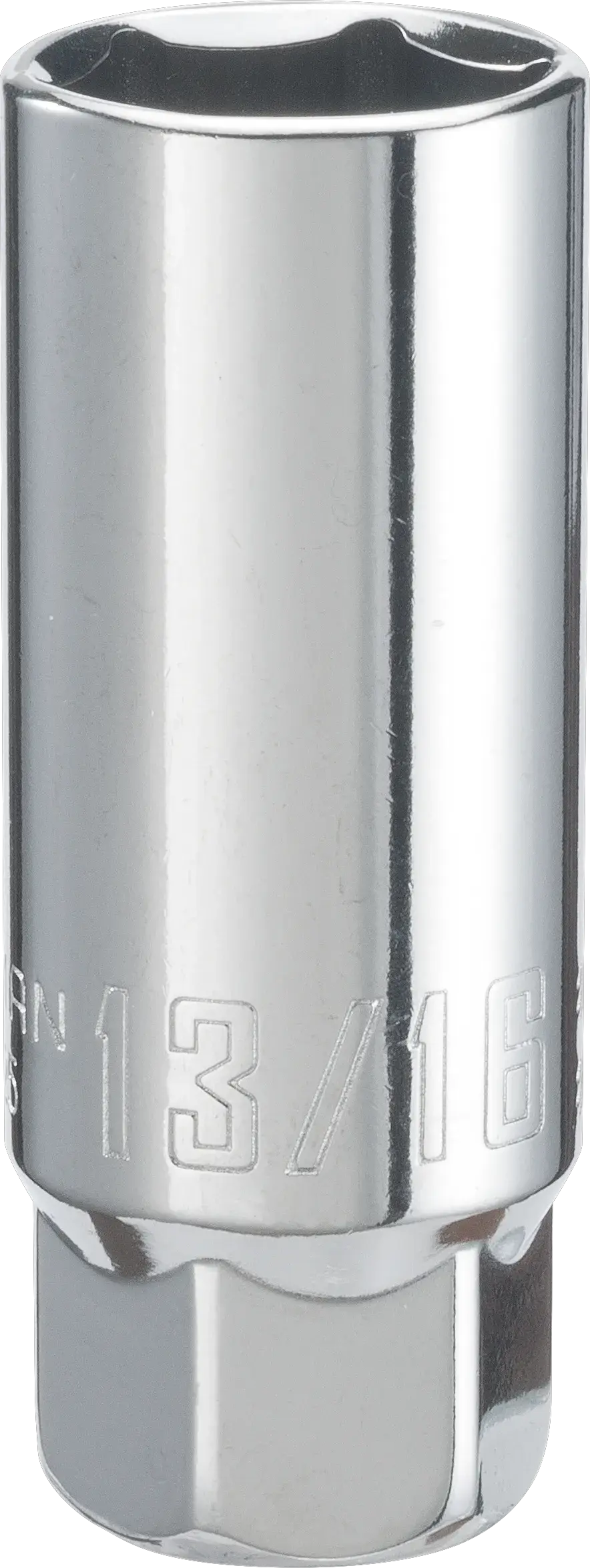
- 13/16 inch (0.8125 inch) – Fits larger spark plugs.
- 3/4 inch (0.75 inch) – Less common but still used in some models.
Imperial sockets are essential for cars made in countries using the imperial system.
Choosing The Right Socket Size
Choosing the right spark plug socket size is essential for efficient vehicle maintenance. Using the correct size ensures a secure fit and prevents damage to the spark plug. It also makes the removal and installation process smoother and quicker.
Understanding the proper socket size helps avoid stripped or rounded spark plugs. It saves time and effort during repairs or replacements. Two easy ways to find the right socket size are checking your vehicle manual and measuring the existing spark plugs.
Checking Your Vehicle Manual
Your vehicle manual provides specific details about spark plug sizes. It usually lists the recommended socket size for spark plug removal. Look in the maintenance or engine section of the manual. The information is often given in millimeters, such as 16mm or 21mm.
Using the manual helps you choose the exact socket size needed. This prevents guessing or buying the wrong tool. It also protects your spark plugs and engine components from damage.
Measuring Existing Spark Plugs
Measure the hexagonal part of the spark plug with a caliper or ruler. This is the area where the socket fits. Measure across the flat sides, not the corners, for an accurate size. The measurement will tell you which socket size to use.
You can also bring the spark plug to a hardware store. Compare it with socket sizes on display. This hands-on approach confirms the right fit before purchase.
Types Of Spark Plug Sockets
Spark plug sockets come in different types to fit various needs. Choosing the right one helps remove and install spark plugs easily. Each type offers unique features suited for specific tasks. Understanding these types ensures better tool performance and vehicle care.
Magnetic Vs Non-magnetic
Magnetic spark plug sockets have a magnet inside. This magnet holds the spark plug firmly. It prevents the plug from falling during removal or installation. Magnetic sockets are helpful in tight spaces or hard-to-reach areas.
Non-magnetic sockets do not have a magnet. They rely on a rubber insert or tight fit to hold the spark plug. These sockets may be better for delicate plugs to avoid magnetic damage. They are simple but require careful handling.
Deep Vs Shallow Sockets
Deep spark plug sockets are longer than shallow ones. They reach plugs that sit deep inside the engine. This extra length helps avoid obstacles like wires or engine parts.
Shallow sockets are shorter and used for plugs that are easy to access. They provide better control and fit in tight spots. Shallow sockets are lighter and easier to handle for quick jobs.

Credit: www.amazon.com
Tools Needed For Spark Plug Removal
Removing spark plugs requires specific tools to do the job safely and effectively. Using the right tools helps avoid damage to the spark plug or engine parts. It also makes the removal process quicker and easier. Some basic tools are essential for this task, especially the spark plug socket and the wrench.
Socket Wrench Essentials
A socket wrench is the main tool for removing spark plugs. It provides the grip and leverage needed. The spark plug socket is a special type of socket made to fit spark plugs perfectly.
- Spark plug sockets usually come in 5/8 inch or 13/16 inch sizes.
- They have a rubber insert or magnet inside to hold the spark plug securely.
- The socket must fit snugly to avoid slipping or damaging the plug.
- A ratchet wrench works best with the socket for easy turning.
Extensions And Adapters
Sometimes spark plugs are deep inside the engine. Extensions help reach these tight spots without strain.
- Extension bars attach between the socket and wrench to increase length.
- Adapters convert different drive sizes to match the wrench and socket.
- They improve access and make the process smoother.
- Choose extensions and adapters based on engine space and socket size.
Tips For Diy Spark Plug Replacement
Replacing spark plugs at home can save money and keep your engine running smoothly. Proper tools and knowledge help avoid damage and ensure the job is done right. Understanding the right size of the spark plug socket and following key tips improves your DIY experience.
Proper Torque Application
Applying the correct torque prevents damage to the spark plug and engine. Too tight can strip threads or crack the plug. Too loose causes poor engine performance or misfires.
- Use a torque wrench for accuracy.
- Check your vehicle’s manual for the exact torque value.
- Tighten spark plugs gradually and evenly.
- Hand-tighten first, then finish with the torque wrench.
Cleaning And Inspecting Spark Plugs
Inspect each spark plug for wear or damage before reinstallation. Cleaning helps maintain good engine performance.
- Look for cracks, carbon deposits, or worn electrodes.
- Use a wire brush or spark plug cleaner to remove deposits.
- Check the gap with a feeler gauge and adjust if needed.
- Replace any spark plugs that show heavy wear or damage.

Credit: r44performance.com
Common Mistakes To Avoid
Knowing the right size for your spark plug socket is just the beginning. Avoiding common mistakes during installation can save you time and prevent damage to your engine. Let’s look at two frequent errors that could cost you more than just a few minutes.
Using Incorrect Socket Sizes
Using the wrong socket size is a mistake that can strip the spark plug’s hex or cause it to get stuck. Spark plugs typically come in sizes like 5/8 inch or 13/16 inch, so using a socket that doesn’t fit snugly will damage the plug.
Think about a time you grabbed a socket just because it looked close enough—did the plug slip or get rounded off? This can force you to replace the entire spark plug, which is frustrating and costly. Always double-check the exact size needed before you start, and keep a set of sockets handy for different spark plugs.
Over-tightening Spark Plugs
It’s tempting to tighten spark plugs as much as possible, thinking it will prevent loosening. But over-tightening can crack the ceramic insulator or strip the threads in the cylinder head.
Have you ever struggled to remove a plug that feels fused in place? That’s often the result of too much torque. Use a torque wrench and follow manufacturer specs—usually around 15 to 30 ft-lbs—to avoid damage and ensure proper sealing.
Where To Buy Quality Spark Plug Sockets
Finding the right place to buy quality spark plug sockets makes a big difference. Good sockets last longer and fit better. This saves time and money during car repairs. Knowing where to shop helps you get the best tools for your needs.
Recommended Brands
Choose brands known for durability and precision. Some trusted names include:
- Snap-on
- Craftsman
- GearWrench
- Tekton
- Husky
These brands offer sockets made from strong materials. They resist wear and provide a secure fit on spark plugs.
Online Vs Local Stores
Online stores offer a wide selection and easy price comparison. You can read customer reviews to check quality. Delivery is quick, often to your doorstep.
Local stores let you see and hold the socket before buying. Staff can give advice and help you pick the right size. Immediate pickup saves time if you need the socket quickly.
Credit: www.craftsman.com
Frequently Asked Questions
What Size Is A Standard Spark Plug Socket?
A standard spark plug socket size is typically 5/8 inch (16mm). This fits most spark plugs in cars and motorcycles. Some vehicles may require a 13/16 inch (21mm) socket. Always check your vehicle manual for the exact size before purchasing a socket.
Can I Use A Regular Socket For Spark Plugs?
Using a regular socket is not recommended. Spark plug sockets have a rubber insert or magnet to protect the plug. Regular sockets lack this feature, increasing the risk of damaging the plug or threads during removal or installation.
Why Are Spark Plug Sockets Different Sizes?
Spark plug sockets vary because spark plugs come in different thread diameters. Common sizes are 5/8 inch and 13/16 inch. The socket size must match the plug size for proper fit and to avoid damage during maintenance.
How To Choose The Right Spark Plug Socket Size?
Check your vehicle’s owner manual or the spark plug specifications. Identify the plug’s hex size, usually 5/8 inch or 13/16 inch. Choose a socket with the correct size and a rubber insert for secure grip and protection.
Conclusion
Knowing the right spark plug socket size saves time and effort. Most spark plugs fit either 5/8 inch or 13/16 inch sockets. Using the correct socket prevents damage to the plug and engine parts. Always check your vehicle’s manual for exact size details.
Having the right tools makes car maintenance easier and safer. Keep your spark plug socket handy for quick repairs. Simple steps lead to better engine performance and longer spark plug life.





