Have you ever found yourself staring at a toolbox, wondering which socket size to use for changing your car’s spark plugs? It’s a common dilemma, and getting it wrong can lead to frustration and wasted time.
You’re not alone in this puzzle, and the good news is that understanding the right spark plug socket size isn’t as complex as it seems. We’ll unlock the secrets behind spark plug socket sizes, making sure you have the right tools for the job.
Imagine the relief of confidently selecting the right socket, knowing that you’re saving time and effort. Stay with us, and by the end of this read, you’ll feel empowered to tackle your car maintenance like a pro.

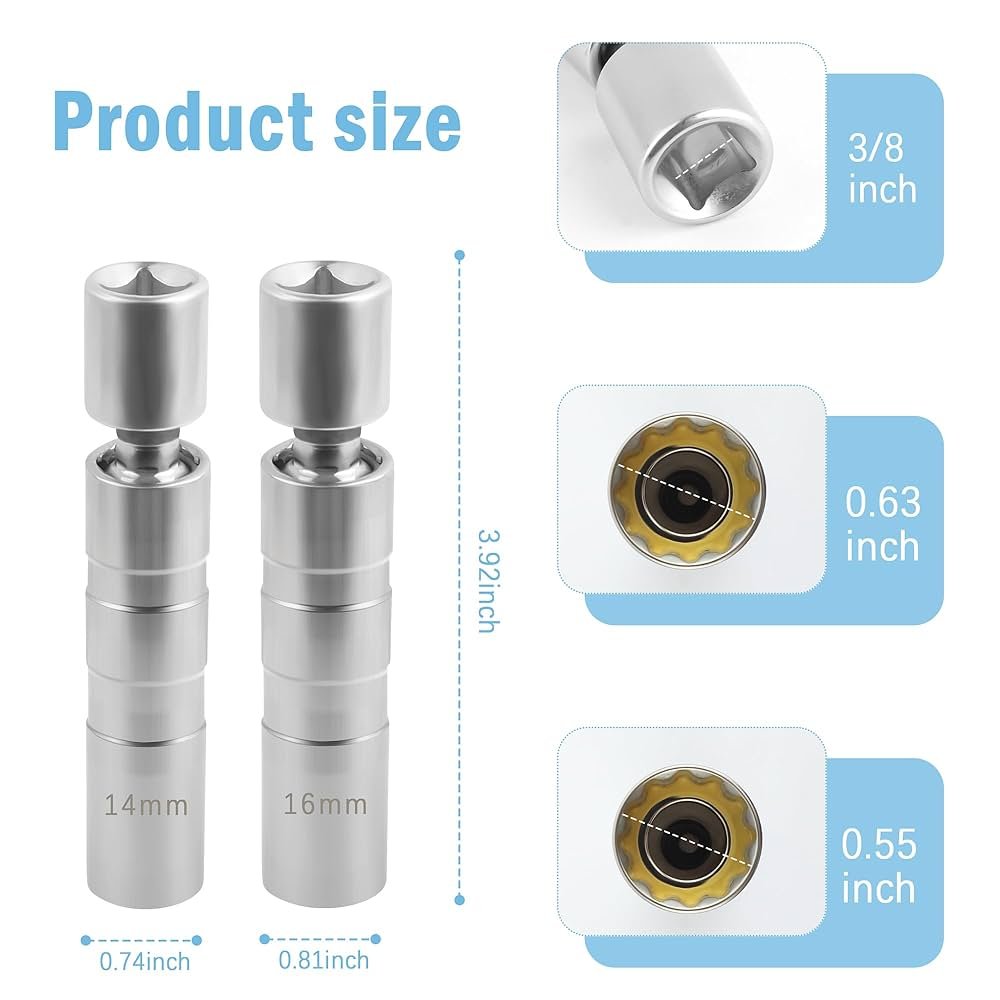
Credit: www.amazon.ca
Spark Plug Socket Sizes
Spark plug sockets come in various sizes to fit different spark plugs. Choosing the right size socket is crucial for proper installation and removal. Using the wrong size can damage the spark plug or the engine. Knowing the common sizes helps in picking the correct tool quickly. Understanding the difference between metric and standard sizes also prevents confusion during repairs.
Common Sizes Used
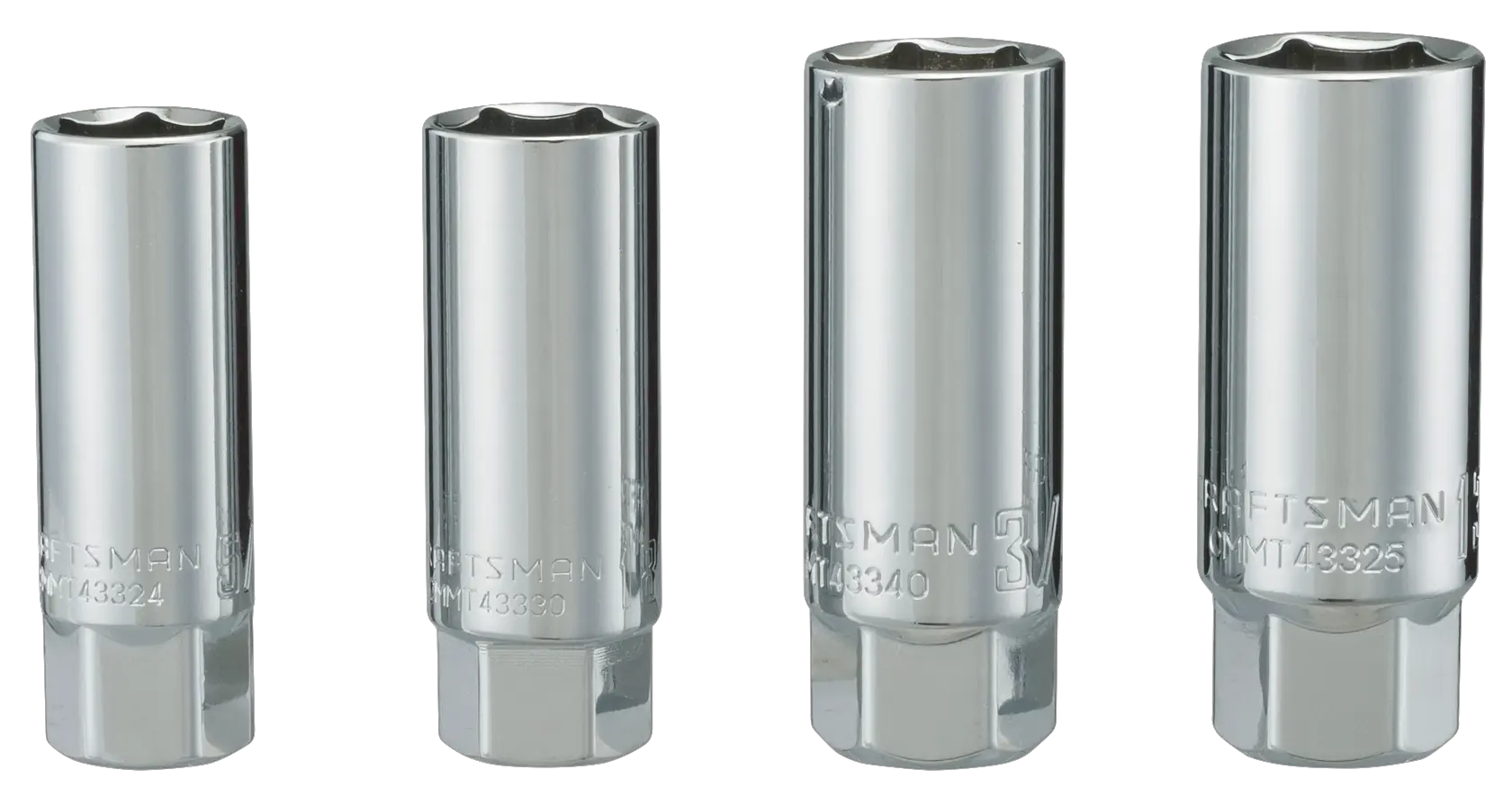
Spark plug sockets usually range between 5/8 inch and 13/16 inch in size. The most common sizes include:
- 5/8 inch (16mm)
- 13/16 inch (21mm)
- 9/16 inch (14mm)
Many vehicles use 5/8 inch sockets for spark plugs. Larger engines sometimes require 13/16 inch sockets. Smaller engines or certain models might need a 9/16 inch socket. Always check your vehicle manual for the exact socket size.
Metric Vs Standard Measurements
Spark plug sockets come in metric and standard (imperial) sizes. Metric sizes are measured in millimeters, while standard sizes use inches.
Common metric sizes include 16mm and 21mm. Standard sizes often include 5/8 inch and 13/16 inch. Metric sockets fit most modern cars worldwide. Older or American vehicles may use standard sizes more often.
Using the right measurement type ensures a proper fit. Mixing metric and standard sockets can cause slipping or damage. Check your spark plug specifications to match the socket size correctly.
Choosing The Right Socket
Choosing the right spark plug socket is key to making your maintenance work smooth and damage-free. Using the wrong size can strip the spark plug or make the job harder than it needs to be. Knowing exactly what size fits your spark plug saves time and protects your engine parts.
Matching Socket To Spark Plug
Each spark plug has a specific hex size, usually measured in millimeters or inches. Common sizes include 5/8 inch and 13/16 inch, but there are variations depending on the vehicle model and spark plug brand. Check the spark plug’s specifications or measure the hex part directly to find the correct socket size.
Using a socket that matches the spark plug’s hex size ensures a snug fit. This prevents slipping or rounding off the plug’s edges. Have you ever struggled to remove a spark plug because the socket was too loose? That’s why accuracy matters here.
Tools Needed For Measurement
Before buying a spark plug socket, gather simple tools to measure the plug’s size accurately. A digital caliper or a standard vernier caliper works well for this task. These tools give precise measurements of the spark plug’s hex width.
If you don’t have calipers, a ruler or tape measure can work but may be less accurate. Measure across the flats of the hexagonal part, not the corners, to get the right size. Recording this measurement helps you select the socket that fits perfectly.
Socket Features For Spark Plugs
Choosing the right spark plug socket isn’t just about size. The features of the socket play a huge role in how easily and safely you can remove or install spark plugs. Understanding these features helps you pick a tool that lasts longer and protects both your spark plug and engine.
Material And Durability
Most spark plug sockets are made from chrome vanadium steel or chrome molybdenum steel. These materials stand up well to the high torque needed to loosen tight spark plugs without breaking or bending.
I once used a cheap socket that cracked halfway through a job. It cost me extra time and money. Investing in a socket with durable material saves you frustration and ensures your tools last through many repairs.
Look for sockets with a polished or black oxide finish. This finish resists rust and corrosion, keeping your tools reliable, especially if you work in humid or outdoor conditions.
Rubber Inserts And Magnetic Options
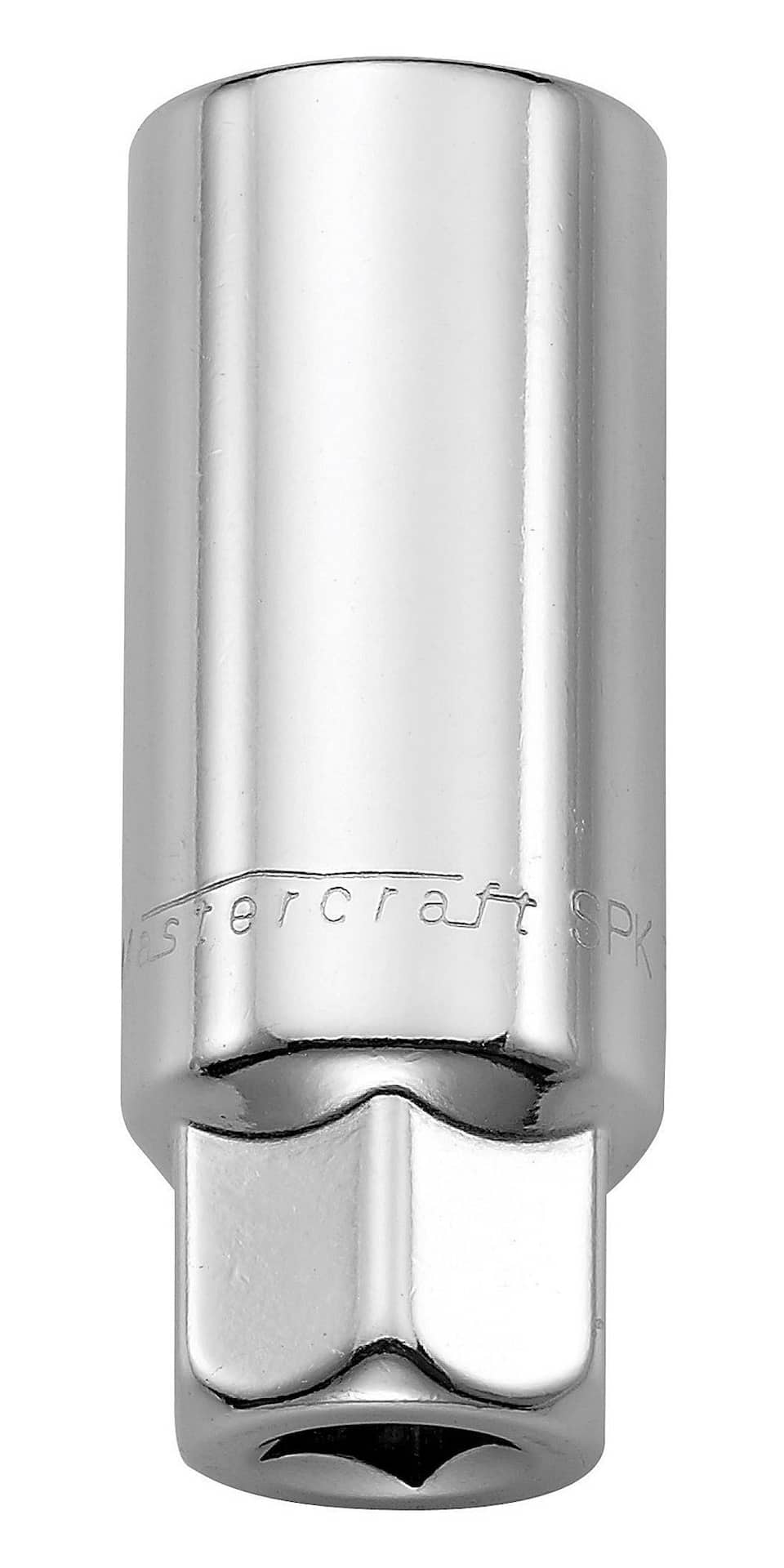
Rubber inserts inside the socket grip the spark plug securely. This prevents the plug from falling when you pull the socket out of a tight engine space. Have you ever dropped a spark plug inside the engine bay? It’s frustrating and can cause damage.
Magnetic sockets offer a similar advantage. They hold onto the spark plug firmly using a built-in magnet, making installation and removal easier. However, not all magnetic sockets have strong magnets, so check reviews or test before buying.
Choosing between rubber inserts and magnets depends on your preference. Rubber offers a softer grip that won’t scratch the ceramic part of the plug, while magnets provide quick attachment. What do you find more reliable in your work?
Credit: www.canadiantire.ca
Using A Spark Plug Socket Correctly
Using a spark plug socket correctly ensures a smooth and safe engine maintenance process. The right technique protects the spark plug and engine parts from damage. It also makes installation and removal easier. Understanding how to use the socket properly saves time and effort.
Installation Tips
- Choose the correct socket size for your spark plug.
- Attach the socket securely to a ratchet or extension.
- Insert the spark plug gently into the socket’s rubber insert.
- Align the spark plug with the engine’s spark plug hole carefully.
- Turn the ratchet slowly to start threading by hand.
- Avoid cross-threading by ensuring the spark plug is straight.
- Tighten the spark plug until it feels snug, then apply torque per manufacturer specs.
- Do not over-tighten to prevent damage to threads or the plug.
Removal Techniques
- Allow the engine to cool down before removing spark plugs.
- Use the spark plug socket attached to a ratchet or breaker bar.
- Turn counterclockwise slowly to loosen the plug.
- Keep the socket straight to avoid damaging the spark plug.
- Once loose, carefully pull the spark plug out with the socket.
- Inspect the spark plug for wear or damage after removal.
- Clean the socket and check the rubber insert before reuse.
Common Mistakes To Avoid
Working with spark plugs requires more than just picking up a socket and turning it. Many make avoidable mistakes that can damage the plug or engine. Understanding these pitfalls helps you save time, money, and frustration.
Using Incorrect Socket Size
Using the wrong socket size is a common error that can strip the spark plug’s hex or leave it loose. Spark plugs usually come in sizes like 5/8 inch or 13/16 inch, but the exact size depends on your vehicle’s make and model.
Think about the last time you grabbed a socket that felt slightly off—it might have seemed okay at first, but it soon slipped and damaged the plug. Always double-check the size before starting, and avoid guessing. It’s better to spend a few extra minutes confirming than to risk ruining a spark plug that costs more than your socket.
Over-tightening Issues
It’s tempting to tighten a spark plug as much as possible, thinking it will secure it better. However, over-tightening can cause serious damage, including cracked insulators or stripped threads in the cylinder head.
Have you ever felt that sudden resistance while tightening and pushed harder? That’s a red flag. Use a torque wrench to apply the manufacturer’s recommended torque. This ensures the plug seats properly without causing harm, improving engine performance and longevity.
Maintaining Your Spark Plug Socket
Maintaining your spark plug socket ensures it works well for a long time. Proper care keeps the socket clean and free from damage. This helps you remove and install spark plugs easily. Simple maintenance steps can save money and avoid tool failure during repairs.
Cleaning And Storage
After each use, wipe the socket with a clean cloth. Remove dirt, grease, and metal shavings carefully. Avoid using harsh chemicals that can damage the socket surface. Store the socket in a dry place to stop rust and corrosion. Use a toolbox or a case with compartments to keep it safe. Keeping the socket dry and clean increases its lifespan.
When To Replace
Check the socket regularly for cracks or wear. A worn socket may slip and damage spark plugs. Replace the socket if the rubber insert is cracked or missing. If the socket no longer fits snugly on spark plugs, it’s time for a new one. Using a damaged socket can cause injury and costly repairs. Always choose the right size and quality for replacement.
Credit: www.craftsman.com
Frequently Asked Questions
What Size Is A Standard Spark Plug Socket?
A standard spark plug socket usually measures 5/8 inch (16mm). This size fits most spark plugs in cars and motorcycles, ensuring a secure grip during installation or removal.
Are Spark Plug Sockets Different Sizes For Cars?
Yes, spark plug socket sizes vary by car models. Common sizes include 5/8 inch and 13/16 inch. Always check your vehicle’s manual for the correct size to avoid damage.
Can I Use A Regular Socket For Spark Plugs?
Using a regular socket is not recommended. Spark plug sockets have a rubber insert that grips the plug, preventing damage during removal or installation. Regular sockets lack this feature.
Why Do Spark Plug Sockets Have Rubber Inserts?
Rubber inserts hold the spark plug securely inside the socket. This prevents the plug from dropping or getting damaged while tightening or loosening it.
Conclusion
Choosing the right spark plug socket size makes car repairs easier. Most spark plugs use 5/8 or 13/16 inches sockets. Knowing the correct size saves time and prevents damage. Always check your vehicle’s manual before starting work. Using the right tool helps ensure a good fit and safe removal.
Keep a set of common socket sizes handy for different spark plugs. This simple step improves your repair experience and keeps your engine running well.





