Choosing the right engine size for your zero turn mower can make all the difference in how easy and efficient your lawn care becomes. You might be wondering, “What size engine do I really need?”
The answer depends on your lawn size, terrain, and mowing habits. Picking the wrong engine size could mean wasted time, frustration, or even damage to your mower. You’ll discover exactly how to match the perfect engine size to your needs, so you can enjoy a smooth, powerful mowing experience every time.
Keep reading to find the key factors that will help you make the best choice for your lawn.
Engine Size Basics
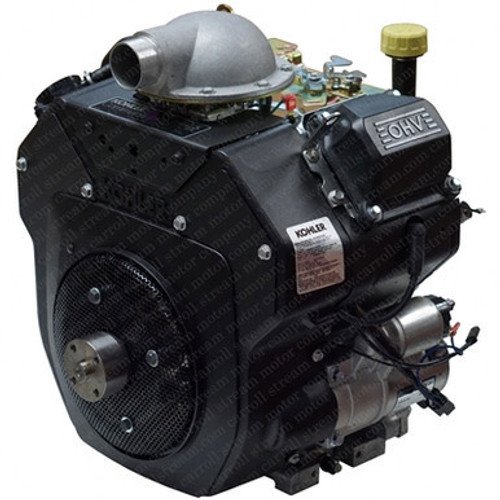
The engine sizeof a zero turn mower is measured in horsepower (HP)or cubic centimeters (cc). Common engine sizes range from 18 HP to 25 HP, with cc values between 400 cc and 700 cc. Smaller engines suit light yard work, while larger engines handle bigger lawnsand tougher grass.
| Engine Size (HP) | Typical Lawn Size | Best Use |
|---|---|---|
| 18-20 HP | Up to 1 acre | Small yards, light grass |
| 21-23 HP | 1 to 3 acres | Medium yards, moderate grass |
| 24-25+ HP | Over 3 acres | Large yards, thick/tall grass |
Engine size affectsmower speed, cutting power, and fuel use. A bigger enginemeans faster cutting and handling of thick grass. It also allows longer mowing time without strain. Smaller engines use less fuel but work best on small lawns. Choosing the right engine size helps save timeand improves mowing quality.
Factors Influencing Engine Choice
Yard sizeplays a big role in choosing the engine size. Larger yards need engines with more power for faster mowing. Terrainalso matters. Hilly or rough areas require stronger engines to handle slopes and obstacles easily.
The cutting deck widthaffects engine choice. Wider decks need bigger engines to cut grass evenly without strain. Smaller decks can work well with less powerful engines.
Grass type and densityaffect mowing power needs. Thick or tall grass demands a stronger engine for clean cuts. Thin or short grass allows for smaller engines.
Frequency of useis important too. Daily or heavy use needs a durable engine with higher power. Occasional use can handle smaller engines that need less fuel.
Engine Types For Zero Turn Mowers
Gasoline engines are common in zero turn mowers. They provide strong power for mowing large lawns. These engines are easy to start and maintain. They run smoothly and are reliable. Gasoline engines are also affordable. They are a great choice for many users. Remember to check fuel levels before mowing.
Diesel engines are known for their durability. They last longer than other engines. Diesel engines use less fuel and are more efficient. They are perfect for big mowing tasks. These engines can handle heavy loads easily. Diesel engines are a bit louder, though. Make sure to wear ear protection when using them.
Electric and hybrid engines are quiet. They are eco-friendly and have no emissions. These engines need less maintenance. Electric mowers are perfect for small lawns. Hybrids offer more power for larger areas. Charging the batteries takes time, so plan ahead. These engines are easy on the environment. They are a great choice for green-minded users.
Credit: www.homedepot.com
Power Ratings And Measurements
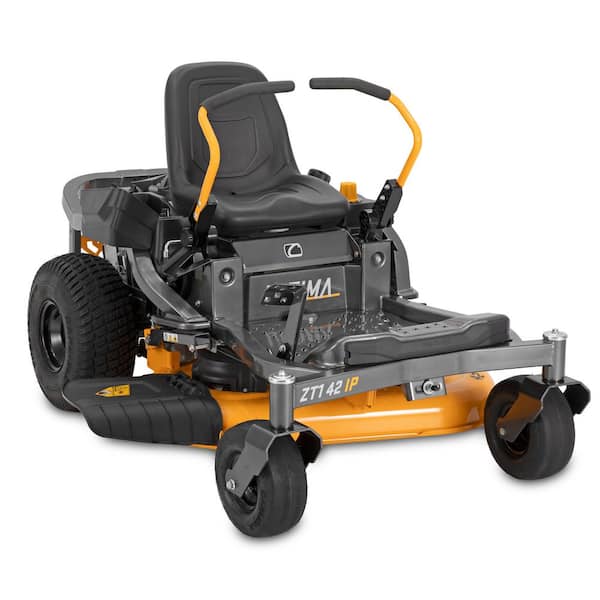
Horsepowershows how strong an engine is. It tells how much work the engine can do. Bigger horsepower means the mower can cut thick grass easily. Most zero turn mowers have engines from 18 to 25 horsepower.
Torqueis the twisting force the engine makes. It helps the mower start moving and climb hills. More torque means better power at low speeds, useful for tough jobs.
| Term | What It Means | Why It Matters for Mowers |
|---|---|---|
| Horsepower (HP) | Engine’s power output | Determines how fast and strong mower cuts |
| Torque (lb-ft) | Engine’s twisting force | Helps mower move and climb hills easily |
| RPM (Revolutions Per Minute) | Engine speed | Affects cutting blade speed and efficiency |
RPMmeans how many times the engine spins in one minute. Higher RPM helps blades cut faster. But very high RPM can wear out parts quickly. Balanced RPM keeps mower working well and lasts longer.
Matching Engine Size To Mower Size
Small yardsusually need engines between 12 to 18 horsepower. These engines help compact mowers move easily and cut grass quickly. They use less fuel and are easier to handle in tight spaces.
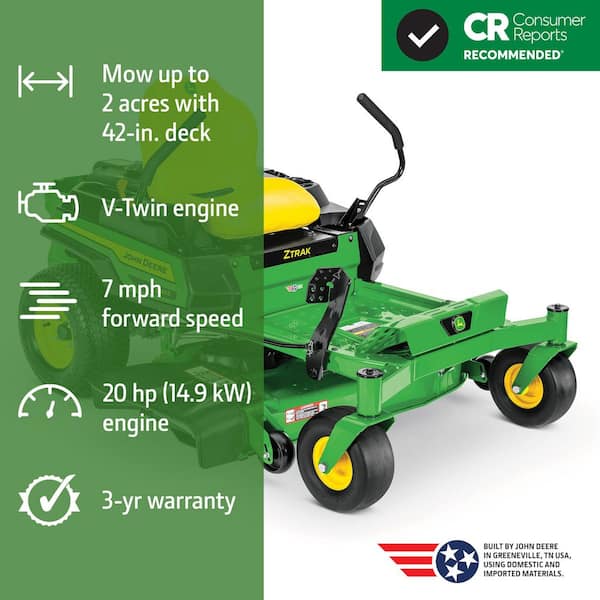
For medium yards, engines from 18 to 24 horsepowerwork best. They provide more power for larger decks, making mowing faster and more efficient. Mid-size mowers balance power and size well.
Large yardsand heavy-duty mowersrequire engines over 24 horsepower. These engines handle big decks and tough grass. They give strong performance for long mowing sessions and rough terrain.
Credit: www.homedepot.com
Fuel Efficiency And Maintenance
The engine sizedirectly affects the fuel consumptionof a zero turn mower. Smaller engines use less fuel but may take longer to complete tasks. Larger engines burn more fuel but finish mowing faster. This trade-off impacts your fuel costs over time.
Smaller engines often need less frequent maintenance. They have fewer parts and simpler designs. Larger engines require more regular checks and oil changes. Their complex parts wear faster due to higher power output.
| Engine Size | Fuel Use | Maintenance Frequency |
|---|---|---|
| Small (15-20 HP) | Low fuel consumption | Less often |
| Medium (20-25 HP) | Moderate fuel consumption | Regular checks needed |
| Large (25+ HP) | High fuel consumption | Frequent maintenance |
Popular Engine Brands And Models
Zero turn mowers use different types of engines. Each engine type fits different needs and jobs.
Top Gasoline Engines
- Kohlerengines are common and reliable.
- Briggs & Strattonoffers good power and easy start.
- Hondaengines are quiet and efficient.
Leading Diesel Engines
- Kubotadiesel engines are strong and last long.
- Yanmardiesel engines provide fuel savings and power.
- John Deerediesel engines fit heavy-duty mowers.
Emerging Electric Engines
Electric engines are becoming popular for quiet and clean mowing.
| Brand | Benefits | Best For |
|---|---|---|
| EGO | Lightweight, quiet, low maintenance | Small to medium yards |
| Greenworks | Battery-powered, easy to use | Residential use |
| Ryobi | Affordable, good run time | Homeowners with moderate mowing needs |
Cost Considerations
The initial investmentin a zero turn mower depends on the engine size. Bigger engines usually cost more but offer more power. Smaller engines save money but might struggle with thick grass or big yards.
Operating costsinclude fuel, oil, and maintenance. Larger engines use more fuel, raising costs. Regular oil changes and upkeep keep the mower running well and avoid expensive repairs.
| Factor | Effect on Cost |
|---|---|
| Initial Investment | Higher for bigger engines |
| Fuel Usage | More fuel for larger engines |
| Maintenance | Regular oil and parts replacement |
| Resale Value | Better for well-maintained, powerful engines |
Resale valuedepends on engine condition and size. Bigger engines often keep value better if well cared for. Small engines may sell cheaper but attract buyers wanting low cost.
Tips For Choosing The Right Engine
Assess the size and type of your lawn to choose the right engine. Larger lawns need engines with more power for faster mowing. Flat lawns require less engine power compared to hilly or rough terrain. Consider how often you mow. Frequent mowing may need a stronger engine to handle wear.
Manufacturer recommendations help find the best engine size for your mower model. They list the engine sizes that fit and work well with their machines. Check these guidelines to avoid buying an engine that is too weak or too strong.
Test driving different mower models can show you how engine size affects performance. Notice how the mower handles slopes, thick grass, and turns. Choose an engine that feels comfortable and works well with your lawn’s needs.

Credit: carrollstream.com
Frequently Asked Questions
What Engine Size Is Best For Residential Zero Turn Mowers?
For residential use, a 20-25 HP engine is ideal. It offers enough power for typical lawn sizes up to an acre. This size balances efficiency, performance, and fuel economy well. It handles most home yard tasks comfortably without being overpowered or costly.
How Does Engine Size Affect Zero Turn Mower Performance?
Engine size impacts cutting speed, power, and mower efficiency. Larger engines provide more torque, handling thick grass and slopes better. Smaller engines are quieter and use less fuel but may struggle with heavy-duty tasks. Choose engine size based on your lawn’s terrain and grass density.
Can I Use A Small Engine On Large Zero Turn Mowers?
Using a small engine on large mowers can limit performance. It may cause slower cutting speeds and difficulty on rough terrain. For large lawns or commercial use, larger engines (25+ HP) ensure smoother operation and durability. Match engine size to mower size for best results.
What Engine Size Suits Commercial Zero Turn Mowers?
Commercial zero turn mowers typically use engines 25-35 HP or higher. These engines provide the power needed for extended use, heavy grass, and uneven terrain. They ensure faster mowing and longer durability, making them suitable for professional landscapers and large properties.
Conclusion
Choosing the right engine size makes mowing easier and faster. Smaller engines work well for small yards. Larger engines suit big lawns and rough terrain. Think about the size and type of your yard. Also, consider how often you will mow.
The right engine helps your mower last longer. It saves fuel and reduces maintenance. Take time to pick what fits your needs best. A good choice means less work and better results. Keep these points in mind for a smoother mowing experience.





