Choosing the right battery for your riding mower can feel confusing. You might wonder, “What size battery do I actually need?” Picking the wrong one can lead to poor performance or even damage your mower.
But don’t worry—this article will clear up all the confusion. By the end, you’ll know exactly which battery size fits your mower perfectly, saving you time, money, and frustration. Ready to power up your mower the right way? Keep reading to find out!
Battery Basics For Riding Mowers
Choosing the right battery for a riding mower is key for smooth starts and reliable power. Understanding battery basics helps you pick one that fits your mower’s needs. This section breaks down the main types of batteries and explains voltage and capacity in simple terms.
Types Of Batteries Used
Riding mowers mostly use lead-acid batteries. These come in two main forms:
- Flooded Lead-Acid:Traditional batteries that need water refills.
- Sealed Lead-Acid (AGM or Gel):Maintenance-free and spill-proof.
Some newer models use lithium-ion batteries, which are lighter and last longer. However, lead-acid batteries remain popular due to their cost and availability.
Voltage And Capacity Explained
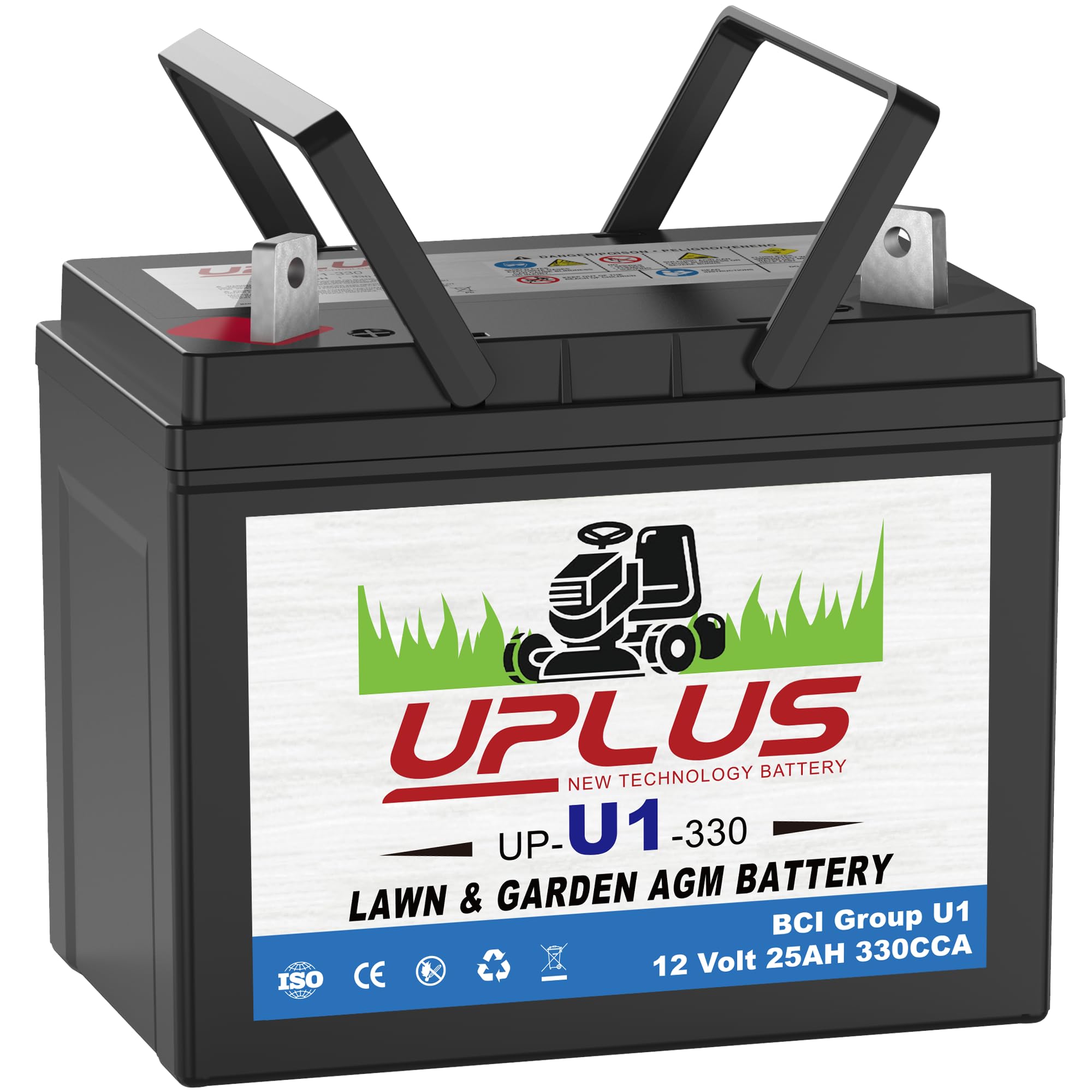
Most riding mower batteries run on 12 volts. This voltage powers the engine starter and lights. Capacity shows how much energy the battery holds.
Capacity is measured in ampere-hours (Ah). A higher Ah rating means the battery can run longer before needing a recharge. For riding mowers, a capacity around 20-30 Ah is common.
Cold Cranking Amps (CCA) is another key number. It tells how much power the battery provides to start the engine in cold weather. Higher CCA means better starting power.
Choosing The Right Battery Size
Choosing the right battery size for your riding mower is important for its performance and lifespan. A battery that fits well and meets the mower’s power needs helps start the engine quickly. It also supports consistent operation during use. Avoid batteries that are too big or small to prevent damage and ensure safety.
Matching Battery To Mower Specifications
Check the mower’s manual for battery recommendations. Look for the voltage and amp-hour (Ah) rating. These details show how much power the battery stores and delivers. Use a battery with the same voltage as the mower’s system, usually 12 volts. Match the amp-hour rating closely to ensure enough power during use.
Considering Cold Cranking Amps (cca)
Cold Cranking Amps (CCA) measure the battery’s ability to start the engine in cold weather. A higher CCA means better starting power at low temperatures. Choose a battery with CCA equal to or higher than the mower’s requirement. This avoids starting problems during chilly mornings or winter use.
Battery Dimensions And Fit
Battery size also means physical dimensions. Measure the space in your mower’s battery compartment. Compare length, width, and height with the new battery. A battery that fits snugly will stay secure and avoid vibration damage. Avoid forcing a battery into a small space to prevent accidents.
Battery Life And Maintenance
Choosing the right battery size ensures your riding mower runs efficiently and lasts longer. Proper maintenance, like regular charging and cleaning, keeps the battery healthy. Always check the mower’s manual for the recommended battery size and care tips.
Battery life and maintenance are crucial for riding mowers. A well-maintained battery ensures efficient performance. Understanding signs of wear and extending battery life can save costs.Signs Of Battery Wear
A weak battery struggles to start the mower. You may notice dim lights or slow engine cranking. Corrosion around the terminals is another sign. Frequent recharging or a swollen battery case indicates wear.Tips For Extending Battery Life
Regular cleaning prevents corrosion. Check terminals and clean them with a brush. Avoid overcharging to prolong battery life. Use a smart charger to maintain optimal charge levels. Keep the battery secured in its compartment.Proper Storage Practices
Store the battery in a cool, dry place. Disconnect the battery if storing the mower for a long time. Charge the battery fully before storing it. Use a battery maintainer to keep it charged during off-season months.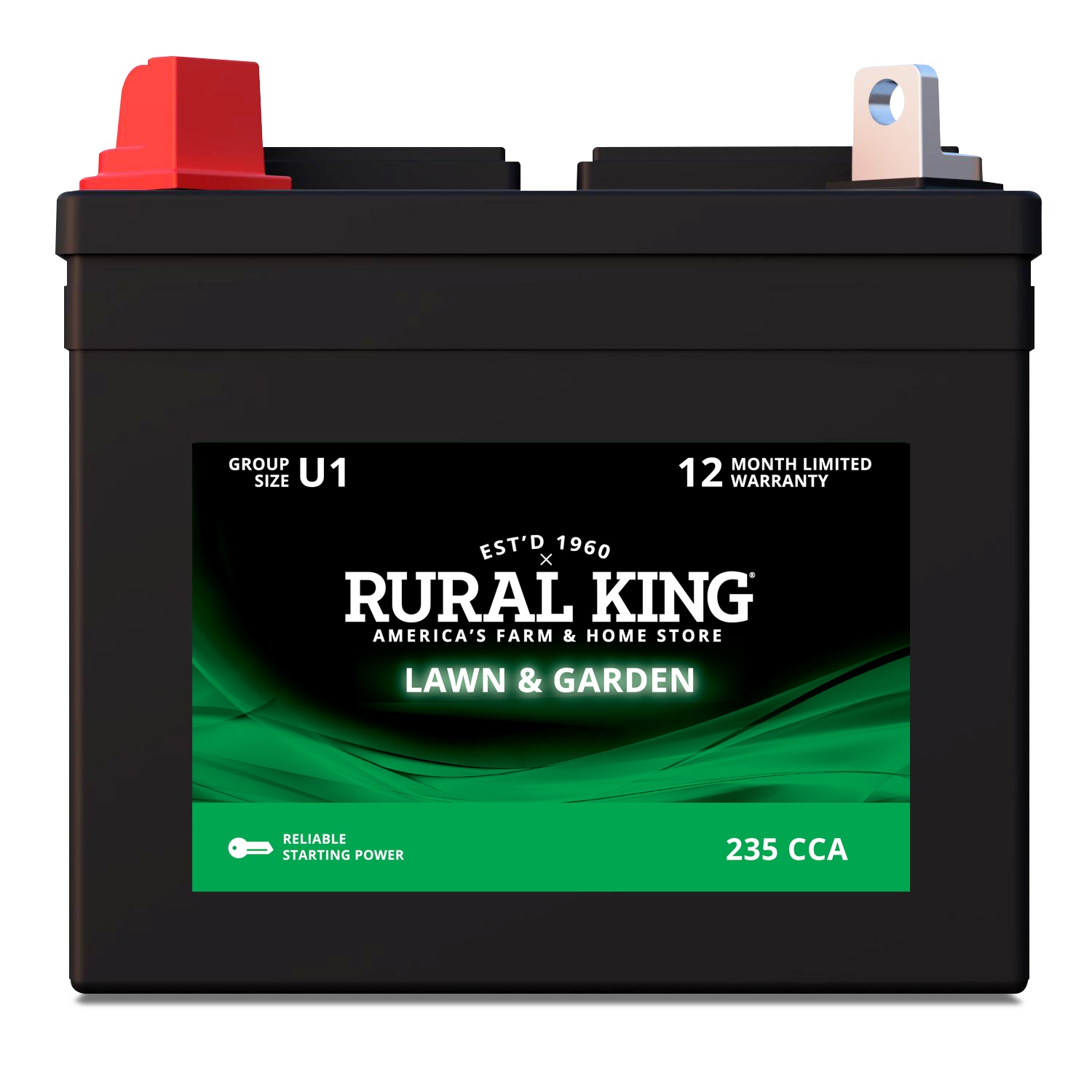
Credit: www.ruralking.com
Upgrading And Replacing Batteries
Upgrading and replacing the battery in your riding mower can improve its performance and reliability. A fresh battery ensures your mower starts easily and runs smoothly. Choosing the right size battery is key for proper fit and power.
Sometimes, upgrading to a larger battery size provides longer run time and better starting power. Replacing an old or weak battery keeps your mower ready for any job.
When To Upgrade Battery Size
Consider upgrading your battery size if the current battery drains fast. A bigger battery usually holds more charge and lasts longer. If you add extra electrical accessories, a larger battery may be needed.
Also, if your mower often struggles to start, a higher capacity battery can help. Check the owner’s manual for recommended battery sizes and choose a compatible upgrade.
Step-by-step Replacement Guide
- Turn off the mower and remove the key.
- Locate the battery compartment, usually under the seat or hood.
- Disconnect the negative (black) cable first, then the positive (red) cable.
- Remove any securing brackets or clamps holding the battery.
- Take out the old battery carefully.
- Place the new battery in the compartment.
- Reconnect the positive (red) cable first, then the negative (black) cable.
- Secure the battery with brackets or clamps.
- Test the mower to ensure it starts properly.
Safety Precautions
- Wear safety glasses and gloves to protect from acid and sparks.
- Work in a well-ventilated area to avoid inhaling fumes.
- Handle the battery carefully to prevent acid leaks.
- Disconnect the negative cable first to avoid short circuits.
- Keep metal tools away from battery terminals to prevent sparks.
- Dispose of old batteries at designated recycling centers.
Common Battery Issues And Solutions
Batteries are the heart of your riding mower’s electrical system. If yours isn’t working right, it can leave you stranded just when you need to mow the lawn. Knowing how to spot and fix common battery problems can save you time and money, and keep your mower running smoothly.
Troubleshooting Starting Problems
When your mower doesn’t start, the battery is often the first suspect. Check if the battery terminals are tight and clean; loose connections can prevent power flow. Try turning on the headlights—if they’re dim or don’t light up, your battery might be weak or dead.
If your battery is old, it might not hold a charge well. Testing the voltage with a multimeter can tell you if it’s below the recommended 12.6 volts. Sometimes, a jump start gets you going, but repeated issues mean it’s time to replace the battery.
Dealing With Corrosion And Leaks
Corrosion on battery terminals is a common issue that blocks electrical contact. You might see a white or bluish powdery build-up around the terminals. It’s easy to clean this off with a mixture of baking soda and water using a wire brush or toothbrush.
Leaking battery acid is more serious and can damage your mower’s parts. If you notice wet, rusty spots or a rotten egg smell, check for cracks or swelling in the battery case. Handling leaks carefully with gloves and proper disposal of the battery protects you and the environment.
Charging Tips
Keeping your battery charged extends its life and performance. Avoid leaving your mower unused for long periods without charging the battery. Using a smart charger designed for 12-volt batteries keeps the charge steady without overcharging.
Charging in a well-ventilated area is safer since batteries can release gases. If you charge regularly, watch out for signs like slow starts or dim lights—they could mean your battery isn’t holding charge and might need replacement.
Credit: www.amazon.com
Top Battery Brands And Models
Choosing the right battery for your riding mower ensures smooth starts and long operation. Quality batteries deliver reliable power and last through many seasons. Several brands stand out for their durability and performance in riding mowers.
These batteries vary in size, power, and price. Picking the best one depends on your mower’s needs and budget. Here’s a guide to popular brands and models trusted by many mower owners.
Popular Choices For Riding Mowers
- Interstate Batteries:Known for strong cranking power and long life.
- DieHard:Offers reliable starting power and corrosion resistance.
- Odyssey:High-performance batteries with deep cycle capability.
- Exide:Durable batteries designed for outdoor equipment.
- EverStart:Affordable option with good warranty coverage.
Comparing Features And Prices
| Brand | Battery Type | Cold Cranking Amps (CCA) | Price Range | Warranty |
|---|---|---|---|---|
| Interstate | Lead Acid | 300-400 | $80 – $120 | 2-3 years |
| DieHard | Lead Acid | 280-350 | $70 – $110 | 3 years |
| Odyssey | Absorbed Glass Mat (AGM) | 400-500 | $120 – $180 | 3-4 years |
| Exide | Lead Acid | 250-350 | $60 – $100 | 2 years |
| EverStart | Lead Acid | 250-320 | $50 – $80 | 1-2 years |
AGM batteries tend to cost more but offer better durability and performance. Lead acid batteries come at lower prices and suit many standard mowers. Cold Cranking Amps (CCA) indicate how well the battery starts the engine in cold weather. Higher CCA values provide stronger starts.

Credit: www.amazon.ca
Frequently Asked Questions
What Size Battery Does A Riding Mower Need?
Riding mowers typically require a 12-volt battery. The size depends on the mower model and engine size. Most use Group 26 or 24 batteries. Always check the mower’s manual for exact specifications to ensure optimal performance and battery life.
How To Choose The Right Battery For A Riding Mower?
Select a battery matching your mower’s voltage and size specifications. Consider cold cranking amps (CCA) for starting power. Choose a maintenance-free, sealed lead-acid battery for durability. Verify compatibility by consulting the mower’s manual or manufacturer recommendations.
Can I Use A Car Battery For My Riding Mower?
Using a car battery is not recommended. Car batteries are larger and deliver higher cranking amps than needed. Mower batteries are designed to fit compact spaces and supply proper power. Using the correct battery ensures safety and efficient mower operation.
How Long Does A Riding Mower Battery Usually Last?
A riding mower battery typically lasts 3 to 5 years. Proper maintenance like regular charging and cleaning terminals extends battery life. Frequent short rides and extreme temperatures can reduce battery lifespan. Replace the battery when starting becomes difficult.
Conclusion
Choosing the right battery size keeps your riding mower running well. A battery with proper power helps start the engine quickly every time. Check the mower’s manual for the correct battery size and type. Using the wrong battery can cause problems and shorten battery life.
Regular battery care also makes your mower last longer. Remember, a good battery means less hassle and more mowing time. Stay safe and enjoy your yard work with a reliable battery.