Have you ever wondered what a healthy spark plug should look like? If you’re trying to keep your engine running smoothly, knowing this can save you time and money.
Your spark plug is a small part, but it plays a big role in how well your vehicle performs. You’ll learn how to spot the signs of a good spark plug and when it’s time to replace it. Keep reading to make sure your engine gets the spark it needs to run like new.
Appearance Of A Healthy Spark Plug
Recognizing what a healthy spark plug looks like can save you time and money on vehicle maintenance. A spark plug in good condition supports efficient engine performance and smooth starts. Paying attention to its appearance helps you spot early signs of wear or damage before they turn into costly repairs.
Clean And Light Tan Color
A healthy spark plug usually has a clean, light tan or grayish color on the insulator. This coloration shows that the combustion process inside the engine is burning fuel efficiently. If you see heavy black soot or oily deposits instead, it might indicate an issue with fuel mixture or oil leakage.
Intact Electrode And Insulator
Check the electrode and insulator carefully. Both should be free from cracks, chips, or erosion. A damaged electrode can cause weak sparks, leading to misfires or poor fuel economy. The insulator should be smooth and undamaged, as any cracks can cause electrical leakage and engine trouble.
Proper Gap Size
The gap between the center and ground electrode is crucial for spark plug function. It should match the manufacturer’s specifications for your vehicle model. Too wide or too narrow a gap can reduce spark efficiency, causing hard starts or rough idling. You can measure and adjust this gap with a spark plug gap tool to maintain optimal performance.

Credit: craigscarcare.com
Common Signs Of Spark Plug Wear
Recognizing the common signs of spark plug wear can save you from unexpected engine troubles. Spark plugs show clear visual clues when they start to fail, and knowing what to look for helps you maintain your vehicle’s performance. Let’s break down the typical symptoms that indicate your spark plugs need attention.
Black Sooty Deposits
If your spark plug has black, powdery soot on the electrodes, this means it’s running too rich—too much fuel and not enough air. This buildup can cause misfires, rough idling, and poor fuel economy. Have you noticed your engine hesitating or struggling to start? Black soot might be the hidden culprit.
Oily Coating
An oily film on the spark plug suggests oil is leaking into the combustion chamber. This usually points to worn piston rings or valve seals, which is a serious issue. If your spark plugs look wet or oily, it’s a sign to check for engine oil leaks before the problem worsens.
Burnt Or Blistered Electrodes
Electrodes that appear burnt or blistered indicate overheating, often caused by incorrect spark plug heat range or ignition timing issues. This damage reduces spark efficiency and can lead to engine knocking. Spotting these signs early lets you adjust your maintenance and avoid costly repairs.
Damage Indicators To Watch For
Spotting damage on your spark plug early can save you from costly repairs and engine trouble. Knowing what signs to look for lets you act before a minor issue turns into a major headache. Here are some clear damage indicators you should watch for when inspecting your spark plugs.
Cracked Or Broken Insulator
The insulator is the white ceramic part around the center electrode. If you see cracks or chips here, it’s a red flag. A damaged insulator can cause misfires or poor engine performance because it can’t contain the spark properly.
Once, I ignored a small crack on the insulator, thinking it was just cosmetic. The car soon started stalling unexpectedly. Fixing it early could have saved me time and frustration.
Eroded Or Rounded Electrodes
The electrodes are the metal tips where the spark jumps to ignite the fuel-air mix. They should have sharp edges. If they look worn down, rounded, or eroded, it means your spark plug is aging or exposed to harsh conditions.
Worn electrodes increase the gap, making it harder for the spark to jump. This often leads to reduced fuel efficiency and rough idling. Have you checked if your electrodes still look sharp?
Corrosion And Rust
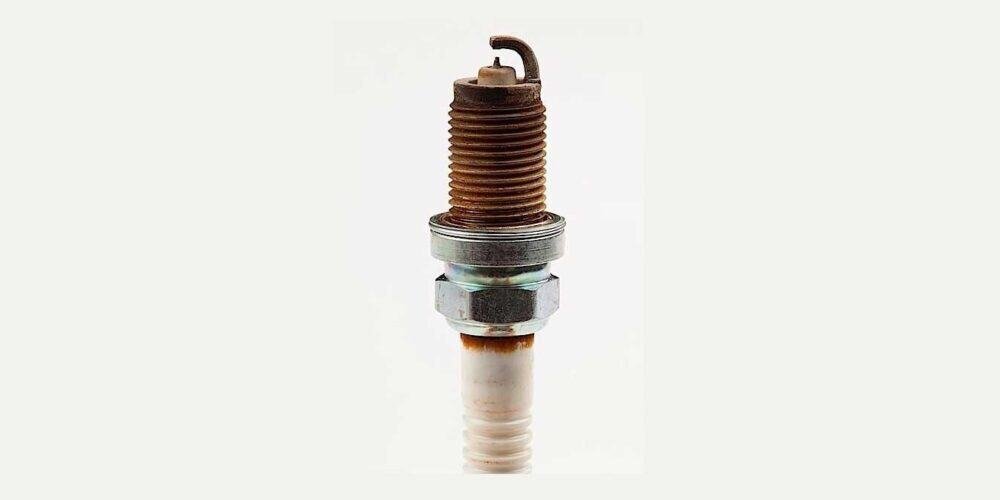
Rust or corrosion on the spark plug threads or metal parts can indicate moisture or exposure to contaminants. This not only makes removing the plug difficult but also affects electrical conductivity.
Corrosion might seem minor but can cause misfires or damage the engine over time. If you notice rust, it’s a good idea to investigate the source of moisture and replace the affected plugs promptly.
Effects Of Faulty Spark Plugs On Engine
Faulty spark plugs affect engine performance in many ways. They disrupt the ignition process, causing several problems. Understanding these effects helps in diagnosing engine issues early.
Misfires And Rough Idling
Faulty spark plugs cause engine misfires. The engine may jerk or hesitate during acceleration. Rough idling is common, making the engine feel unstable when stopped. This happens because the spark plug fails to ignite fuel properly.
Reduced Fuel Efficiency
Bad spark plugs lower fuel efficiency. Incomplete combustion wastes fuel and reduces mileage. The engine burns more fuel to compensate for poor ignition. This leads to higher fuel costs and more pollution.
Difficulty Starting Engine
Worn spark plugs make starting the engine hard. The spark needed to ignite the fuel weakens. This causes longer cranking times or failure to start. Cold weather can make this problem worse.
Tips For Inspecting Spark Plugs
Inspecting spark plugs is a crucial part of maintaining your vehicle’s engine health. Knowing what to look for can save you from unexpected breakdowns and costly repairs. Let’s dive into some practical tips that will help you check your spark plugs effectively and keep your engine running smoothly.
Tools Needed For Inspection
Before you start, gather the right tools to make the inspection easier and safer. You’ll need a spark plug socket, a ratchet wrench, and a gap gauge to measure the electrode gap accurately.
Having a wire brush or spark plug cleaner handy is also useful for removing carbon deposits. Gloves and safety glasses protect you during the process. Using the right tools ensures you don’t damage the spark plug or engine components.
When To Remove Spark Plugs
Knowing the right time to remove spark plugs can save you unnecessary effort. Check your vehicle’s manual for recommended intervals—usually every 30,000 to 50,000 miles.
If your engine misfires, struggles to start, or fuel efficiency drops, it’s a good idea to inspect the plugs. Don’t wait for severe symptoms; early checks can prevent bigger problems.
Safe Cleaning And Maintenance
When you remove the spark plugs, inspect the electrode and insulator for wear or deposits. Use a wire brush or spark plug cleaner to gently clean the surface without scratching the insulator.
Avoid harsh chemicals that might damage the plug. After cleaning, check the gap with your gauge and adjust it if necessary. Proper maintenance extends the life of your spark plugs and keeps your engine running efficiently.

Credit: www.toyotanation.com
When To Replace Spark Plugs
Knowing when to replace spark plugs is key to keeping your engine running smoothly. Spark plugs wear out over time and lose their efficiency. This can cause poor fuel economy, engine misfires, and trouble starting your car. Regular checks help you avoid bigger car problems.
Mileage And Time Guidelines
Most spark plugs last between 30,000 and 100,000 miles. The exact lifespan depends on the type and quality of the plug. Some high-performance plugs last longer, but older models wear out faster. Time also affects spark plugs. Even without many miles, plugs can degrade after 3 to 5 years.
Follow your vehicle’s manual for specific replacement schedules. Sticking to these guidelines helps maintain engine performance and fuel efficiency.
Signs That Demand Immediate Replacement
- Engine misfires or rough idling
- Difficulty starting the engine
- Decreased fuel efficiency
- Engine hesitation during acceleration
- Check engine light turns on
Any of these signs means spark plugs might be failing. Check them right away to prevent damage to other engine parts.
Choosing The Right Replacement Plugs
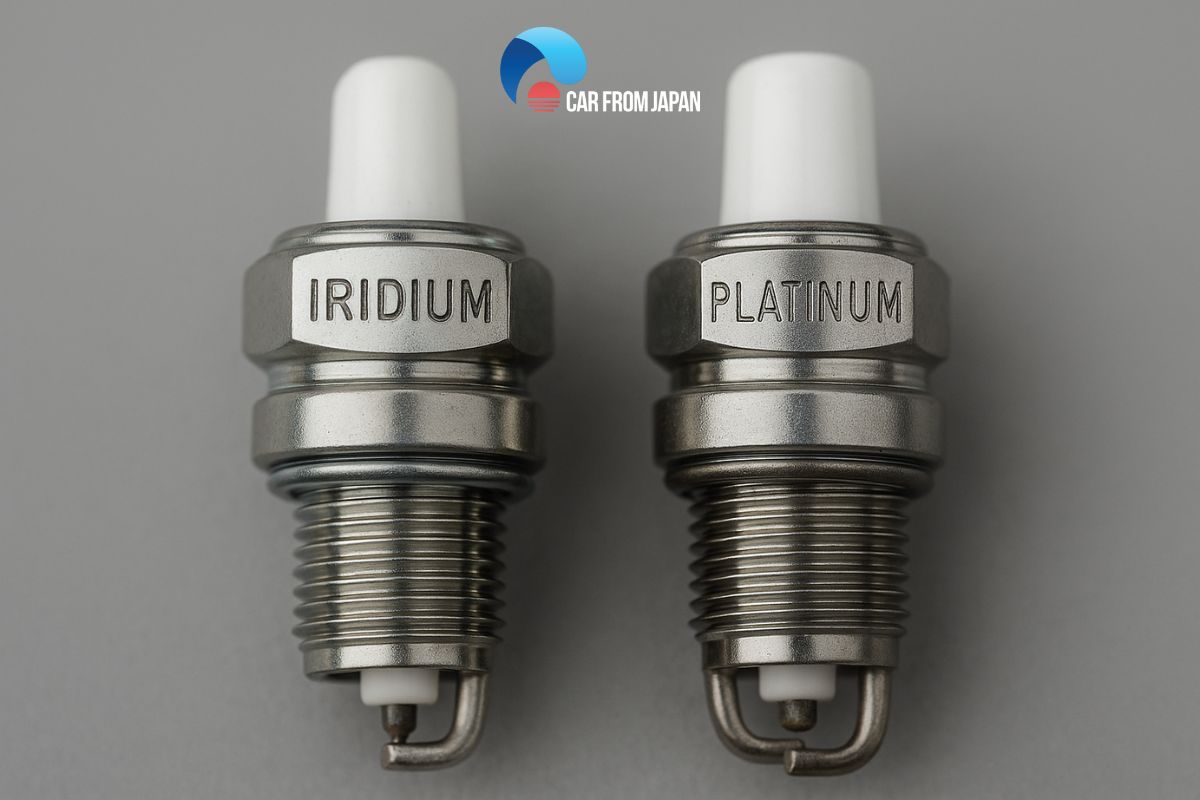
Select spark plugs that match your car’s make and model. Use the specifications found in the owner’s manual. Options include copper, platinum, and iridium plugs. Each type has different durability and cost.
Consult a mechanic if unsure which plug suits your engine best. Proper plugs ensure better engine performance and longer life.
Credit: carfromjapan.com
Frequently Asked Questions
What Does A Healthy Spark Plug Look Like?
A healthy spark plug has a light tan or grayish color on the electrode. It appears clean, without heavy deposits, cracks, or wear. The gap remains consistent, ensuring efficient ignition and engine performance.
How To Identify A Fouled Spark Plug?
A fouled spark plug shows black, sooty deposits on the electrode. It may also have oily or wet residue. This indicates incomplete combustion, oil leaks, or fuel mixture issues needing immediate attention.
Why Is Spark Plug Color Important?
Spark plug color reveals engine health and combustion quality. Different colors indicate specific issues like overheating, fouling, or proper function. Monitoring color helps diagnose problems early and maintain optimal engine performance.
When Should You Replace A Spark Plug?
Replace spark plugs every 30,000 to 100,000 miles, depending on type. Signs include poor engine performance, misfires, and visible wear or damage. Regular replacement ensures efficient fuel use and smooth engine operation.
Conclusion
A healthy spark plug looks clean and light brown. Regular checks are essential to maintain engine performance. Dark deposits indicate oil or fuel issues. White deposits signal overheating. Both require attention. Ignoring spark plug health can lead to bigger problems.
Replacing faulty plugs improves fuel efficiency and power. Check your spark plugs every 30,000 miles. It ensures smooth rides and engine longevity. Always consult your vehicle’s manual for specific guidelines. Understanding spark plug conditions helps keep your car running well.
Stay proactive, and your car will thank you with reliable performance.