Are you tired of your lawn mower sputtering and stalling just when you need it most? Understanding the right type of petrol for your lawn mower can make all the difference between a smooth, efficient mow and a frustrating afternoon.
Whether you’re a seasoned gardening enthusiast or just getting started, knowing what petrol to use is crucial for the longevity and performance of your machine. Imagine a hassle-free mowing experience, where your lawn mower starts up with ease and powers through even the toughest grass.
We’ll uncover the secrets to choosing the right petrol, ensuring your lawn mower runs like a dream. Keep reading to discover how a simple choice can enhance your mowing routine and save you from unnecessary headaches.
Types Of Petrol For Lawn Mowers
Choosing the right petrol for your lawn mower can make a big difference in how well it runs and how long it lasts. Not all petrol is created equal, and knowing the types available helps you avoid damage and improve performance. Let’s look at the common petrol options you might find and what they mean for your mower.
Regular Unleaded Petrol
Regular unleaded petrol is the most common fuel for lawn mowers. It usually has an octane rating of 87, which works fine for most standard engines. If your mower’s manual doesn’t specify a special fuel, this is likely what you should use.
One thing to keep in mind is that regular petrol doesn’t contain additives that protect your engine. So, if you don’t use your mower often, the fuel can go stale and cause problems. Have you ever noticed your mower starting hard after sitting all winter? That’s often due to old petrol.
Premium Petrol Options
Premium petrol has a higher octane rating, typically 91 or above. This type is designed for high-performance engines that need more resistance to knocking. Some modern or commercial lawn mowers might benefit from premium petrol, especially if they run at higher speeds or under heavy loads.
However, using premium petrol in a mower that doesn’t require it won’t necessarily improve performance. It can add unnecessary cost without clear benefits. Do you really need to spend extra on premium petrol, or is your mower fine with regular?
Ethanol-blended Fuels
Ethanol blends like E10 (10% ethanol) are common at gas stations and are often used in lawn mowers. Ethanol can help reduce emissions but can cause issues for small engines. It attracts moisture, which can lead to corrosion and poor engine performance over time.
If your mower is older or you only use it occasionally, it’s better to avoid high ethanol blends. Some manufacturers recommend ethanol-free petrol to keep the engine clean and running smoothly. Have you checked your mower’s fuel recommendations to see if ethanol is safe?

Credit: thepowersite.co.uk
Choosing The Right Fuel
Choosing the right fuel for your lawn mower isn’t just about filling the tank and starting the engine. The type of petrol you use directly influences how well your mower runs and how long it lasts. Understanding the options and what suits your mower can save you time, money, and frustration.
Manufacturer Recommendations
Your mower’s manual is more than just a guide; it’s a blueprint for optimal performance. Manufacturers specify the exact petrol type and octane rating to use, based on the engine design. Ignoring these recommendations can lead to engine knocking or poor fuel efficiency.
For example, some newer mowers require unleaded petrol with at least 87 octane, while older models might run well on lower octane fuel. Always check the manual before buying fuel to avoid costly repairs.
Impact On Engine Performance
The fuel you choose affects how smoothly your mower operates. Higher octane petrol resists knocking and improves combustion, which means better power and fewer emissions.
Using the wrong type of petrol can cause hesitation or sputtering, especially under load. Have you ever noticed your mower struggling on thick grass? That could be a sign your fuel isn’t right for your engine.
Cost Vs. Efficiency
Cheaper petrol might seem like a good deal, but it can cost you more in the long run. Lower-quality fuel can leave deposits in the engine, reducing efficiency and increasing maintenance needs.
Think about how much fuel your mower uses each season. Spending a little more on high-quality petrol can mean fewer tune-ups and longer engine life. What’s your mower’s fuel cost telling you about your choice?
Fuel Storage Tips
Storing petrol correctly is essential for keeping your lawn mower running smoothly and safely. Poor storage can lead to fuel breakdown, clogged engines, and even dangerous situations. Let’s look at some practical ways you can store petrol to protect your equipment and your home.
Proper Containers
Use containers specifically designed for fuel storage. These containers are made of materials that resist corrosion and prevent leaks.
Avoid using old bottles or random jars. They might not seal properly, allowing petrol to evaporate or spill.
Look for containers with child-resistant caps and clear labels. This helps prevent accidental ingestion and confusion.
Avoiding Fuel Degradation
Petrol can degrade over time, losing its effectiveness and damaging your mower’s engine. To slow this process, store fuel in a cool, dry place away from direct sunlight.
Adding a fuel stabilizer can help keep petrol fresh for several months. Have you ever tried using stabilizers? They often save you a trip to the mechanic.
Only buy as much petrol as you expect to use within 30 days. Stale fuel can cause starting problems and poor engine performance.
Safe Storage Practices
Keep petrol containers away from heat sources, sparks, or open flames. Even a small spark can ignite fuel vapors.
Store fuel outside the house, ideally in a well-ventilated shed or garage. This reduces the risk of harmful fumes building up indoors.
Always place containers on a stable surface to prevent tipping. Have you checked your storage area lately for any potential hazards?
Credit: www.standard.co.uk
Maximizing Fuel Efficiency
Maximizing fuel efficiency in your petrol lawn mower not only saves money but also reduces environmental impact. Small adjustments and habits can lead to noticeable improvements in how far your fuel goes. Are you making the most out of every drop of petrol?
Regular Maintenance
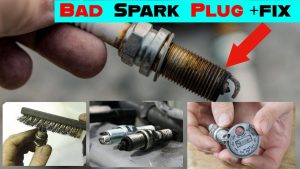
Keeping your lawn mower in top shape is key to fuel efficiency. Regularly check and replace the air filter; a clogged filter makes the engine work harder, wasting petrol. Clean spark plugs ensure a smooth ignition process, which means less fuel consumption.
Don’t forget to change the oil as recommended. Dirty oil increases engine friction, causing more fuel use. Inspect the fuel lines for leaks or cracks too—any loss here means you’re paying for petrol that’s not powering your mower.
Optimal Engine Settings
Adjusting your mower’s engine settings can significantly cut down fuel use. Make sure the carburetor is tuned correctly; a carburetor that’s too rich burns more petrol than necessary. If you notice black smoke or rough running, it’s a sign your settings need tweaking.
Set the throttle to match the cutting conditions. For lighter grass, a lower throttle saves fuel without sacrificing performance. Have you tried dialing back the engine speed on easier jobs? It’s an easy way to stretch your fuel.
Avoiding Overfilling
It might seem like filling the tank completely is best, but overfilling your petrol tank can cause spills and evaporation losses. Leave a small air gap in the tank to allow for fuel expansion, especially on warm days. This simple step prevents wasted fuel and keeps your mower safe.
Also, avoid topping up the tank when the engine is hot. Hot engines can cause fuel to vaporize quickly, leading to loss before you even start mowing. Have you noticed fuel smells around your mower after refueling? That’s a clue to fill with care.
Common Fuel-related Issues
Fuel issues can be a major headache when maintaining your lawn mower. Problems like clogged engines, trouble starting, and contaminated fuel often slow down your yard work. Understanding these common fuel-related issues helps you keep your mower running smoothly and saves you time and frustration.
Engine Clogging
Engine clogging happens when old or dirty petrol leaves deposits inside your mower’s engine. These deposits can block fuel passages and affect performance. Have you ever noticed your mower sputtering or losing power? That’s often a sign of clogging.
To avoid this, use fresh petrol and consider adding a fuel stabilizer if you store your mower for a while. Regularly cleaning or replacing the fuel filter can also prevent buildup and keep the engine clear.
Starting Problems
One of the most common fuel-related issues is difficulty starting your mower. Old petrol loses its ability to ignite properly, causing your engine to stall or fail to start at all. If you find yourself pulling the starter rope multiple times without success, the fuel might be the culprit.
Try draining old fuel and refilling with fresh petrol. Also, check the spark plug and carburetor for any signs of fuel residue that could be interfering with ignition.
Fuel Contamination
Fuel contamination occurs when water, dirt, or debris mixes with your petrol. This can happen if you store fuel in dirty containers or leave the fuel cap open. Contaminated fuel causes rough running, increased wear, and can damage the engine over time.
Always store petrol in clean, sealed containers and keep your mower’s fuel tank tightly closed. If you suspect contamination, drain the tank and refill with clean fuel immediately to avoid costly repairs.
Alternative Fuel Options
Looking beyond traditional petrol for your lawn mower can open up new possibilities that are better for both your wallet and the environment. Alternative fuel options offer different benefits, from reducing emissions to cutting down noise. If you want to maintain your lawn while being mindful of sustainability, you might find these choices worth considering.
Biofuels
Biofuels like ethanol and biodiesel are made from natural materials such as plants and vegetable oils. They burn cleaner than regular petrol, which means less pollution and a smaller carbon footprint.
You can sometimes mix biofuels with standard petrol in your mower, but always check your engine’s compatibility. Some users have noticed smoother engine performance and less residue buildup when using biofuels.
Electric Lawn Mowers
Electric lawn mowers run on rechargeable batteries, eliminating the need for petrol altogether. They are quieter and require less maintenance since there’s no engine oil or fuel filters to worry about.
If you have a small to medium-sized lawn, electric mowers offer convenience and eco-friendliness. However, consider battery life and charging time — these factors will impact how long you can mow in one go.
Hybrid Models
Hybrid lawn mowers combine petrol engines with electric motors to give you the best of both worlds. They use electric power for quieter operation and switch to petrol when more power is needed.
This option is great if you want flexibility and longer runtime without sacrificing eco benefits. Have you thought about how much time you spend mowing? A hybrid mower might help you get the job done faster while reducing fuel use.
Credit: mowon.co.uk
Frequently Asked Questions
What Type Of Petrol Is Best For Lawn Mowers?
Use unleaded petrol with an octane rating of 87 or higher. Avoid using old or contaminated fuel as it can damage the engine. Always check your mower’s manual for specific fuel recommendations to ensure optimal performance and longevity.
Can I Use Regular Petrol In A Lawn Mower?
Yes, regular unleaded petrol is suitable for most lawn mowers. Avoid petrol with more than 10% ethanol, as it can harm the engine. Using fresh fuel improves mower efficiency and reduces the risk of starting problems.
Is Ethanol-free Petrol Better For Lawn Mowers?
Ethanol-free petrol is better because it prevents engine corrosion and fuel system damage. It also improves fuel stability and engine performance. If available, choose ethanol-free petrol to extend your mower’s life and reduce maintenance issues.
How Often Should I Use Fresh Petrol In My Mower?
Use fresh petrol within 30 days for optimal mower performance. Old fuel can cause starting issues and engine damage. If you store petrol longer, consider adding a fuel stabilizer to maintain its quality.
Conclusion
Choosing the right petrol keeps your lawn mower running well. Clean fuel helps the engine start easily and work smoothly. Avoid old or mixed petrol to prevent damage. Regularly check the fuel type your mower needs. Proper petrol use saves time and repair costs.
Keep your mower ready for a perfect lawn every time. Simple care makes a big difference in performance. Remember, good petrol means a happy mower.