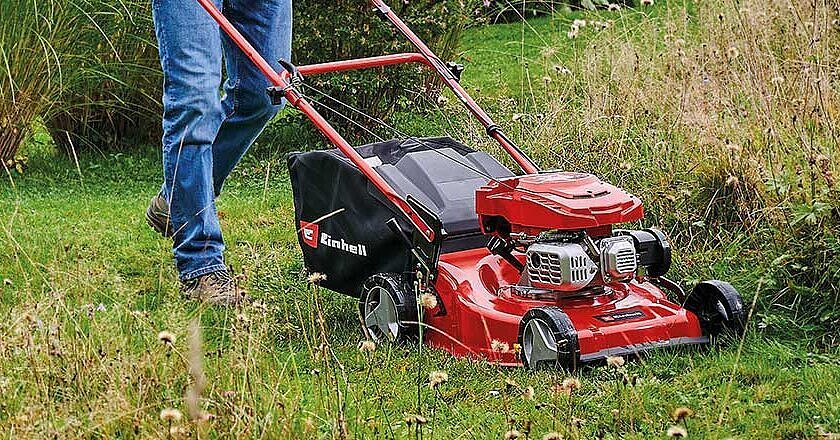
Choosing the right petrol for your lawn mower might seem like a minor detail, but it can make all the difference in how your machine performs. Have you ever found yourself wondering if the fuel you’re using is optimal for your mower’s health and efficiency?
Making the wrong choice could lead to costly repairs and reduced lifespan for your equipment. Imagine the frustration of a mower that sputters and stalls just when you need it most. We’ll reveal the secrets to selecting the best petrol for your lawn mower, ensuring smooth operation and a beautifully manicured lawn every time.
Stick with us, and you’ll be equipped with the knowledge to keep your mower running like new.
Credit: www.independent.co.uk
Choosing The Right Petrol
Choosing the right petrol for your lawn mower is important. Using the correct fuel helps the engine run smoothly. It prevents damage and improves performance. Knowing the types of petrol and their qualities makes a difference. This guide explains what to consider before filling your mower’s tank.
Types Of Petrol Available
There are several petrol types suitable for lawn mowers. The most common type is regular unleaded petrol. It is easy to find and affordable. Some mowers require premium unleaded petrol for better engine protection. Another option is synthetic blends designed for small engines. Each type offers different benefits depending on the mower’s engine.
Octane Ratings Explained
Octane rating shows petrol’s ability to resist knocking. Knocking harms the engine over time. Regular petrol usually has an octane rating of 87. Premium petrol ratings are 91 or higher. Most lawn mowers run well on 87 octane petrol. Using a higher octane petrol than needed does not improve mower power.
Impact Of Ethanol In Fuel
Ethanol is a common additive in petrol. It helps reduce pollution but can cause problems in small engines. Ethanol attracts water and may lead to corrosion inside the engine. Many lawn mower manufacturers suggest using petrol with low or no ethanol. Look for labels like “E10” which means 10% ethanol or less. Avoid petrol with higher ethanol content to keep the mower’s engine safe.
Credit: www.standard.co.uk
Fuel Recommendations By Manufacturers
Fuel recommendations from lawn mower manufacturers are more than just guidelines—they’re essential for keeping your mower running smoothly and extending its lifespan. Using the right petrol type can prevent engine problems and improve performance. Understanding these recommendations helps you avoid costly repairs and ensures your mower operates efficiently.
Reading The Owner’s Manual
Your mower’s owner’s manual is the best source for accurate fuel information. It specifies the exact fuel type, octane rating, and any additives you should or shouldn’t use. Skipping this step can lead to using incompatible fuel, which might cause engine knocking or damage over time.
When I first bought a mower, I ignored the manual and used regular petrol. Within weeks, the engine sputtered and lost power. Checking the manual revealed a recommendation for unleaded petrol with a specific octane rating. Following that advice solved the issue immediately.
Common Fuel Specs For Lawn Mowers
Most lawn mowers run on unleaded petrol with an octane rating of 87 or higher. Some models may require ethanol-free petrol to avoid damage to fuel lines and carburetors. Others advise against fuel blends with more than 10% ethanol due to potential engine problems.
- Unleaded petrol:Standard fuel for most mowers; check octane rating.
- Ethanol-free petrol:Recommended for older or high-performance models.
- Fuel blends:Avoid high ethanol content; stick to E10 or less.
Always confirm these specs in your manual because using the wrong fuel can reduce engine efficiency and increase emissions.
When To Use Premium Fuel
Premium petrol, with higher octane ratings (usually 91 or above), is not necessary for every mower. Some high-performance or commercial-grade models may require it to prevent knocking and maintain power. Using premium fuel in a mower designed for regular petrol won’t improve performance and just costs you more.
Ask yourself: Does your mower’s manual specifically mention premium petrol? If not, regular unleaded is usually sufficient. If you notice knocking or rough running despite using the recommended fuel, premium petrol might be worth trying as a troubleshooting step.
Effects Of Using Incorrect Petrol
Using the wrong type of petrol in your lawn mower might seem like a small mistake, but it can lead to big problems. The effects are not always immediately obvious, but over time, you’ll notice your mower isn’t working as well as it should. Understanding these effects helps you protect your investment and keep your mower running smoothly.
Engine Performance Issues
Your lawn mower’s engine is designed to run on a specific type of petrol. Using incorrect petrol can cause it to misfire, stall, or lose power.
You might experience difficulty starting the mower or notice it running roughly. This happens because the wrong petrol affects combustion, making the engine less efficient.
Have you ever had your mower sputter or hesitate? That’s often a sign of poor fuel compatibility.
Long-term Damage Risks
Using petrol with the wrong octane rating or with ethanol not suitable for your mower can cause serious damage over time.
Components like pistons, valves, and spark plugs can wear out faster or get damaged. This leads to costly repairs or even the need for a full engine replacement.
Ignoring the fuel type might save time now, but it could mean spending much more later. Wouldn’t you rather avoid that hassle?
Fuel System Problems
Incorrect petrol can also harm the fuel system parts such as the carburetor, fuel lines, and fuel filter.
Residues and deposits may build up, causing blockages or corrosion. This reduces fuel flow and can make your mower unreliable.
Regularly using the right petrol keeps these parts clean and functioning well, saving you from frustrating breakdowns.
Storing Petrol Safely
Storing petrol safely is crucial for maintaining the performance of your lawn mower and ensuring your safety. Petrol can degrade and become dangerous if not stored properly. Understanding the right containers, storage conditions, and how long petrol lasts will help you avoid costly mistakes and potential hazards.
Proper Containers And Storage Conditions
Always use containers specifically designed for petrol storage. These containers are usually made of durable plastic or metal and have secure caps to prevent leaks and spills. Avoid using old or unmarked bottles, as they might not be safe or resistant to petrol’s corrosive nature.
Store petrol in a cool, dry place away from direct sunlight and heat sources. Excessive heat can increase pressure inside the container, risking leaks or explosions. Also, keep petrol out of reach of children and pets to prevent accidents.
Shelf Life Of Petrol
Fresh petrol typically lasts about one month before it starts to degrade. After that, it loses its combustibility and can cause your lawn mower to run poorly or not start at all. If you don’t use your mower often, regularly refreshing your petrol supply can save you frustration and repair costs.
Have you ever tried using old petrol only to find your mower sputtering or stalling? That’s a clear sign the fuel has gone stale and needs replacing.
Using Fuel Stabilizers
Fuel stabilizers can extend the life of your petrol by several months. Adding a stabilizer slows down the chemical breakdown of the fuel, keeping it fresh and effective for longer periods. This is especially useful if you plan to store petrol for the off-season or in large quantities.
Make sure to follow the instructions on the stabilizer bottle and mix it thoroughly with fresh petrol. This simple step can save you from the hassle of cleaning carburetors or dealing with clogged fuel lines caused by old, degraded fuel.
Tips For Fuel Maintenance
Proper fuel maintenance keeps lawn mowers running smoothly. Clean, fresh fuel helps the engine work better and last longer. Neglecting fuel care can cause starting problems and damage the mower. Follow these simple tips to maintain your mower’s fuel system effectively.
Draining Old Fuel
Old fuel loses its quality and can harm the engine. Always drain fuel before storing the mower for a long time. Use a container to catch the fuel safely. Run the mower until the tank and carburetor are empty. This prevents gum and varnish buildup inside the engine.
Mixing Oil And Petrol For 2-stroke Engines
Two-stroke engines need a mix of oil and petrol to run properly. Use the correct oil type recommended by the mower’s manual. Measure the oil and petrol carefully to get the right ratio. Mix them well before filling the tank. This keeps the engine lubricated and prevents damage.
Best Practices For Refueling
- Turn off the mower and let the engine cool before refueling.
- Use fresh petrol without ethanol for better performance.
- Fill the tank slowly to avoid spills and overflows.
- Keep the fuel cap tight to stop dirt and moisture from entering.
- Store petrol in a cool, dry place away from direct sunlight.
Alternative Fuels And Eco-friendly Options
Choosing the right fuel for your lawn mower can impact not only the performance but also the environment. Alternative fuels and eco-friendly options are gaining attention as people look to reduce pollution and save on fuel costs. Understanding these options can help you decide what works best for your lawn and your values.
Biofuels For Lawn Mowers
Biofuels, like ethanol blends or biodiesel, offer a cleaner-burning alternative to traditional petrol. They come from renewable sources such as plants, which means they release less carbon dioxide when burned.
Using biofuels can lower your mower’s emissions without sacrificing power. However, not all mowers are compatible, so check your owner’s manual before switching fuels.
Electric Vs Petrol Mowers
Electric mowers run on batteries or cords, producing zero direct emissions. They are quieter and require less maintenance since they have fewer moving parts.
On the downside, electric mowers may have limited run time and less power for thick or tall grass. Think about the size of your yard and mowing frequency when choosing between electric and petrol.
Hybrid Solutions
Hybrid mowers combine petrol engines with electric motors to balance power and efficiency. They can switch between fuel sources to optimize performance and reduce emissions.
This option suits users who want the reliability of petrol but also want to cut down on fuel use and pollution. Could a hybrid mower be the middle ground for your lawn care needs?

Credit: www.slashgear.com
Frequently Asked Questions
What Type Of Petrol Is Best For Lawn Mowers?
Use unleaded petrol with an octane rating of 87 or higher. Avoid using old or contaminated fuel as it can damage the engine and reduce mower efficiency.
Can I Use Regular Petrol In A 2-stroke Lawn Mower?
No, 2-stroke mowers require a petrol and oil mix. Use the recommended ratio from the manufacturer to prevent engine damage.
Is Premium Petrol Necessary For Lawn Mower Engines?
Premium petrol is generally not required. Regular unleaded petrol is sufficient for most lawn mowers and helps avoid unnecessary expenses.
How Long Can Petrol Stay In A Lawn Mower Tank?
Petrol can last up to 30 days in a tank. Use fuel stabilizers for longer storage to keep petrol fresh and prevent engine issues.
Conclusion
Choosing the right petrol keeps your lawn mower running well. Use fresh, unleaded petrol with the correct octane rating. Avoid old or mixed fuel to protect the engine. Proper petrol helps your mower start easily and work smoothly. Regular care and good fuel extend your mower’s life.
Now, your lawn stays neat without fuel problems. Simple steps make a big difference. Keep your mower ready for every cut.