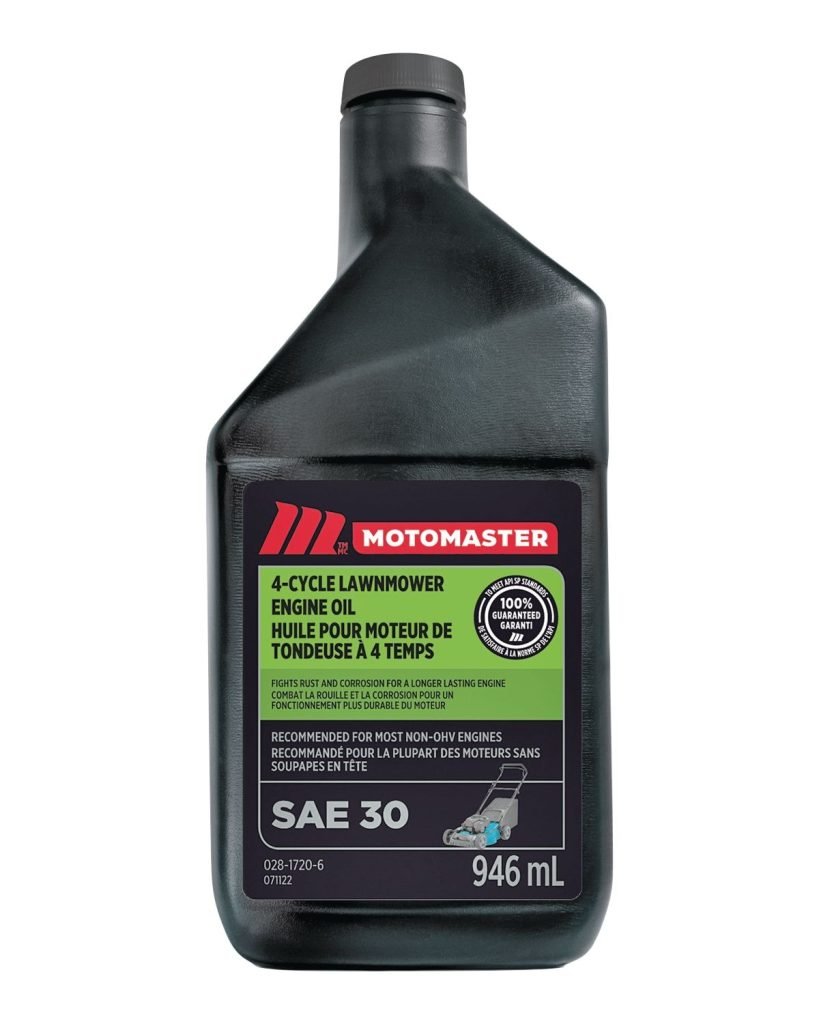
Choosing the right oil for your lawn mower is more crucial than you might think. It’s not just about keeping the engine running smoothly; it’s about extending the life of your mower and ensuring your lawn looks its best.
Imagine the frustration of a mower that sputters mid-task or, worse, a costly breakdown just as you’re getting into your weekend groove. You want reliability, efficiency, and the satisfaction of a job well done, right? We’ll uncover the best oils for your lawn mower, helping you make an informed choice that saves you time, money, and headaches.
Keep reading to discover how a simple decision can make a world of difference in your mowing routine.
Choosing The Right Oil
Choosing the right oil for your lawn mower is crucial for its performance and longevity. The correct oil keeps the engine running smoothly and protects it from damage. Using the wrong oil can cause engine wear and reduce efficiency. Understanding the types of oils and their properties helps you make the best choice for your mower.
Types Of Lawn Mower Oils
Lawn mower oils come in several types. The most common are:
- Single-grade oil: Has a fixed viscosity, good for older engines.
- Multi-grade oil: Works well in varying temperatures, ideal for modern mowers.
- Synthetic oil: Designed for high performance and longer engine life.
- Conventional oil: Standard oil, suitable for most basic lawn mowers.
Synthetic Vs Conventional Oils
Synthetic oils offer better stability and protection at extreme temperatures. They reduce engine wear and improve fuel efficiency. Conventional oils are less expensive and work well in mild conditions. For heavy use or harsh environments, synthetic oil is often the better choice.
Oil Viscosity And Its Importance
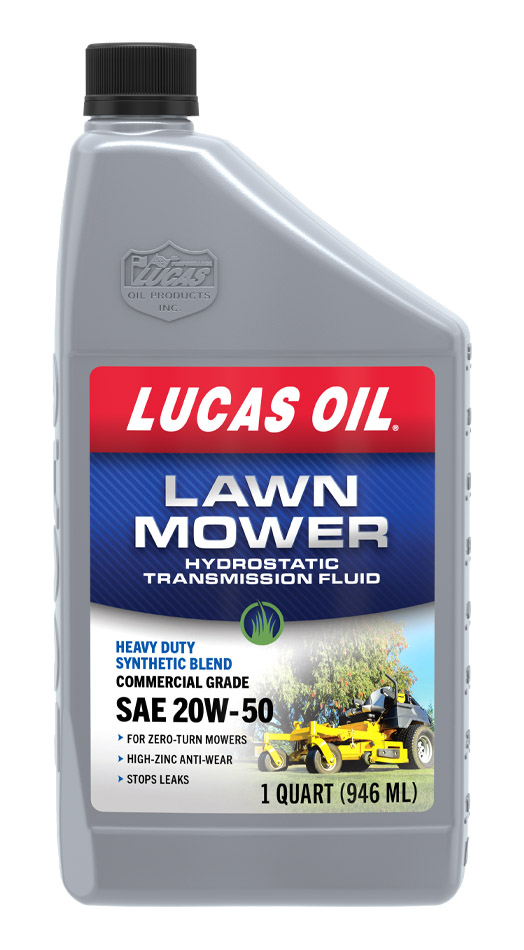
Viscosity measures how thick or thin an oil is. It affects how well the oil flows and protects the engine. Lawn mower oils usually have ratings like 10W-30 or 5W-30. The first number shows oil flow in cold temperatures. The second number shows thickness at running temperature.
Choosing the right viscosity ensures the oil works well in your climate. Thicker oils protect better in hot weather. Thinner oils help start the engine in cold weather. Always follow your mower’s manual for the recommended viscosity.
Credit: www.lucasoil.com
Top Oils For Gas-powered Mowers
Choosing the right oil for your gas-powered lawn mower can make a big difference in its performance and lifespan. The oil lubricates the engine parts, reduces friction, and helps keep your mower running smoothly throughout the cutting season. But with so many options available, how do you pick the best one for your mower’s needs?
Best Synthetic Oils
Synthetic oils are designed to provide superior protection under extreme conditions. They flow better in cold weather, making it easier to start your mower on chilly mornings. I once switched to synthetic oil during a particularly cold spring, and my mower started without any hesitation, even after sitting unused for weeks.
Popular synthetic oils include:
- Mobil 1 Synthetic 5W-30
- Castrol GTX Magnatec Synthetic Blend
- Valvoline Advanced Full Synthetic SAE 5W-30
These oils resist breakdown better than conventional oils, which means less frequent changes and better engine protection.
Best Conventional Oils
Conventional oils are a budget-friendly choice and work well for most standard lawn mowers. If you use your mower occasionally and keep up with regular oil changes, conventional oil can keep your engine healthy.
Good conventional oils you can rely on:
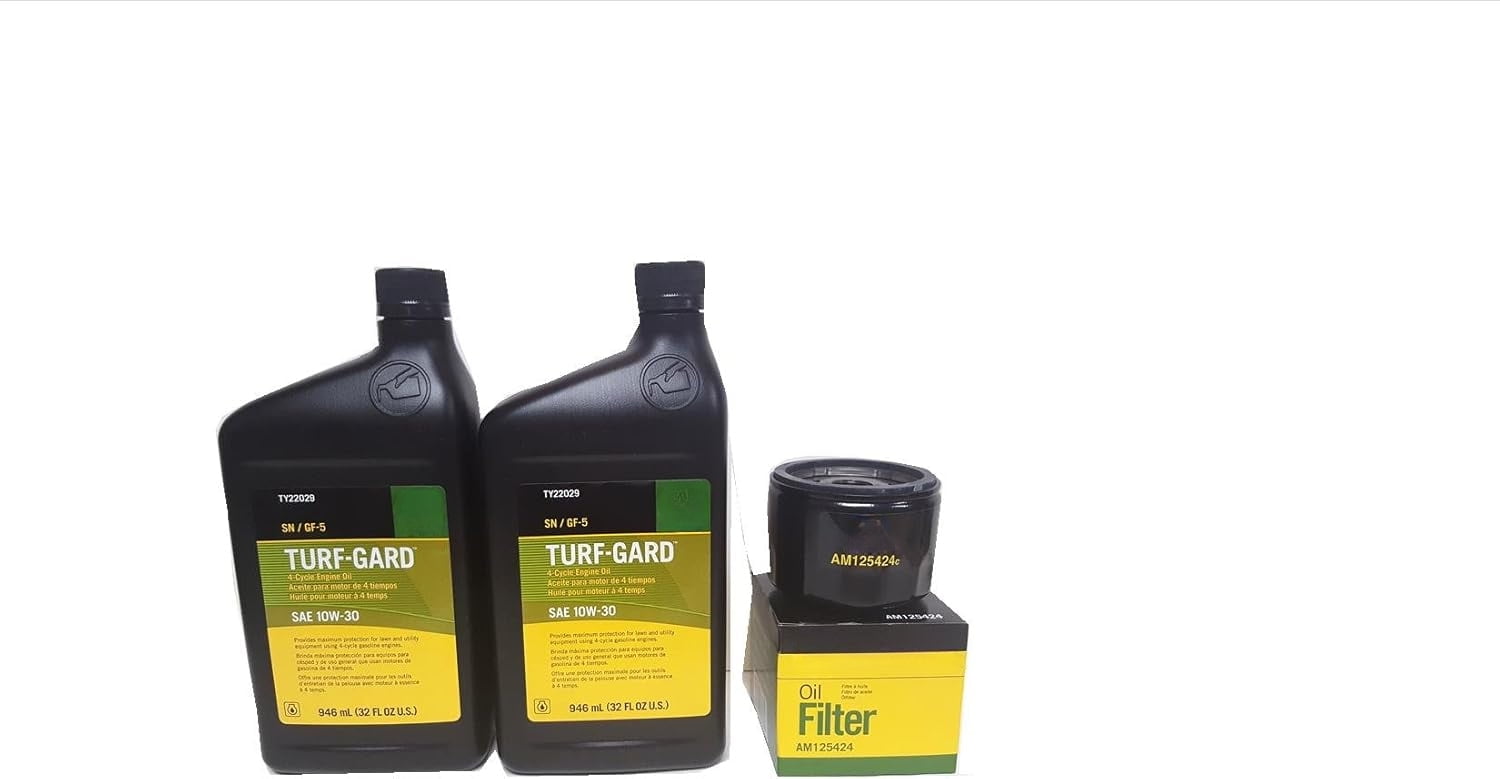
- Honda 4-Stroke Lawn Mower Oil SAE 10W-30
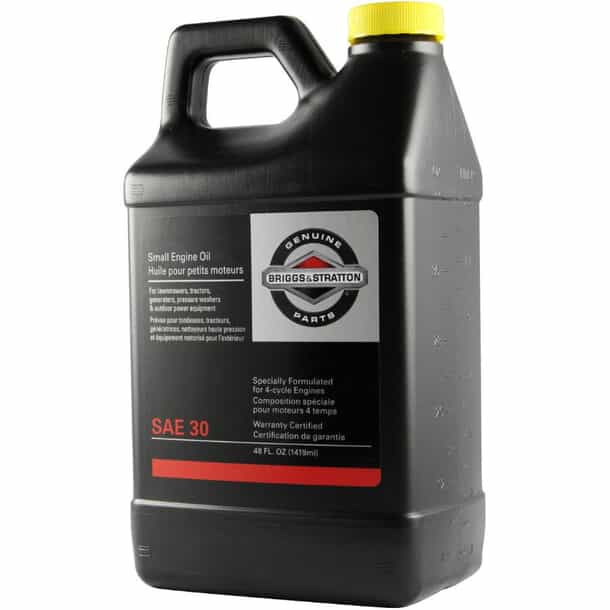
- Briggs & Stratton SAE 30
- Pennzoil Conventional SAE 30
These oils provide adequate lubrication and are widely available at local stores. Just make sure to check your mower’s manual for the recommended oil viscosity.
High-mileage Oil Options
If your mower has been running for several seasons, high-mileage oil can help extend its life. These oils contain additives that protect older engines from wear, reduce leaks, and minimize sludge build-up.
Consider these high-mileage oils for mowers with extensive use:
- Valvoline High Mileage SAE 10W-30
- Castrol GTX High Mileage 10W-30
- Mobil 1 High Mileage Synthetic Blend
Have you noticed your mower’s performance drop after years of use? Trying a high-mileage oil might just bring back some of that lost power and efficiency.
Oils For Electric And Battery Mowers
Electric and battery lawn mowers differ from gas models in many ways. One key difference is the need for oil. Understanding oil use in these mowers helps keep them in good shape. This section explains if electric mowers need oil and offers tips for their maintenance.
Do Electric Mowers Need Oil?
Electric and battery mowers do not use traditional engine oil. They run on electric motors, which do not require oil changes. No combustion engine means no oil is needed for lubrication. This makes electric mowers easier to maintain than gas mowers. However, some parts might still need occasional lubrication or grease.
Maintenance Tips For Electric Mowers
- Keep battery contacts clean and dry to ensure good power flow.
- Charge batteries fully before storage to prolong battery life.
- Check blades regularly and sharpen or replace if dull.
- Wipe down the mower after use to remove grass and dirt.
- Inspect electrical cords and connectors for damage or wear.
- Store the mower in a dry, cool place to protect electronics.
Credit: www.walmart.com
How To Change Lawn Mower Oil
Changing the oil in your lawn mower is essential to keep the engine running smoothly and extend its lifespan. Doing it yourself can save money and give you confidence in maintaining your equipment. Let’s walk through the process with clear steps and useful tips.
Tools Needed
- Wrench or socket set (to remove the oil drain plug)
- Oil drain pan or container
- Funnel (to pour new oil without spills)
- New lawn mower oil (check your owner’s manual for the right type)
- Clean rag or paper towels
- Gloves (optional, but helpful to keep your hands clean)
Having these tools ready before you start makes the process smoother and faster. You won’t want to stop halfway to hunt for a wrench or a funnel.
Step-by-step Oil Change Process
Begin by warming up your mower engine for a few minutes. Warm oil drains more easily and carries away more impurities. Then, turn off the mower and disconnect the spark plug wire for safety.
Place your oil drain pan under the oil drain plug. Use your wrench to carefully loosen and remove the plug, allowing the old oil to flow out completely. This might take a few minutes, so be patient.
Once drained, replace the drain plug securely. Use your funnel to add the correct amount and type of fresh oil into the oil fill hole. Avoid overfilling, as it can cause engine damage.
Wipe off any spilled oil and reconnect the spark plug wire. Start the mower briefly to circulate the new oil, then check the oil level with the dipstick and add more if needed.
Disposing Of Used Oil Safely
Never pour used oil down drains, on the ground, or into the trash. It contaminates soil and water and harms wildlife. Instead, collect the oil in a sealed container immediately after draining.
Many auto shops and recycling centers accept used motor oil for free. Check with your local waste disposal service for the nearest drop-off location. Proper disposal protects the environment and complies with regulations.
Have you ever thought about how much damage improper oil disposal can cause? Taking a moment to dispose of it correctly makes a big difference.
Signs Your Mower Needs An Oil Change
Knowing when your lawn mower needs an oil change helps keep it running smoothly. Fresh oil protects the engine from wear and tear. It also improves mower performance and extends its life. Watch for certain signs to avoid costly repairs and downtime.
Performance Issues
Your mower may run slower or stall often. Engine noise might become louder or rough. It could also fail to start easily. These problems suggest the oil is dirty or low. Clean oil helps the engine work better and last longer.
Visual Oil Inspection
Check the oil by pulling out the dipstick. The oil should look clear and amber. Dark, thick, or gritty oil means it needs changing. Also, check the oil level. Low oil can cause serious engine damage.
Manufacturer Recommendations
Follow the mower manual for oil change intervals. Most recommend changing oil every 25 to 50 hours of use. New mowers may need more frequent changes at first. Stick to the type of oil suggested by the manufacturer. This keeps the engine healthy and efficient.
Credit: www.homehardware.ca
Maintaining Peak Performance
Maintaining peak performance in lawn mowers depends largely on proper oil care. Using the right oil keeps the engine running smoothly. It reduces wear and tear, preventing costly repairs. Regular attention to oil levels and quality helps your mower last longer. Clean oil also improves fuel efficiency and cutting power.
Regular Oil Checks
Check the oil level before each use. A low oil level can cause engine damage quickly. Use the dipstick to see the oil amount. The oil should be clear and amber, not dark or thick. Change the oil if it looks dirty or smells burnt. Keep a small container of fresh oil nearby for quick top-ups.
Seasonal Maintenance Tips
Change the oil at the start and end of mowing season. Use the type of oil recommended by your mower’s manual. In colder months, use oil with lower viscosity to protect the engine. Warm weather calls for thicker oil to handle heat. Drain old oil completely before adding new oil. Store your mower with fresh oil for next season’s use.
Avoiding Common Mistakes
- Don’t overfill the oil tank; it can cause engine problems.
- Avoid mixing different types or brands of oil.
- Never use motor oil meant for cars or motorcycles.
- Don’t skip oil changes; old oil harms engine parts.
- Dispose of used oil safely; don’t pour it on the ground.
Frequently Asked Questions
What Type Of Oil Is Best For Lawn Mowers?
For most lawn mowers, SAE 30 oil works well in warm weather. Synthetic 10W-30 is ideal for cold climates. Always check your mower’s manual for the manufacturer’s recommended oil type for optimal performance and engine protection.
How Often Should I Change Lawn Mower Oil?
Change the oil after every 25-50 hours of use or at least once a season. Fresh oil ensures smooth engine operation and prevents wear. Regular oil changes extend your mower’s lifespan and maintain cutting efficiency.
Can I Use Automotive Oil In A Lawn Mower?
Yes, you can use automotive oil like 10W-30 if it meets lawn mower specs. Avoid oils with detergents designed for car engines, as they may harm small engines. Always prefer oil types recommended by your mower’s manual.
Why Is Synthetic Oil Good For Lawn Mowers?
Synthetic oil offers better engine protection in extreme temperatures and extends oil change intervals. It reduces engine wear and improves efficiency. Synthetic oils keep your mower running smoothly and last longer than conventional oils.
Conclusion
Choosing the right oil keeps your lawn mower running smooth. Good oil protects the engine from wear and tear. It also helps the mower work better and last longer. Check your mower’s manual for the best oil type. Regular oil changes prevent damage and save money on repairs.
Clean oil means a clean engine and easy starts. Take care of your mower with proper oil. It makes mowing easier and keeps your lawn looking great. Simple steps like this keep your mower in top shape.





