
Choosing the right oil for your riding lawn mower can feel overwhelming, can’t it? With so many options, it’s easy to feel unsure about what your mower really needs to run smoothly.
You might be wondering which oil offers the best performance, longest engine life, and smoothest operation. The good news? You’re not alone in this. Many homeowners face the same dilemma. By the end of this article, you’ll know exactly what oil is best for your riding lawn mower, ensuring your machine runs like a dream every time you fire it up.
Let’s dive into the details that will keep your lawn looking pristine!
Choosing The Right Oil Type
Choosing the right oil type for your riding lawn mower is essential for its long life and smooth operation. Oil keeps the engine parts moving without damage. Using the wrong oil can cause wear and reduce performance. Understanding oil types helps you pick the best one for your mower.
Conventional Vs Synthetic Oils
Conventional oil comes from crude oil and is less processed. It works well for many mowers and costs less. Synthetic oil is made in labs and lasts longer. It handles heat better and keeps the engine cleaner. Synthetic oil suits tough conditions and longer mowing sessions.
Oil Viscosity Explained
Viscosity means how thick or thin the oil is. It affects how well oil flows in the engine. The number on oil labels shows viscosity, like 10W-30. The first number with “W” means winter flow. The second number means thickness at normal engine heat. Lower numbers flow easier in cold weather.
Seasonal Oil Recommendations
Use thinner oil in cold seasons to help engine start easily. Thicker oil suits hot weather to protect engine parts. Check your mower manual for exact oil grades. Changing oil with seasons keeps the engine safe and running well.

Credit: www.youtube.com
Oil Specifications And Standards
Choosing the right oil for your riding lawn mower goes beyond just picking a brand. Understanding oil specifications and standards ensures your mower runs smoothly and lasts longer. These standards guarantee the oil meets certain performance criteria, protecting your engine under various conditions.
Api Ratings To Look For
The American Petroleum Institute (API) sets ratings that help you identify the quality and suitability of engine oils. For riding lawn mowers, look for oils labeled with API SJ, SL, SM, or SN. These ratings indicate the oil’s performance level, with higher letters representing newer standards and better protection.
Choosing oil without the proper API rating can lead to faster wear or engine issues. If you’ve ever noticed your mower sputtering or struggling after oil changes, it might be because the oil didn’t meet these standards.
Manufacturer Guidelines
Always check your mower’s manual for the recommended oil type and specifications. Manufacturers test their engines with specific oil grades to ensure optimal performance and warranty coverage.
For instance, some mowers require SAE 10W-30, while others might need a different viscosity based on operating temperature. Ignoring these guidelines can void your warranty or cause poor engine performance.
Impact Of Additives
Additives in oil improve engine protection and performance by reducing friction, preventing rust, and keeping the engine clean. Look for oils with additives like detergents, dispersants, and anti-wear agents.
However, not all additives suit every mower engine. Using oil with too many harsh additives might harm small engines that don’t need heavy-duty protection. Have you checked if your mower oil matches the additive requirements stated by the manufacturer?
Top Oils For Riding Lawn Mowers
Choosing the right oil is vital for your riding lawn mower’s engine health. The right oil keeps the engine cool and running smoothly. It prevents wear and tear, extending mower life. Different oils suit different mower types and climates. Here are some top oil options to consider for your riding lawn mower.
Best Synthetic Oils
Synthetic oils offer superior protection and performance. They resist heat and break down slower than conventional oils. These oils improve fuel efficiency and reduce engine wear.
- Mobil 1 Synthetic 10W-30 – Excellent for year-round use.
- Castrol GTX Magnatec 10W-30 – Protects during cold starts.
- Valvoline Advanced Full Synthetic 10W-30 – Keeps engines clean and smooth.
Best Conventional Oils
Conventional oils work well for many lawn mowers. They are reliable and widely available. These oils suit mowers used in moderate climates and normal conditions.
- Honda 10W-30 SAE – Good for standard mower engines.
- Briggs & Stratton SAE 30 – Classic choice for warm weather.
- Pennzoil Conventional 10W-30 – Affordable and trusted brand.
Budget-friendly Options
Affordable oils can still provide decent protection. These options fit small budgets and regular use. Choose them if you mow occasionally or have an older mower.
- Super Tech 10W-30 – Cost-effective and easy to find.
- Valvoline Daily Protection 10W-30 – Good balance of price and quality.
- Husqvarna SAE 30 – Suitable for warmer climates and steady use.
:max_bytes(150000):strip_icc()/GettyImages-1267584660-26f71400e7384966be4d68433e3418b7.jpg)
Credit: www.marthastewart.com
Oil Change Frequency And Maintenance
Keeping your riding lawn mower’s engine oil fresh is key to its performance and longevity. Regular oil changes prevent engine wear and keep the mower running smoothly. Understanding when and how to change the oil can save you from costly repairs and downtime.
Signs You Need An Oil Change
Watch for these clear signals that your mower needs fresh oil:
- Dark or dirty oil:Check the dipstick; if the oil looks dark and gritty, it’s time to change it.
- Engine running rough:If your mower sounds louder or runs unevenly, old oil might be the culprit.
- Excessive smoke:Notice unusual smoke from the exhaust? Dirty oil can cause this.
- Oil change indicator:Some modern mowers have sensors or lights to alert you.
Have you ever ignored these signs and regretted it? Your mower’s health depends on catching these early.
Step-by-step Oil Change Process
Changing your mower’s oil doesn’t require a mechanic. Here’s a straightforward approach you can try:
- Warm up the engine:Run your mower for a few minutes to warm the oil for easier drainage.
- Prepare tools and oil:Gather the right oil type, a drain pan, wrench, and funnel.
- Drain old oil:Locate the drain plug, place your pan underneath, and remove the plug carefully.
- Replace oil filter:If your mower has one, swap it out to keep oil clean.
- Add new oil:Tighten the drain plug and pour in the recommended oil amount using a funnel.
- Check oil level:Use the dipstick to make sure the oil is at the correct level before starting the engine.
Doing this yourself boosts your confidence and keeps your mower ready for every lawn day.
Proper Disposal Of Used Oil
Never pour used oil down the drain or on the ground—it harms the environment and local water sources. Instead, collect it in a sealed container immediately after draining.
Many auto shops and recycling centers accept used oil for free. Find the nearest facility in your area to drop off your oil responsibly.
Do you know where to take your used oil? Taking this step protects nature and keeps your community clean.
Common Mistakes To Avoid
Choosing the right oil for your riding lawn mower is crucial, but avoiding common mistakes matters just as much. These errors can damage the engine and reduce mower life. Understanding what to avoid helps keep your mower running smoothly and efficiently.
Using Incorrect Oil Grades
Using the wrong oil grade can harm your mower’s engine. Oil that is too thick or too thin fails to lubricate parts properly. Always check the mower’s manual for recommended oil grades. Stick to those guidelines to protect engine parts and maintain smooth operation.
Neglecting Oil Changes
Old oil loses its ability to protect the engine. Dirt and debris build up, causing wear and tear. Regular oil changes keep the engine clean and running well. Follow the manufacturer’s schedule to avoid costly repairs and keep your mower healthy.
Overfilling Or Underfilling Oil
Too much or too little oil can cause engine problems. Overfilling leads to pressure issues and leaks. Underfilling causes poor lubrication and overheating. Use the dipstick to check oil levels carefully. Fill only to the recommended mark for best results.
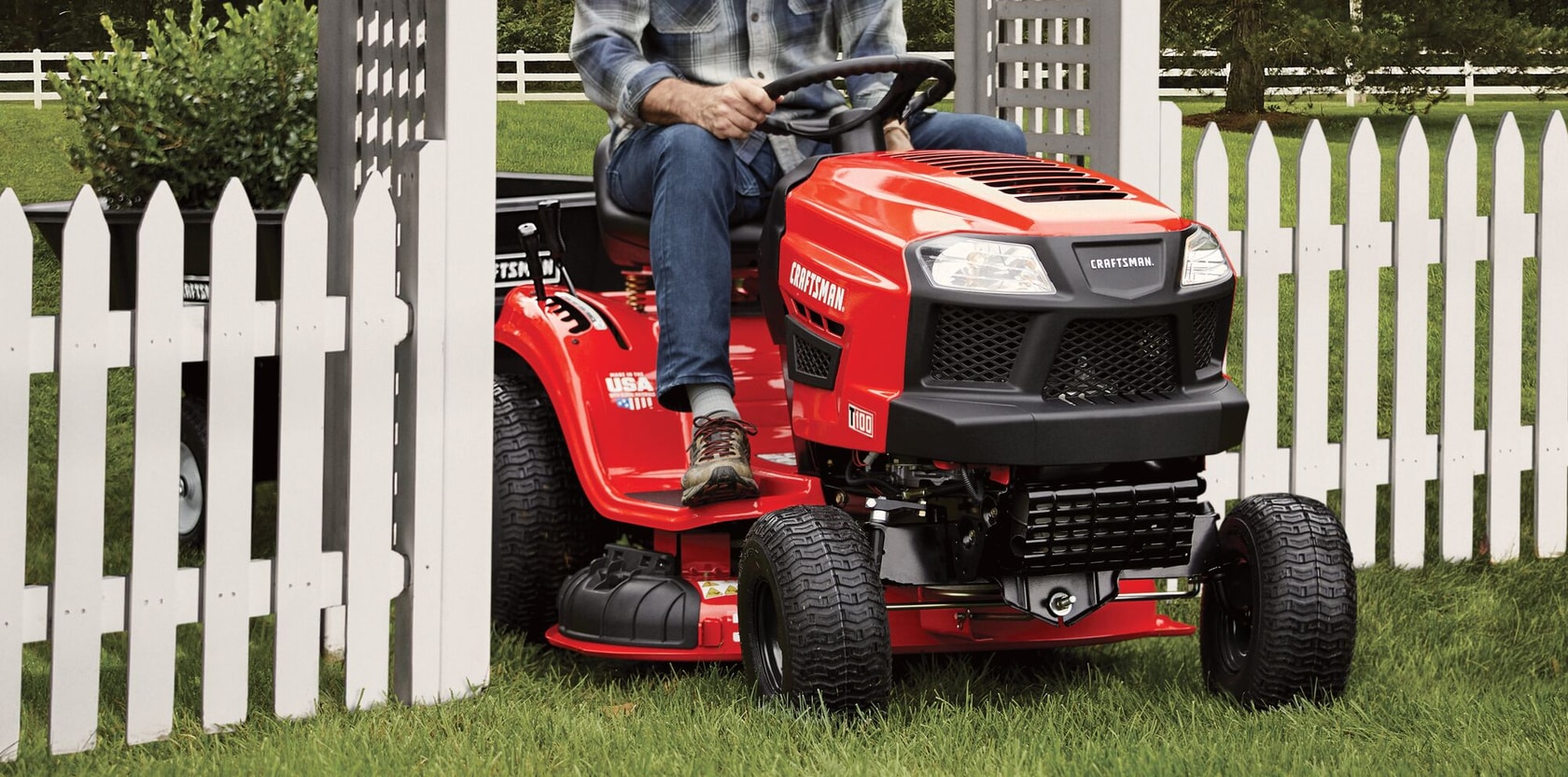
Credit: www.craftsman.com
Frequently Asked Questions
What Type Of Oil Is Best For Riding Lawn Mowers?
Use SAE 30 oil for most riding lawn mowers in warm weather. Synthetic 10W-30 works well in colder climates. Always check your mower’s manual for the recommended oil type to ensure optimal performance and engine longevity.
How Often Should I Change Oil In My Riding Mower?
Change your riding mower oil every 50 hours of use or once per mowing season. Regular oil changes keep the engine clean and running smoothly. Always replace the oil filter if your mower has one during oil changes.
Can I Use Automotive Oil In Riding Lawn Mowers?
Yes, you can use automotive oil like 10W-30 in riding mowers. However, use non-detergent or mower-specific oil if your manual suggests it. Always follow manufacturer recommendations to avoid engine damage and maintain mower efficiency.
What Is The Difference Between Synthetic And Conventional Oil?
Synthetic oil offers better engine protection and performance in extreme temperatures. Conventional oil is cheaper but may not protect as well. Synthetic oil can extend engine life and improve fuel efficiency, making it a good choice for demanding mower use.
Conclusion
Choosing the right oil keeps your riding lawn mower running smooth. Use oil that matches your mower’s manual. Regular oil changes help avoid engine damage and improve performance. Clean oil means better fuel use and longer mower life. Don’t wait for problems; change oil on time.
Good oil care saves money and time. Remember, simple steps keep your mower ready for every job. Easy maintenance leads to a healthy mower and a neat lawn.





