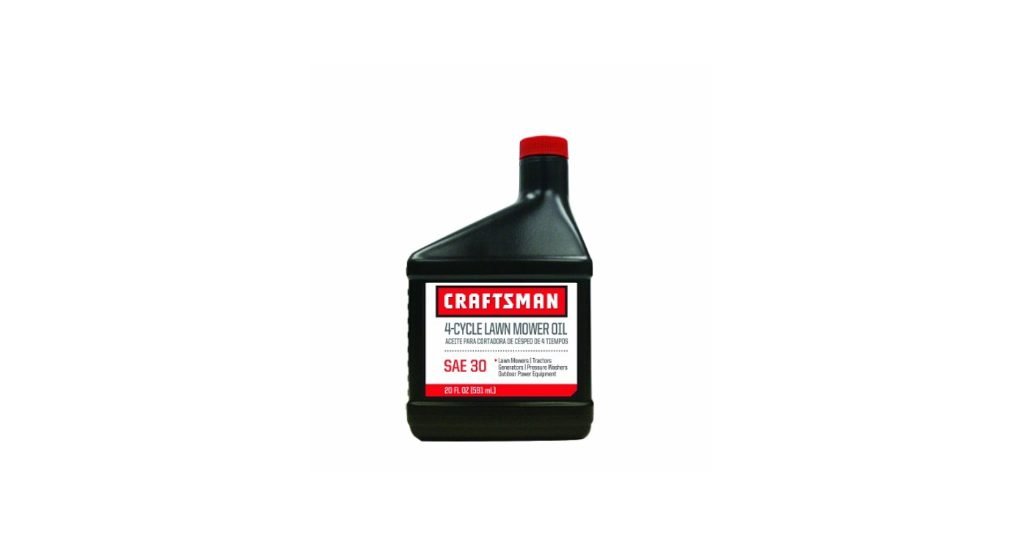
Are you wondering what oil is best for your lawn mower? Choosing the right oil is crucial for keeping your machine running smoothly and extending its lifespan.
The wrong oil can lead to engine damage and costly repairs. You deserve a lawn mower that works efficiently, without hiccups. Imagine the satisfaction of effortlessly mowing your lawn, knowing your machine is in top condition. In this guide, we’ll break down the best oil options for your lawn mower, ensuring you make an informed decision.
Let’s dive into how you can keep your lawn mower in prime shape, with just the right oil.
Types Of Lawn Mower Oils
Choosing the right oil is important for lawn mower performance. Different oils suit different engines and conditions. Understanding oil types helps keep your mower running smoothly. Here are the main types of lawn mower oils to consider.
Synthetic Vs Conventional Oils
Synthetic oil is made in a lab. It flows better in cold weather. It protects the engine well at high temperatures. Synthetic oil lasts longer than conventional oil.
Conventional oil comes from crude oil. It is cheaper but breaks down faster. It works well for regular mowing and mild climates. Change it more often than synthetic oil.
High-mileage Oils
High-mileage oils are for older mowers with many hours. They contain additives to protect worn parts. These oils help reduce leaks and oil consumption. Use high-mileage oil to extend engine life.
Seasonal Oil Variations
Oil thickness changes with seasons. Thinner oils suit cold weather. They help start the engine easily in winter. Thicker oils protect better in hot summer months. Check your mower manual for recommended oil grades by season.
Oil Viscosity And Its Impact
Choosing the right oil for your lawn mower depends heavily on oil viscosity. Viscosity means how thick or thin the oil is. It affects how well the oil flows through the engine. The right viscosity protects engine parts and helps the mower run smoothly. Using oil with the wrong viscosity can cause poor performance and damage.
Understanding Sae Ratings
SAE ratings show oil thickness at different temperatures. Numbers like 30 or 10W-30 describe this. A single number, such as 30, means the oil is stable at one temperature. Multi-grade oils like 10W-30 work well in cold and hot conditions. The “W” stands for winter and shows oil flow in cold weather. Lower numbers mean thinner oil, which flows easier when cold.
Choosing Oil Based On Temperature
Temperature affects which oil viscosity to use. Cold weather needs thinner oil to start the engine easily. Hot weather needs thicker oil to protect the engine from heat. Check the temperature range where you mow. Use multi-grade oils for places with changing seasons. This keeps your mower running well all year.
Effects On Engine Performance
Oil viscosity impacts engine start-up and wear. Thin oil flows quickly, reducing wear during cold starts. Thick oil protects engine parts under high heat and pressure. Wrong viscosity leads to poor lubrication and engine damage. Using the right oil improves fuel efficiency and mower life.
Manufacturer Recommendations
Choosing the right oil for your lawn mower is essential. Manufacturers design engines to work best with specific oil types. Following their recommendations keeps your mower running smoothly and extends its life. Ignoring these guidelines can lead to poor performance and costly repairs.
Reading The Owner’s Manual
The owner’s manual is the most reliable source for oil information. It lists the exact oil type and viscosity for your mower model. Check the manual for seasonal oil suggestions, such as different grades for summer and winter. Manuals also explain oil change intervals to maintain engine health.
Common Brand Guidelines
Many mower brands suggest using oils from trusted manufacturers. These oils meet specific standards like API (American Petroleum Institute) ratings. Brands often recommend SAE 30 or 10W-30 oils for general use. Synthetic oils may be advised for better engine protection in some cases.
Warranty Considerations
Using the recommended oil protects your mower’s warranty. Using the wrong oil can void warranty coverage. Always follow the oil type and change schedule stated by the manufacturer. Keep receipts and records of oil changes to support warranty claims if needed.
Oil Change Frequency
Changing the oil in a lawn mower is essential for its health. Knowing how often to change oil keeps the engine running smoothly. Regular oil changes prevent damage and improve mower life.
Oil quality breaks down over time. Dirt and debris collect in the oil during use. This can harm engine parts if not replaced on time.
Signs You Need An Oil Change
- The engine runs louder than usual.
- Smoke comes from the exhaust.
- The mower has trouble starting.
- Oil looks dark and dirty.
- Engine performance drops.
Typical Maintenance Intervals
Most lawn mower manufacturers suggest changing oil every 25 to 50 hours of use.
For new mowers, change oil after the first 5 hours.
Regular users should check oil before each use and replace it every season.
Consequences Of Neglecting Oil Changes
- Engine parts wear out faster.
- Overheating can occur, causing damage.
- Reduced fuel efficiency.
- Mower may stop working suddenly.
- Costly repairs or engine replacement.
Top Oil Brands For Lawn Mowers
Choosing the right oil brand can extend your lawn mower’s life. Quality oil keeps the engine clean and running smoothly. Various brands offer oils designed for different mower types and conditions. This guide highlights top oil brands trusted by lawn mower users.
Popular Synthetic Oils
- Mobil 1 Synthetic Oil:Offers excellent engine protection and lasts longer.
- Castrol GTX Magnatec:Provides strong wear protection and reduces engine deposits.
- Royal Purple Synthetic Oil:Known for superior lubrication and improving engine performance.
Reliable Conventional Oils
- Honda 4-Stroke Oil:Perfect for Honda mowers and many other brands.
- Briggs & Stratton SAE 30:Classic choice, trusted for small engines.
- Pennzoil Conventional Oil:Offers good protection for everyday lawn mower use.
Budget-friendly Options
- Valvoline Daily Protection:Affordable and reliable for regular maintenance.
- STP Oil for Small Engines:Suitable for basic mower engines without extra additives.
- Prestone SAE 30:Economical choice that meets basic engine needs.

Credit: www.amazon.com
Tips For Changing Lawn Mower Oil
Changing the oil in your lawn mower keeps it running smoothly and extends its life. Clean oil helps the engine work better. Follow these simple tips to change the oil safely and correctly. Use the right tools and take care with every step. Proper disposal of old oil protects the environment.
Tools And Supplies Needed
- Fresh lawn mower oil (check your manual for type)
- Oil drain pan or container
- Wrench or socket set
- Funnel
- Rags or paper towels
- Gloves to keep hands clean
- Oil filter wrench (if your mower has a filter)
Step-by-step Oil Change Process
- Run the mower for a few minutes to warm the oil.
- Turn off the mower and disconnect the spark plug for safety.
- Place the drain pan under the oil drain plug.
- Remove the oil fill cap to allow oil to flow out easily.
- Unscrew the drain plug and let the old oil drain completely.
- Replace the drain plug and tighten it securely.
- Use a funnel to add the correct amount of fresh oil.
- Replace the oil fill cap and wipe off any spills.
- Reconnect the spark plug and start the mower to check for leaks.
Disposing Of Used Oil Properly
Never pour used oil on the ground or into drains. It harms soil and water. Collect the oil in a sealed container. Take it to a local recycling center or auto shop. Many places accept used oil for free. Proper disposal helps protect the environment and wildlife.
Common Oil-related Issues
Maintaining the right oil in your lawn mower is crucial, but even the best oil won’t help if common oil-related issues are ignored. These problems can reduce engine life, cause poor performance, or even lead to costly repairs. Identifying and addressing these issues early keeps your mower running smoothly and saves you time and money.
Oil Leaks And How To Fix Them
Oil leaks are a frequent problem that can cause a mess and damage your mower’s engine. They often result from worn gaskets, loose drain plugs, or cracked oil pans. If you notice oil spots under your mower, check these areas immediately.
Fixing leaks may be as simple as tightening a plug or replacing a gasket. Always clean the area before inspecting to find the exact source. Have you checked your mower’s oil seals lately?
Overfilling And Underfilling Risks
Pouring too much or too little oil into your mower can cause serious engine problems. Overfilling can lead to foaming, reducing lubrication and causing engine wear. Underfilling, on the other hand, means parts don’t get enough oil, increasing friction and overheating risks.
Use the dipstick to measure oil levels accurately after filling. It’s better to add oil slowly and check frequently than to guess. Are you confident your mower has the right oil level?
Oil Contamination Problems
Dirty or contaminated oil harms engine parts and reduces mower efficiency. Contamination can come from dirt, grass clippings, or water entering the oil system. Regular oil changes and using clean oil help prevent this issue.
Keep your oil cap tightly sealed and avoid running the mower through wet grass. Have you noticed your oil looking dark or gritty? That’s a sign it’s time for a change.

Credit: simsgardenmachinery.co.uk
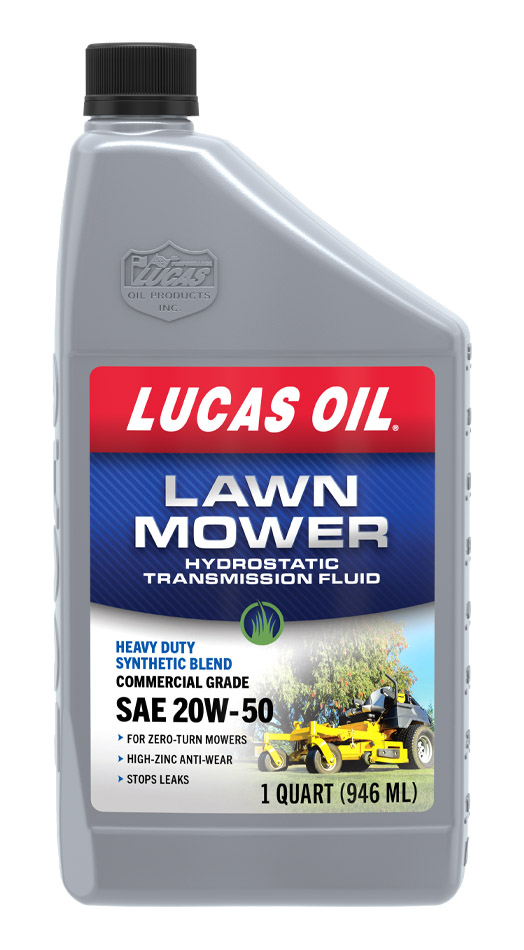
Credit: www.lucasoil.com
Frequently Asked Questions
What Type Of oil is best For Lawn Mowers?
The best oil for lawn mowers is SAE 30 for warm weather. For colder climates, use 10W-30. Synthetic oils can enhance engine performance and longevity.
How Often Should I Change Lawn Mower Oil?
Change lawn mower oil after every 25 hours of use. For seasonal use, change oil at least once per year to keep the engine healthy.
Can I Use Car Oil In A Lawn Mower?
Yes, you can use car oil like 10W-30 in lawn mowers. However, always check your mower’s manual for recommended oil types to avoid damage.
Why Is Synthetic Oil Good For Lawn Mowers?
Synthetic oil offers better protection in extreme temperatures. It reduces engine wear, improves efficiency, and extends the mower’s lifespan compared to conventional oils.
Conclusion
Choosing the right oil keeps your lawn mower running smooth. Clean oil helps the engine last longer and work better. Using the correct oil type prevents damage and saves money. Check your mower’s manual for the best oil recommendation. Change the oil regularly to avoid problems.
Good care means a healthy lawn mower every season. Simple steps make mowing easier and your machine stronger. Your lawn deserves the best care, starting with the right oil.





