If you’re a proud lawn owner, you know that keeping your grass lush and green is more than just about frequent mowing. But have you ever wondered if your trusty lawn mower is getting the care it deserves?
Choosing the right oil for your lawn mower is crucial for its longevity and performance. Just like you wouldn’t fill your car with the wrong fuel, your lawn mower deserves the right oil to keep it running smoothly. Are you using the best oil to keep your lawn mower in tip-top shape?
Dive into this guide to discover the secrets of choosing the right oil, so you can enjoy a pristine lawn without the hassle. Your mower’s engine will thank you, and so will your grass!
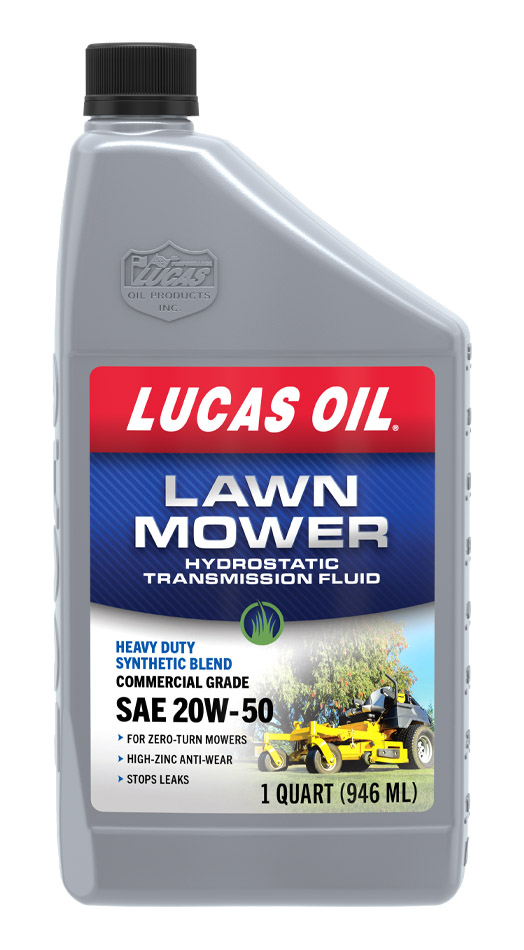
Credit: www.lucasoil.com
Choosing The Right Oil
Choosing the right oil is key to keeping your lawn mower running smoothly. The correct oil protects the engine from wear and tear. It also helps the mower perform efficiently throughout the mowing season. Knowing what type of oil to use can extend the life of your mower and save you money on repairs.
Types Of Lawn Mower Oil
Lawn mower oils come in several types. The most common are:
- Mineral oil – made from refined crude oil, good for older engines.
- Synthetic oil – made from chemical compounds, offers better protection.
- Semi-synthetic oil – a mix of mineral and synthetic oils, balances cost and performance.
Choosing the right type depends on your mower’s age and usage.
Synthetic Vs Conventional Oils
Synthetic oils provide better engine protection. They resist breakdown in heat and cold. This keeps the engine clean and running longer. Conventional oils are less expensive but may need more frequent changes. Synthetic oils cost more but improve performance and reduce wear. For newer mowers, synthetic oil is often the better choice.
Viscosity And Weather Conditions
Viscosity means how thick or thin the oil is. It affects how well the oil flows at different temperatures. Choose oil with the right viscosity for your climate:
- Thinner oil (like 5W-30) works better in cold weather.
- Thicker oil (like 10W-30) suits warmer climates.
Check your mower’s manual for the recommended viscosity. Using the right viscosity protects the engine in all weather conditions.
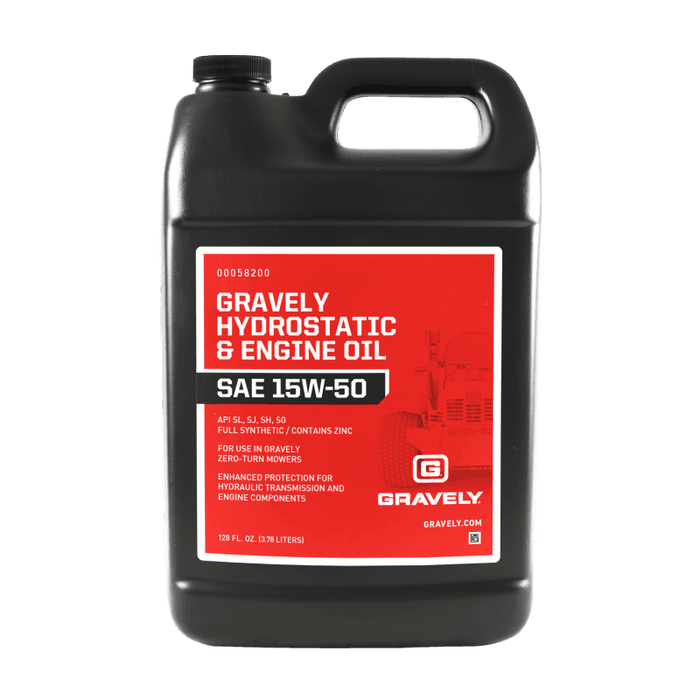
Credit: www.equipmentguys.ca
Oil Specifications To Look For
Choosing the right oil for your lawn mower means checking certain specifications. These ensure your engine runs smoothly and lasts longer. The oil must protect the engine from wear, resist heat, and keep parts clean. Knowing what to look for helps avoid damage and costly repairs.
Api Service Classifications
The API (American Petroleum Institute) sets standards for engine oils. These classifications show the oil’s quality and performance. For lawn mowers, look for oils labeled with “SJ,” “SL,” or newer codes. These oils suit small engines and offer good protection against deposits and wear.
Always pick oil that meets or exceeds the API rating in your mower’s manual. Using the right API class helps your engine stay clean and work well under stress.
Manufacturer Recommendations
Lawn mower makers provide specific oil advice in their manuals. They suggest oil types, viscosity grades, and brands tested for their engines. Following these recommendations ensures optimal performance and warranty coverage.
Check your mower’s manual for the exact oil grade. Common grades are SAE 30 for warm weather or 10W-30 for variable temperatures. Using the recommended oil keeps your mower running efficiently.
Oil Additives And Their Benefits
Oil additives improve engine protection and performance. Detergents in oil stop sludge and deposits from building up. Anti-wear additives protect metal parts during start-up and heavy use.
Some oils include rust inhibitors to prevent corrosion. Others have foam suppressants to keep the oil stable. These additives help your mower last longer and run smoother.
Changing Your Lawn Mower Oil
Changing your lawn mower oil is essential for keeping the engine running smoothly. Clean oil reduces friction and prevents wear on engine parts. Regular oil changes help extend the life of your mower. It also improves performance and fuel efficiency. Knowing how and when to change the oil saves you time and money.
When To Change Oil
Check your mower’s manual for oil change intervals. Usually, change oil after 20 to 50 hours of use. For new mowers, change oil after the first 5 hours. Change oil at least once per season. Change it more often if you mow in dusty or hot conditions. Always check the oil level before starting the mower.
Step-by-step Oil Change Process
- Run the mower for a few minutes to warm the oil.
- Turn off the mower and disconnect the spark plug wire.
- Place a container under the oil drain plug.
- Remove the drain plug and let the oil drain completely.
- Replace the drain plug securely after draining.
- Remove the oil fill cap and add fresh oil.
- Use the recommended oil type and amount from your manual.
- Check the oil level with the dipstick and adjust if needed.
- Reconnect the spark plug wire before starting the mower.
Disposing Of Used Oil Safely
Used oil is hazardous and must be disposed of properly. Do not pour it down drains or on the ground. Store used oil in a clean, sealed container. Take it to a recycling center or auto shop that accepts used oil. Proper disposal protects the environment and local water sources.

Credit: www.homehardware.ca
Common Oil-related Problems
Oil plays a critical role in keeping your lawn mower’s engine running smoothly. Neglecting oil maintenance or using the wrong type can cause various problems that affect performance and lifespan. Understanding common oil-related issues helps you catch problems early and avoid costly repairs.
Signs Of Low Or Dirty Oil
Low or dirty oil can quickly damage your mower’s engine. Watch for these warning signs:
- Engine overheating:Oil lubricates and cools engine parts. If oil is low or dirty, the engine may run hot.
- Smoke from the exhaust:Dark or blue smoke can mean oil is burning due to poor lubrication.
- Unusual engine noise:A knocking or grinding sound often points to insufficient oil or contaminants.
If you notice any of these, check your oil level and quality immediately. Regular oil checks can prevent these issues from escalating.
Effects Of Using Wrong Oil
Using the wrong type of oil can cause damage faster than you might expect. For example, thicker oil might not flow well in cold weather, causing poor lubrication at startup.
Conversely, oil that’s too thin may not protect engine parts under high temperatures. This mismatch leads to increased wear and tear.
Have you ever grabbed the wrong oil in a rush? That small mistake can result in reduced engine efficiency and more frequent maintenance.
Troubleshooting Engine Issues
If your mower’s engine struggles, oil problems could be the root cause. Start by inspecting the oil level and clarity.
Next, check for leaks or oil contamination like water or dirt. Dirty oil often looks dark and gritty, while fresh oil is clear or amber.
Replacing the oil and oil filter regularly is a simple fix that solves many engine troubles. If problems persist, it might be time to consult a professional mechanic to avoid further damage.
Tips For Maintaining Lawn Mower Performance
Keeping your lawn mower running smoothly depends a lot on how well you maintain it. Small, regular tasks can make a big difference in performance and lifespan. Are you ready to learn simple steps that save you time and money on mower repairs?
Regular Oil Checks
Checking your mower’s oil often is crucial. Low or dirty oil can cause the engine to overheat or wear out faster. Make it a habit to check the oil level before each use or at least once a week during the mowing season.
Use the dipstick to see if the oil is between the minimum and maximum marks. If the oil looks dark or gritty, it’s time to change it. Clean oil helps the engine parts move smoothly and prevents damage.
Seasonal Maintenance Tips
Your mower needs different care depending on the season. Before spring, change the oil and replace the air filter to prepare the engine for heavy use. During summer, keep the mower clean and check the oil regularly.
As fall approaches, inspect the spark plug and sharpen the blades. These steps help your mower handle the tougher, wetter grass conditions. Think about how your mower feels during cutting—adjustments now can avoid big problems later.
Storing Your Mower Properly
How you store your mower affects its performance next season. After the last cut, drain the fuel or add a fuel stabilizer to prevent the gas from breaking down and gumming up the carburetor. Run the engine briefly to spread the stabilizer through the system.
Store your mower in a dry, sheltered spot away from moisture and dirt. Cover it with a breathable tarp to keep dust off. These simple steps protect your engine and keep your mower ready to start fast when you need it again.
Frequently Asked Questions
What Type Of Oil Is Best For Lawn Mowers?
Use SAE 30 oil for warm weather and 10W-30 for all seasons. Synthetic oils improve engine performance and last longer. Always check your mower’s manual for specific recommendations.
How Often Should I Change Lawn Mower Oil?
Change the oil after every 25-50 hours of use or at least once per season. Fresh oil keeps your engine running smoothly and extends its life.
Can I Use Car Engine Oil In A Lawn Mower?
Yes, 10W-30 car engine oil is suitable for most lawn mowers. However, avoid oils with additives designed for car engines only, as they can harm small engines.
Why Is Using The Right Oil Important For Lawn Mowers?
Correct oil ensures proper lubrication, reduces engine wear, and prevents overheating. Using wrong oil can cause poor performance and damage your mower’s engine.
Conclusion
Choosing the right oil keeps your lawn mower running smooth. Check the manual for oil type and change it often. Clean oil helps the engine stay cool and work well. Using poor oil can cause damage and cost more money.
Regular oil care saves time and extends mower life. Simple steps make your lawn mower last longer. A healthy mower means a neat, green lawn. Take care of your mower like it takes care of your yard.