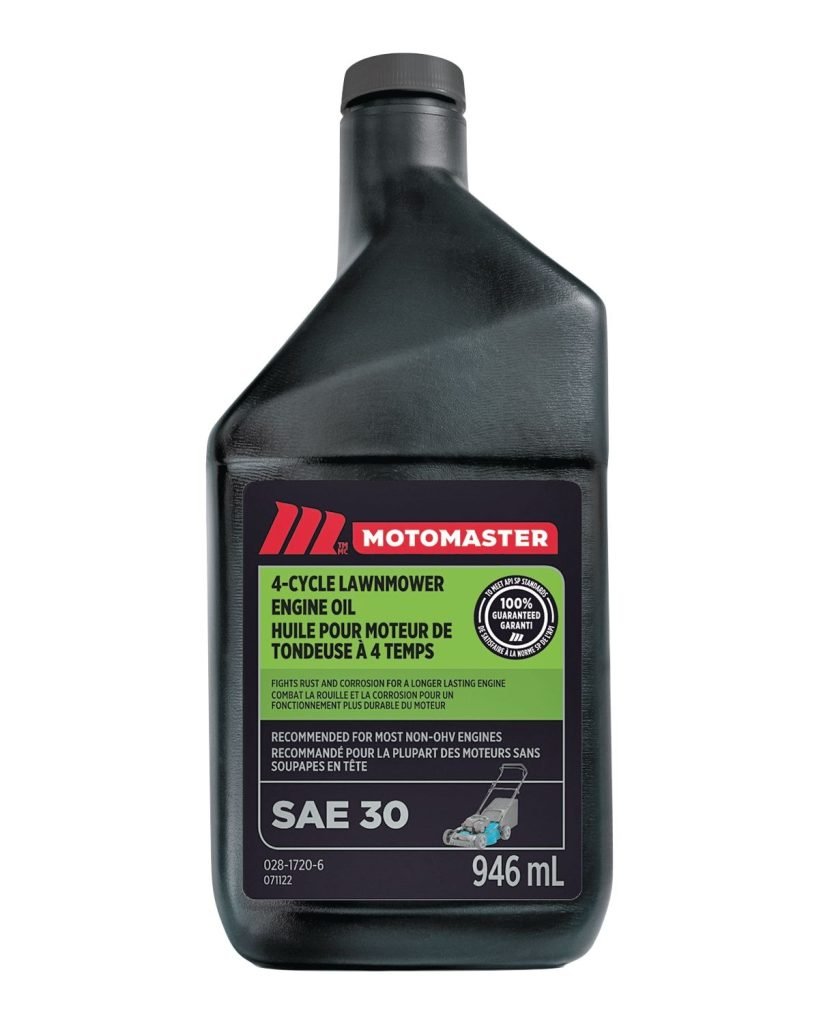
Have you ever wondered what oil your lawn mower needs to keep running smoothly? You’re not alone.
Choosing the right oil is crucial for maintaining your mower’s performance and longevity. With so many options on the market, it can be overwhelming to pick the perfect one. But fear not! By understanding what oil your lawn mower uses, you can ensure it operates efficiently, saving you time and money in the long run.
So, before you make your next mow, let’s dive into everything you need to know about lawn mower oil. Get ready to transform your lawn care routine!
Credit: www.ariens.com
Types Of Lawn Mower Oil
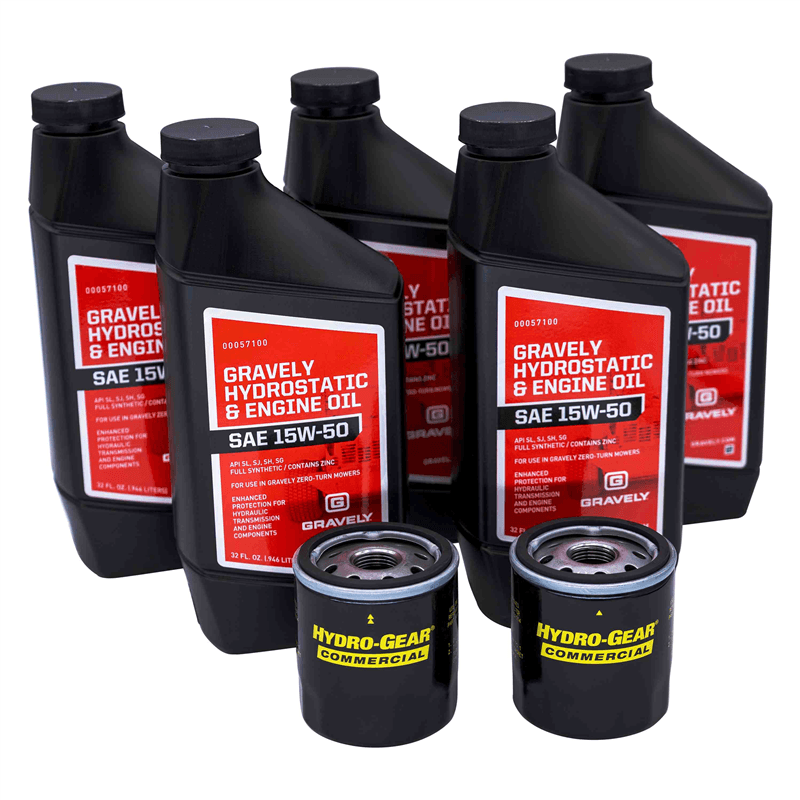
Choosing the right oil for your lawn mower is key for smooth operation. Different oils protect the engine in various ways. Some oils are better for cold starts, while others guard against heat. Understanding oil types helps keep the mower running longer and cuts down on repairs.
Conventional Vs Synthetic Oil
Conventional oil is made from natural crude oil. It works well for regular mowing tasks and is usually cheaper. Synthetic oil is man-made with advanced formulas. It lasts longer and protects better against engine wear. Synthetic oil also handles extreme temperatures more effectively.
Many users prefer synthetic oil for newer mowers. Conventional oil suits older models or less frequent use. Checking the mower’s manual helps choose the best type.
Sae Viscosity Ratings
SAE ratings show oil thickness at different temperatures. Common ratings for lawn mowers include 10W-30 and 5W-30. The “W” stands for winter, indicating cold temperature flow. Lower numbers mean thinner oil that flows easier in cold weather. Higher numbers mean thicker oil for hot conditions.
Choosing the right viscosity keeps the engine lubricated and prevents damage. Use the recommended SAE rating for your mower model.
Oil Grades For Different Seasons
Oil grade changes with season can improve mower performance. In summer, thicker oil like 30 weight works best. It protects the engine under heat and heavy use. In colder months, thinner oils like 10W-30 help the engine start and run smoothly.
Some oils are all-season, offering protection year-round. Seasonal oil changes boost engine life and efficiency.
Choosing The Right Oil For Your Mower
Choosing the right oil for your lawn mower is key to keeping it running smoothly. The correct oil protects the engine from wear and helps it perform at its best. Using the wrong oil can cause damage and shorten the mower’s life. Understanding the type of engine and oil needed makes maintenance easier and keeps your mower ready for use.
Checking Manufacturer Recommendations
Start by reading the mower’s manual. Manufacturers list the best oil type and grade for the engine. Follow their advice closely. It ensures compatibility and optimal performance. Look for details like oil viscosity and oil change intervals. Using recommended oil keeps warranties valid and prevents engine issues.
Oil For 2-cycle Vs 4-cycle Engines
Lawn mowers have either 2-cycle or 4-cycle engines. Each needs different oil types. 2-cycle engines mix oil with fuel for lubrication. Use a high-quality 2-cycle oil designed for this purpose. 4-cycle engines have separate oil reservoirs. Use motor oil that matches the viscosity suggested by the manufacturer. Using the wrong oil type can cause poor lubrication and damage.
Impact Of Oil Quality On Engine Life
Good quality oil reduces friction and engine wear. It helps keep engine parts clean and cool. Low-quality oil breaks down faster and forms sludge. Sludge clogs engine parts and reduces power. Regularly changing oil with high-grade products extends engine life. Investing in quality oil saves money on repairs and replacements over time.
How To Change Lawn Mower Oil
Changing the oil in a lawn mower keeps the engine running smoothly. Old oil can cause damage and reduce performance. Regular oil changes improve engine life and efficiency. Here is a simple guide to help you do it right.
Tools And Materials Needed
- Wrench or socket set
- Oil drain pan
- Funnel
- New oil (check your mower’s manual for type)
- Clean rag or paper towels
- Gloves (optional for cleanliness)
Step-by-step Oil Change Process
- Warm up the engine for a few minutes to thin the oil.
- Turn off the mower and disconnect the spark plug wire for safety.
- Place the oil drain pan under the oil drain plug.
- Use the wrench to remove the drain plug carefully.
- Let the old oil drain completely into the pan.
- Replace and tighten the drain plug securely.
- Remove the oil fill cap and insert the funnel.
- Pour the recommended amount of new oil into the engine.
- Replace the oil fill cap and wipe any spills.
- Reconnect the spark plug wire before starting the mower.
Disposing Of Used Oil Safely
Used oil is harmful to the environment. Never pour it down drains or on the ground.
Store the old oil in a sealed container. Take it to a local recycling center or auto shop that accepts used oil.
Proper disposal protects nature and follows local regulations.
Credit: www.lucasoil.com
Signs Of Oil Problems
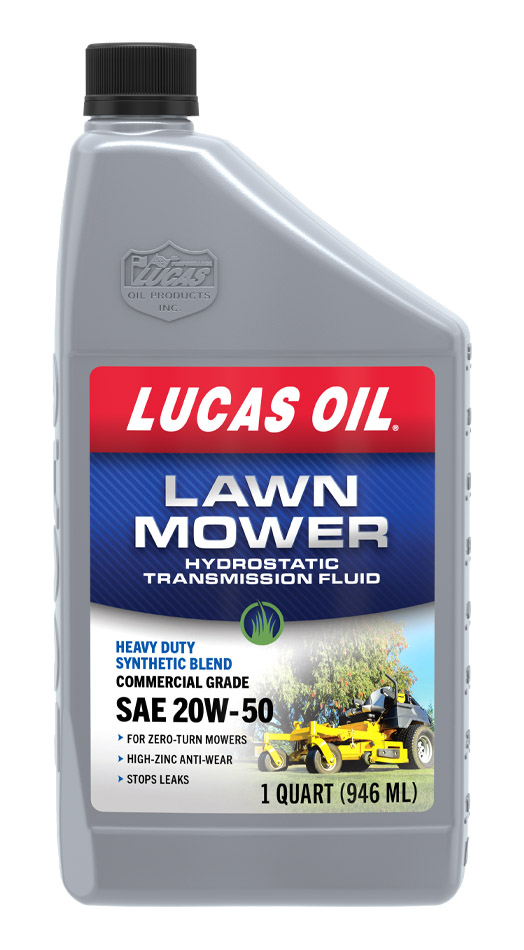
Oil problems in lawn mowers can cause serious damage if not noticed early. Recognizing the signs helps prevent costly repairs. Watch for unusual changes in your mower’s behavior. These changes often point to oil issues affecting the engine’s health.
Engine Overheating
Oil lubricates engine parts to reduce friction and heat. Low or dirty oil causes the engine to run hot. Overheating can lead to engine failure. A hot engine may also produce a burning smell. Stop using the mower if it feels too hot.
Unusual Smoke Or Odors
Smoke coming from the mower signals oil problems. Blue or gray smoke means oil is burning inside the engine. A strong, burnt oil odor is also a warning sign. These indicate oil leaks or old, contaminated oil. Check the oil level and color regularly.
Reduced Mower Performance
Oil problems affect how well the mower runs. The engine may lose power or run unevenly. You might notice the mower struggles on thick grass. Rough idling or stalling can also occur. Proper oil keeps the engine smooth and efficient.
Maintaining Oil For Peak Performance
Maintaining the right oil levels and quality in your lawn mower is crucial for keeping it running smoothly and efficiently. Without proper oil care, the engine can wear out faster, leading to costly repairs or even replacement. Paying close attention to your mower’s oil can save you time, money, and frustration in the long run.
Regular Oil Checks
You should check your lawn mower’s oil before every use or at least after every five hours of operation. A simple dipstick check can reveal if the oil is clean and at the right level. Dark, gritty oil means it’s time for a change, while low oil can cause serious engine damage.
Have you ever ignored an oil check only to face a stalled mower? That experience taught me that a quick look at the oil saves many headaches later.
Proper Storage Of Lawn Mower
Storing your mower correctly helps maintain oil quality and prevents engine problems. Before putting it away for the season, run the engine to warm up the oil, then drain or change it to avoid sludge buildup. Also, store the mower in a dry place to keep moisture from contaminating the oil.
Think about this: would you leave your car parked for months without an oil change? Your mower needs similar care to stay healthy.
Seasonal Maintenance Tips
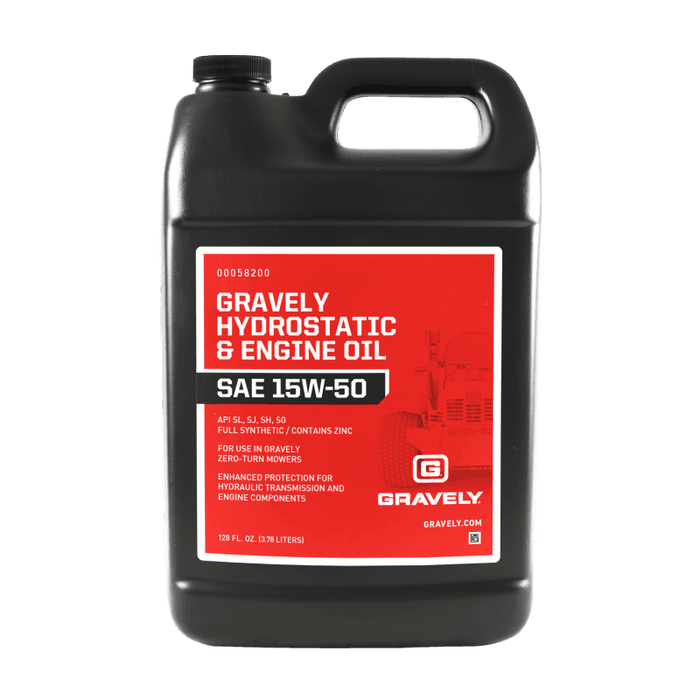
Seasonal maintenance includes changing the oil at least once a year, ideally before storage or the start of mowing season. Use the oil type recommended by the manufacturer, often 10W-30 for most lawn mowers. Don’t forget to replace the oil filter if your mower has one, as this keeps the oil cleaner and protects the engine.
Setting a reminder for seasonal oil changes can ensure you never miss this critical task. How often do you update your mower’s oil?
Credit: www.equipmentguys.ca
Frequently Asked Questions
What Type Of Oil Is Best For Lawn Mowers?
The best oil for lawn mowers is SAE 30 for warm weather. Use 10W-30 if the temperature is below 40°F. Always check your mower’s manual for specific oil recommendations.
How Often Should I Change Lawn Mower Oil?
Change your lawn mower oil after every 25 hours of use. For new mowers, change oil after the first 5 hours. Regular oil changes ensure a long engine life and better performance.
Can I Use Car Engine Oil In A Lawn Mower?
Yes, 10W-30 car engine oil can be used in most lawn mowers. However, always verify with your mower’s manual to avoid engine damage or warranty issues.
What Happens If I Use Wrong Oil In Lawn Mower?
Using wrong oil can cause poor engine performance and increased wear. It may lead to overheating, reduced lubrication, and engine failure. Always use the oil type recommended by the manufacturer.
Conclusion
Choosing the right oil helps your lawn mower run smoothly. Use the oil type recommended in the manual. Change oil regularly to keep the engine healthy. Clean oil means better cutting and longer mower life. Avoid using wrong oil to prevent engine damage.
A little care goes a long way for your mower. Keep your lawn mower in top shape with simple steps. Your grass will thank you for it.





