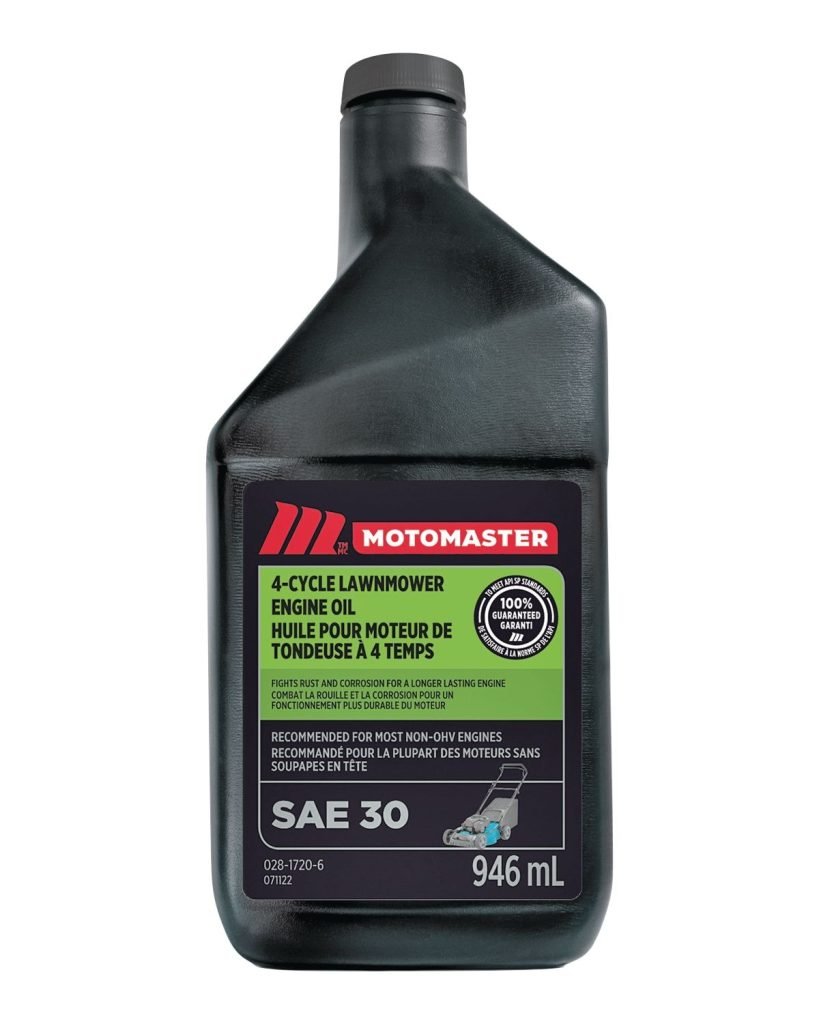
When it comes to keeping your lawn mower running smoothly, the type of oil you use plays a crucial role. You might not think about it often, but choosing the right oil can make the difference between a mower that purrs like a kitten and one that grinds like an old machine.
Imagine effortlessly gliding through your lawn, knowing your mower is in peak condition because you made a simple, yet impactful choice. You’ll discover the secrets behind selecting the perfect oil for your lawn mower, ensuring longer life and better performance for your trusted gardening tool.
Ready to unlock the potential of your mower? Let’s dive in.
Choosing The Right Oil
Choosing the right oil for your lawn mower is more important than many realize. The oil you use affects your mower’s performance and lifespan. Picking the wrong type or viscosity can lead to engine wear or even failure. Knowing what to look for helps you keep your mower running smoothly season after season.
Types Of Lawn Mower Oils
There are several oils designed specifically for lawn mowers and small engines. The most common types include:
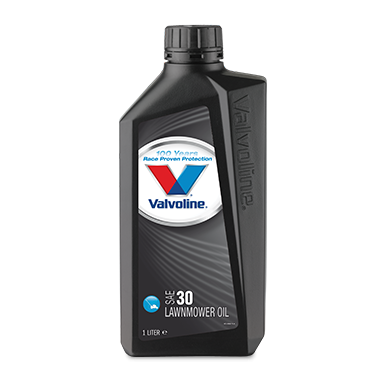
- SAE 30:A popular choice for many push mowers, especially in warm weather.
- 10W-30:A multi-viscosity oil that works well in varying temperatures.
- SAE 5W-30:Often recommended for newer models or mowers used in cooler climates.
Always check your mower’s manual first. It will tell you the best oil type for your engine’s needs.
Synthetic Vs Conventional Oils
Synthetic oils are engineered for better performance. They resist breakdown and handle temperature changes more effectively than conventional oils. This means synthetic oil can protect your engine longer during tough mowing jobs.
Conventional oils are less expensive and work fine for occasional lawn mowing. But if your mower works hard or you live in extreme weather, synthetic oil might be worth the investment. Have you considered how often you mow and under what conditions? That can guide your choice.
Oil Viscosity And Its Importance
Viscosity measures how thick or thin the oil is. It affects how well the oil flows through the engine and protects moving parts. Using oil with the wrong viscosity can cause poor lubrication or increase wear.
For example, a thicker oil (higher viscosity) might not flow well in cold weather, making it harder for the engine to start. Conversely, thinner oil may not protect as well in hot conditions. Check your mower’s manual for recommended viscosity grades, like 30 or 10W-30, to match your climate and mower type.

Credit: lawnsmartkc.com
Oil Recommendations By Engine Type
Choosing the right oil for your lawn mower depends heavily on the engine type it uses. Different engines have specific lubrication needs to keep them running smoothly and avoid costly repairs. Understanding these needs helps you pick the best oil that protects your mower and boosts its performance.
2-stroke Engine Oil Choices
Two-stroke engines require oil that mixes with fuel to lubricate internal parts. You can’t just use regular motor oil here; you need a high-quality 2-stroke oil designed for this purpose. Using the wrong oil can cause poor performance or even engine damage.
Look for oils labeled as “synthetic” or “semi-synthetic” 2-stroke oil, as these provide better protection and burn cleaner. Many users find that oils with TC-W3 certification work well, especially if your mower is used near water or sensitive environments. Ask yourself: have you noticed excessive smoke or rough running? It might be time to switch to a better 2-stroke oil.
4-stroke Engine Oil Options
Four-stroke engines use oil similar to what’s found in cars, but you must still choose the right grade and type. Most lawn mowers with 4-stroke engines recommend SAE 30 oil for warm weather, or 10W-30 for variable temperatures.
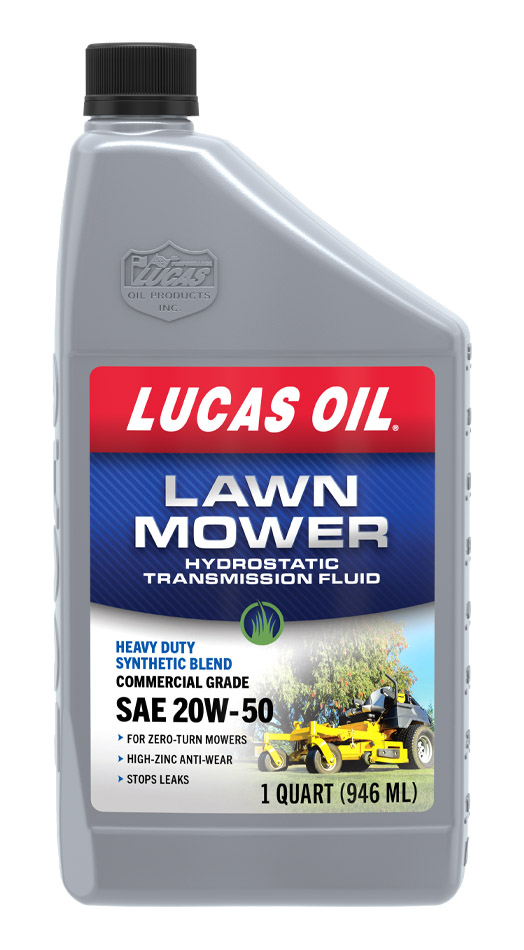
Synthetic oils offer better temperature stability and longer engine life but come at a higher price. If you want to keep your mower running season after season, investing in synthetic 4-stroke oil can pay off. Have you checked your owner’s manual lately? It’s your best guide to picking the right viscosity and oil type.
Manufacturer-specific Guidelines
Always prioritize the manufacturer’s oil recommendations. They test their engines extensively and suggest oils that match the engine design perfectly. Ignoring these guidelines can void your warranty or reduce engine lifespan.
Some brands specify particular oil brands or certifications like API SJ or higher. Checking your mower’s manual or the manufacturer’s website saves you time and money in the long run. What’s the last oil brand you trusted for your mower? Maybe it’s time to compare it with what your manufacturer actually suggests.
When And How To Change Oil
Knowing when and how to change the oil in your lawn mower is key to keeping it running smoothly. Skipping this simple task can cause your engine to wear out faster and might leave you stuck mid-mow. Let’s look at how to spot the right time for an oil change, the best way to do it yourself, and how to handle the old oil responsibly.
Signs It’s Time For An Oil Change
Is your mower making unusual noises or running rough? These can be clues that the oil is dirty or low. Dark, thick oil on the dipstick means it’s lost its ability to lubricate properly.
Also, if you notice smoke coming from the engine or the mower is overheating, check the oil immediately. Most manufacturers recommend changing the oil after every 25 hours of use, but if your mower sits unused for months, oil can degrade too.
Step-by-step Oil Change Process
- Prepare:Run the mower for a few minutes to warm the oil. Warm oil drains easier.
- Drain old oil:Place a container under the drain plug or remove the oil cap and tilt the mower to let oil flow out.
- Replace oil filter:If your mower has one, swap it out to keep the engine clean.
- Add new oil:Pour in the amount and type recommended in your owner’s manual. Avoid guessing the quantity.
- Check levels:Use the dipstick to ensure the oil is at the right level before starting the mower again.
Changing your mower’s oil yourself saves money and gives you a chance to inspect other parts for wear. Have you ever noticed something off during an oil change that helped you avoid a bigger problem?
Disposing Of Used Oil Properly
Throwing used oil in the trash or pouring it down drains harms the environment. Instead, collect the oil in a sealed container and take it to a local recycling center or automotive store that accepts used oil.
Many communities offer free disposal services. Keeping your used oil out of the landfill protects waterways and wildlife. Handling this responsibly shows respect for your neighborhood and nature.
Maintaining Peak Lawn Mower Performance
Maintaining peak lawn mower performance requires careful attention to its oil system. The right oil and proper maintenance keep the engine running smoothly. Clean oil reduces friction and prevents damage. This helps your mower last longer and work better.
Regular Oil Checks
Check the oil level before each use. Use the dipstick to see if oil is low. Top up with the correct oil type if needed. Look for dark or dirty oil, which means it needs changing. Regular checks keep the engine safe from wear.
Avoiding Common Oil-related Issues
Using the wrong oil can harm your mower. Too thick or too thin oil causes poor engine performance. Old oil can clog parts and cause overheating. Change the oil as the manual suggests. Always clean the oil filter to stop dirt buildup.
Seasonal Oil Maintenance Tips
Change the oil before storing your mower for winter. This prevents rust and sludge buildup inside the engine. Use fresh oil in spring to ensure smooth startup. Warm weather may require lighter oil for better flow. Follow the manufacturer’s guide for seasonal care.
Expert Tips And Common Mistakes
Choosing the right oil for your lawn mower is crucial, but even more important is how you use and handle that oil. Mistakes in oil type, quantity, and storage can lead to engine trouble or shorten your mower’s lifespan. Let’s look at some expert tips and common errors that can help you keep your mower running smoothly.
Using The Wrong Oil Type
Many people grab any oil off the shelf, assuming it will work fine. However, using the wrong oil type can cause poor engine performance or damage. Check your mower’s manual for the recommended oil viscosity—usually SAE 30 for warm weather and 10W-30 for cooler temperatures.
Think about this: have you ever noticed your mower struggling during a hot summer day? That could be a sign the oil isn’t suited for the heat. Using synthetic oil might offer better protection if you use your mower frequently or in extreme conditions.
Overfilling Or Underfilling Oil
It’s tempting to pour in plenty of oil “just to be safe,” but too much can cause foaming and poor lubrication. On the flip side, too little oil won’t protect the engine properly. Always fill the oil to the level indicated on the dipstick or in the fill hole.
If you’ve ever had your mower sputter or stall after an oil change, check the oil level first. Measuring oil carefully and topping it off little by little is a good habit to avoid costly repairs.
Storage And Oil Stability
Oil doesn’t last forever, especially once opened. Storing oil in a warm or humid place can degrade its quality. Keep your oil in a sealed container, away from direct sunlight and extreme temperatures.
Have you ever used old oil and noticed your mower running rough? That’s a clear sign the oil lost its effectiveness. Rotate your oil supply regularly and buy smaller quantities if you don’t use your mower often.
Credit: www.valvolineglobal.com
Credit: www.lucasoil.com
Frequently Asked Questions
What Type Of Oil Is Best For Lawn Mowers?
The best oil for lawn mowers is SAE 30 for warm weather. Use 10W-30 for cooler temperatures. Always check your mower’s manual for specific recommendations.
How Often Should You Change Lawn Mower Oil?
Change lawn mower oil after every 25 hours of use or at least once per season. Fresh oil ensures optimal engine performance and longevity.
Can I Use Automotive Oil In A Lawn Mower?
Yes, automotive oil like 10W-30 can be used if it meets the mower’s requirements. Avoid oils with additives that can harm small engines.
What Happens If I Use The Wrong Oil In Lawn Mowers?
Using wrong oil can cause engine wear, poor performance, and possible damage. Always use manufacturer-recommended oil to maintain mower efficiency.
Conclusion
Choosing the right oil keeps your lawn mower running smoothly. Use oil that matches your mower’s engine type. Check the owner’s manual for the best oil grade. Change the oil regularly to avoid engine damage. Clean oil helps your mower last longer and work better.
Proper oil care saves you money and time. Keep your mower ready for every cut. Simple steps make a big difference in lawn care.





