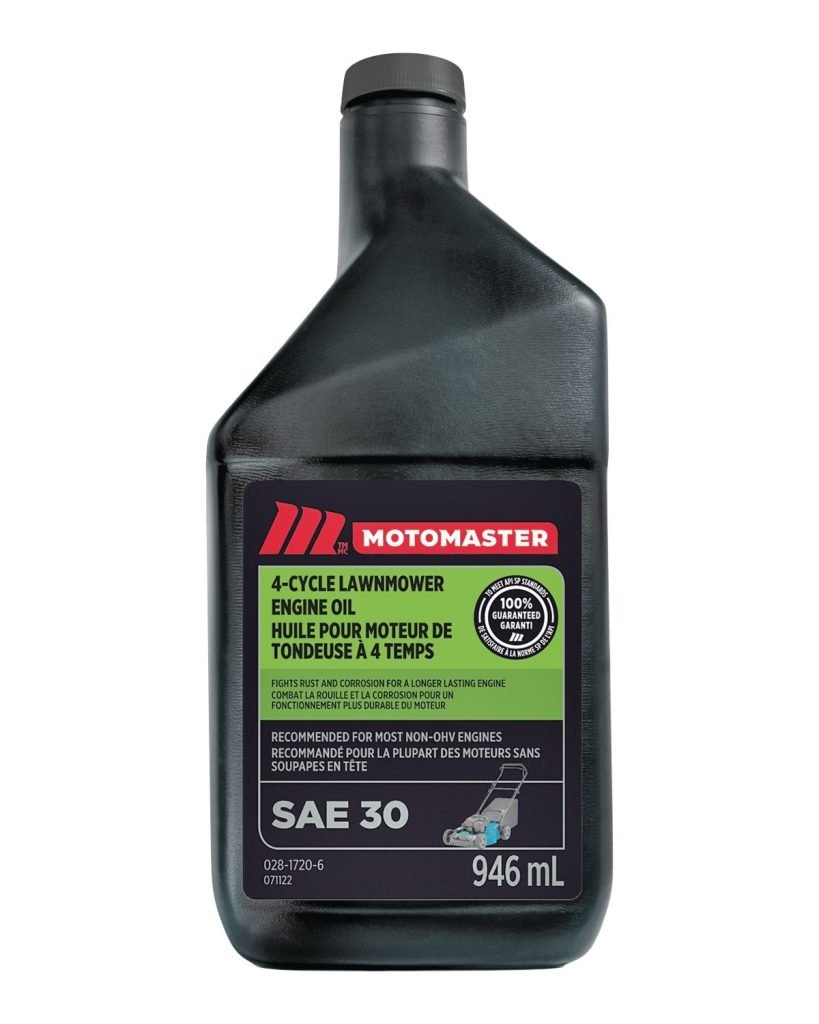
Ever stood in front of your lawn mower, oil in hand, wondering if you’re about to make the right choice? You’re not alone.
Choosing the right oil for your lawn mower might seem like a small decision, but it plays a big role in keeping your machine running smoothly. Using the wrong type can lead to engine trouble, costly repairs, and frustration. You want your lawn mower to perform at its best every time you fire it up, and the right oil is key to achieving that.
You’ll discover exactly what type of oil you should be using for your lawn mower, ensuring longevity and optimal performance. Keep reading to make sure you’re making the best choice for your trusty grass-cutting companion!
Choosing The Right Oil
Choosing the right oil for your lawn mower is key to keeping it running smoothly. The right oil protects the engine and extends its life. It also helps your mower perform well in different weather conditions. Knowing which oil to use is simple when you understand the basics.
Types Of Lawn Mower Oil
Lawn mower oils come in several types. The most common are:
- Single-grade oils – These have a fixed thickness and work well in steady temperatures.
- Multi-grade oils – These adjust their thickness based on temperature, offering better protection.
- Detergent oils – Help keep the engine clean by preventing sludge build-up.
Choosing the right type depends on your mower model and local climate.
Synthetic Vs Conventional Oil
Synthetic oils are made with refined chemicals. They offer better engine protection and last longer. Conventional oils come from crude oil and are less expensive. Synthetic oil is better for extreme temperatures and heavy use. Conventional oil works fine for regular mowing in mild weather. Check your mower’s manual for oil recommendations.
Oil Viscosity Explained
Viscosity means how thick or thin the oil is. It affects how well oil flows in the engine. Common viscosity ratings for lawn mowers include 5W-30 and 10W-30. The first number with “W” shows the oil’s flow in cold temperatures. The second number shows its flow when hot.
Lower numbers mean thinner oil, better for cold starts. Higher numbers mean thicker oil, better for hot engines. Choose the viscosity that suits your climate and mower type for the best results.

Credit: lawnsmartkc.com
Checking Your Lawn Mower Manual
Before pouring any oil into your lawn mower, the first place you should check is the manual. This booklet holds the key to understanding exactly what your machine needs. Skipping this step can lead to using the wrong oil, which might harm your mower’s engine over time.
Manufacturer Recommendations
Every lawn mower model is different, and manufacturers know their engines best. Your manual will specify the type and grade of oil that suits your mower perfectly.
Some mowers require synthetic oil, while others work fine with conventional oil. Using the recommended oil improves engine performance and extends its life.
Have you ever tried using a different oil type just to save money? The manual can save you from costly mistakes by guiding you to the right choice.
Oil Capacity And Change Intervals
The manual also tells you how much oil your mower needs. Overfilling or underfilling can cause engine problems or reduce efficiency.
It provides the exact capacity in quarts or liters, so you know the precise amount to add. This helps avoid mess and mechanical issues.
Besides capacity, the manual states how often you should change the oil. Regular oil changes keep your mower running smoothly and prevent engine wear.
Ignoring these intervals can shorten your mower’s lifespan. Wouldn’t you prefer to avoid unexpected breakdowns by following this simple advice?
When To Change Lawn Mower Oil
Changing the oil in your lawn mower is crucial for keeping its engine running smoothly. Knowing the right time to change the oil can save you from costly repairs and extend the life of your mower. But how do you tell when your lawn mower’s oil needs a refresh?
Signs Your Oil Needs Changing
Check the oil color regularly. Fresh oil is usually clear or light amber, but if it looks dark or dirty, it’s time for a change.
Have you noticed your mower running rough or stalling? Old oil can cause poor engine performance and overheating.
Also, if the oil level drops quickly or if you see smoke coming from the exhaust, these are clear signs that your mower needs fresh oil.
Seasonal Oil Change Tips
Changing your lawn mower oil at the start of each mowing season is a smart move. It ensures your mower runs efficiently when you need it most.
Before storing your mower for winter, change the oil to prevent moisture buildup and corrosion inside the engine.
Use the oil type recommended by your mower’s manufacturer. This detail matters more than you might think for optimal engine health.

Credit: www.youtube.com
How To Change Lawn Mower Oil
Changing the oil in your lawn mower is essential to keep the engine running smoothly and extend its life. Regular oil changes prevent dirt and debris buildup that can cause costly damage. Knowing how to do this yourself saves money and gives you confidence in your mower’s maintenance.
Tools And Materials Needed
- Fresh lawn mower oil (check your owner’s manual for the right type)
- Oil drain pan or container
- Socket wrench or screwdriver (depending on your mower’s drain plug)
- Clean rag or paper towels
- Funnel for pouring new oil
- Gloves to keep your hands clean
- Owner’s manual for specific instructions and oil capacity
Step-by-step Oil Change Guide
Start by warming up your mower for a few minutes to thin the oil, making it easier to drain. Turn off the mower and disconnect the spark plug wire to avoid accidental starts.
Place the oil drain pan under the drain plug or oil cap. Remove the plug carefully with the wrench or unscrew the oil cap if your mower doesn’t have a drain plug. Let all the old oil drain out completely.
Once drained, replace and tighten the drain plug securely. Use the funnel to pour the new oil into the oil fill hole. Check the oil level with the dipstick to avoid overfilling—it should be between the “full” and “add” marks.
Reconnect the spark plug wire and clean any oil spills. How often have you put off this simple task, only to face engine troubles later? Staying on top of oil changes keeps your mower ready for action.
Proper Disposal Of Old Oil
Never pour old oil down the drain or onto the ground. It’s harmful to the environment and illegal in many areas. Instead, store the used oil in a sealed container and take it to a recycling center or an auto parts store that accepts used oil.
Some local waste facilities also offer oil recycling programs. Taking this step ensures you’re protecting your lawn and community while maintaining your mower responsibly.
Common Mistakes To Avoid
Choosing the right oil for your lawn mower is crucial. Mistakes with oil can harm the engine and reduce mower life. Avoiding common errors keeps your mower running smoothly and efficiently.
Overfilling Or Underfilling Oil
Too much oil causes engine damage. It can lead to smoke and poor performance. Too little oil causes overheating and wear. Always fill oil to the correct level. Check the dipstick to get it just right.
Using Wrong Oil Type
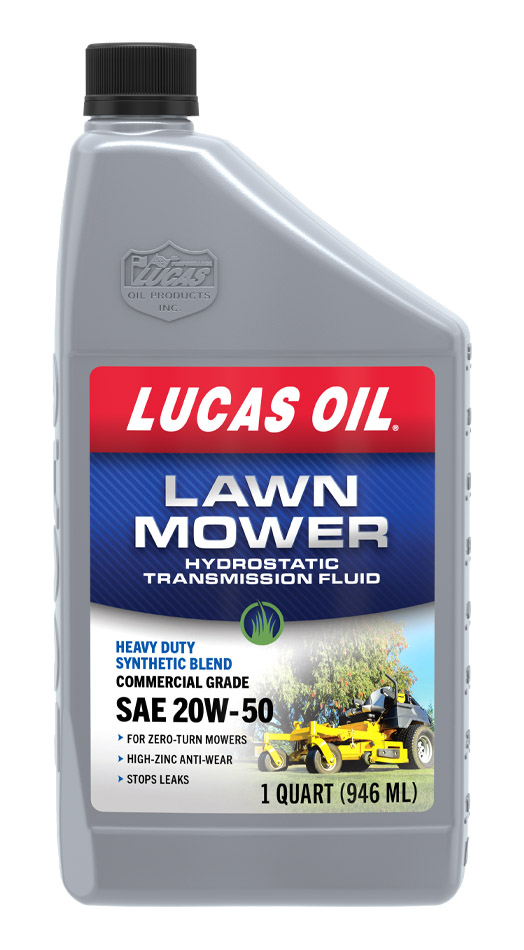
Using the wrong oil type can harm the engine. Lawn mowers usually need specific oil grades. Check the owner’s manual for the right kind. Using car engine oil or other types can cause problems.
Skipping Regular Oil Checks
Not checking oil regularly risks engine damage. Oil level drops with use and leaks. Regular checks ensure the engine has enough oil. Change the oil as recommended to keep it clean and effective.
Credit: www.lucasoil.com
Enhancing Lawn Mower Performance
Enhancing your lawn mower’s performance starts with the right oil and good care habits. The oil you choose affects how smoothly the engine runs and how long it lasts. Let’s look at ways to keep your mower running at its best.
Using Oil Additives
Oil additives can improve your mower’s engine by reducing friction and preventing wear. Some additives also help keep the engine clean by stopping sludge buildup. However, not all additives are made equal, so be careful to pick ones that are compatible with your mower’s oil type.
Have you ever noticed your mower running hotter or louder than usual? Adding a high-quality oil additive might solve that problem by enhancing lubrication and cooling. Just remember to follow the manufacturer’s instructions to avoid damaging your engine.
Regular Maintenance Tips
Regular maintenance is key to maximizing your lawn mower’s life and performance. Changing the oil at least once a season keeps the engine clean and running smoothly.
- Check the oil level before every use to avoid running low, which can cause damage.
- Replace the air filter regularly to ensure proper air flow and fuel efficiency.
- Keep the mower blades sharp to reduce engine strain and improve cutting quality.
Do you track your mower’s maintenance schedule? Setting reminders can help you stay consistent and catch small problems before they grow. Small steps like these make a huge difference in performance and reliability.
Frequently Asked Questions
What Type Of Oil Is Best For Lawn Mowers?
The best oil for lawn mowers is SAE 30 for warm weather. Use 10W-30 if it’s cooler. Check your manual for specific recommendations.
How Often Should You Change Lawn Mower Oil?
Change lawn mower oil after every 25 hours of use or at least once a season. Regular changes keep the engine running smoothly.
Can You Use Automotive Oil In Lawn Mowers?
Yes, you can use automotive oil like 10W-30 in lawn mowers. Make sure it meets the mower’s specifications for best performance.
Why Is Using The Correct Oil Important?
Using the correct oil prevents engine wear and overheating. It ensures better engine performance and longer mower life.
Conclusion
Choosing the right oil keeps your lawn mower running smooth. Use the oil type recommended by the mower’s manual. Regular oil changes help prevent engine damage and improve performance. Check oil levels before each use to avoid problems. Clean oil means a longer-lasting, stronger mower.
Taking care of your mower saves time and money. A little effort goes a long way. Keep your lawn mower healthy with proper oil care. Simple steps make mowing easier and more reliable.





