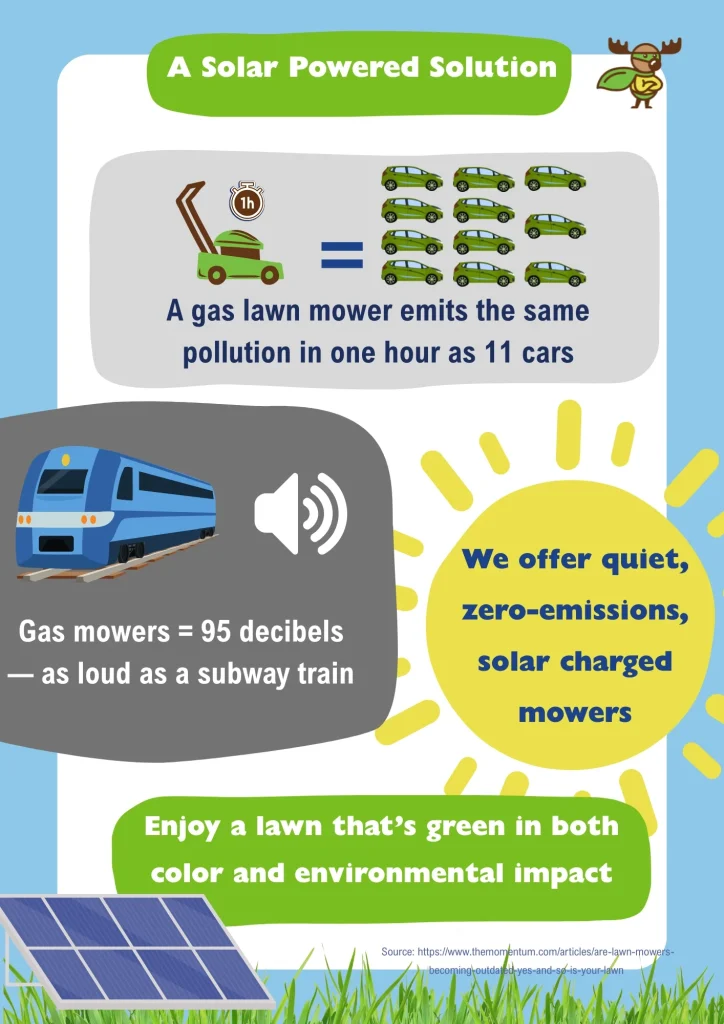
Are you trying to make your lawn eco-friendly but worry about making mistakes? Eco mowing is a great way to help the environment and keep your yard healthy.
However, there are common errors that could harm your efforts without you even realizing it. If you want to protect your plants, save water, and support local wildlife, you need to know what NOT to do. Keep reading to discover the key mistakes to avoid so your eco mowing truly makes a difference.
Your lawn—and the planet—will thank you.

Credit: getlawnbright.com
Skip Overgrowth Control
Skipping overgrowth control harms eco mowing efforts. Letting plants grow unchecked reduces biodiversity and invites pests. Regular trimming keeps habitats healthy and balanced.
Dangers Of Neglecting Weeds
Ignoring weed controlcan cause many problems. Weeds compete with grass and plants for water and nutrients. They can spread quickly and take over the lawn. This reduces the health and beautyof your grass. Some weeds may also attract pests or cause allergies. Overgrowth makes mowing difficult and less effective. It can also hide harmful insects or animals. Controlling weeds early helps keep your lawn strong and safe.
Balancing Growth And Biodiversity
Good eco mowing means balancing grass growthwith nature. Letting some wild plants grow helps insects and birds. These plants improve biodiversityand make your garden a healthy place. But too much growth can harm the grass and create problems. Mowing at the right time and height keeps this balance. It protects the environment while keeping your lawn tidy and green.
Ignore Seasonal Timing
Ignoring seasonal timingcan harm wildlife habitatsin your eco lawn. Many animals and insects depend on the natural cycles of grass and plants. Mowing during their nesting or breeding seasons can disturb or destroy homes. This reduces the number of birds, bees, and other helpful creatures.
Choosing the right mowing season is key to protect the ecosystem. Early spring and late fall are often the best times. Grass grows slower, and animals are less active. Avoid mowing during summer when many creatures raise their young.
| Season | Impact on Eco Lawns | Best Practice |
|---|---|---|
| Early Spring | Grass starts growing; some wildlife wakes up | Mow lightly to encourage growth |
| Summer | Animals nest and raise young | Avoid mowing to protect habitats |
| Late Fall | Grass slows; animals prepare for winter | Mow to clear dead grass before winter |
Use Excessive Chemicals
Using too many chemicalscan hurt the soil. It kills helpful bugs and worms. The soil loses its power to grow healthy grass and plants. Chemicals can also wash away, polluting nearby water.
Choose safer ways to keep your lawn healthy. Try these:
- Use natural compost to feed the soil.
- Water the grass at cooler times of the day.
- Pull weeds by hand instead of spraying chemicals.
- Plant grass types that need less care and water.
Cut Grass Too Short
Grass that is cut too short can suffer. It places stresson the plants. The roots become weak. The soil can dry out faster. This affects the ecosystem. Insects and small animals lose their home. The grass struggles to grow back healthy. A stressed lawn invites weedsand diseases.
Keep grass at the right height. This helps it stay strong. Grass should be around 3 inches tall. This height helps retain moisture. It also shades the soil. Taller grass keeps roots healthy. Healthy roots mean a happy lawn. A happy lawn supports a better ecosystem.
Mow Too Frequently
Mowing too often can harm pollinatorslike bees and butterflies. These insects need flowers to gather food. Cutting grass too much removes their food sources and shelter. This lowers their numbers and affects plant growth.
Pollinators help plants make seeds. Without them, many plants struggle to grow. Leaving some areas unmowed for longer helps pollinators thrive.
- Set a mowing schedule based on plant growth.
- Leave some wildflowers and tall grass patches.
- Mow less often in spring and summer.
- Check weather and soil conditions before mowing.
| Frequency | Effect on Pollinators |
|---|---|
| Weekly | Removes flowers, reduces food and shelter |
| Biweekly | Allows some flowers to bloom, better for insects |
| Monthly or less | Supports healthy pollinator habitat and plant growth |
Neglect Equipment Maintenance
Neglecting equipment maintenance can lead to inefficient eco mowing. Regular checks ensure tools function well and last longer. Dirty or dull blades harm grass and waste energy. Prioritize upkeep to maintain a healthy lawn and reduce environmental impact.
Environmental Impact Of Poor Tools
Using dull or dirty mower blades wastes energy. It increases fuel use and emissions. Poorly maintained engines leak oil and fuel, harming soil and water. Broken parts cause noise pollution. They also reduce mower lifespan, creating more waste.
Tips For Eco-friendly Equipment Care
- Clean mower blades and filters regularly.
- Sharpen blades to cut grass efficiently.
- Check oil and fuel levels often.
- Fix leaks immediately to avoid spills.
- Use eco-friendly oils and fuels if possible.
- Store equipment in a dry, safe place.
- Schedule regular professional maintenance.
Overlook Wildlife Considerations
Protecting wildlife is key in eco mowing. Avoid cutting during bird nesting seasons. Nesting sites often hide in tall grass or shrubs. Disturbing them harms baby birds and eggs. Mark these areas clearly to keep them safe.
Beneficial insects like bees and butterflies need space too. Leave patches of wildflowers and undisturbed plants. These insects help pollinate and keep gardens healthy.
- Check for nests before mowing
- Keep some areas unmowed for insects
- Avoid mowing early morning or late evening
- Use gentle mowing techniques near wildlife zones
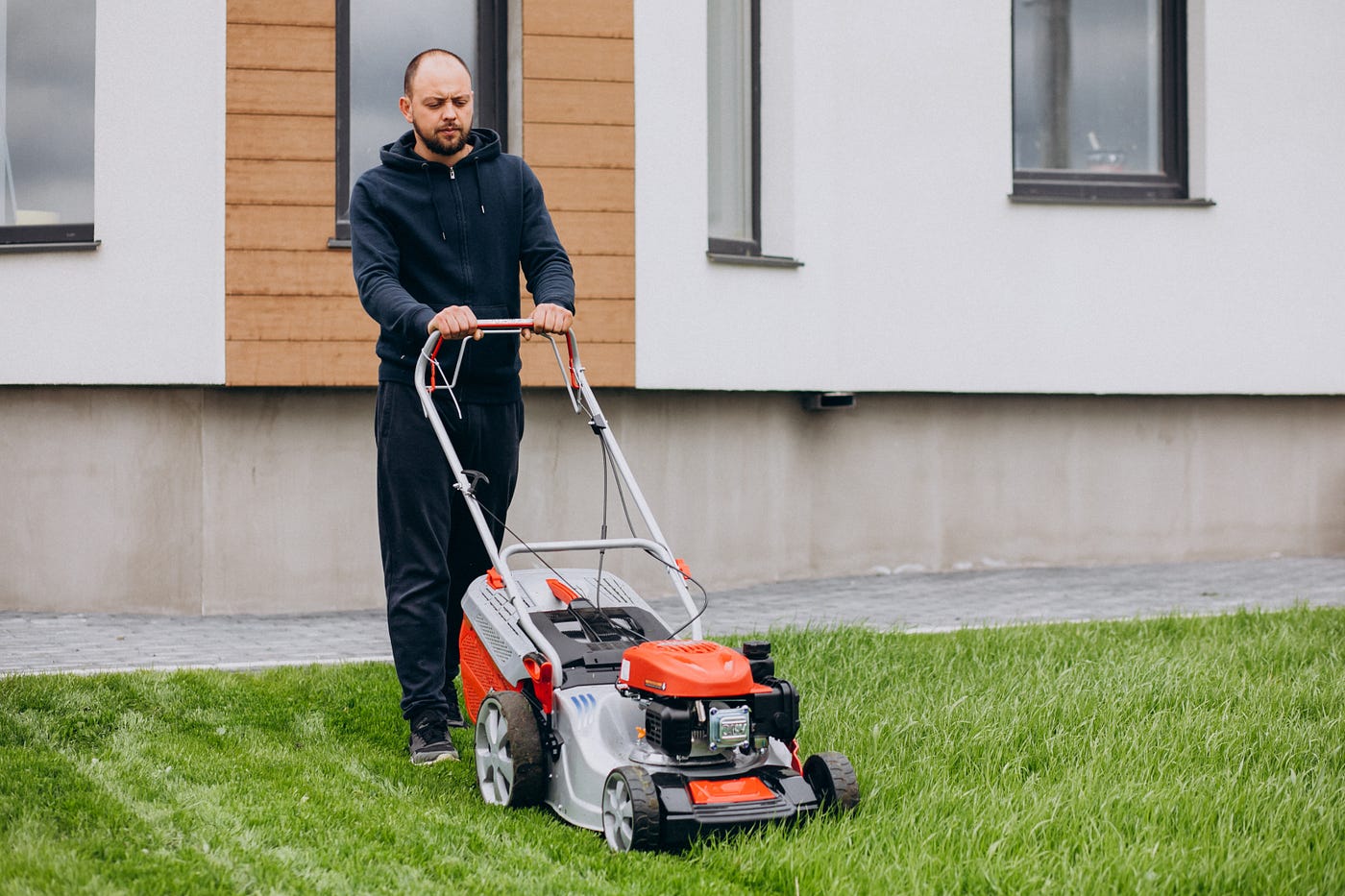
Credit: medium.com
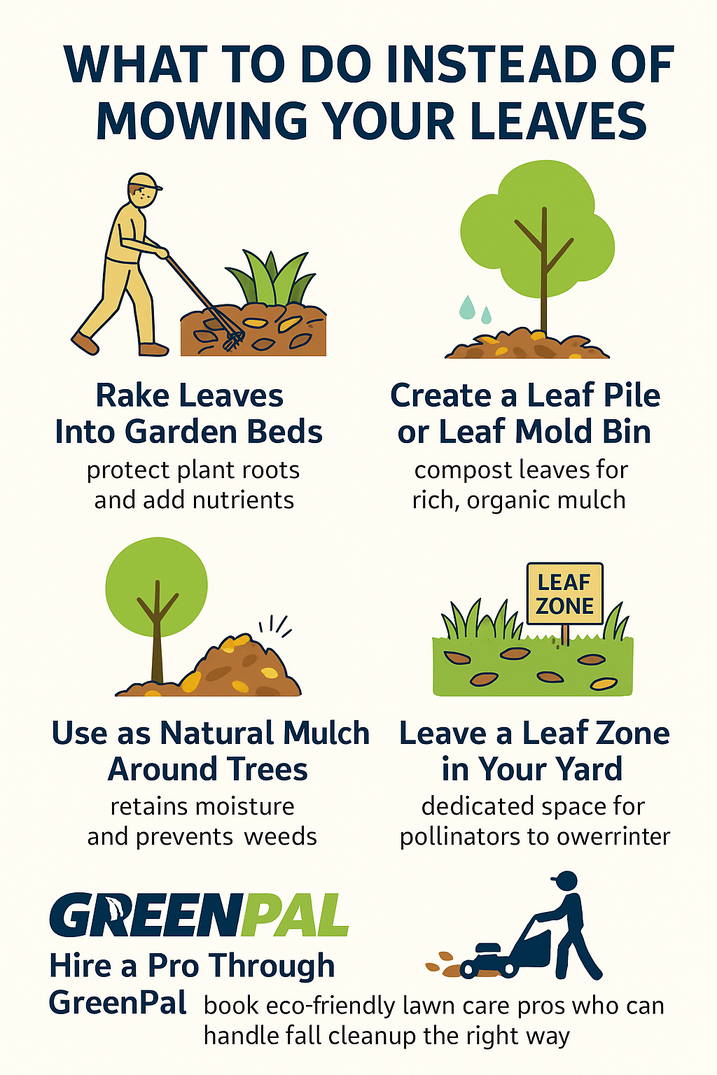
Credit: www.yourgreenpal.com
Frequently Asked Questions
What Common Mistakes Should Be Avoided In Eco Mowing?
Avoid cutting grass too short, overusing chemical fertilizers, and mowing when the ground is wet. These harm soil health and biodiversity. Maintain proper mower height and timing for a greener lawn.
Why Is Over-fertilizing Bad In Eco Mowing?
Over-fertilizing causes nutrient runoff, pollutes water, and damages beneficial soil organisms. Eco mowing favors natural soil nutrition, reducing reliance on chemicals for a sustainable lawn.
How Does Mowing Wet Grass Affect Eco Mowing?
Mowing wet grass compacts soil and spreads diseases. It also damages grass blades, reducing lawn health. Always mow when grass is dry to protect your eco-friendly yard.
Should I Remove Grass Clippings In Eco Mowing?
No, leaving clippings returns nutrients to the soil, improving fertility naturally. Clippings help retain moisture and promote healthier grass growth, supporting eco-friendly lawn care.
Conclusion
Avoid cutting grass too short to keep your lawn healthy. Do not mow when the ground is wet; it damages soil. Avoid using harmful chemicals that can hurt plants and animals. Never ignore the importance of sharpening mower blades regularly.
Remember, eco mowing helps nature and saves water. Small changes make a big difference in your garden. Stay mindful and protect the environment while mowing. Your lawn and wildlife will thank you for it.





