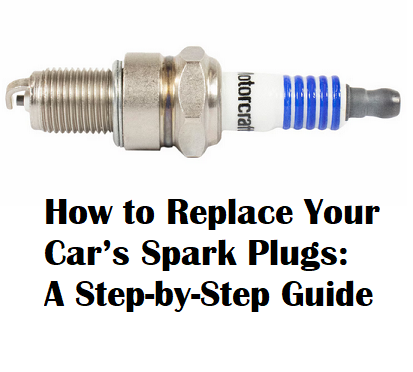
Are you finding yourself a bit puzzled about which spark plugs are the best fit for your vehicle? You’re not alone.
Choosing the right spark plugs can be a daunting task, especially with the myriad of options available on the market. But don’t worry—understanding what kind of spark plugs you need doesn’t have to be complicated. We’ll simplify the process for you, offering clear insights and practical advice to ensure your engine runs smoothly and efficiently.
Discover the key factors that will help you make an informed decision, and say goodbye to the confusion. Your engine’s performance depends on it! Keep reading to unlock the secrets to a smoother ride.

Credit: www.124spider.org
Types Of Spark Plugs
Choosing the right spark plug can make a big difference in how your engine runs. Different types of spark plugs offer various benefits depending on your vehicle’s needs and driving habits. Understanding these types helps you pick the one that fits your car and driving style best.
Copper Spark Plugs
Copper spark plugs have a solid copper core that conducts electricity well. They are usually the most affordable option and provide excellent performance for older vehicles or those with low-tech ignition systems.
However, copper plugs wear out faster than others, often needing replacement after 20,000 to 30,000 miles. If you want a budget-friendly option and don’t mind replacing plugs more often, copper might work for you.
Platinum Spark Plugs
Platinum spark plugs last longer than copper ones due to their durable platinum coating. This type handles heat better and resists wear, making it a good choice for modern engines.
They tend to cost more but offer a longer lifespan, often lasting up to 60,000 miles. Are you looking for a balance between cost and durability? Platinum plugs could be your answer.
Iridium Spark Plugs
Iridium spark plugs are known for their exceptional durability and performance. Iridium is harder and melts at a higher temperature than platinum, allowing for a thinner electrode that improves ignition efficiency.
Though more expensive, iridium plugs can last over 100,000 miles, making them ideal if you want fewer replacements and better fuel economy. Do you value long-term savings and smoother starts? Iridium plugs may be worth the investment.
Double Platinum And Double Iridium
Double platinum and double iridium spark plugs have precious metal on both the center and ground electrodes. This design increases durability and ensures consistent performance over time.
They are typically used in distributor-less ignition systems and high-performance engines. If your vehicle demands top-notch reliability and you want to minimize maintenance, these plugs deserve a look.
Factors Influencing Spark Plug Choice
Choosing the right spark plugs is not just about size or price. Several factors affect which spark plug fits best in your vehicle. Understanding these factors helps improve engine performance and fuel efficiency. It also ensures your engine runs smoothly without damage.
Engine Type And Design
Different engines need different spark plugs. Some engines use standard plugs, while others require iridium or platinum. Engine design influences the spark plug gap and heat tolerance. High-performance engines often need plugs that withstand higher stress. Always check your vehicle’s manual for recommended spark plug types.
Driving Conditions
Driving style impacts spark plug choice. Short trips cause more deposits on plugs. Long highway drives need plugs that handle continuous heat well. Off-road or dusty environments may need plugs that resist fouling. Consider your typical driving habits before selecting spark plugs.
Fuel Type Compatibility
Spark plugs must match the fuel your engine uses. Gasoline engines have different requirements than LPG or ethanol blends. Some plugs are designed to work better with alternative fuels. Using the correct spark plug ensures proper combustion and reduces emissions.
Heat Range Importance
The heat range measures a spark plug’s ability to dissipate heat. A plug too hot can cause engine knocking. A plug too cold may foul quickly. Correct heat range keeps the engine temperature stable. Match the heat range to your engine and driving style for best results.
Signs You Need New Spark Plugs
Knowing when to replace your spark plugs can save you from costly repairs and keep your car running smoothly. Spark plugs play a crucial role in igniting the fuel-air mixture in your engine. If they wear out or fail, your vehicle will show clear signs that it’s time for new ones.
Engine Misfires
Have you ever felt your car hesitate or jerk while driving? Engine misfires are a common symptom of worn-out spark plugs. When a spark plug fails to ignite properly, the engine struggles to maintain a consistent combustion cycle, causing that noticeable stutter or loss of power.
This issue can lead to further damage if ignored. Paying attention to misfires early can save you from more extensive engine problems.
Poor Fuel Economy
Is your fuel gauge dropping faster than usual? Old or damaged spark plugs can cause incomplete combustion, which wastes fuel. Your engine has to work harder, burning more gas to maintain performance.
Tracking your mileage closely can help you spot this problem. If you see a sudden drop in fuel efficiency, it might be time to check your spark plugs.
Difficulty Starting
Does your car take longer to start or require multiple attempts? Worn spark plugs struggle to create the spark needed to ignite the fuel-air mixture at startup. This can leave you frustrated, especially on cold mornings.
Replacing spark plugs can restore quick and reliable starts. Don’t ignore this sign, or you might find yourself stranded unexpectedly.
Rough Idling
Have you noticed your engine shaking or running unevenly when stopped? Rough idling often points to spark plugs that no longer fire consistently. This uneven combustion causes vibrations you can feel inside the car.
Regularly monitoring your engine’s idle smoothness helps catch spark plug issues early. Fixing this can improve your driving comfort significantly.

Credit: craigscarcare.com
How To Select The Right Spark Plug
Selecting the right spark plug is vital for your engine’s performance and fuel efficiency. The correct spark plug ensures smooth starts, steady idling, and better power. Choosing the wrong type can cause misfires, poor fuel economy, and damage. Several factors must be considered to find the perfect spark plug for your vehicle.
Consulting The Owner’s Manual
The owner’s manual is the best source for spark plug information. It lists the exact type recommended by the manufacturer. This includes the spark plug size, heat range, and gap measurements. Following the manual helps avoid compatibility problems and engine damage.
Matching Heat Range
Heat range shows how well the spark plug handles temperature. It must match your engine’s needs to prevent fouling or overheating. A plug too hot wears quickly, while one too cold causes carbon buildup. Choose a heat range suited for your driving style and engine type.
Gap Size And Adjustment
The gap is the space between the electrodes where sparks jump. Correct gap size is critical for proper ignition. Manufacturers provide recommended gap measurements in the manual. Some spark plugs come pre-gapped, but checking and adjusting is smart. Use a feeler gauge to measure and set the gap.
Brand And Quality Considerations
Quality spark plugs last longer and perform better. Opt for trusted brands known for durability and reliability. Cheap plugs may save money upfront but cause frequent replacements. Look for plugs with good reviews and OEM (original equipment manufacturer) approval. Investing in quality supports engine health and efficiency.
Installation Tips For Optimal Performance
Installing spark plugs correctly ensures your engine runs smoothly and lasts longer. Small mistakes during installation can cause poor performance and damage. Focus on these key areas to get the best results from your spark plugs.
Proper Torque Application
Use a torque wrench to tighten spark plugs to the manufacturer’s specs. Too tight can damage the threads or the plug itself. Too loose can cause poor compression and misfires. Follow the recommended torque values for your vehicle model.
Correct Gap Setting
Check the spark plug gap with a feeler gauge before installation. The gap affects the spark strength and fuel efficiency. Adjust the gap carefully if needed. Use the gap size specified in your vehicle manual for best results.
Using Anti-seize Compound
Apply a small amount of anti-seize compound on the spark plug threads. This helps prevent the plugs from sticking in the cylinder head. Avoid using too much to prevent inaccurate torque readings. Only use anti-seize if your spark plugs do not come pre-coated.
Replacing Spark Plug Wires
Inspect spark plug wires for cracks or wear. Replace old or damaged wires to ensure a strong spark. Connect wires firmly to the spark plugs and ignition coil. Proper wire condition improves ignition and engine performance.
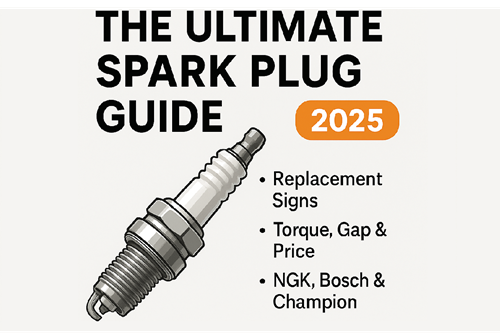
Credit: modernautoparts.co.za
Maintenance And Longevity
Maintaining spark plugs extends their life and keeps engines running smoothly. Proper care helps avoid costly repairs and improves fuel efficiency. Knowing how to clean, inspect, and replace spark plugs is essential for every vehicle owner.
Cleaning Spark Plugs
Remove dirt and carbon buildup gently using a wire brush. Avoid harsh chemicals that can damage the plug. Clean the spark plug carefully to prevent wear. Dry it completely before reinstalling to ensure proper function.
When To Replace
Replace spark plugs if they show signs of wear or damage. Look for cracks, heavy deposits, or worn electrodes. Follow the vehicle manufacturer’s recommended replacement interval. Replacing spark plugs on time prevents engine misfires and poor performance.
Impact Of Driving Habits
Frequent short trips may cause spark plugs to wear faster. Hard acceleration and stop-and-go traffic also increase wear. Gentle driving and regular highway trips help spark plugs last longer. Adjust driving habits to protect spark plug health.
Regular Inspection
Check spark plugs every 20,000 to 30,000 miles or as suggested. Use a flashlight to inspect for damage or buildup. Regular inspections catch problems early before they worsen. Keep a record of spark plug conditions for maintenance tracking.
Frequently Asked Questions
What Types Of Spark Plugs Are Best For My Car?
The best spark plugs depend on your car’s make, model, and engine type. Common types include copper, platinum, and iridium. Iridium spark plugs are durable and provide better performance. Always check your owner’s manual for the manufacturer’s recommended type to ensure optimal engine efficiency.
How Often Should I Replace Spark Plugs?
Typically, spark plugs should be replaced every 30,000 to 100,000 miles. The exact interval depends on the spark plug type and driving conditions. Iridium plugs last longer, while copper plugs may require more frequent changes. Regular replacement ensures smooth engine performance and better fuel economy.
Can I Use Any Spark Plug Brand For My Vehicle?
Not all spark plug brands fit every vehicle. Choose spark plugs that meet your car’s specifications and quality standards. OEM (Original Equipment Manufacturer) plugs are recommended for compatibility and reliability. Always verify fitment and heat range to avoid engine damage and performance issues.
What Happens If I Use The Wrong Spark Plugs?
Using incorrect spark plugs can cause misfires, poor fuel economy, and engine damage. Wrong heat range plugs may overheat or foul quickly. This affects engine efficiency and emissions. Always follow your vehicle’s manual to select the proper spark plugs for safe, efficient operation.
Conclusion
Choosing the right spark plugs helps your engine run smooth and strong. Different cars need different plugs for best performance. Check your vehicle’s manual or ask an expert to find the correct type. Using the right spark plugs saves fuel and reduces engine problems.
Keep them clean and replace them on time for long-lasting results. Simple steps like these improve your car’s life and driving experience. Trust your car’s needs and make smart choices. Spark plugs matter more than you think.





