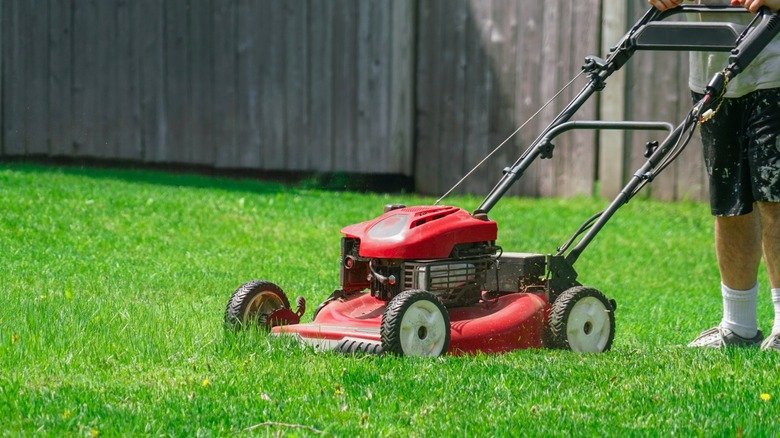
Are you ready to tackle your lawn care like a pro? If you’re wondering what kind of gas your lawn mower needs, you’re not alone.
Choosing the right fuel is crucial for keeping your mower running smoothly and efficiently. The wrong gas can lead to frustrating engine problems and costly repairs. By understanding the basics of lawn mower fuel, you can ensure a healthy, lush lawn without the hassle.
Stick around to discover the best type of gas for your mower and learn tips that will save you time, money, and stress. Ready to fuel your lawn care knowledge? Let’s dive in!
Types Of Lawn Mower Engines
Understanding the types of lawn mower engines helps you choose the right tool for your yard. Each engine type has its strengths and limitations based on power, convenience, and environmental impact. Knowing these differences can save you time, money, and effort while maintaining your lawn.
Gas-powered Mowers
Gas-powered mowers are the traditional choice for many homeowners. They typically use either a 2-stroke or 4-stroke engine, with 4-stroke engines being more common due to better fuel efficiency and less smoke.
These mowers run on regular unleaded gasoline, but some models require a specific fuel mixture. It’s crucial to check your mower’s manual to avoid engine damage.
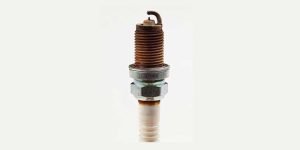
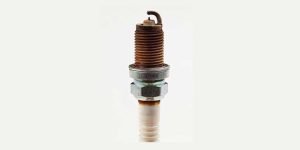
One advantage is their strong cutting power, which works well on thick or tall grass. However, they can be noisy and require regular maintenance like oil changes and spark plug checks.
Electric And Battery Alternatives
Electric mowers come in corded or battery-powered versions, offering a cleaner and quieter experience. Battery mowers use rechargeable lithium-ion batteries, providing good mobility without the hassle of cords or fuel.
While electric mowers may lack the raw power of gas models, they’re ideal for small to medium lawns. Charging time and battery life are important factors to consider before buying.
Have you thought about how often you’d mow and how far your power outlet is from your yard? These details impact whether an electric or battery mower fits your lifestyle better than a gas-powered one.
Common Fuels For Gas-powered Mowers
Choosing the right fuel for your gas-powered lawn mower can directly affect its performance and lifespan. Different types of gasoline offer varying benefits and drawbacks, so understanding what each fuel type means for your mower is essential. Let’s break down the common fuels you’ll encounter and what they mean for your lawn care routine.
Regular Unleaded Gasoline
Most lawn mowers are designed to run efficiently on regular unleaded gasoline with an octane rating of 87. This type of gas is widely available and cost-effective, making it a popular choice for everyday mowing tasks.
Using regular unleaded gas keeps your mower running smoothly without unnecessary expense. However, ensure the gas is fresh; stale fuel can cause starting problems and reduce engine life. How often do you check the fuel quality before mowing?
Ethanol-blended Fuels
Ethanol blends like E10 (10% ethanol) are common at gas stations and are generally safe for lawn mowers. Ethanol helps reduce emissions but can absorb moisture, leading to potential engine issues if the mower sits unused for long periods.
If you store your mower over winter, consider using a fuel stabilizer to prevent ethanol-related damage. Have you ever experienced trouble starting your mower after a season of storage? Ethanol might be the culprit.
Premium Gasoline
Premium gasoline has a higher octane rating, usually 91 or above, which is often recommended for high-performance engines. However, most standard lawn mowers do not require premium fuel and won’t benefit from it.
Using premium gas in a mower designed for regular unleaded can be an unnecessary expense without noticeable performance gains. If your mower’s manual doesn’t specify premium fuel, saving money with regular gasoline is usually the smarter choice.
Two-stroke Vs Four-stroke Engines
Choosing between two-stroke and four-stroke engines for your lawn mower affects not just performance but also how you handle fuel. Understanding the fuel types each engine needs can save you time, money, and frustration. Let’s break down the differences clearly so you can make the best choice for your mower and your yard.
Fuel Requirements For Two-stroke Engines
Two-stroke engines require a mix of gasoline and oil. This mixture lubricates the engine parts as it runs, which is why you can’t just pour plain gas into these mowers. Usually, the ratio is around 50:1 or 40:1, meaning 50 parts gasoline to 1 part oil.
Mixing the fuel yourself can feel tricky at first. I once overestimated the oil and ended up with smoky exhaust that made me wonder if the mower was on fire! Getting the ratio right is key to avoid engine damage and keep your mower running smoothly.
Two-stroke engines tend to use regular unleaded gasoline, but you should always check your mower’s manual. Using ethanol-free gas can help prevent clogging and prolong engine life, especially if you don’t mow often.
Fuel Needs For Four-stroke Engines
Four-stroke engines use plain gasoline without any oil mixed in. They have a separate oil reservoir to keep the engine lubricated, just like a car. This makes fueling simpler and less messy for you.
Most four-stroke mowers run well on regular unleaded gasoline with up to 10% ethanol. However, if you store your mower for long periods, ethanol-free gas can protect the engine from corrosion and starting issues.
One advantage I noticed with four-stroke mowers is their fuel efficiency and quieter operation. If you want less fuss with fuel mixing and maintenance, a four-stroke mower might be the better fit.
Fuel Mixing And Storage Tips
Handling fuel correctly is key to keeping your lawn mower running smoothly and avoiding costly repairs. Fuel mixing and storage aren’t just chores—they’re vital steps that affect your mower’s performance and lifespan. Knowing the right ratios and how to store fuel safely can save you time and frustration.
Proper Gas And Oil Mixing Ratios
Many small lawn mowers use two-stroke engines that require a mix of gasoline and oil. Using the wrong ratio can cause poor engine performance or damage. Always check your mower’s manual to find the exact ratio, but a common mix is 50:1—meaning 50 parts gasoline to 1 part oil.
Measure carefully using a clean container. Too much oil makes the engine smoky and fouled, while too little oil leads to overheating and wear. If you’re unsure, ask a local expert or your mower’s manufacturer for guidance.
Safe Fuel Storage Practices
Fuel can degrade over time and become unsafe if not stored properly. Store gasoline in approved containers labeled for fuel use, and keep them in a cool, dry place away from direct sunlight and heat sources.
- Never store fuel inside your home or garage where fumes can build up.
- Use fuel stabilizers if you won’t use the gasoline soon—this keeps it fresh longer.
- Always keep the container tightly sealed to prevent spills and evaporation.
Have you ever noticed your mower running rough after sitting unused? It might be due to old or improperly stored fuel. Taking these storage steps can help you avoid that problem and keep your mower ready whenever you need it.
Effects Of Using The Wrong Fuel
Using the wrong type of fuel in your lawn mower can lead to serious problems that affect its lifespan and efficiency. It might seem like a small mistake, but the consequences can be costly and frustrating. Understanding these effects can save you time, money, and the hassle of unexpected repairs.
Engine Damage Risks
Filling your mower with the incorrect fuel can cause severe engine damage. For example, using regular gasoline in a mower designed for a gas-oil mix can lead to inadequate lubrication, causing parts to wear out quickly.
Old or contaminated fuel can clog the carburetor, leading to starting troubles or even complete engine failure. Have you ever tried to start a mower only to hear it sputter and die? That’s often the result of fuel-related engine issues.
Additionally, using fuel with the wrong octane rating can cause knocking or pinging sounds, which stress the engine over time. These knocks might seem minor, but they can crack pistons or damage valves if ignored.
Performance Issues
Using the wrong fuel impacts your mower’s performance immediately. You might notice the engine running rough, producing less power, or stalling unexpectedly. This can make mowing frustrating and inefficient.
Fuel that is not suitable for your mower can also increase emissions and smoke, which is bad for the environment and your health. Have you ever seen black smoke coming from your mower? That’s a clear sign something is wrong with the fuel or combustion process.
Inconsistent fuel quality can cause uneven cutting and leave patches of uncut grass behind. If your lawn looks messy after mowing, checking your fuel type might be a good first step.

Credit: medium.com
Alternative Fuel Options
Looking beyond traditional gasoline, alternative fuel options for lawn mowers offer practical and eco-friendlier ways to power your mower. These fuels can reduce your carbon footprint and sometimes even save you money in the long run. Have you ever considered how switching fuels might change your mowing experience?
Biofuels For Lawn Mowers
Biofuels like ethanol blends and biodiesel are gaining popularity as cleaner alternatives to regular gasoline. They come from renewable sources such as corn, soybeans, or vegetable oils, which means they break down faster and produce fewer pollutants.
Many small engines can run on biofuel blends with minimal or no modifications. However, it’s important to check your mower’s manual because some engines might not be compatible with higher ethanol content.
Using biofuels can also support local farmers and reduce reliance on fossil fuels. Have you thought about the impact your fuel choice has on the environment and local economy?
Propane And Other Alternatives
Propane is another clean-burning option for lawn mowers. It burns more efficiently and produces fewer emissions compared to gasoline.
Some manufacturers now offer propane-powered mowers or conversion kits for existing gas mowers. These options can be cost-effective over time due to propane’s lower price and longer shelf life.
Other alternatives include electric and battery-powered mowers, which eliminate fuel use altogether. While they might not suit everyone’s yard size or mowing habits, they are worth considering if you want to reduce noise and air pollution.
Maintaining Your Mower’s Fuel System
Maintaining your mower’s fuel system keeps it running smoothly and extends its life. Fuel issues can cause poor performance or engine damage. Regular care helps avoid costly repairs and saves time during mowing season.
Cleaning Fuel Lines And Filters
Fuel lines and filters carry gas to the engine. Dirt or debris can clog them and stop fuel flow. Clean fuel lines by removing them and flushing with clean gasoline. Replace filters regularly to ensure fresh fuel reaches the engine. Check for cracks or leaks in fuel lines and replace if needed.
Preventing Fuel Contamination
Fuel contamination harms engine parts and reduces mower life. Use fresh gasoline and avoid old or stale fuel. Store fuel in a clean, sealed container away from heat and sunlight. Add fuel stabilizer if storing mower for long periods. Always drain the fuel tank before winter storage to prevent gum and varnish buildup.

Credit: smonetrobot.com

Credit: powersmartusa.com
Frequently Asked Questions
What Type Of Gas Do Most Lawn Mowers Use?
Most lawn mowers use unleaded gasoline with an octane rating of 87 or higher. This fuel ensures optimal engine performance and longevity. Avoid using gasoline with more than 10% ethanol to prevent engine damage. Always check the mower’s manual for specific fuel recommendations.
Can I Use Regular Gasoline In My Lawn Mower?
Yes, regular unleaded gasoline with an octane rating of 87 is suitable for most lawn mowers. Avoid gasoline blends with high ethanol content, as they can harm small engines. Always use fresh fuel to maintain mower efficiency and prevent starting issues.
Is Premium Gas Necessary For Lawn Mowers?
No, premium gasoline is generally not necessary for lawn mowers. Most engines run efficiently on regular unleaded gas with 87 octane. Using premium fuel usually does not improve performance and can be an unnecessary expense.
What Happens If I Use The Wrong Gas In My Mower?
Using the wrong gas, especially fuel with high ethanol levels, can cause engine damage. It may lead to poor performance, hard starting, and increased wear. Always use the recommended fuel type to keep your mower running smoothly.
Conclusion
Choosing the right gas keeps your lawn mower running well. Regular unleaded gasoline is the best choice for most mowers. Some models need a mix of gas and oil. Always check the owner’s manual before filling the tank. Using the wrong fuel can cause damage and reduce power.
Keep gas fresh and avoid spills for safety. Simple care helps your mower last longer and work better. Now you know what kind of gas lawn mowers use. Take care, and enjoy a neat, green lawn.