Imagine this: it’s a beautiful, sunny day, and you’re ready to tackle your lawn. You pull out your trusty lawn mower, but as you start cutting, you realize something isn’t quite right.
The grass isn’t cutting evenly, and the mower seems to struggle. This is where understanding torque can make all the difference. Torque is a crucial factor that determines the performance of your lawn mower. But what exactly is torque, and why should it matter to you?
Knowing the ins and outs of torque can transform your mowing experience, making it smoother and more efficient. Stay with us as we dive into the world of torque in lawn mowers, and discover how this key concept can help you achieve the perfectly manicured lawn you’ve always wanted. Your grass will thank you!
Torque Basics
Understanding torque is key to choosing the right lawn mower for your yard. It directly affects how well your mower handles tough grass and uneven terrain. Knowing the basics of torque helps you make smarter decisions and get better results from your lawn mower.
Torque Defined
Torque is the force that causes an object to rotate around an axis. In lawn mowers, it’s the twisting force the engine produces to spin the blades. The higher the torque, the more power your mower has to cut thick or tall grass without slowing down.
Think of torque as the muscle behind the blade’s movement. It’s measured in units like pound-feet (lb-ft) or Newton-meters (Nm). A mower with low torque might struggle on dense patches, while one with high torque handles those areas smoothly.
Role In Lawn Mower Performance
Torque affects more than just cutting power—it impacts the mower’s ability to maintain speed and control. If your lawn has hills or thick weeds, a mower with strong torque keeps the blades spinning steadily. This means fewer stalls and less effort on your part.
Have you ever noticed your mower bogging down in tall grass? That’s often a sign of insufficient torque. Choosing a mower with the right torque level makes mowing faster and less frustrating.
- Consistent cutting:High torque keeps blades turning evenly, giving a clean finish.
- Handling tough conditions:Thick grass or slopes require more torque to avoid stalling.
- Longer engine life:Engines running with adequate torque experience less strain.

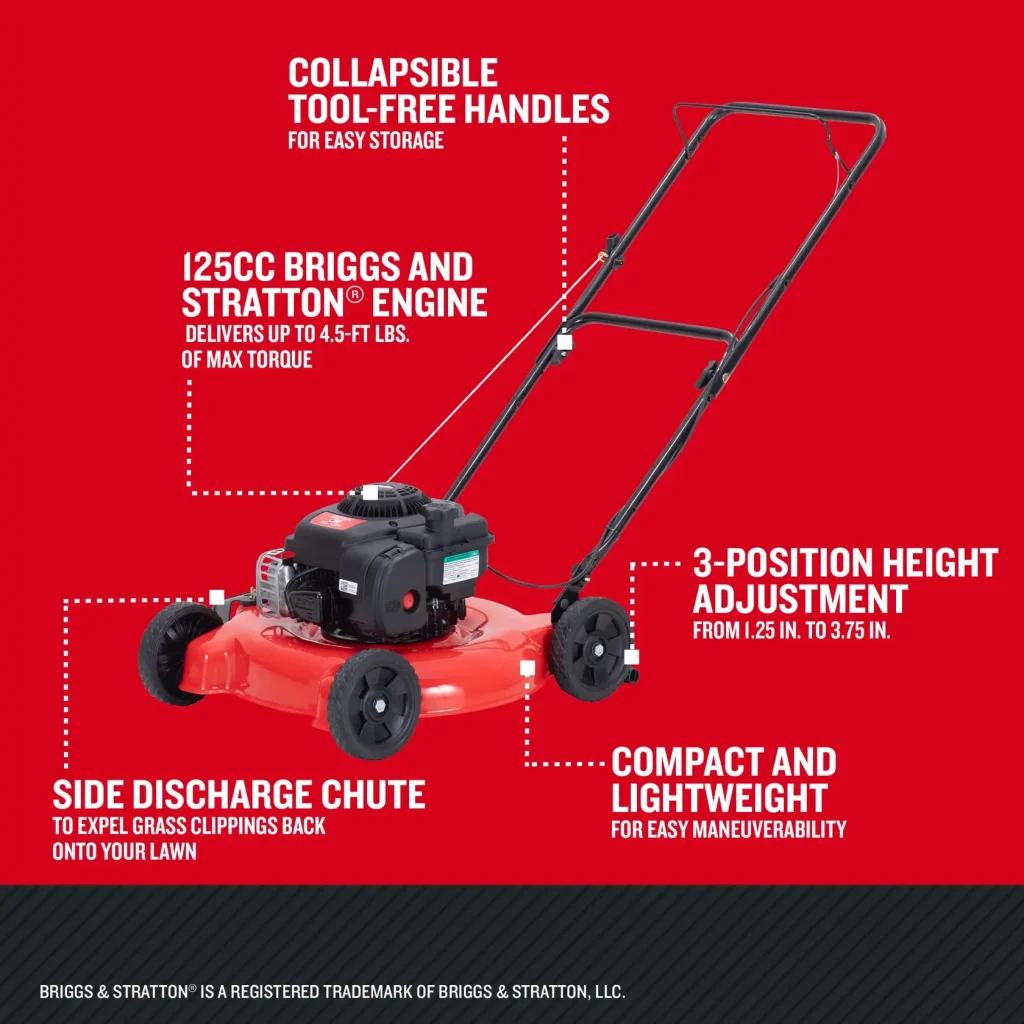
Credit: www.lowes.com
How Torque Affects Lawn Mowers
Torque plays a key role in lawn mower performance. It directly impacts how well the mower cuts grass and handles different terrains. Understanding torque helps you choose the right mower for your yard. It also explains why some mowers work better on thick or tall grass. The power to turn the blades comes from torque. More torque means the mower can handle tougher jobs without slowing down. This section breaks down how torque affects lawn mowers in two main ways.
Cutting Power And Efficiency
Torque determines the strength of the mower’s blade rotation. High torque means blades spin with more force. This force helps blades cut grass cleanly and quickly. Mowers with low torque may struggle with thick or damp grass. The blades can slow down or stall. Strong torque improves cutting speed and reduces the chance of clogging. It also helps maintain a neat, even lawn. Efficient cutting saves time and energy for the user.
Handling Tough Grass And Terrain
Lawns with thick, tall, or wet grass need more torque to cut properly. Torque gives the mower the muscle to push through heavy grass. It also helps on uneven or hilly ground. Higher torque prevents the mower from bogging down or stopping. This makes mowing easier and less tiring. Torque also supports larger blades and wider decks. These can cover more ground in less time. Overall, torque boosts the mower’s ability to tackle challenging lawn conditions.
Measuring Torque In Lawn Mowers
Measuring torque in lawn mowers is key to understanding their power and efficiency. Torque tells you how much rotational force the engine produces, which directly affects how well your mower handles thick grass or uneven terrain. Knowing how to measure and compare torque can help you choose the right mower for your lawn’s needs.
Units And Specifications
Torque is usually measured in Newton-meters (Nm) or pound-feet (lb-ft). These units represent the force applied at a distance from the pivot point—in this case, the mower’s blade or engine shaft.
Manufacturers often list torque specs alongside horsepower, but torque gives a clearer picture of the mower’s ability to cut through tough patches. For example, a mower with 30 Nm of torque can handle thicker grass better than one with 20 Nm, even if their horsepower ratings are similar.
Keep in mind that some specs might be listed as “peak torque,” which is the maximum force the engine can produce briefly, while “rated torque” reflects the steady torque during normal operation.
Comparing Models By Torque
When you compare lawn mowers, look beyond horsepower and focus on torque to find the best fit for your yard. A higher torque rating usually means the mower will perform better on rough or hilly terrain.
Imagine you have two mowers: one with 25 lb-ft torque and another with 35 lb-ft. The one with 35 lb-ft will generally power through thick grass and uneven ground without bogging down.
Also, consider the mower’s weight and blade size because torque works together with these factors to affect cutting efficiency. Would you rather have a lighter mower with moderate torque or a heavier one with high torque? Your lawn conditions should guide this choice.
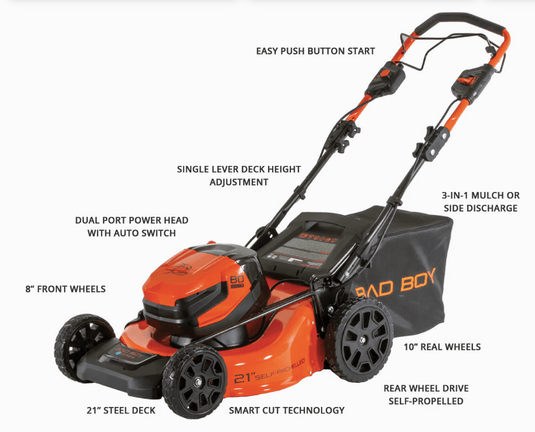
Credit: shop.badboymowers.com
Torque Vs. Engine Power
Torque and engine power are key terms when choosing a lawn mower. Both affect how well the mower cuts grass. Understanding the difference helps pick the right mower for your yard. Torque measures twisting force, while engine power shows overall output.
Differences Between Torque And Hp
Torque is the force that turns the mower blades. It is measured in pound-feet (lb-ft) or Newton-meters (Nm). Engine power, or horsepower (HP), shows how much work the engine can do over time.
Think of torque as strength. Horsepower is speed. Torque moves the blade to cut thick grass. Horsepower keeps the blade spinning fast.
- Torque helps the mower handle tough, thick grass.
- Horsepower determines how fast the mower runs.
- High torque means better cutting through dense patches.
- High horsepower means faster mowing but not always better cutting.
Why Torque Matters More For Mowing
Grass varies in thickness and moisture. Torque gives the mower power to cut through heavy grass. Without enough torque, the mower may stall or slow down.
Torque keeps the blades turning steadily under pressure. It helps the mower work on uneven ground or tall grass. High torque means less effort from the engine and smoother cutting.
Choosing a mower with good torque improves cutting quality. It makes mowing easier and faster. Engine power alone does not guarantee strong cutting performance.
Improving Torque For Better Performance
Improving torque in your lawn mower can significantly boost its cutting power and overall efficiency. Higher torque means your mower can handle thicker grass and uneven terrain without bogging down. You don’t need to buy a new mower; simple steps and smart upgrades can make a big difference.
Maintenance Tips
Keeping your mower in top shape directly affects torque. Regularly check and replace the air filter to ensure the engine breathes well. A clogged filter restricts airflow and reduces power output.
Sharpening the blades also helps. Dull blades force the engine to work harder, lowering torque and leaving your lawn uneven. Cleaning the mower deck prevents grass buildup, which can add resistance and slow down the blade’s rotation.
Don’t forget to change the oil on schedule. Fresh oil lubricates the engine parts better, reducing friction and maintaining smooth torque delivery. Have you noticed your mower struggling after a few hours of use? It might just need a simple tune-up.
Upgrades And Modifications
Boosting torque can go beyond maintenance. Installing a high-performance carburetor can improve fuel and air mixture, increasing engine efficiency. This upgrade can deliver a noticeable power increase, especially on older models.
Switching to a heavier flywheel adds rotational mass, helping the engine maintain momentum through thick patches. This is a favorite trick among lawn care professionals who tackle tough yards daily.
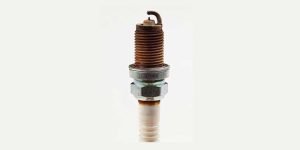
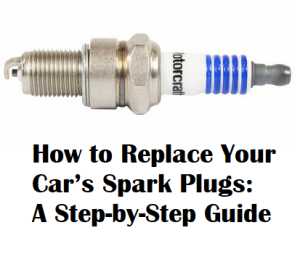
Consider upgrading the spark plugs to a high-energy type. Better spark leads to more complete combustion, which translates to more torque. Ever felt your mower sputter or hesitate? This simple swap might fix it.
What small change can you make today to get your mower running stronger? Sometimes a little adjustment goes a long way in performance.
Choosing A Lawn Mower Based On Torque
Choosing a lawn mower based on torque can significantly impact how effectively and efficiently you maintain your lawn. Torque determines the mower’s power to cut through thick grass, tackle uneven patches, and handle various mowing conditions. Understanding how torque relates to your specific lawn needs helps you pick a mower that won’t leave you frustrated or struggling with tough spots.
Matching Torque To Lawn Size
Small lawns with well-maintained grass don’t require high torque mowers. A mower with moderate torque will cut cleanly and save you fuel or battery life. However, if your lawn is large or has patches of dense, tall grass, higher torque becomes essential to avoid stalling.
Think about how often you mow and the condition of your grass. If you skip a week or two, the grass grows thicker and tougher, demanding more power from your mower. Choosing the right torque means less effort and a smoother cutting experience, even when your grass isn’t perfect.
Considerations For Different Terrain
Terrain plays a huge role in selecting the right torque. Flat, even yards allow for less torque since the mower moves easily. But if your lawn has slopes, bumps, or uneven ground, extra torque helps push the mower through these challenges without bogging down.
Have you ever felt your mower slow down or stall when climbing a hill? That’s a sign you need more torque. Also, rough terrain often means thicker grass in shaded or less maintained areas. Choosing a mower with enough torque ensures you maintain consistent cutting power across all parts of your lawn.
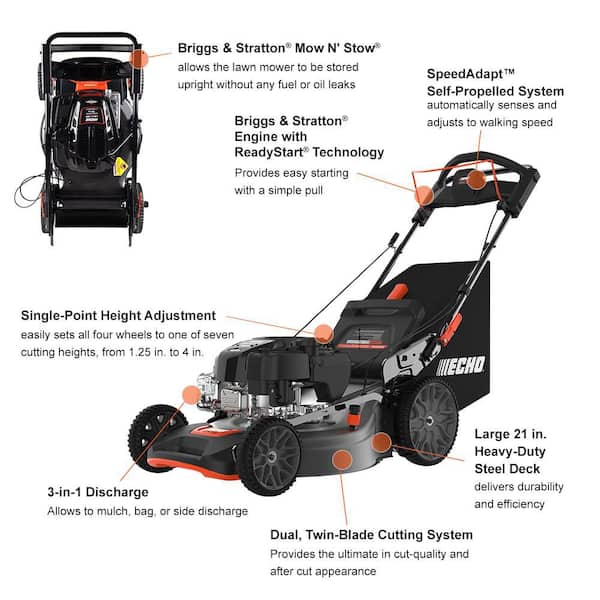
Credit: www.homedepot.com
Frequently Asked Questions
What Does Torque Mean In Lawn Mowers?
Torque in lawn mowers refers to the rotational force the engine produces. It affects the mower’s ability to cut thick grass and handle tough terrain efficiently.
Why Is Torque Important For Lawn Mowers?
Torque determines how well a lawn mower can power through dense grass. Higher torque means better performance and less engine strain during mowing.
How Is Torque Measured In Lawn Mowers?
Torque is measured in pound-feet (lb-ft) or Newton-meters (Nm). It indicates the force the mower’s engine applies to the blades or wheels.
Does Higher Torque Improve Lawn Mower Efficiency?
Yes, higher torque enhances a mower’s cutting power and traction. This results in smoother operation and better handling of challenging mowing conditions.
Conclusion
Torque is key to a lawn mower’s power and performance. It helps blades cut through thick grass smoothly. Higher torque means the mower handles tough jobs with less effort. Choosing a mower with the right torque saves time and energy.
Understanding torque helps you pick the best mower for your yard. Remember, strong torque leads to a cleaner, easier mowing experience. Keep this in mind next time you shop for a lawn mower.