Have you ever found yourself standing in the aisle of an auto parts store, staring blankly at a wall of socket sets, wondering which one is the perfect fit for your spark plugs? You’re not alone.
Knowing the right socket size for spark plugs is crucial, especially if you want to avoid unnecessary frustration and save time on your next tune-up. Imagine the ease of having the right tools on hand, ready to make your car maintenance a breeze.
We’ll dive into the world of spark plug sockets, demystifying the sizes and ensuring you have all the information you need at your fingertips. Prepare to empower yourself with practical knowledge that could save you both time and money on your next DIY project.
Credit: www.canadiantire.ca
Spark Plug Socket Sizes
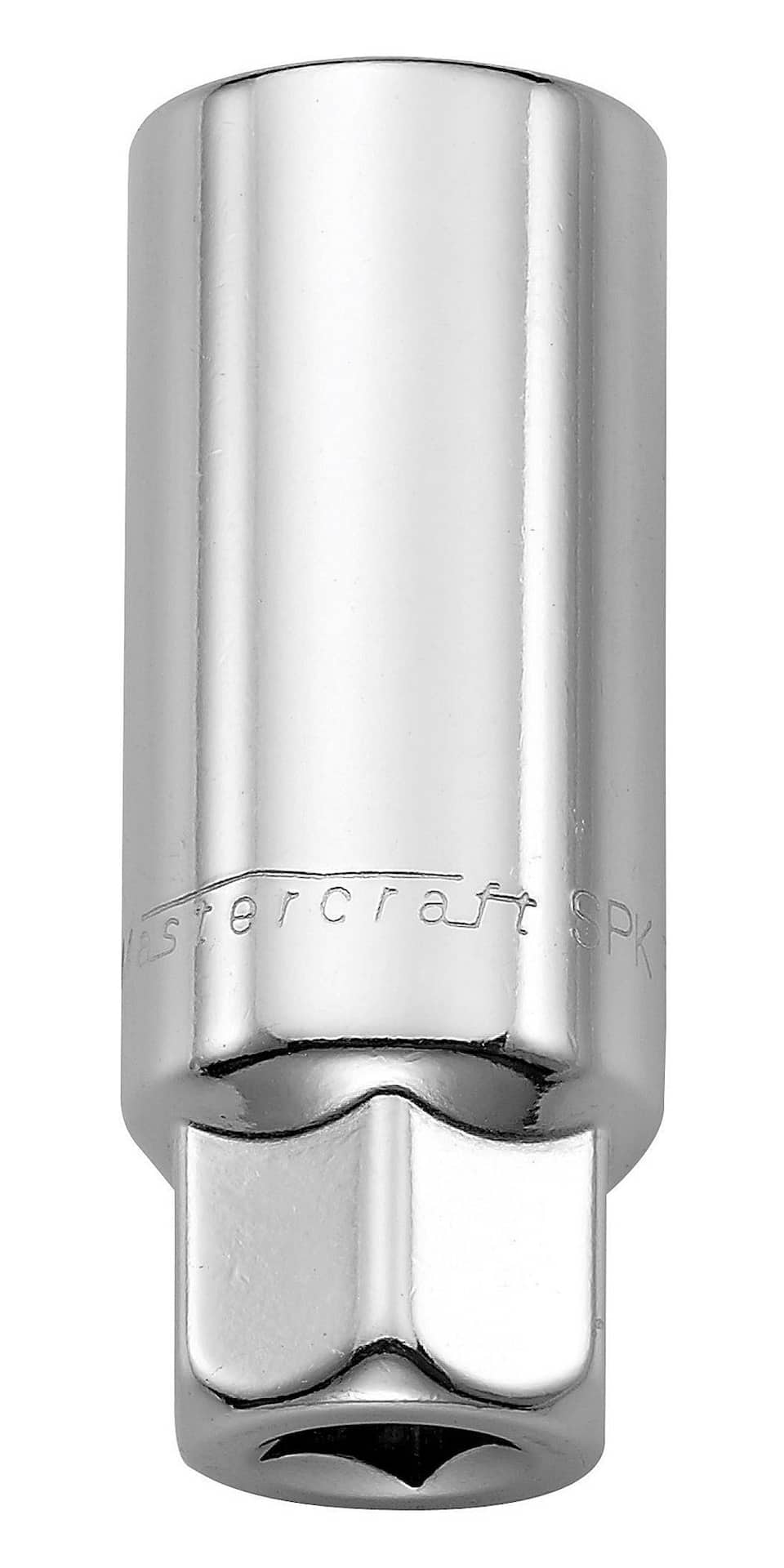
Knowing the right socket size for spark plugs can save you time and prevent damage to your engine parts. Spark plug sockets come in specific sizes designed to fit snugly around the spark plug, allowing easy removal and installation. Choosing the correct size ensures you won’t strip the plug or waste effort using the wrong tools.
Common Sizes Used
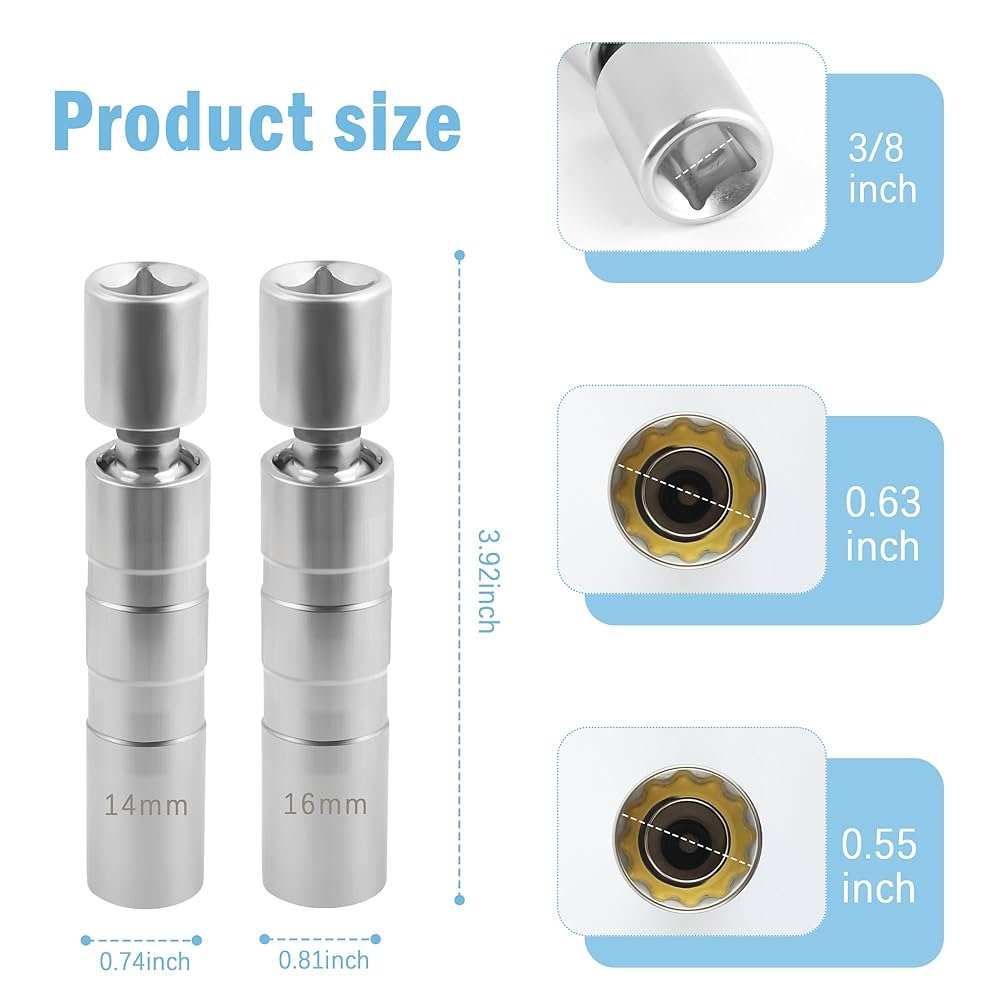
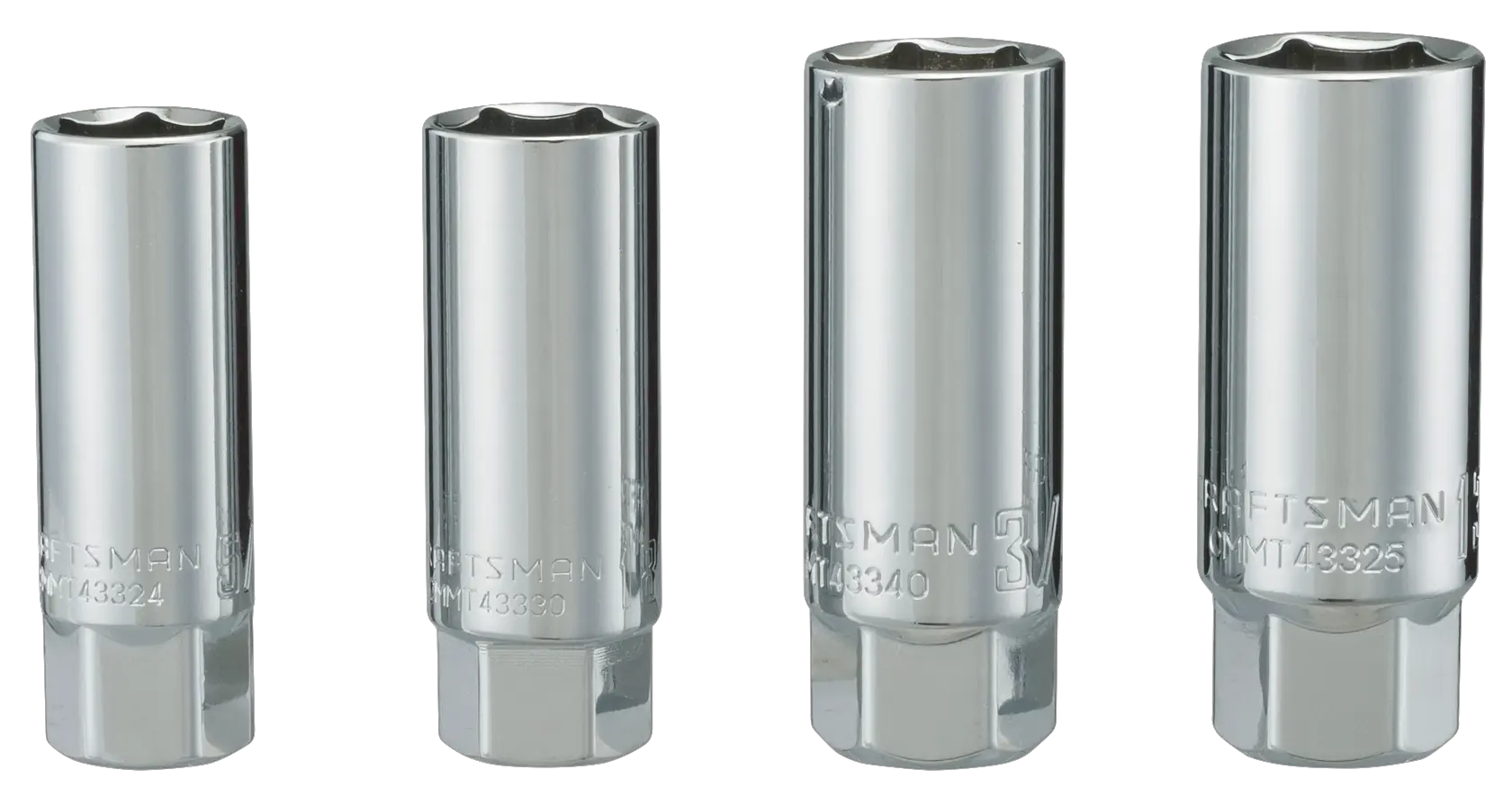
Spark plug sockets generally come in a few standard sizes. The most common sizes you’ll encounter are 5/8 inch and 13/16 inch for standard measurements, and 16mm and 21mm for metric. These sizes cover the majority of spark plugs found in cars, motorcycles, and small engines.
Many vehicles use a 5/8 inch socket because it fits the typical spark plug hex size perfectly. On the other hand, some high-performance or larger engines might require a 13/16 inch socket for a deeper or wider plug design. Knowing what size your vehicle’s spark plugs use can make your repair or maintenance work much smoother.
Metric Vs Standard Sizes
Metric sockets are measured in millimeters and are common in European and Asian vehicles. Standard sockets are measured in inches and are mostly found in American-made vehicles. This difference can confuse anyone working on multiple car brands.
Using a metric socket on a standard spark plug or vice versa might seem close in size but can damage the plug or socket. For example, a 16mm socket is roughly 0.63 inches, close to a 5/8 inch (0.625 inches) socket, but that slight difference can matter. Always check your vehicle’s manual or the spark plug itself to confirm the correct socket size.
Have you ever struggled with a socket that just wouldn’t fit right? Taking a moment to verify the size can save you from that frustration. Keep a set of both metric and standard spark plug sockets handy—you’ll thank yourself the next time you need to swap a plug quickly.

Credit: www.amazon.ca
Choosing The Right Socket
Choosing the right socket for spark plugs is essential for a smooth repair or replacement process. Using the correct socket size prevents damage to the spark plug and engine. It also makes the job easier and faster. Understanding the factors that affect socket choice helps you pick the perfect fit. Knowing the tools needed to measure the spark plug size ensures accuracy and safety.
Factors To Consider
- Type of spark plug: Different plugs may need different socket sizes.
- Socket depth: Some spark plugs require deep sockets for proper grip.
- Material of socket: Use chrome or impact sockets for durability.
- Drive size: Match the socket drive to your ratchet or wrench.
- Access space: Tight engine spaces may need smaller or flexible sockets.
Tools Needed For Measurement
Measuring the spark plug size correctly is crucial. You can use a caliper to measure the hex size on the plug. A ruler or tape measure helps check the length of the spark plug. Most spark plugs list their size on the packaging or the plug itself. A socket set with various sizes allows you to try fitting before selecting. Always double-check measurements to avoid mistakes.
How To Measure Spark Plug Size
Knowing the correct spark plug socket size is key to proper installation and removal. Measuring the spark plug size helps avoid damage and ensures a perfect fit. It is a simple process that anyone can do with basic tools or information.
Measuring the spark plug size involves checking the diameter across the plug’s hexagonal section. This size matches the socket wrench needed for tightening or loosening the spark plug. Two common ways to measure spark plug size include using a caliper and checking manufacturer specifications.
Using A Caliper
A caliper gives precise measurements of the spark plug’s hex size. Follow these steps:
- Place the spark plug on a flat surface.
- Open the caliper jaws wide enough to fit around the hexagonal part.
- Close the jaws gently until they touch the flat sides of the hex.
- Read the measurement on the caliper scale.
This measurement shows the socket size in millimeters or inches. Calipers are affordable and easy to use.
Checking Manufacturer Specifications
Manufacturers often list spark plug sizes in manuals or online. This information includes:
- Socket size needed for installation
- Thread diameter and pitch
- Recommended torque settings
Consulting these specs ensures correct tool selection and safe installation. It saves time and prevents errors.
Popular Socket Sizes By Vehicle Type
Different vehicles need different socket sizes for spark plugs. Knowing the common sizes helps you pick the right tool fast. This guide covers popular spark plug socket sizes by vehicle type. It saves time and avoids damage to your engine parts.
Passenger Cars
Most passenger cars use spark plug sockets sized between 5/8 inch and 13/16 inch. The 5/8 inch socket fits many models from brands like Toyota and Honda. The 13/16 inch socket is common in some Ford and Chevrolet cars. These sizes handle most standard spark plugs well.
Motorcycles
Motorcycles usually require smaller spark plug sockets. Sizes like 9/16 inch or 5/8 inch are typical. Smaller engines need a smaller socket to fit tight spaces. These sizes work for brands such as Yamaha, Suzuki, and Harley-Davidson.
Trucks And Suvs
Trucks and SUVs often use larger spark plug sockets. Common sizes include 13/16 inch and 3/4 inch. Heavy-duty engines demand bigger spark plugs and sockets. Brands like Ford F-Series and Chevrolet Silverado often need these larger tools.
Tips For Removing Spark Plugs
Removing spark plugs requires care and the right tools. Using proper techniques helps avoid damage and saves time. These tips make the task easier and safer.
Using The Correct Socket
Choose a socket that fits the spark plug size exactly. Most spark plugs need a 5/8 inch or 13/16 inch socket. A socket with a rubber insert holds the plug securely. This prevents the plug from falling and breaking.
Use a ratchet with a flexible extension for better access. This helps reach plugs in tight engine spaces. Avoid using a socket that is too big or too small. It can strip the plug’s edges and cause problems.
Avoiding Damage
Always let the engine cool before removing spark plugs. Hot plugs can break or cause burns. Turn the plug gently at first to break the seal. Avoid using excessive force that can damage the threads.
Clean the area around the plug before removal. Dirt can fall into the cylinder and cause engine issues. Use compressed air or a brush to clear debris. Handle spark plugs carefully to prevent cracking.
Socket Accessories For Spark Plug Maintenance
Socket accessories make spark plug maintenance easier and safer. They help reach tight spaces and apply the right force. Using the correct tools prevents damage to spark plugs and engines. Two key accessories are extensions and swivels, plus torque wrenches.
Extensions And Swivels
Extensions add length to your socket wrench. They allow access to spark plugs deep in the engine. Swivels provide flexibility by bending at different angles. Together, they help reach plugs in hard-to-get spots. Using these tools reduces strain and improves precision.
Torque Wrenches
Torque wrenches measure the exact force applied to spark plugs. Tightening plugs too much can damage threads or the plug itself. Not tightening enough causes poor engine performance. Torque wrenches ensure plugs are secured to the manufacturer’s specifications. This tool protects both the engine and spark plugs.
Common Mistakes To Avoid
Knowing the right socket size for spark plugs is just the first step. Avoiding common mistakes during installation can save you time, money, and frustration. These errors can cause damage to your spark plugs or engine, and sometimes the problems only appear after you’ve driven away.
Using Incorrect Socket Size
Using the wrong socket size is more common than you might think. A socket that’s too large can slip and strip the spark plug’s hex, making removal difficult. On the other hand, a socket that’s too small won’t fit properly, increasing the risk of dropping or damaging the plug.
Have you ever struggled with a stubborn spark plug? Chances are, the socket size wasn’t quite right. Always check the spark plug manufacturer’s recommendation—usually, sizes like 5/8 inch (16mm) or 13/16 inch (21mm) are standard, but variations exist.
Over-tightening Or Under-tightening
Many people think tighter is better, but that’s not true with spark plugs. Over-tightening can strip the threads in the cylinder head or crack the plug’s ceramic insulator. This can lead to costly repairs and engine misfires.
Under-tightening is just as risky. A loose spark plug may vibrate out or cause poor engine performance. Using a torque wrench and following the exact torque specs is the safest way to avoid these issues.
Credit: www.craftsman.com
Frequently Asked Questions
What Is The Common Socket Size For Spark Plugs?
The most common spark plug socket size is 5/8 inch (16mm). This size fits most standard spark plugs used in cars and motorcycles, ensuring proper installation and removal without damaging the plug.
How To Choose The Right Socket Size For Spark Plugs?
Check your vehicle’s manual for the recommended spark plug size. Use a socket that matches the plug’s hexagonal nut to avoid stripping or damaging it during maintenance.
Why Is Socket Size Important For Spark Plug Replacement?
Using the correct socket size ensures a secure grip on the spark plug. It prevents damage to the plug and engine, making removal and installation safe and efficient.
Are There Different Socket Sizes For Various Spark Plugs?
Yes, spark plug sockets commonly come in 5/8 inch (16mm) and 13/16 inch (21mm) sizes. The size depends on the vehicle and the type of spark plug used.
Conclusion
Knowing the right socket size helps you change spark plugs easily. Most spark plugs use common sizes like 5/8 inch or 13/16 inch. Using the correct socket avoids damage and saves time. Always check your vehicle’s manual for the exact size.
A proper fit means better work and fewer problems. This small detail makes a big difference in car care. Keep this tip in mind for your next spark plug change. Simple tools and the right size make the job smooth and quick.





