Are you tired of your lawn mower struggling to cut grass cleanly? The secret to a sharp, efficient blade often lies in one simple detail: the right sharpening angle.
Getting this angle wrong can make your mower work harder, wear out faster, and leave your lawn looking uneven. But don’t worry—understanding the perfect angle for your mower blade sharpening is easier than you think. Keep reading, and you’ll discover how a small adjustment can make a big difference in your mowing results.
Importance Of Blade Angle
The blade angle plays a crucial role in mower blade sharpening. It affects how well the blade cuts grass and how long it lasts. Using the right angle helps maintain sharpness and improves the mower’s efficiency. A correct angle ensures clean cuts, preventing damage to your lawn.
Impact On Cutting Performance
The blade angle controls how sharp the edge is. A sharper angle cuts grass more cleanly and smoothly. This reduces tearing and uneven patches in your lawn. A dull or wrong angle makes the mower work harder and cuts poorly. The right angle means less effort and a better-looking lawn.
Effect On Blade Longevity
Sharpening at the correct angle also protects the blade. Too sharp an angle can make the blade fragile and wear out fast. Too flat an angle dulls quickly and needs more frequent sharpening. Keeping the proper angle extends the blade’s life and saves money. It keeps the mower running longer without problems.
Common Blade Angles
Choosing the right angle for sharpening your mower blade can make a big difference in how cleanly and efficiently your lawn gets cut. Different blades require specific angles to maintain sharpness and perform well. Knowing the common blade angles helps you avoid dull cuts and uneven grass.
Standard Angles For Lawn Mowers
The most common sharpening angle for lawn mower blades is between 30 to 45 degrees. This range balances sharpness with durability, allowing the blade to cut through grass without dulling too quickly.
Many manufacturers recommend a 45-degree angle for general use. However, some blades sharpened at 30 degrees provide a sharper edge but may wear out faster. If you’ve ever noticed your blade getting dull quickly, adjusting the angle closer to 45 degrees might help you get more life out of it.
Variations For Different Grass Types
Grass type affects the ideal sharpening angle. For tougher, thicker grass like Bermuda or St. Augustine, a sharper angle closer to 30 degrees works better to slice cleanly.
On the other hand, finer grasses like fescue or bluegrass respond well to a slightly blunter edge around 40 to 45 degrees. This prevents tearing and promotes healthier lawn growth.
Have you thought about the type of grass you mow when sharpening your blade? Adjusting the angle to fit your lawn’s needs can improve cutting quality and extend blade life.
Choosing The Best Angle
Choosing the best angle for mower blade sharpening affects cutting quality and blade life. The right angle ensures clean cuts and reduces wear. It also helps the mower perform efficiently. Understanding how to pick the best angle is key to maintaining a sharp blade.
Factors To Consider
Blade material plays a big role in deciding the angle. Harder metals need a different angle than softer ones. The type of grass also matters. Thick or tall grass may require a sharper edge. The mower’s speed and power affect the choice too. Safety is important—too sharp can cause damage or injury.
Balancing Sharpness And Durability
A sharper angle cuts better but wears faster. A more durable angle lasts longer but may not cut as clean. Most mower blades work best between 25 and 30 degrees. This range balances sharpness and blade strength. Regular sharpening keeps the angle effective and the blade healthy.

Credit: www.mowmore.com
Tools For Sharpening
Choosing the right angle for mower blade sharpening is crucial. A 30 to 45-degree angle works best. This angle ensures efficient grass cutting and extends blade life. Proper sharpening tools are essential to achieve this angle precisely and maintain a well-groomed lawn.
Sharpening your mower blade isn’t just about getting a clean cut; it’s about maximizing the efficiency of your mower and extending its life. The right tools can make a world of difference. Whether you prefer doing things by hand or using power tools, understanding your options is key.Manual Vs. Power Tools
When sharpening your mower blades, you have the choice between manual and power tools. Manual tools, like files and sharpening stones, are great if you enjoy a hands-on approach. They give you precise control and are usually less expensive. On the other hand, power tools like bench grinders and rotary tools can get the job done quickly. They are perfect if you’re sharpening multiple blades or simply want to save time. Consider what suits your needs best—do you prioritize precision or efficiency?Angle Guides And Jigs
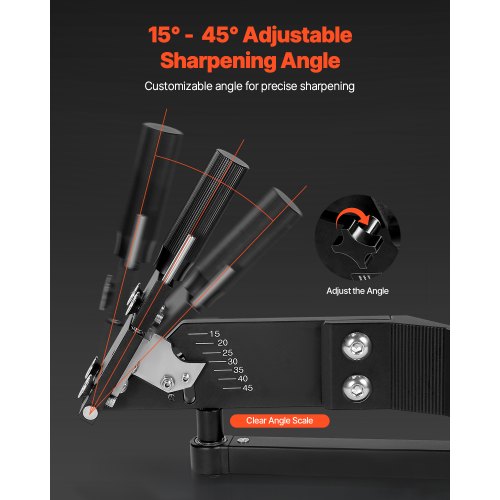
Maintaining the correct angle is crucial for effective blade sharpening. Angle guides and jigs can be incredibly helpful here. They act as a reference point, ensuring you don’t deviate and unintentionally dull the blade. Using an angle guide is like having a built-in safety net; it boosts your confidence as you sharpen. Have you ever sharpened a blade only to find it performs worse? An angle guide might just be your new best friend.Step-by-step Sharpening Process
Sharpening mower blades properly keeps your lawn healthy and your mower efficient. The right angle is key for a clean, sharp edge that cuts grass well. Follow the step-by-step sharpening process to restore your blades safely and effectively.
Preparing The Blade
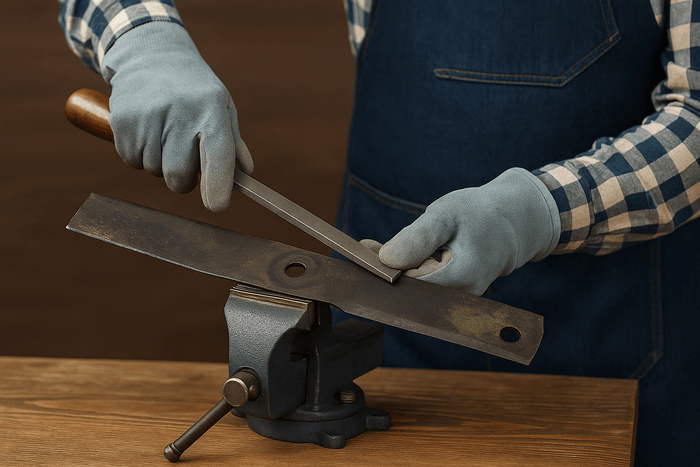
Remove the mower blade carefully, using gloves for safety. Clean off any dirt, grass, or rust to see the edge clearly. Secure the blade in a vise or clamp to keep it steady while sharpening. Inspect the blade for cracks or damage; replace if needed.
Maintaining The Correct Angle
Identify the original sharpening angle, usually between 30 to 45 degrees. Use a file or grinder to sharpen along this angle, matching the blade’s edge. Keep a consistent angle to ensure an even, sharp cut. Move the sharpening tool in one direction, avoiding back and forth strokes.
Finishing Touches
After sharpening, remove any burrs with a fine file or sandpaper. Balance the blade by placing it on a blade balancer or nail to avoid vibrations. Reinstall the blade securely on the mower. Test the mower to check for smooth, efficient cutting.

Credit: www.youtube.com
Safety Tips During Sharpening
Sharpening mower blades requires care and attention to safety. The blades are sharp and can cause serious injuries. Taking safety steps protects your hands and eyes. It also helps avoid accidents during sharpening. Follow these simple safety tips to keep the process safe and smooth.
Protective Gear
Wear sturdy gloves to protect your hands from cuts. Use safety goggles to shield your eyes from metal shards. Consider wearing a dust mask to avoid inhaling metal particles. Long sleeves and closed shoes add extra protection. Always use the right gear to reduce injury risks.
Safe Handling Practices
Disconnect the mower from the power source before starting. Secure the blade firmly in a vice or clamp. Keep your fingers away from the sharp edges at all times. Use tools designed for blade sharpening only. Work in a well-lit area to see clearly. Never rush; take your time to avoid mistakes.
Signs Of A Dull Blade
Recognizing the signs of a dull mower blade is essential to keeping your lawn healthy and your mower running smoothly. A blade that’s not sharp enough won’t cut grass cleanly, which can harm your lawn’s appearance and put extra pressure on your mower. Knowing what to look for helps you decide when it’s time to sharpen the blade at the right angle.
Effect On Lawn Appearance
A dull blade tears grass instead of slicing it cleanly. This causes the tips of your grass blades to look brown and ragged rather than smooth and green.
You might notice patches where the grass looks uneven or unhealthy. This happens because torn grass loses moisture faster and becomes more vulnerable to disease.
Have you ever wondered why your freshly mowed lawn doesn’t look as neat as your neighbor’s? The blade sharpness could be the reason.
Increased Strain On Mower
A blade that’s dull makes your mower work harder to cut through the grass. This extra effort can lead to overheating and wear on your mower’s engine.
You might hear the mower struggling or notice it moving slower across the lawn. These are signs that the blade isn’t sharp enough and needs attention.
Ignoring this can shorten the lifespan of your mower and increase fuel consumption, costing you more in repairs and running costs.
When To Replace Instead Of Sharpen
Knowing when to replace your mower blade instead of sharpening it can save you time, money, and frustration. While sharpening extends blade life, some damage is beyond repair and can affect your mower’s performance and safety. Recognizing these signs early helps you maintain a clean, efficient cut and protects your lawn.
Blade Damage Indicators
Look closely at your blade before deciding to sharpen. Deep cracks or bends in the metal are clear signs that sharpening won’t fix the problem. If the blade has large chunks missing or is severely worn down, it’s time to replace it.
Sometimes, you might notice uneven wear or a blade that no longer balances properly after sharpening. This imbalance can cause vibrations that damage your mower’s engine. Have you ever felt your mower shake unusually? That’s a strong hint the blade needs replacement.
Cost Vs. Benefit Analysis
Think about how much you spend on sharpening compared to buying a new blade. Sharpening is cheaper but only works a few times before the blade becomes too thin or damaged. Replacing your blade might seem costly upfront but often saves money by improving cutting efficiency and protecting your mower.
| Factor | Sharpening | Replacing |
|---|---|---|
| Cost per action | Low | Higher |
| Longevity | Limited (few sharpenings) | Long-term use |
| Performance | Good if blade is intact | Better if blade is damaged |
| Safety | Risk if blade damaged | Safer with new blade |
Ask yourself: Does the blade feel less effective after sharpening? Are repair costs piling up? If yes, replacing the blade is probably your best move. This decision helps you avoid wasted effort and keeps your mower running smoothly.
Credit: www.vevor.com
Frequently Asked Questions
What Is The Ideal Angle For Mower Blade Sharpening?
The ideal sharpening angle for mower blades is typically 30 to 45 degrees. This angle balances sharpness and durability, ensuring efficient cutting and longer blade life.
How Does Blade Angle Affect Mowing Performance?
The sharpening angle impacts cutting efficiency and grass health. A proper angle slices grass cleanly, preventing tearing and promoting a healthier lawn.
Can I Sharpen Mower Blades At Home?
Yes, you can sharpen mower blades at home using a file or grinder. Maintain the original blade angle for optimal results.
How Often Should Mower Blades Be Sharpened?
Sharpen mower blades after every 20-25 hours of use. Regular sharpening improves cutting quality and prevents lawn damage.
Conclusion
Sharpening mower blades at the right angle keeps your lawn healthy. A 30-degree angle usually works best for clean, even cuts. Dull blades tear grass, causing damage and poor growth. Regular sharpening saves time and improves mower performance. Keep your blades sharp to make mowing easier and your yard look great.
Remember, sharp blades cut grass smoothly and help your mower last longer. Simple care leads to better results every time you mow.