When it comes to maintaining a pristine lawn, every detail counts. You might think about the type of grass or the pattern you mow in, but have you ever wondered about the cutting height of your lawn mower?
The lowest cutting height is a crucial factor that can transform your lawn from ordinary to extraordinary. It’s not just about looks; the right cutting height can impact the health and growth of your grass. Imagine a lawn that’s perfectly manicured, lush, and green—just the way you like it.
You’re about to discover how understanding the lowest cutting height of lawn mowers can make this a reality. We’ll delve into why this matters for your lawn and how it can give you the edge in achieving that picture-perfect garden. Ready to unlock the secrets of a flawless lawn? Keep reading to find out how the lowest cutting height can make all the difference.
Lawn Mower Cutting Heights
Understanding lawn mower cutting heights is crucial for maintaining a healthy and attractive lawn. The cutting height determines how short or tall your grass blades will be after mowing. Choosing the right height can impact your lawn’s growth, appearance, and resistance to weeds or drought.
Standard Cutting Height Ranges
Most lawn mowers offer adjustable cutting heights ranging between 1 inch and 4 inches. The lowest cutting height usually falls around 1 to 1.5 inches, which is common for certain grass types like Bermuda grass. Taller cuts, around 3 to 4 inches, are better for cool-season grasses such as fescue or bluegrass, helping them retain moisture and stay healthy.
Cutting your lawn too short can stress the grass, making it vulnerable to pests and weeds. On the other hand, letting it grow too tall might cause uneven growth and thatch buildup. Finding the right balance based on your grass type and climate is key.
Factors Influencing Cutting Height
Several factors affect the ideal cutting height for your lawn mower. Grass species plays a huge role—warm-season grasses thrive at lower heights, while cool-season grasses need taller cuts. Seasonal changes also matter; mowing shorter in summer helps prevent heat stress, while higher cuts in fall protect roots during colder months.
Soil condition and lawn use influence cutting height too. If your lawn is heavily used for activities, a slightly taller cut cushions foot traffic better. Are you aiming for a neat golf-course look or a natural backyard feel? Your mowing height should match your lawn care goals.

Credit: www.reddit.com
Lowest Cutting Height Explained
The lowest cutting height of a lawn mower is the shortest length at which the mower blades can cut your grass. Understanding this is crucial because it affects your lawn’s health and appearance. Cutting your grass too low or too high can lead to problems you might not expect.
Typical Minimum Heights For Mowers
Most lawn mowers have a minimum cutting height that ranges between 1 to 2 inches (2.5 to 5 cm). Push mowers often allow you to set the blade height in small increments, giving you more control.
Riding mowers usually have a higher minimum setting, around 1.5 to 3 inches (3.8 to 7.6 cm), due to their design and power. Some specialty mowers can go lower, but these are generally used for sports fields or golf courses.
Knowing your mower’s lowest cutting height helps you avoid scalping your lawn. Have you checked your mower’s manual lately? It might surprise you how low it really cuts.
Risks Of Cutting Too Low
Cutting grass too low can stress the lawn. It removes too much leaf surface, which the grass needs to make food through photosynthesis.
This stress weakens grass, making it vulnerable to pests, weeds, and drought. Have you ever noticed brown patches after mowing too short? That’s a clear sign of damage.
Also, cutting too low exposes soil, increasing erosion and reducing moisture retention. Your lawn can end up looking patchy and unhealthy.
To keep your lawn strong, aim to cut no lower than the mower’s recommended minimum height. This simple step can save you time and money on lawn repairs.
Types Of Lawn Mowers And Cutting Heights
Choosing the right lawn mower involves understanding the variety of options and their cutting height ranges. Different mowers offer different minimum cutting heights, which affects how short you can trim your grass. Knowing the types of lawn mowers and their cutting heights helps you pick one that fits your lawn’s needs perfectly.
Push Mowers
Push mowers are common for small to medium-sized lawns. Most models allow you to adjust the cutting height between 1 to 4 inches.
Some high-end push mowers can cut as low as 0.5 inches, which is great if you prefer a very short, manicured look. However, cutting too low can stress your grass, so consider your grass type before setting it too low.
Riding Mowers
Riding mowers cover large lawns quickly and typically offer cutting heights from 1.5 to 4 inches. Their lowest cutting height is usually higher than push mowers due to their design.
If you want a precise low cut, check the specifications before buying. Some models feature fine height adjustments that let you go closer to the ground without damaging your turf.
Robotic Mowers
Robotic mowers are designed for convenience and often maintain your grass at a steady height. They usually cut between 1 to 3 inches, with many models allowing adjustments in small increments.
Their cutting blades work continuously, so they rarely need to cut very low. This helps keep your lawn healthy by trimming only the tips regularly, rather than scalping the grass.
Grass Types And Ideal Cutting Heights
Grass types affect the ideal cutting height of lawn mowers. Each grass grows best at specific heights. Cutting too low can harm the grass and soil. Maintaining the right height keeps lawns healthy and green. Understanding grass types helps choose the correct mower settings.
Cool-season Grasses
Cool-season grasses grow best in spring and fall. They thrive in cooler temperatures and moist soil. Common types include Kentucky bluegrass, fescue, and ryegrass. The ideal cutting height is usually between 2.5 and 4 inches.
- Keeps grass blades strong and healthy
- Reduces weed growth by shading soil
- Promotes deep root development
Cutting cool-season grasses too short can cause stress. This leads to browning and patchy lawns. Set your mower to the higher side of the range during hot weather.
Warm-season Grasses
Warm-season grasses grow best in summer heat. They include Bermuda, zoysia, and St. Augustine grass. Their ideal cutting height ranges from 1 to 3 inches. These grasses tolerate lower cuts better than cool-season types.
- Encourages thick, dense turf
- Improves sunlight exposure to the soil
- Controls pests and diseases
Cutting too low can expose roots and dry out soil. Raise the mower height during drought or heat stress. Proper height helps warm-season grasses recover faster.
Adjusting Your Mower For Lowest Height
Adjusting your mower to the lowest cutting height can transform your lawn’s appearance and health. It allows you to trim grass very close to the ground, which can be ideal for certain grass types and seasons. However, it requires careful handling to avoid damaging the grass or the mower itself.
Step-by-step Height Adjustment
First, check your mower’s manual to understand the adjustment mechanism. Most mowers have a lever or a dial near the wheels or deck that controls the cutting height.
Next, move the lever or dial towards the lowest setting. Make sure to adjust all wheels evenly to keep the deck level. Uneven settings can cause scalping, leaving unsightly patches on your lawn.
After adjusting, test the mower on a small patch of grass. Does it cut cleanly without pulling or tearing? If not, you might need to raise the height slightly or sharpen the blades.
Maintenance Tips For Optimal Cutting
Keeping your mower blades sharp is essential for a neat cut at low heights. Dull blades tear grass instead of slicing it, causing stress to your lawn.
Regularly clean the mower deck to prevent grass buildup, which can interfere with cutting height and performance. Also, check tire pressure; uneven tires can affect how low your mower cuts.
Have you noticed your mower struggling when set to the lowest height? It might be time to inspect the blade condition or consult a professional for blade balancing.
Credit: www.canr.msu.edu
Consequences Of Incorrect Cutting Height
Choosing the wrong cutting height for your lawn mower harms your grass and lawn health. Cutting too low or too high causes problems that affect how your lawn looks and grows. Understanding these consequences helps keep your lawn healthy and green.
Damage To Grass Health
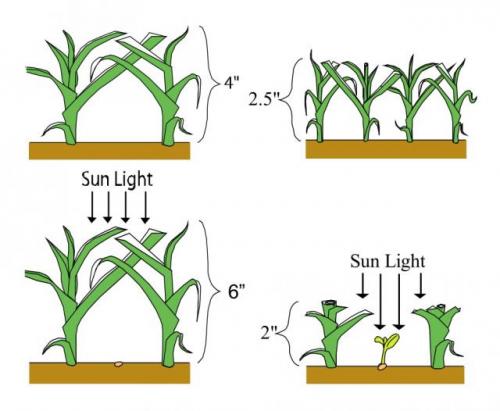
Cutting grass too short stresses the plants and weakens roots. The grass loses energy to grow and repair itself. This makes the lawn dry and brown in spots. Grass with shallow roots cannot take up enough water or nutrients. It becomes vulnerable to heat and drought. Cutting too high can also cause problems by leaving thick clumps. These clumps block sunlight and air from reaching the soil. Both extremes reduce the lawn’s ability to stay strong and healthy.
Increased Weed Growth
Incorrect cutting height allows weeds to take over the lawn. Short grass struggles to compete with weeds for space and nutrients. Weeds grow faster in bare or weak patches. Taller grass can hide weeds, making them harder to spot and remove. Weeds reduce the lawn’s beauty and crowd out grass plants. Keeping the right cutting height helps grass stay dense and crowd out weeds naturally.
Best Practices For Healthy Lawn Cutting
Maintaining a healthy lawn starts with the right cutting habits. Cutting your grass at the proper height encourages strong root growth and helps your lawn resist weeds and drought. Understanding how to adjust your mower’s cutting height throughout the year can make a big difference in your lawn’s health and appearance.
Seasonal Cutting Height Changes
Your lawn’s cutting height should change with the seasons to support its growth cycle. During spring and fall, keep your grass a bit longer, around 3 to 3.5 inches, so it can absorb more sunlight and build strong roots. In summer, lower the cutting height slightly to about 2.5 to 3 inches, but never cut more than one-third of the blade at once to avoid stressing the grass.
Have you noticed your lawn looking weak or patchy after mowing too short in hot weather? That’s because scalping your lawn exposes it to sunburn and dries out the soil. Adjusting the cutting height with the seasons helps the grass stay resilient and vibrant year-round.
Watering And Fertilizing Tips
Cutting height affects how your lawn uses water and nutrients. Taller grass blades shade the soil, reducing evaporation and keeping moisture locked in. This means you can water less frequently but more deeply, encouraging roots to grow downward.
Fertilizer works best when your grass isn’t stressed from improper mowing. Apply fertilizer after mowing at the recommended height to help the nutrients absorb better. Watch your lawn’s response and tweak your watering schedule to avoid overwatering or underwatering—both can harm your grass.
- Water early in the morning for best absorption.
- Use slow-release fertilizers to feed your lawn steadily.
- Adjust watering based on recent rainfall and temperature changes.
Are you paying attention to how cutting height impacts your watering and fertilizing routine? Small changes here can save you time and improve your lawn’s health dramatically.
Credit: www.nytimes.com
Frequently Asked Questions
What Is The Typical Lowest Cutting Height For Lawn Mowers?
The lowest cutting height for most lawn mowers is around 1 to 1. 5 inches. Some models offer adjustments down to 0. 5 inches. This depends on the mower type and blade design. Always check your mower’s manual for exact minimum settings to protect your lawn.
Can Cutting Grass Too Low Damage My Lawn?
Yes, cutting grass too low can stress and damage your lawn. It reduces photosynthesis and exposes roots to heat and pests. Maintaining a proper cutting height promotes healthy growth and prevents weed invasion. Avoid mowing below your grass type’s recommended height.
How Do I Adjust The Lowest Cutting Height On My Mower?
Most mowers have height adjustment levers or knobs near the wheels. Move the lever to the lowest setting for the minimum cutting height. Some models have individual wheel adjustments for more precision. Refer to your mower’s manual for specific instructions.
Are Electric Lawn Mowers Able To Cut As Low As Gas Mowers?
Electric mowers usually have similar cutting height ranges as gas mowers. Both typically cut down to about 1 inch minimum. However, some electric models offer finer height adjustments. Always check the specs to ensure your mower meets your desired cutting height needs.
Conclusion
Choosing the right cutting height helps keep your lawn healthy and neat. Too low can harm grass and soil. Too high might make the lawn look untidy. Most mowers have a lowest cutting height between 1 to 2 inches. Always check your mower’s settings before cutting.
Proper height saves water and reduces weeds. Keep your lawn green and strong by cutting at the best height. Simple steps lead to a beautiful yard everyone will enjoy.