Have you ever wondered why your car’s engine doesn’t run as smoothly as it used to? Or perhaps you’ve noticed a drop in fuel efficiency?
The culprit could be a small, often overlooked component: the spark plug. More specifically, the gap in your spark plug. This tiny detail plays a crucial role in your vehicle’s performance and efficiency. But what exactly is the gap in a spark plug, and why is it so important for your car’s health?
By understanding this concept, you can ensure your engine fires up perfectly every time, saving you from unexpected breakdowns and costly repairs. Stick around, and we’ll dive into the details, unraveling the mysteries of this essential car component, so you can keep your vehicle running at its best.
Credit: www.vanguardpower.com
Spark Plug Gap Basics
Understanding the basics of the spark plug gap is crucial for anyone who wants their engine to run smoothly and efficiently. The gap is the small space between the center and ground electrodes of the spark plug. Despite its tiny size, this gap plays a major role in how well your engine ignites the air-fuel mixture.
What Is A Spark Plug Gap
The spark plug gap is the distance between two key parts of the spark plug: the center electrode and the ground electrode. This gap needs to be just right to create a strong enough spark to ignite the fuel in your engine’s combustion chamber.
Too narrow or too wide a gap can cause problems. For instance, a gap that’s too small might produce a weak spark, while a gap that’s too large can make it hard for the spark to jump across. Most spark plugs come pre-gapped, but checking and adjusting the gap to match your vehicle’s specifications is a smart move.
How Gap Affects Engine Performance
Your engine’s performance is directly tied to the spark plug gap. If the gap is off, you might notice rough idling, poor fuel economy, or difficulty starting your vehicle.
A properly set gap ensures the spark is strong enough to ignite the fuel-air mixture efficiently. This leads to smoother acceleration and better overall engine power.
Have you ever experienced your car hesitating or feeling sluggish? The spark plug gap could be the hidden cause. Adjusting it correctly can improve combustion and reduce emissions, saving you money on fuel and maintenance in the long run.

Credit: www.youtube.com
Measuring The Gap
Measuring the gap in a spark plug is a crucial task that affects your engine’s performance and fuel efficiency. The gap is the space between the center and ground electrodes where the spark jumps to ignite the air-fuel mixture. If this gap is too wide or too narrow, your engine might misfire or run inefficiently.
Knowing how to measure this gap accurately gives you control over your vehicle’s ignition system. You don’t have to be a mechanic to do it; with the right tools and understanding, you can ensure your spark plugs are set up perfectly for your engine’s needs.
Tools For Gap Measurement
Several tools can help you measure the spark plug gap precisely. The most common ones include:
- Feeler Gauge:Thin metal blades of various thicknesses that slide into the gap to check its size.
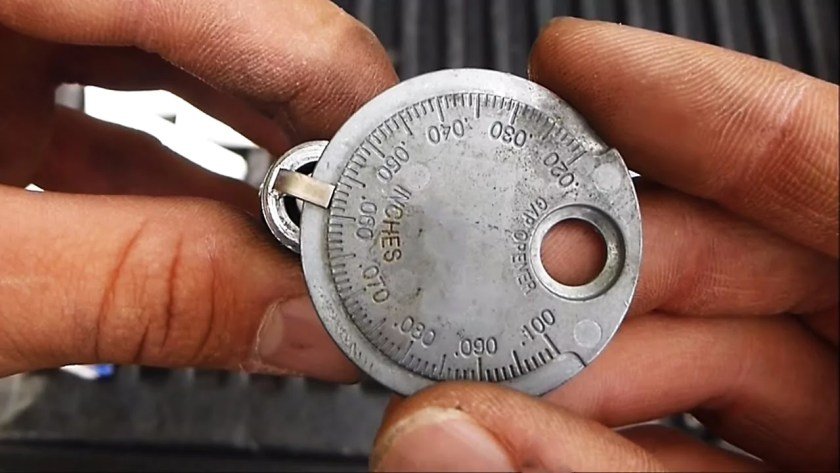
- Gap Gauge or Wire Gauge:A flexible wire or plastic tool marked with sizes that you pass through the gap to measure it.
- Spark Plug Gap Tool:A specialized tool designed for bending the electrode carefully if adjustment is needed.
I once tried measuring the gap with just a ruler, which was frustrating and inaccurate. Using a feeler gauge made the process quick and reliable. It’s worth investing in these simple tools to avoid costly engine issues down the road.
Ideal Gap Size For Different Engines
Different engines require different spark plug gap sizes to operate efficiently. This size depends on the engine’s design, compression, and ignition system.
| Engine Type | Typical Gap Size | Notes |
|---|---|---|
| Small Gasoline Engines (lawnmowers, motorcycles) | 0.020 – 0.030 inches (0.5 – 0.75 mm) | Smaller gap for easier spark ignition |
| Standard Car Engines | 0.028 – 0.060 inches (0.7 – 1.5 mm) | Check manufacturer’s manual for exact size |
| High Performance or Turbocharged Engines | 0.035 – 0.045 inches (0.9 – 1.1 mm) | Optimized for stronger sparks under pressure |
| Diesel Engines | Typically no spark plug (use glow plugs instead) | Gap measurement not applicable |
Have you checked your spark plug gap recently? Even a small deviation can cause rough idling or lower fuel efficiency. Your engine’s performance depends on this tiny space, so measuring it right can save you time and money.
Adjusting The Gap
Adjusting the gap in a spark plug is essential for optimal engine performance. The gap refers to the space between the center and ground electrodes. This gap affects the spark’s strength and timing, which influences fuel combustion. Properly adjusting the gap ensures better fuel efficiency, smoother starts, and fewer misfires.
When To Adjust The Gap
New spark plugs often come pre-gapped, but this may not suit every engine. Check the vehicle’s manual for the recommended gap size. Adjust the gap if the spark plug is old or if the engine shows signs of poor performance. Symptoms like rough idling, hard starting, or decreased fuel economy suggest a gap adjustment is needed.
Steps To Properly Set The Gap
- Gather a spark plug gap tool or feeler gauge.
- Compare the current gap to the recommended size.
- Carefully bend the ground electrode to widen or narrow the gap.
- Use the tool to measure the gap again for accuracy.
- Repeat the adjustment until the correct gap is reached.
- Handle the spark plug gently to avoid damaging the electrode.
Common Issues With Incorrect Gaps
Incorrect spark plug gaps can cause a range of engine problems that might seem confusing at first. If the gap is not set right, your engine may struggle to start, run unevenly, or even lose power. Understanding how these gaps affect your engine helps you spot issues early and keep your vehicle running smoothly.
Symptoms Of Too Wide A Gap
A gap that is too wide can make it harder for the spark to jump between electrodes. This often leads to misfires, rough idling, and poor fuel economy. You might notice your engine hesitating when you press the gas or a noticeable drop in acceleration.
In my own experience, a too-wide gap caused my car to stall frequently during stop-and-go traffic. Fixing the gap immediately smoothed out the engine’s performance. Have you ever felt your car lagging right when you need it most?
- Difficulty starting the engine
- Reduced fuel efficiency
- Increased emissions
- Frequent engine misfires
Effects Of Too Narrow A Gap
On the flip side, a spark plug gap that’s too narrow can also cause problems. The spark may be too weak to ignite the air-fuel mixture properly, leading to incomplete combustion. This can make your engine run hotter and potentially cause carbon buildup on the plugs.
When I had a narrow gap on my motorcycle’s spark plugs, I noticed it ran hotter and the plugs fouled faster than usual. This affected overall performance and required more frequent maintenance. Could an unnoticed narrow gap be the reason behind your engine’s rough patches?
- Engine overheating
- Carbon deposits on spark plugs
- Reduced engine power
- Hard starting or poor throttle response
Choosing The Right Spark Plug
Choosing the right spark plug is key to your engine’s performance. The spark plug gap affects how well the spark ignites the fuel-air mix. A correct gap helps the engine run smoothly and saves fuel. Too wide or too narrow a gap can cause problems like misfires or hard starts. Understanding the right gap size helps keep your vehicle healthy.
Manufacturer Specifications
Every engine has a recommended spark plug gap. This information comes from the vehicle or spark plug manufacturer. It is found in the owner’s manual or on the spark plug box. Following these specs ensures the spark plug works well with your engine. Different engines need different gap sizes. Using the wrong gap can reduce power and increase emissions.
Impact Of Gap On Spark Plug Life
The spark plug gap influences how long the spark plug lasts. A gap too large makes the spark harder to jump, stressing the plug. A gap too small weakens the spark, causing incomplete combustion. Both cases lead to faster wear and shorter spark plug life. Proper gap size helps the plug last longer and perform better. Checking and adjusting the gap during installation can save money on replacements.

Credit: craigscarcare.com
Frequently Asked Questions
What Is The Gap In A Spark Plug?
The gap in a spark plug is the distance between its center and ground electrodes. This gap controls the spark size, influencing engine ignition efficiency and performance.
Why Is Spark Plug Gap Important?
The gap affects ignition timing and fuel combustion. A correct gap ensures efficient engine start, smooth running, and optimal fuel economy.
How To Measure Spark Plug Gap Accurately?
Use a feeler gauge to measure the gap. Insert the gauge between electrodes and adjust until it fits snugly without forcing.
What Happens If Spark Plug Gap Is Too Wide?
A gap that’s too wide causes weak sparks, misfires, and poor fuel combustion. This leads to engine performance issues and higher emissions.
Conclusion
The gap in a spark plug affects engine performance and fuel efficiency. A correct gap helps the spark ignite the fuel properly. Too small or too large a gap can cause misfires or poor starts. Checking and adjusting the gap keeps the engine running smoothly.
Simple tools can measure the gap easily at home. Regular maintenance saves money and prevents bigger problems later. Understanding the spark plug gap helps you care for your vehicle better. Small details make a big difference in engine health.





