Do you want your lawn to stand out with those eye-catching stripes that make it look like a pro took care of it? Lawn striping is more than just mowing in straight lines—it’s an art that can transform your yard into a masterpiece.
But what is the best technique to get those perfect, bold stripes every time? You’ll discover simple, effective methods to create stunning lawn stripes that will impress your neighbors and make your outdoor space the envy of the block. Keep reading to unlock the secrets that can take your lawn from ordinary to extraordinary!
Lawn Striping Basics
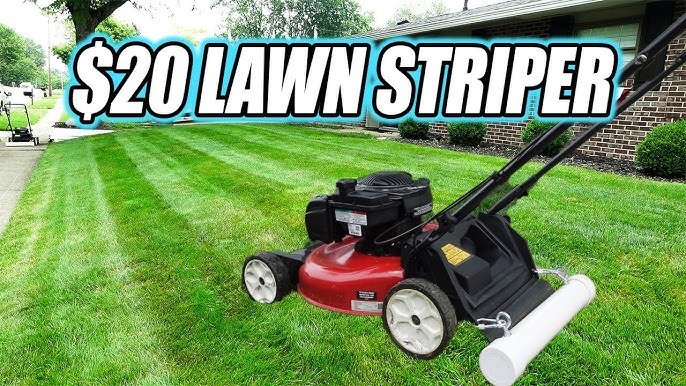
Lawn striping works by bending grass blades in different directions. This creates a contrast between light and dark green stripes. The light stripes show grass bent away, and dark stripes show grass bent toward you. A roller or striping kit attached to a mower bends the grass to create this effect.
The key is mowing in straight lines and alternating directions. Overlapping slightly helps make sharp, clear stripes. Using a sharp mower blade keeps grass healthy and stripes crisp. The best striping looks clean and consistent, not patchy.
- Improves lawn appearancewith neat, professional-looking stripes.
- Shows off healthy grassby highlighting color contrasts.
- Encourages even mowingand better lawn care habits.
- Increases curb appealfor homes and businesses.
- Fun and satisfyingfor homeowners who enjoy lawn care.

Credit: www.youtube.com
Choosing The Right Equipment
Choosing the right mower with a roller helps create clear, sharp stripes on your lawn. Proper equipment ensures even pressure and smooth patterns. This technique enhances your lawn’s appearance with minimal effort.
Types Of Lawn Stripers
Mower Attachments vs. Standalone Stripers
Mower attachmentsare easy to connect. They use the mower’s wheels to bend grass in stripes. Good for small to medium yards. They save money and space.
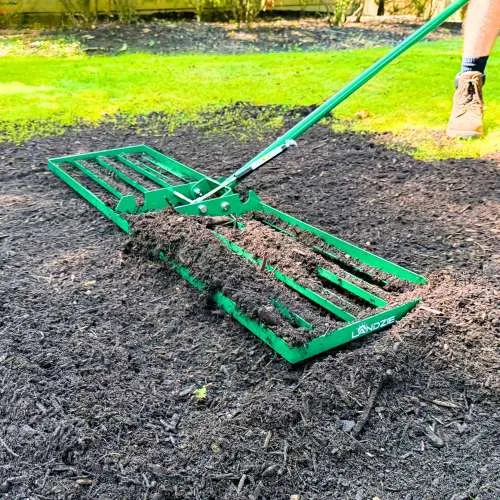
Standalone stripersare separate tools. They roll over the lawn and create clear stripes. Best for large lawns. They give a stronger striping effect but cost more.
Both types work well. Choose based on lawn size and budget. Attachments are light and simple. Standalone stripers offer better patterns but need more space to store.
Grass Types And Striping
Cool-season grasseslike Kentucky bluegrass and fescue show stripes well. Their blades bend easily and reflect light differently when mowed.
Warm-season grasses, such as Bermuda and Zoysia, also stripe nicely but need a sharper mower blade.
Grass type affects how deep the stripe looks. Thicker blades create bold stripes. Thin blades give lighter stripes.
| Grass Type | Stripe Quality | Notes |
|---|---|---|
| Kentucky Bluegrass | High | Soft blades, great contrast |
| Fescue | Medium | Good stripe but less bold |
| Bermuda | High | Needs sharp blades |
| Zoysia | Medium | Denser grass, stripes less clear |
For finer grasses, use lighter pressure when mowing. This avoids damaging blades.
Thicker grasses need stronger passes with the mower for clear stripes.
Techniques For Perfect Stripes
Creating perfect lawn stripes involves using a mower with a roller or striping kit. Mowing in straight, overlapping rows helps achieve a professional look. Adjusting the mower height can enhance the striping effect and maintain healthy grass.
Mowing Patterns That Work
Mowing patternshelp make grass look neat. Start with a straight lineacross the lawn. Follow the same line on your way back. This creates a striped effect. Try to keep the lines as straight as possible. Turn slowly to keep the pattern neat. Use a lawn rollerfor even better stripes.Creating Sharp Lines And Contrast
Sharp linesmake stripes look clear. Use a lawnmower with a roller. This helps flatten the grass in one direction. The grass bends and reflects light differently. This creates a contrastbetween the lines. Alternate the direction of stripes each time. This keeps the lawn healthy and vibrant. Regular mowing helps maintain clear stripes. `Maintenance Tips For Lawn Striping
Sharp mower bladesmake clean cuts. Dull blades tear grass and harm lawn health. Check blades often. Clean blades remove grass buildup. Tighten loose blades to avoid damage.
Water lawn early in the morning. It helps roots grow deep and strong. Avoid watering late to prevent disease. Mow when grass is dry to keep stripes clear.
- Use fertilizer to feed grass, but follow instructions carefully.
- Remove weeds to keep lawn neat and healthy.
- Let grass grow slightly longer for better striping effects.
- Rake leaves and debris regularly to allow sunlight and air.
Common Mistakes To Avoid
Over-stripingcan make your lawn look unnatural. Too many stripes create a busy pattern. This can stress the grass and cause damage. Stick to simple, wide stripes for the best look. Let the grass rest between stripes to stay healthy.
Ignoring lawn condition leads to poor striping results. Dry or patchy grass will not show stripes well. Mow the lawn regularly and water it before striping. Healthy, green grass creates clear and sharp stripes. Check for weeds or bare spots and fix them first.
Expert Tips And Tricks
The best time to stripe a lawn is during the growing season. Mowing every 1-2 weeks keeps the grass healthy and striped well. Avoid striping during drought or extreme heat to prevent damage. Frequency depends on grass type and growth speed.
Using early morning or late afternoonlight helps show the stripes clearly. The low sun creates long shadows, making the pattern stand out. Bright midday light can wash out the effect.
- Light pushes blades one way, creating dark and light stripes
- Grass bends reflecting sunlight differently
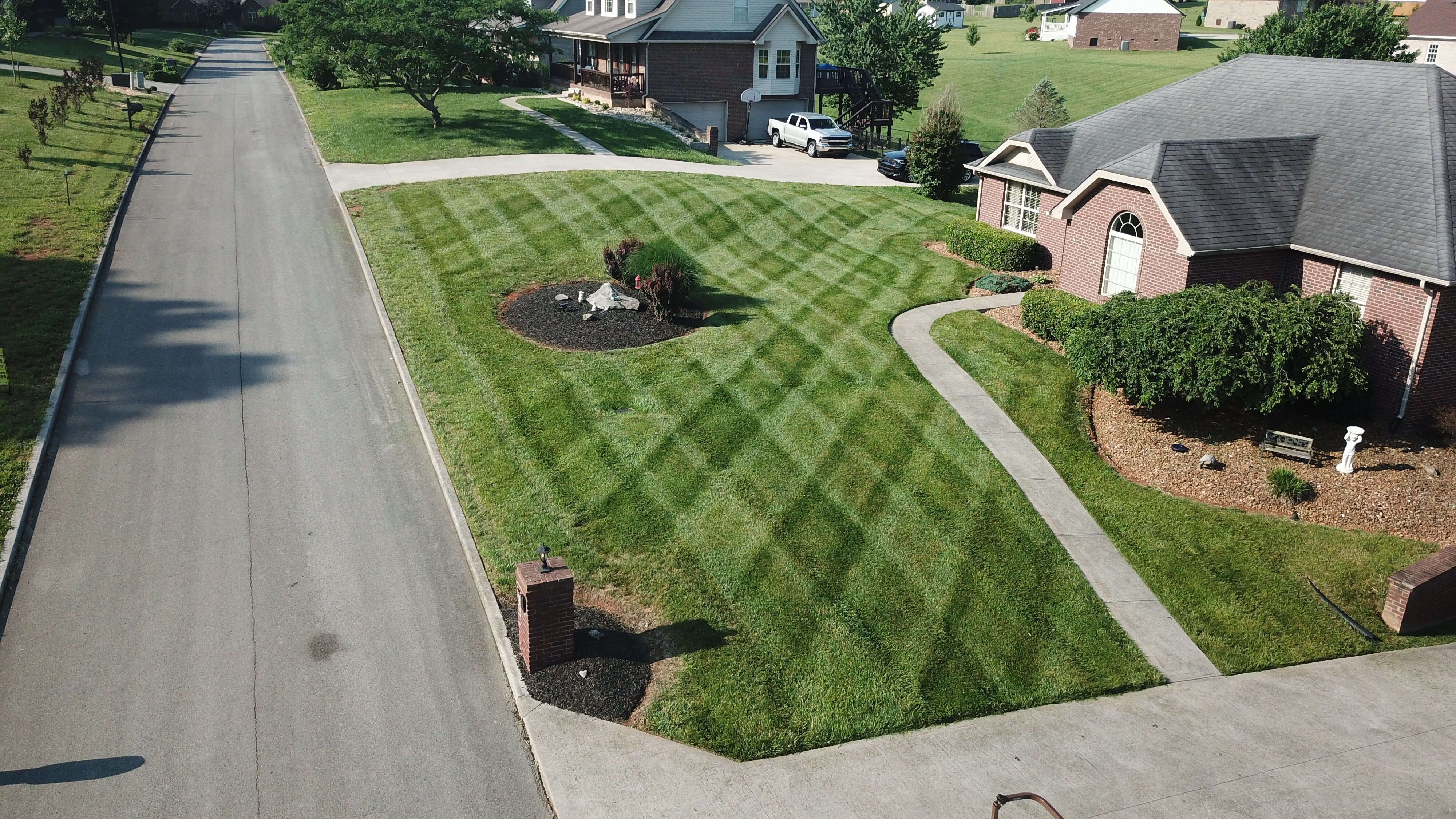
- Changing mowing direction each time makes a crisp pattern
Credit: landzie.com
Credit: blog.grasshoppermower.com
Frequently Asked Questions
What Is Lawn Striping And Why Is It Important?
Lawn striping is creating alternating light and dark patterns on grass. It enhances curb appeal and shows lawn care skill. Striping promotes healthy grass by encouraging even growth and mowing. It’s a popular landscaping technique for a professional, polished look.
Which Mower Type Works Best For Lawn Striping?
A reel mower or a rotary mower with a striping kit works best. Reel mowers bend grass blades for crisp stripes. Rotary mowers with rollers press grass in different directions, creating clear contrast. Both help achieve sharp, professional stripes.
How Often Should You Mow For Effective Lawn Striping?
Mowing every 5 to 7 days during growing season is ideal. Frequent mowing maintains clean, even stripes and healthy grass height. Avoid mowing when grass is wet to prevent damage and uneven patterns.
Can Any Grass Type Be Striped Effectively?
Most cool-season and warm-season grasses like Kentucky bluegrass, fescue, and Bermuda stripe well. Grass must be healthy and at least 2 inches tall. Some fine fescues may not show stripes clearly due to blade texture.
Conclusion
Choosing the best lawn striping technique depends on your tools and lawn type. Straight lines create a clean, classic look. Use a lawn roller or mower with a striping kit for clear patterns. Consistent mowing direction helps keep stripes sharp and visible.
Keep your grass healthy for the best effect. Practice makes perfect. Try different methods to see what works for you. Enjoy a beautifully striped lawn that stands out in your neighborhood.





